Could Humans Survive the Dinosaur-Killing Asteroid? • 2024 melodysheep

Category: Environment | Download:

66 million years ago, the worst day in the history of life was dawning.

Make a donation

Buy a brother a hot coffee? Or a cold beer?

Hope you're finding these documentaries fascinating and eye-opening. It's just me, working hard behind the scenes to bring you this enriching content.

Running and maintaining a website like this takes time and resources. That's why I'm reaching out to you. If you appreciate what I do and would like to support my efforts, would you consider "buying me a coffee"?

Donation addresses

Buy Me a Coffee at ko-fi.com

patreon.com

BTC: bc1q8ldskxh4x9qnddhcrgcun8rtvddeldm2a07r2v

ETH: 0x5CCAAA1afc5c5D814129d99277dDb5A979672116

With your donation through , you can show your appreciation and help me keep this project going. Every contribution, no matter how small, makes a significant impact. It goes directly towards covering server costs.
melodysheep • 2019 - 2026 • 7 episodes •

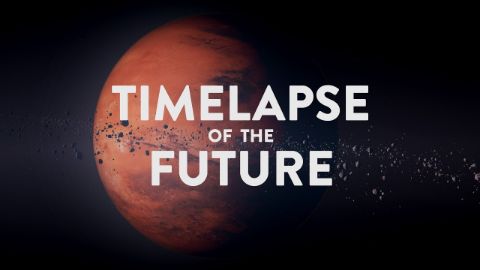
TIMELAPSE OF THE FUTURE: A Journey to the End of Time

How's it all gonna end? This experience takes us on a journey to the end of time, trillions of years into the future, to discover what the fate of our planet and our universe may ultimately be.

2019 • Astronomy

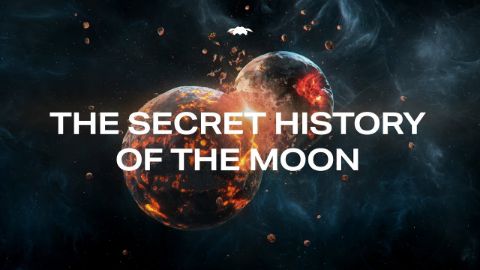
The Secret History of the Moon

The Moon has drawn out our sense of wonder since before we were fully human. Where did it come from? What secrets are written in its rocks? For most of our history, its story was cloaked in myth and mystery. Only now are the vivid details coming into focus.

2020 • Astronomy

LIFE BEYOND: Chapter 1. Alien life, deep time, and our place in cosmic history

The biggest question of our time. Are we alone? Chapter 1 of this experience takes you to alien worlds and distant places in time and space, in search of where alien life might be hiding and what our place is within the history of life. After generations of wondering, the truth is finally within our reach. New research and technologies have brought us closer than ever to an answer - only a few decades in the eyes of some NASA scientists.

2020 • Astronomy

LIFE BEYOND Chapter 2: The Museum of Alien Life

What if there was a museum that contained every type of life form in the universe? This experience takes you on a tour through the possible forms alien life might take, from the eerily familiar to the utterly exotic, ranging from the inside of the Earth to the most hostile corners of the universe.

2020 • Astronomy

LIFE BEYOND 3: In Search of Giants. The hunt for intelligent alien life

Who are the masters of the universe? Are we the only intelligent life, or is something else lurking out there? For 60 years now, we have probed the skies for signs of alien intelligence, longing for connection -- to no avail. But new ideas and technologies are beginning to change the game. Proudly presenting the third chapter in the Life Beyond trilogy: In Search of Giants. In this journey, we will see how far we’ve come in the search for intelligent life, how they might be communicating, just how advanced they might be, and what it would mean if we really did make contact. It might take thousands of years to make a discovery. But as long as the mystery endures, the search for giants will continue. It's in our blood to want to know.

2021 • Science

Could Humans Survive the Dinosaur-Killing Asteroid?

66 million years ago, the worst day in the history of life was dawning.

2024 • Environment

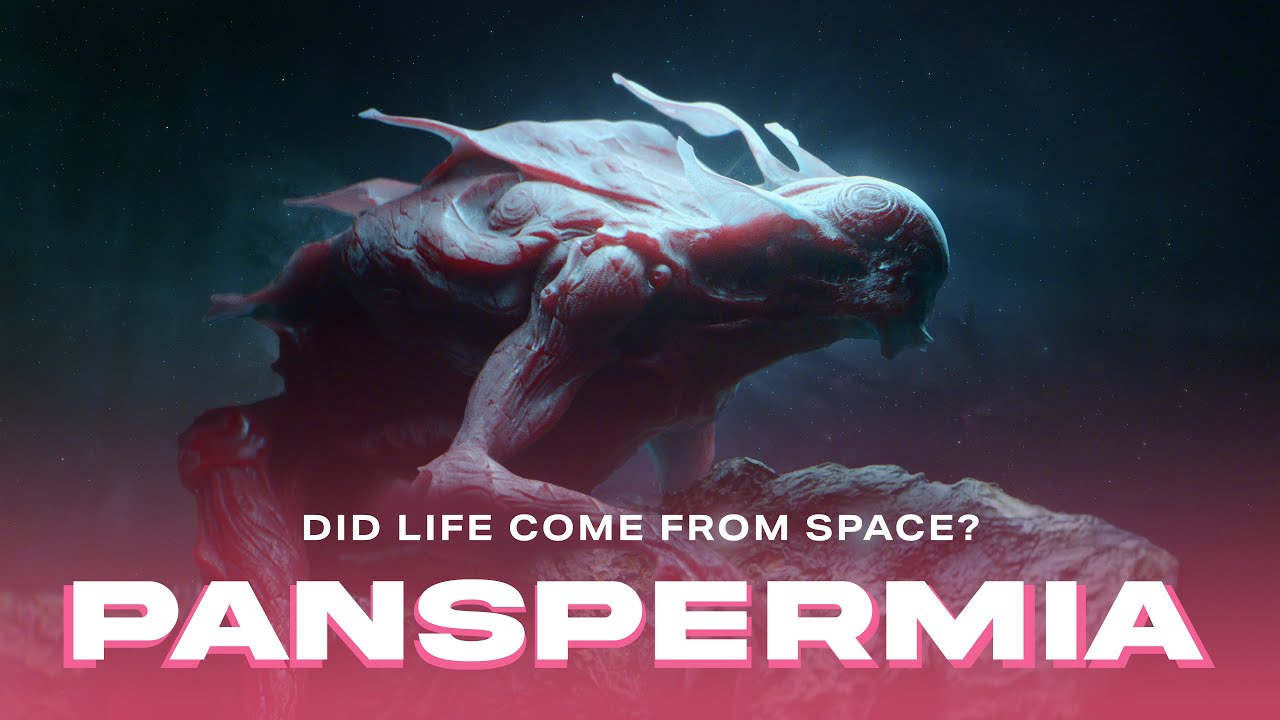
Panspermia

It's not as crazy as it sounds: life on Earth could be descended from space-faring microbes from Mars, or even further beyond, riding here on an interplanetary highway of asteroids. Extremophile bacteria may be resilient enough to survive the intense 3-stage journey, by repairing their own damaged DNA or hibernating for the long and deadly journey through space.

2026 • Astronomy

You might also like

The End of Oil

Oil led to huge advancements - and vast inequities. As the planet warms, why is it so hard to turn away from fossil fuels, and can it be done in time?

Explained • 2021 • Environment

Aerial America: Yellowstone

When you soar above Yellowstone, it's easy to see why it became the world's first national park in 1872. It's a place of staggering beauty and fragile creatures, of stunning granite peaks that pierce the sky and colorful springs that may hold secrets about the origins of life. This aerial voyage takes you over high elevation lakes, snaking canyons, sputtering hot geysers, and snow-covered landscapes. Explore Yellowstone's history of Native Americans, European explorers, and 10 million years of tectonic upheaval.

2018 • Environment

Rats

Inspired by Robert Sullivan's New York Times bestselling book, RATS goes deep beneath the surface to explore the lives of man's greatest parasite. Oscar nominated director Morgan Spurlock unveils a new form of documentary horror storytelling, journeying around the world to bring viewers face to face with rats while delving into our complicated relationship with these creepy creatures. Taking us into the Rattus nests in ways never before captured on film, RATS dives deep into New York City's parks, subway tunnels, and sewers; venture to rice paddies in Cambodia and Vietnam where rats are caught and sold as food, cross worldly streets in India paroled by the revered Night Rat Killers, journey to English countryside where packs of terriers kill hundreds of rats per day, and look inside a New Orleans lab, where scientists are studying how flooding and abandoned neighborhoods are making rats more invasive than ever.

2016 • Environment

Ice

Ice may be nothing more than frozen water but, as Iain explains, it holds extraordinary power. Descending 150m down a frozen waterfall, he sees a glacier in action from below and discovers why the huge Jacobshaven glacier is retreating, he shows how it shaped our past and may now threaten our future.

S1E3Earth: The Power of the PlanetEnvironment

Billions in Change

Change starts with one. It starts with you.

2015 • Environment

Life After: Chernoby

The disaster began during a routine systems test at reactor number four of the Chernobyl plant located near the town of Pripyat, on April 26, 1986. After a power surge, an emergency shutdown was attempted and after a subsequent power spike, there was a reactor vessel rupture and a series of steam explosions. The cascading course of events led to exposing the graphite moderator of the reactor to the air, causing it to catch fire. This sent a plume of highly radioactive fallout into the atmosphere. The fallout from Chernobyl prompted mass evacuations as it drifted over an extensive geographical area, including the western Soviet Union and Europe. Over 350,000 people were resettled from contaminated areas of Belarus, Russia, and the Ukraine. Thirty-one deaths are directly attributed to the accident, and all the deaths were among reactor staff and emergency workers. This is the kind of atmosphere Nelson and Ochota are investigating on Life After: Chernobyl as they attempt to determine how the radiation continues to impact the affected areas. They are allowed to stay for as long as they need to in order to conduct their ground-breaking research, but the duo must also be sure to take the necessary safety precautions. Broadway World noted in their Life After: Chernobyl article that by staying in the area for too long, the radiation exposure could reach dangerously high levels in their bodies, and they must always monitor the radiation levels.

2014 • Environment