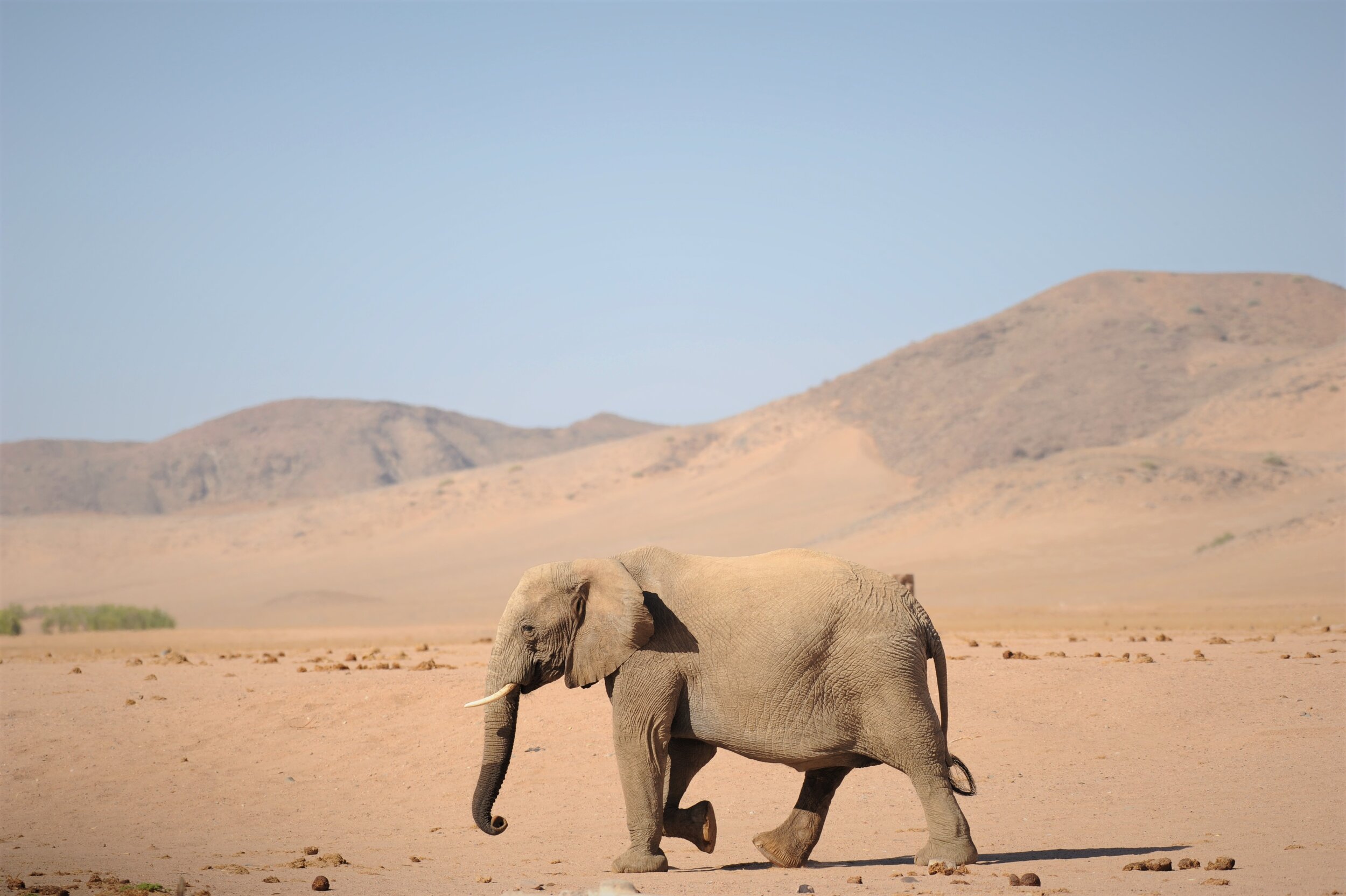
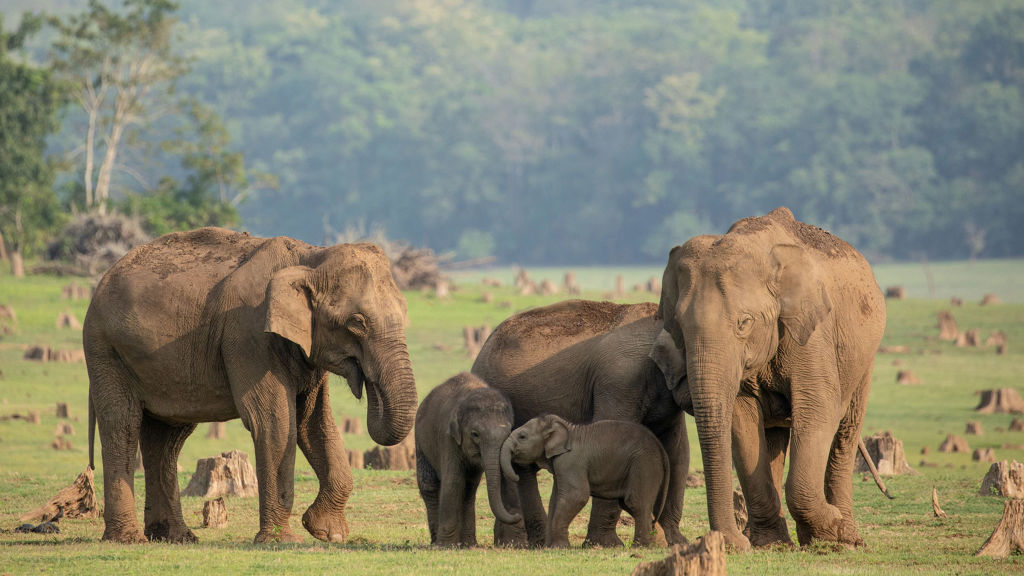
Elephant families face the challenges of life in the deserts of Namibia.
Hope you're finding these documentaries fascinating and eye-opening. It's just me, working hard behind the scenes to bring you this enriching content.
Running and maintaining a website like this takes time and resources. That's why I'm reaching out to you. If you appreciate what I do and would like to support my efforts, would you consider "buying me a coffee"?
BTC: bc1q8ldskxh4x9qnddhcrgcun8rtvddeldm2a07r2v
ETH: 0x5CCAAA1afc5c5D814129d99277dDb5A979672116
With your donation through , you can show your appreciation and help me keep this project going. Every contribution, no matter how small, makes a significant impact. It goes directly towards covering server costs.
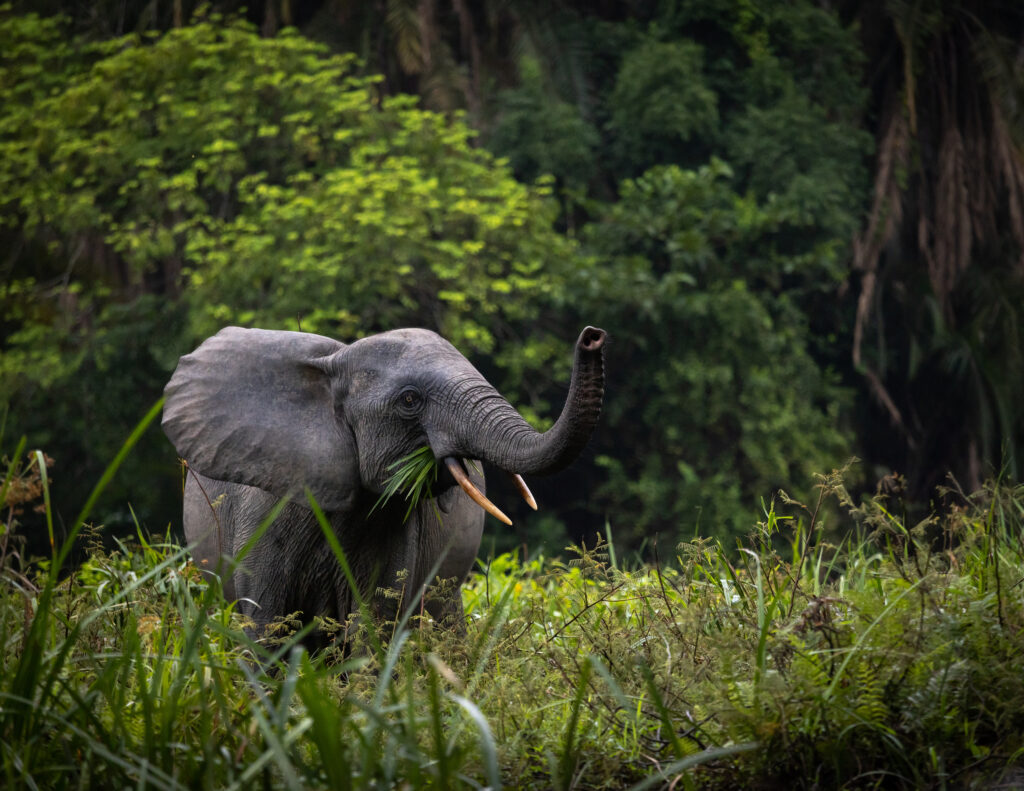
Revealing the secrets of the world's most elusive elephant species and how they have adapted to life in their rainforest home.
2023 • Nature
In the Land of the Cave Bear, Alice ventures to the parts of the northern hemisphere, hit hardest by the cold - Europe and Siberia. High in the mountains of Transylvania, a cave sealed for thousands of years reveals grisly evidence for a fight to the death between two staving giants, a cave bear and a cave lion. Yet Alice discovers that for woolly rhinos and woolly mammoths, the Ice Age created a bounty. The Mammoth Steppe, a vast tract of land which went half way round the world, provided food all year round, for those that liked the cold. It was these mammoths that Europe's most dangerous predators hunted for their survival.
S1E2 • Ice Age Giants • 2013 • Nature
For 10,000 years or more, humans created new plant varieties for food by trial and error and a touch of serendipity. Then 150 years ago, a new era began. Pioneer botanists unlocked the patterns found in different types of plants and opened the door to a new branch of science - plant genetics. They discovered what controlled the random colours of snapdragon petals and the strange colours found in wild maize. This was vital information. Some botanists even gave their lives to protect their collection of seeds. American wheat farmer Norman Borlaug was awarded the Nobel peace prize after he bred a new strain of wheat that lifted millions of people around the world out of starvation. Today, botanists believe advances in plant genetics hold the key to feeding the world's growing population.
S1E3 • Botany: A Blooming History • 2011 • Nature
The final episode explores dinosaurs' extraordinary ability to survive. Featured dinosaurs include the bizarre magyarosaurus, which lived in the shadow of the biggest flying animal - hatzegopteryx - and showed an amazing adaptation to island life; and the weird nothronychus, a carnivore that gave up meat eating. This astonishing capacity to evolve into ever more diverse and bizarre forms meant that dinosaurs not only spread throughout the world, but also dominated life upon it for more than 160 million years. It was only an unprecedented extraterrestrial event that finally saw the end of planet dinosaur.
S1E6 • Planet Dinosaur • 2011 • Nature
A look at what would cause a ferocious tiger shark to cuddle up with a diver and why pigs are swimming in the Caribbean; and what mysterious blobs have washed up by the thousands on the shores of Oregon.
S1E13 • Nature's Strangest Mysteries: Solved • 2019 • Nature
A small family of wild dogs on the run is tested to the limit trying to raise six pups in the Savage Kingdom.
S1E5 • Savage Kingdom • 2016 • Nature
Helen looks at the latest scientific insight into the aurora - dancing lights in the night sky that have fascinated cultures throughout our history. From the networks of cameras now capturing its vast scale, to novel experiments that probe the threat it poses to modern technology, Helen reveals the dramatic transformation in our understanding of the aurora, and the many mysteries that remain to be solved.
Part 4 • Dangerous Earth • 2016 • Nature