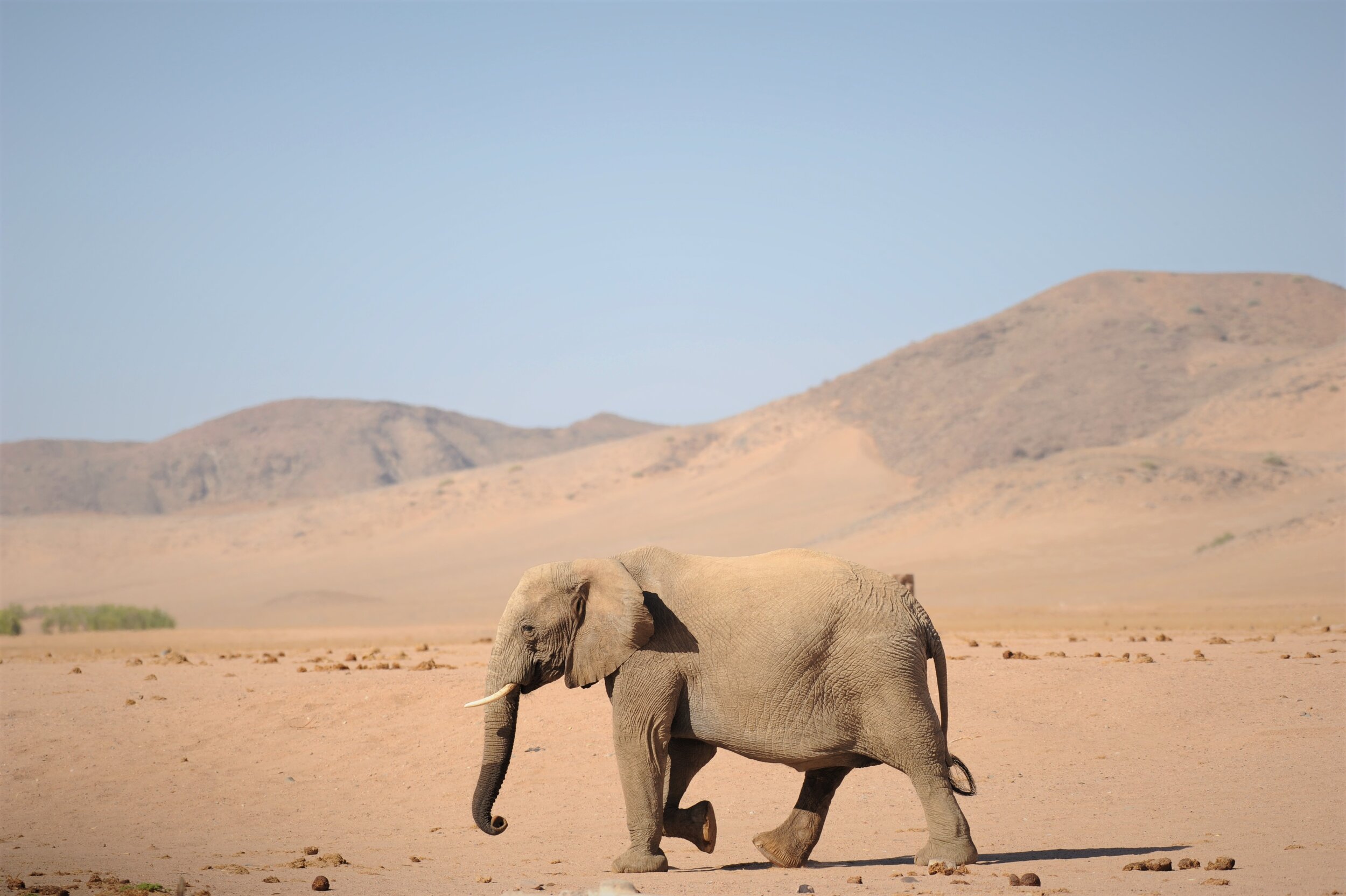
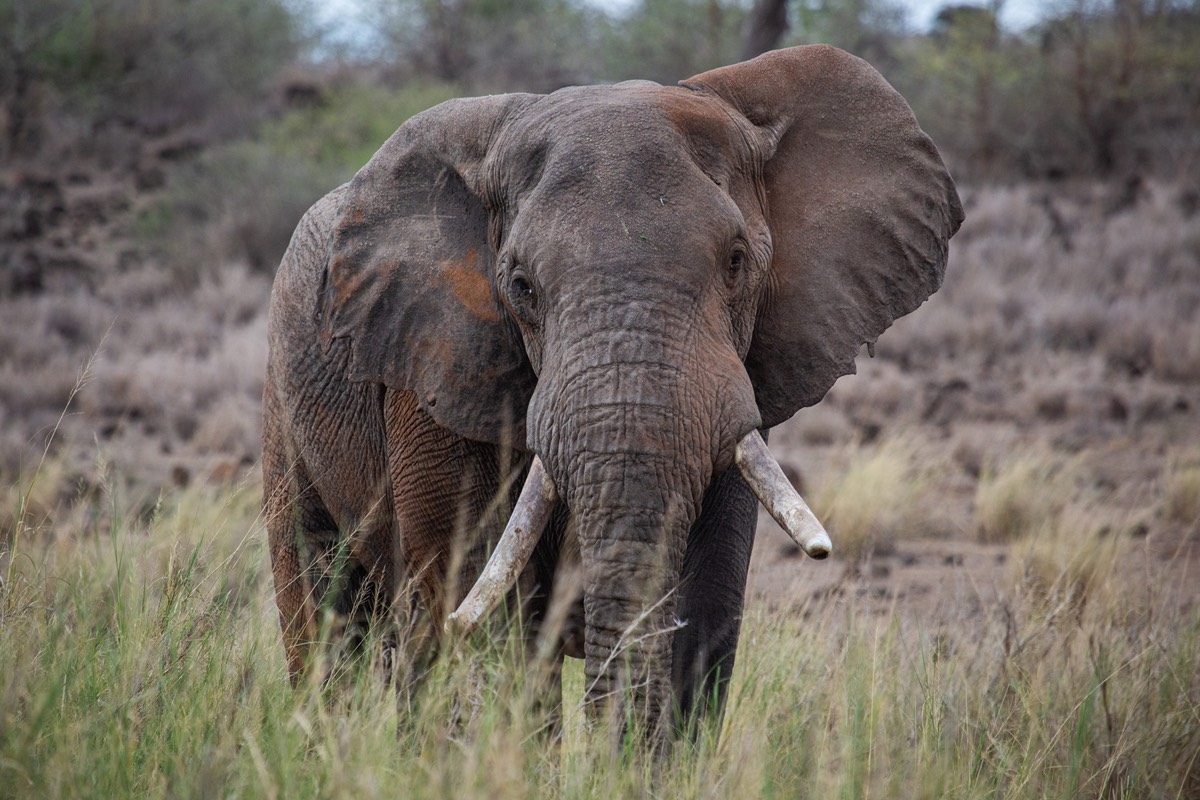
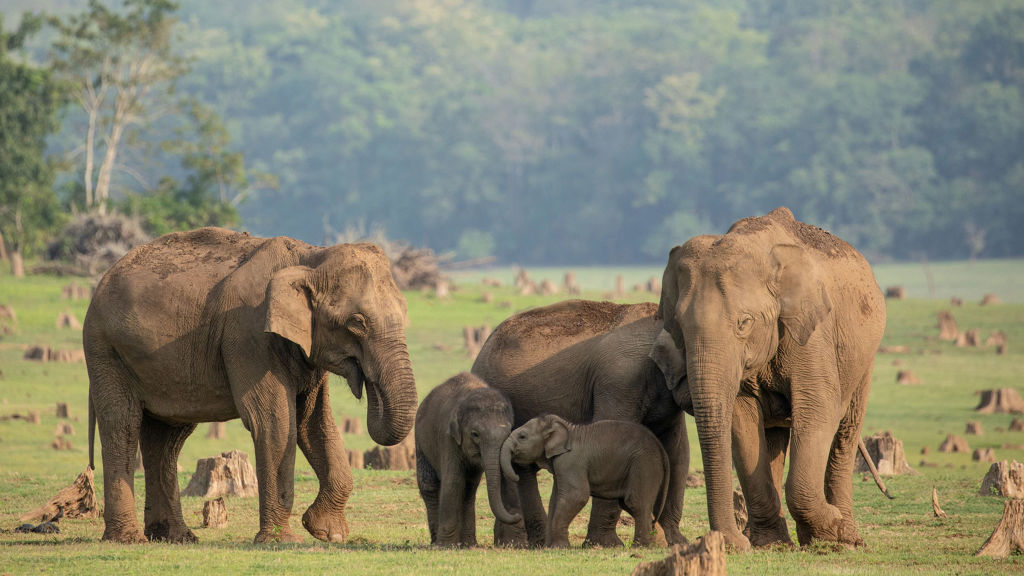
Across Asia, elephants must use their intelligence and understanding of us to adapt to the human world.
Hope you're finding these documentaries fascinating and eye-opening. It's just me, working hard behind the scenes to bring you this enriching content.
Running and maintaining a website like this takes time and resources. That's why I'm reaching out to you. If you appreciate what I do and would like to support my efforts, would you consider "buying me a coffee"?
BTC: bc1q8ldskxh4x9qnddhcrgcun8rtvddeldm2a07r2v
ETH: 0x5CCAAA1afc5c5D814129d99277dDb5A979672116
With your donation through , you can show your appreciation and help me keep this project going. Every contribution, no matter how small, makes a significant impact. It goes directly towards covering server costs.
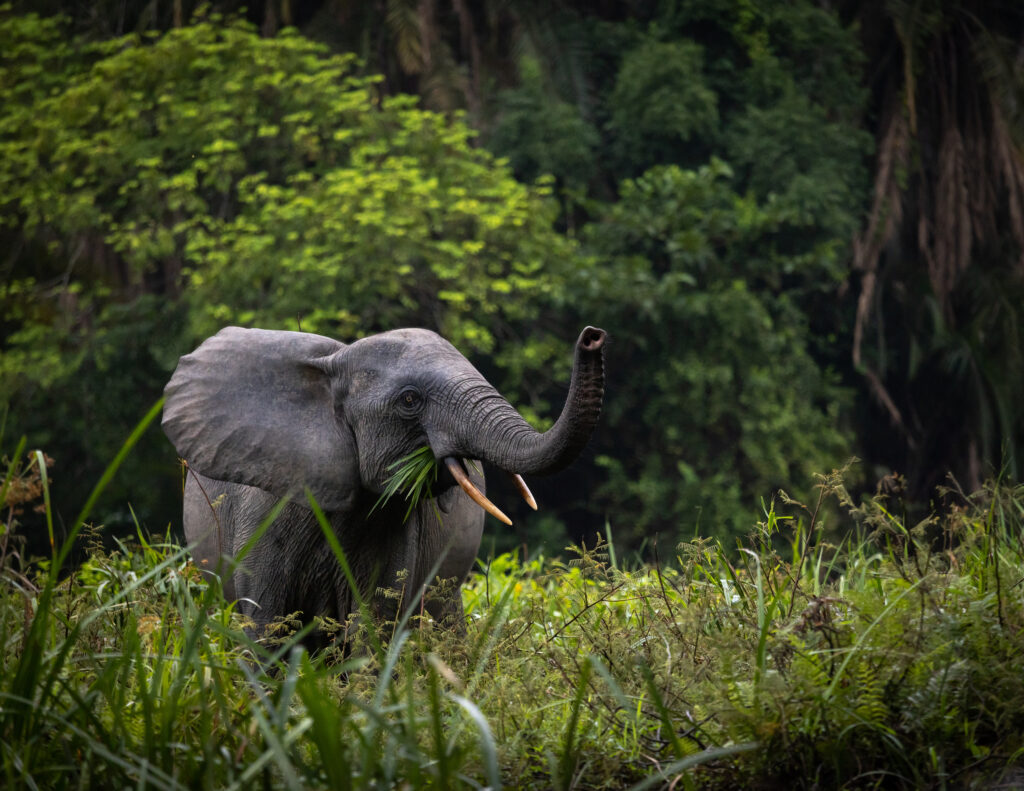
Revealing the secrets of the world's most elusive elephant species and how they have adapted to life in their rainforest home.
2023 • Nature
Nearly twice the size of the United States, Russia is the biggest country on Earth. From the subtropics to the arctic and the Atlantic Ocean to the Pacific; giant lakes, active volcanoes and endless forests.
2020 • Nature
In an ancient pine tree in the Cairngorms, two eagle chicks are on the verge of fledging their gargantuan nest. In winter in the Forest of Dean, the reintroduction of wild boar has given the robin a lifeline. As they root through the thick snow, the boar unearth the worms with their snouts, which the robins otherwise couldn't find.
S1E2 • Wild Isles • 2023 • Nature
Wetland Animals dives into the swamps, rivers and flood plains of Florida's Everglades, Botswana's Okavango Delta, Kakadu National Park in Australia, the Amazon and more. Meet deadly crocodiles, alligators and piranhas, wading elephants, hippopotamus and flamingo, and unlikely swimmers such as the manatee and platypus.
S1E2 • World's Greatest Animal Encounters • 2020 • Nature
David Attenborough takes a breathtaking journey through the vast and diverse continent of Africa as it has never been seen before. (Part 4: Cape) Southern Africa is a riot of life and colour because of two great ocean currents that sweep around the continent's Cape. To the east, the warm Agulhas current generates clouds that roll inland to the wettest place in southern Africa. To the west is the cold Benguela current, home to more great white sharks than anywhere else. Moisture laden fog rolls inland, supporting an incredible desert garden. Where the two currents meet, the clash of warm and cold water creates one of the world's most fabulous natural spectacles - South Africa's sardine run. This is the greatest gathering of predators on the planet, including Africa's largest, the Bryde's whale.
The volcanic Kamchatka peninsula is located on the far east of Russia. Because of the frequent volcanic eruptions and landslides, the terrain is constantly changing. But, despite the fact that the remote Kamchatka region is considered dangerous, it is unusually rich and fertile. Exploring the riches of this magical land, our film does not miss anything. In the frame - the golden eagles soaring in the sky, the wolverine, scavenge, the whole family of red foxes, and even the owners of these places - brown bears, happy to take baths in natural hot springs.
S1E1 • Wild Russia • 2009 • Nature
Watch as birds solve puzzles and challenge our basic notions of intelligence. Call somebody a “bird brain,” and you’re not delivering them a compliment. But as NOVA shows, birds turn out to have advanced problem-solving skills that we usually assume are unique to humans. Watch astonishing tests of avian aptitude: parrots that can plan for the future, jackdaws that can “read” human faces, and crows that can solve multi-step puzzles with tools like pebbles, sticks, and hooks. Could these just be clever tricks based on instinct or triggered by subtle cues from their human handlers? To rule out any doubts, NOVA puts feathered Einsteins through their paces and reveals skills that even three- or four-year-old children have a hard time mastering—such as putting off one reward now to get a bigger one later. From this revolution in thinking about our feathered friends, the conclusion seems irresistible that bird brains see the world in ways that aren’t so different from our own.