Venture into the deep, dark and desolate oceans that are home to an abundance of beautiful -- and downright strange -- creatures.
Hope you're finding these documentaries fascinating and eye-opening. It's just me, working hard behind the scenes to bring you this enriching content.
Running and maintaining a website like this takes time and resources. That's why I'm reaching out to you. If you appreciate what I do and would like to support my efforts, would you consider "buying me a coffee"?
BTC: bc1q8ldskxh4x9qnddhcrgcun8rtvddeldm2a07r2v
ETH: 0x5CCAAA1afc5c5D814129d99277dDb5A979672116
With your donation through , you can show your appreciation and help me keep this project going. Every contribution, no matter how small, makes a significant impact. It goes directly towards covering server costs.

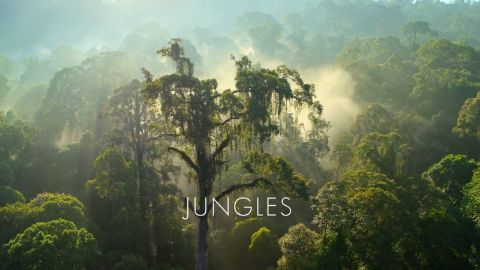
Witness the planet's breathtaking diversity -- from seabirds carpet-bombing the ocean to wildebeests eluding the wild dogs of the Serengeti.
2019 • Nature
On the unforgiving frontier of climate change, polar bears, walruses, seals and penguins find their icy Edens in peril.
2019 • Nature
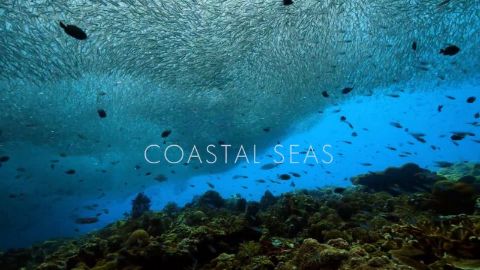
From fearsome sharks to lowly urchins, 90 percent of marine creatures live in coastal waters. Protecting these habitats is a battle humanity must win.
2019 • Nature
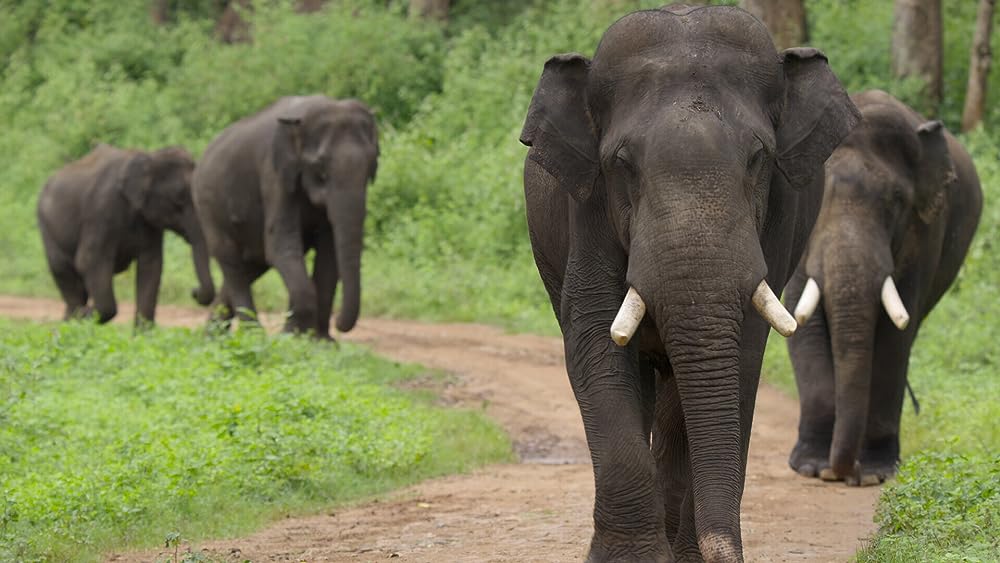
Cameras follow desert elephants seeking sustenance, bison roaming North American grasslands and caterpillars living the good life underground.
2019 • Nature
Venture into the deep, dark and desolate oceans that are home to an abundance of beautiful -- and downright strange -- creatures.
2019 • Nature
The need for fresh water is as strong as ever. However, the supply is becoming increasingly unpredictable for all manner of species.
2019 • Nature
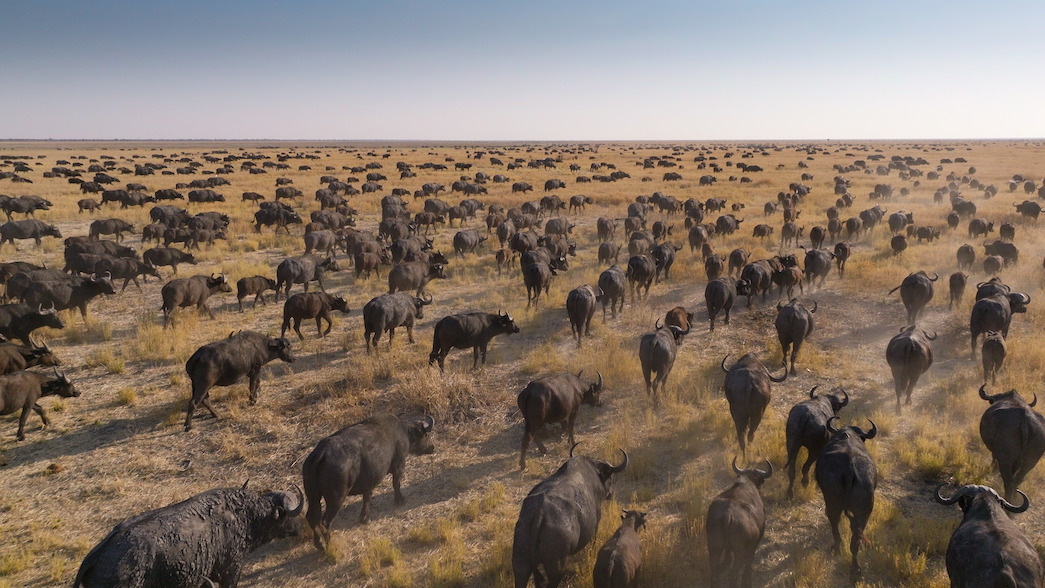
Be it buffalo, polar bears, humpback whales or albatross chicks, migration is a vital survival strategy for animals to feed, reproduce and find homes.
2023 • Nature
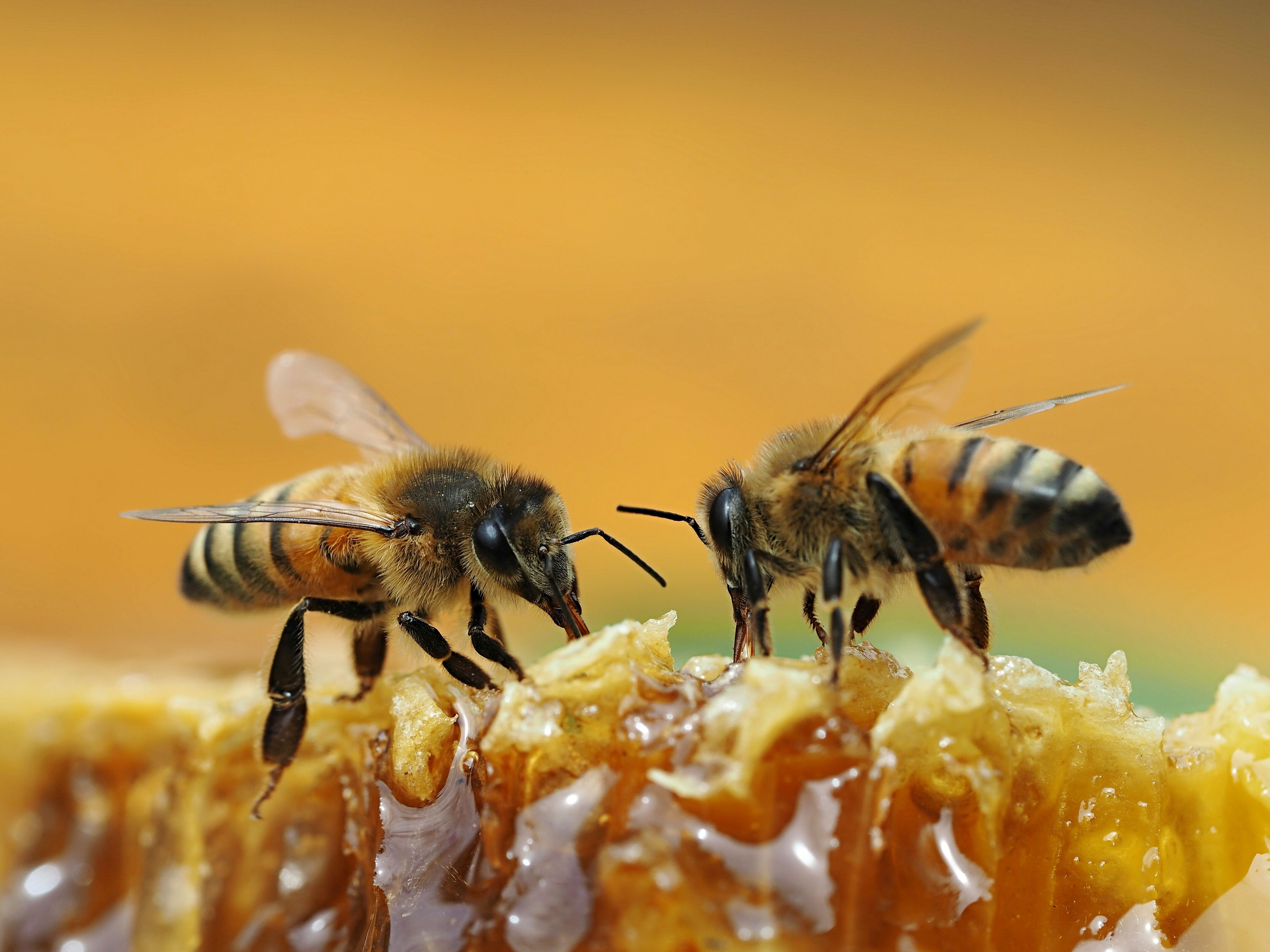
As summer spreads across our solar-powered planet, honey bees toil, snow geese breed, tadpoles awaken and lions stalk wildebeest in search of lush grass.
2023 • Nature
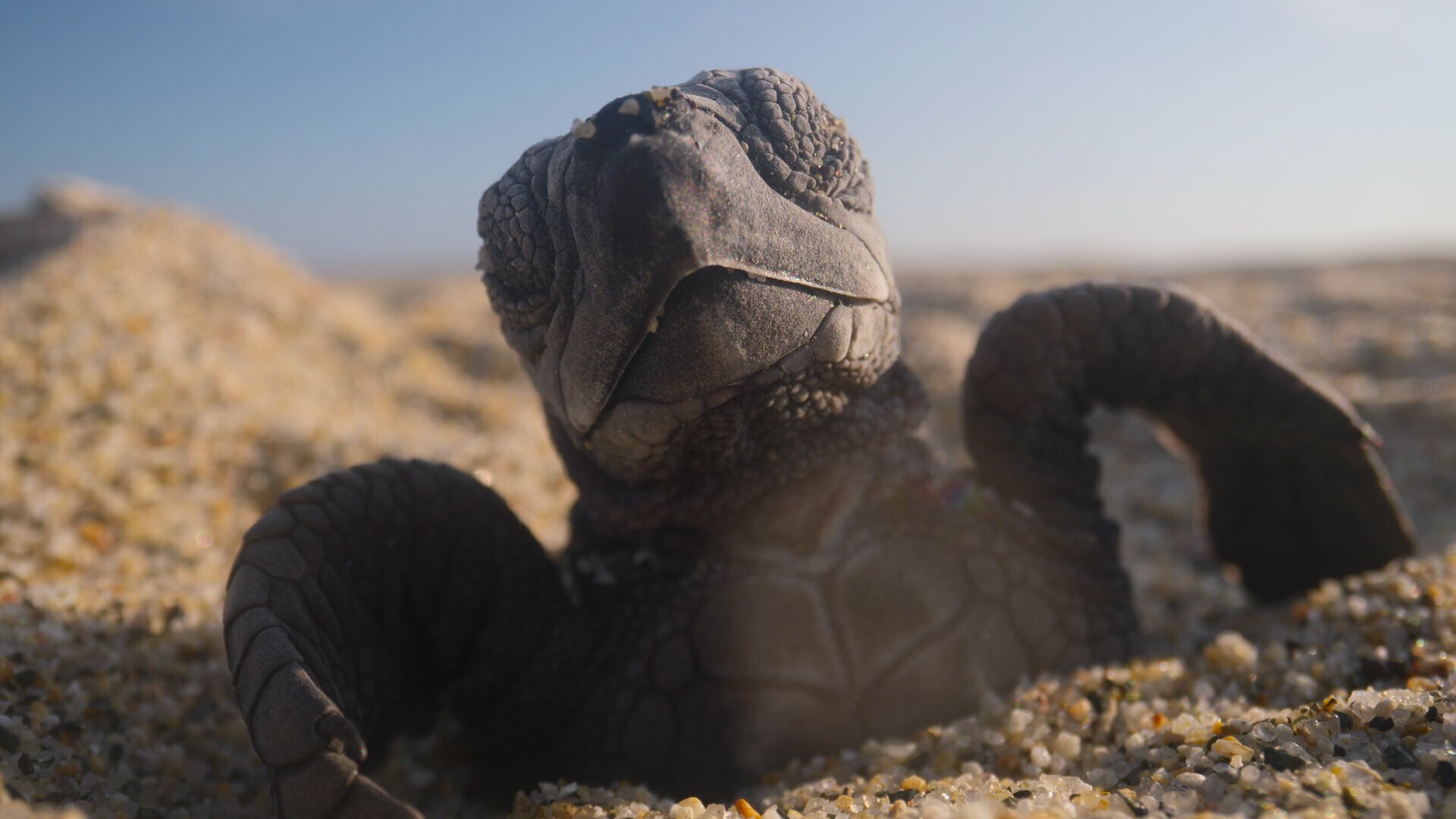
Left to fend for themselves until they find their footing, baby sea turtles, elephant seal pups, pumas and crabs bravely trek towards adolescence.
2023 • Nature
As snow geese, antelope, army ants and gray whales dodge predators and pollution, get a closer look at how the modern world impacts animal migration.
2023 • Nature
As temperatures hit minus 60 food becomes scarce, and animals such as foxes and hares shed their colourful coats to camouflage themselves in the snow. The end of winter heralds one of the world's greatest feeding frenzies as large ocean predators target the millions of fish who have found refuge in the Gulf of Alaska.
S1E1 • Alaska: A Year in the Wild • 2017 • Nature
Left to their own devices, birds have reached almost all ends of the Earth - still, humans can do many things to help their feathered friends.
S1E10 • The Life of Birds • 1998 • Nature
After the death of her mother, Motshidi is starving and alone; in an act of charity, Blue Eyes gives Motshodi a new lease of life; a violent traitor rises in the ranks, challenging the selfish princess and bringing an end to Mmamotse's rule.
S3E6 • Savage Kingdom • 2019 • Nature
Five heroes, each with a unique power, fighting to survive, killing to reign supreme over the Savage Kingdom.
S1E6 • Savage Kingdom • 2016 • Nature
Helen Macdonald traces the dramatic journey of Britain's greatest river, the Tay, over an entire year. Mixing natural history, cutting-edge science and historical biography with a spectacular travelogue, the film is a celebration of our largest river as it transforms from melting Highland snow to a vast torrent flowing into the cold North Sea.
2019 • Nature
This episode is devoted to the evolution of reptiles. They are not as restricted as their amphibian ancestors, since they can survive in the hottest climates. The reason is their scaly, practically watertight skin. The scales protect the body from wear and tear and in the case of some species of lizard, such as the Australian thorny devil, serve to protect from attack. The horned iguana from the West Indies is also one of the most heavily armoured. The skin is rich in pigment cells, which provide effective means of camouflage, and the chameleon is a well-known example. Temperature control is important to reptiles: they cant generate body heat internally or sweat to keep cool.
7/13 • Life on Earth • 1979 • Nature