Witness the planet's breathtaking diversity -- from seabirds carpet-bombing the ocean to wildebeests eluding the wild dogs of the Serengeti.
Hope you're finding these documentaries fascinating and eye-opening. It's just me, working hard behind the scenes to bring you this enriching content.
Running and maintaining a website like this takes time and resources. That's why I'm reaching out to you. If you appreciate what I do and would like to support my efforts, would you consider "buying me a coffee"?
BTC: bc1q8ldskxh4x9qnddhcrgcun8rtvddeldm2a07r2v
ETH: 0x5CCAAA1afc5c5D814129d99277dDb5A979672116
With your donation through , you can show your appreciation and help me keep this project going. Every contribution, no matter how small, makes a significant impact. It goes directly towards covering server costs.
Witness the planet's breathtaking diversity -- from seabirds carpet-bombing the ocean to wildebeests eluding the wild dogs of the Serengeti.
2019 • Nature
On the unforgiving frontier of climate change, polar bears, walruses, seals and penguins find their icy Edens in peril.
2019 • Nature
From fearsome sharks to lowly urchins, 90 percent of marine creatures live in coastal waters. Protecting these habitats is a battle humanity must win.
2019 • Nature
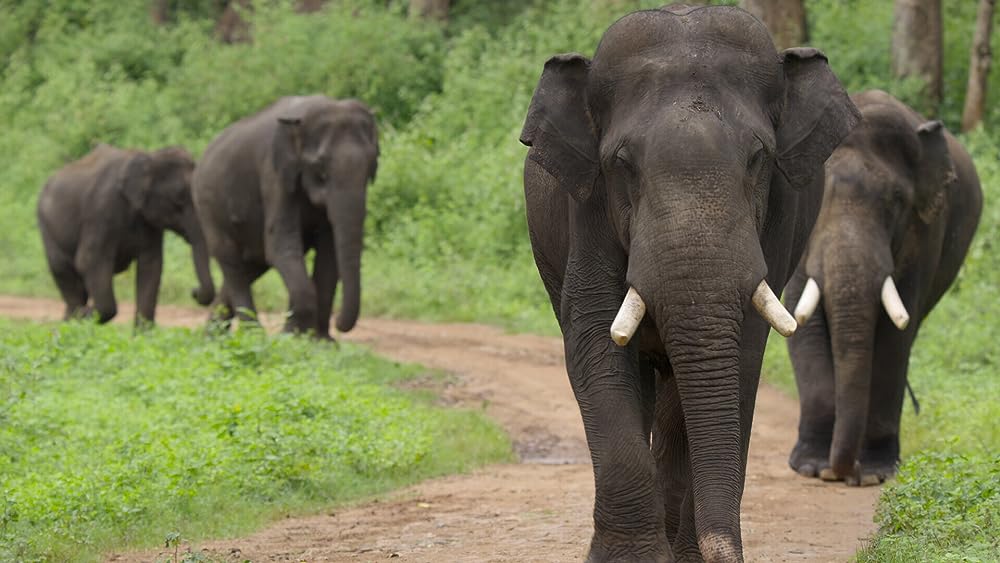
Cameras follow desert elephants seeking sustenance, bison roaming North American grasslands and caterpillars living the good life underground.
2019 • Nature
Venture into the deep, dark and desolate oceans that are home to an abundance of beautiful -- and downright strange -- creatures.
2019 • Nature
The need for fresh water is as strong as ever. However, the supply is becoming increasingly unpredictable for all manner of species.
2019 • Nature
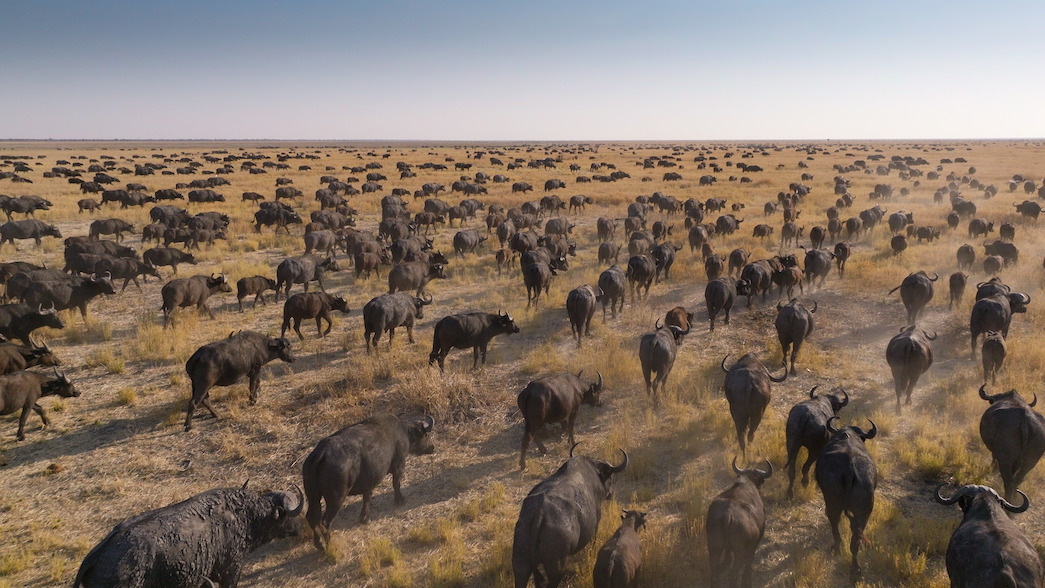
Be it buffalo, polar bears, humpback whales or albatross chicks, migration is a vital survival strategy for animals to feed, reproduce and find homes.
2023 • Nature
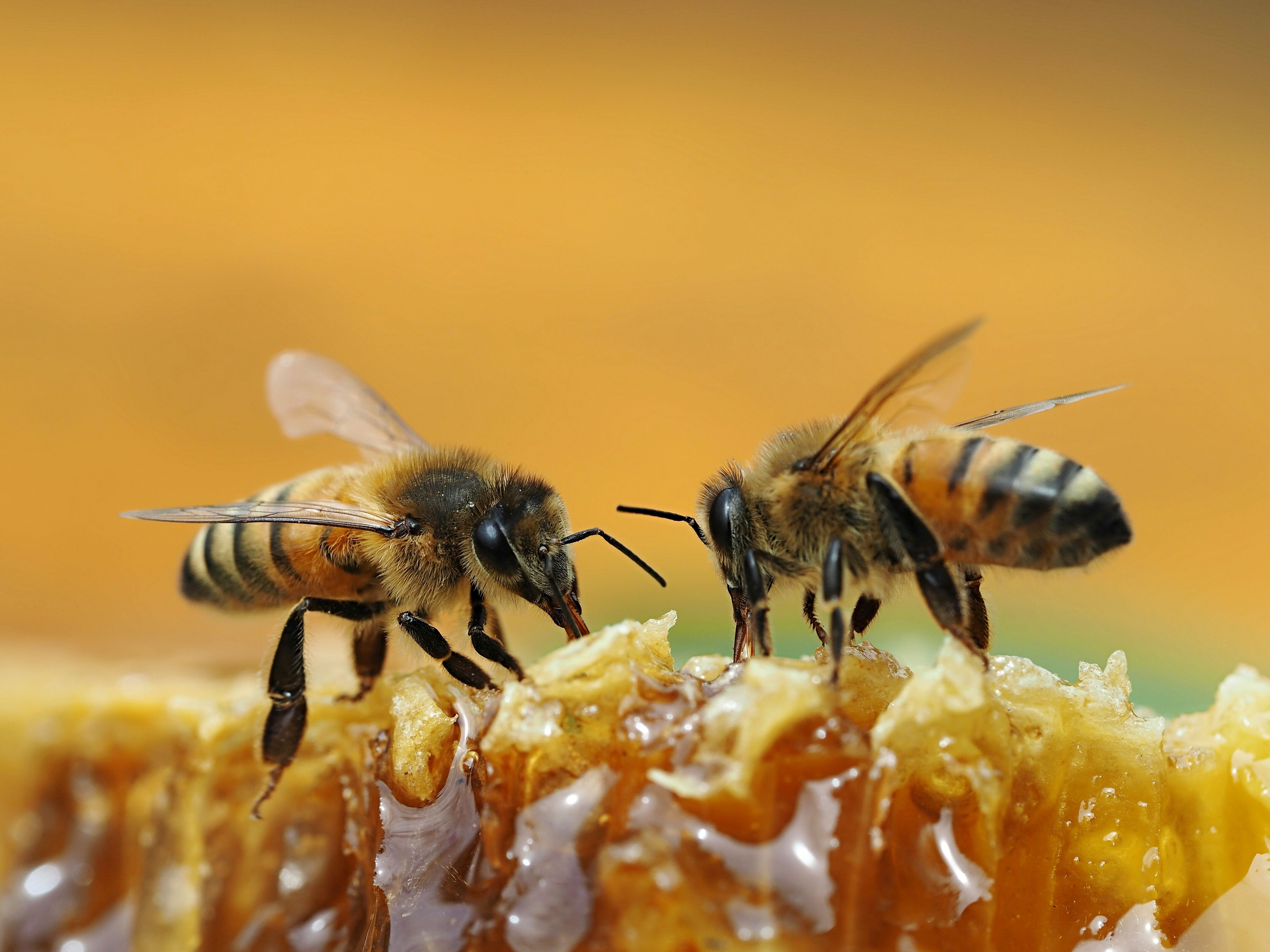
As summer spreads across our solar-powered planet, honey bees toil, snow geese breed, tadpoles awaken and lions stalk wildebeest in search of lush grass.
2023 • Nature
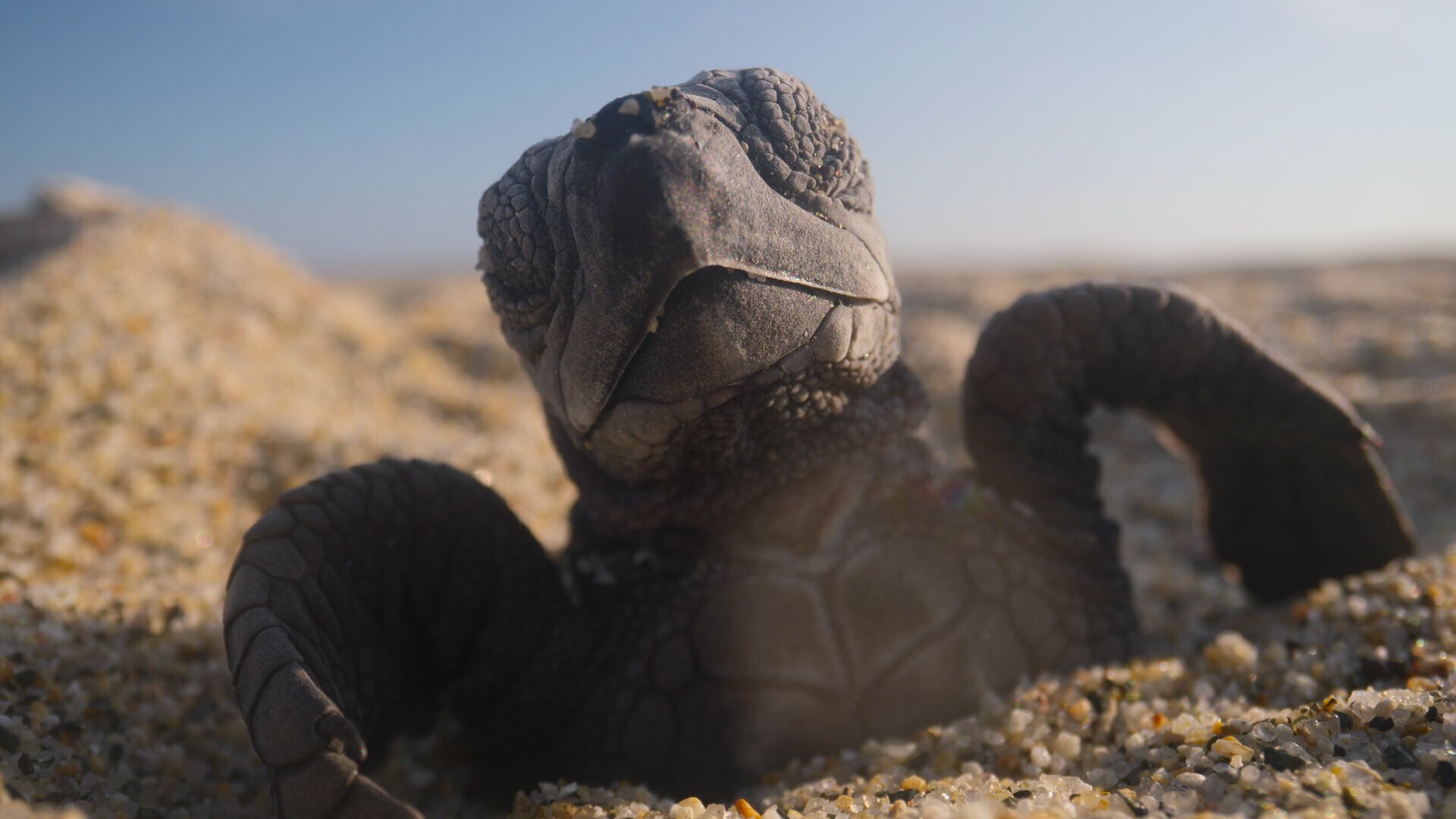
Left to fend for themselves until they find their footing, baby sea turtles, elephant seal pups, pumas and crabs bravely trek towards adolescence.
2023 • Nature
As snow geese, antelope, army ants and gray whales dodge predators and pollution, get a closer look at how the modern world impacts animal migration.
2023 • Nature
One of the world’s happiest, yet most vulnerable marsupials, the Quokka thrives only on Rottnest Island. In almost plague proportions over ten thousand of the strange relic wallabies live here. How do they survive here in such inhospitable conditions and nowhere else?
S1E1 • Rottnest Island: Kingdom of the Quokka • 2018 • Nature
Elephant seals are the first animals to return to the beaches of the subantarctic islands in spring, forming large breeding colonies, where the males fight fierce battles to gain and retain permanent access to a large number of females. They mate with the females as soon as they are receptive again. Millions of Macaroni Penguins form huge colonies on the islands to breed.
S1E2 • Life in the Freezer • 2003 • Nature
North Atlantic bowhead whales have the largest mouths of any living creature and can live up to 200 years. In fact, some still carry harpoon fragments from a century ago. Join two intrepid Inuit tribesmen as they venture into the harsh Arctic region known as Ninginganiq to witness a gathering of these mysterious and awe-inspiring giants.
S1E5 • Arctic Secrets • 2015 • Nature
In Namibia, Gordon joins a cheetah conservationist who wants to see if three orphaned cheetahs, which she has raised from a day old, can learn to hunt effectively in the thick vegetation. The on-board cameras, the first to ever be worn by cheetahs hunting in Africa, In Australia, the team puts cameras on fur seals to try to see how they hunt their prey and avoid attacks by great white sharks. In South Africa, we deploy the first ever cameras on wild baboons in an effort to understand why these clever monkeys sometimes raid farmers' crops.
S1E2 • Animals with Cameras • 2018 • Nature
As almost all animal inhabitants of Antarctica are forced to migrate north, the sea underneath the frozen ice still provides a home to many specially adapted fish whose cells are protected from freezing through an "antifreeze" liquid. Many of them feed on the faeces of other animals. The most notable larger animal that does not migrate north is perhaps the Weddell Seal, which can be found as close as 1300 kilometres to the pole. Groups of seals tear holes into the ice to dive for food and come up to breathe. The females come back to the ice to give birth.
S1E5 • Life in the Freezer • 2003 • Nature
Predators hunt on the dynamic border between land and sea, where chances are brief.