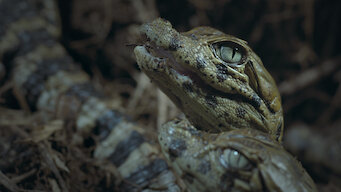
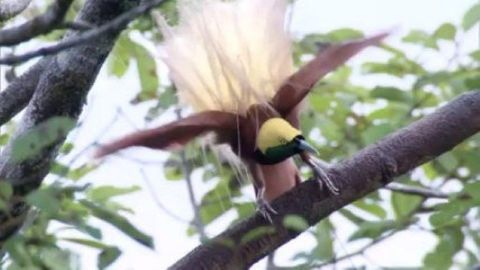
Reveals how baby animals, even before birth, use sound to call for help, find food, and make themselves heard for survival.
Hope you're finding these documentaries fascinating and eye-opening. It's just me, working hard behind the scenes to bring you this enriching content.
Running and maintaining a website like this takes time and resources. That's why I'm reaching out to you. If you appreciate what I do and would like to support my efforts, would you consider "buying me a coffee"?
BTC: bc1q8ldskxh4x9qnddhcrgcun8rtvddeldm2a07r2v
ETH: 0x5CCAAA1afc5c5D814129d99277dDb5A979672116
With your donation through , you can show your appreciation and help me keep this project going. Every contribution, no matter how small, makes a significant impact. It goes directly towards covering server costs.
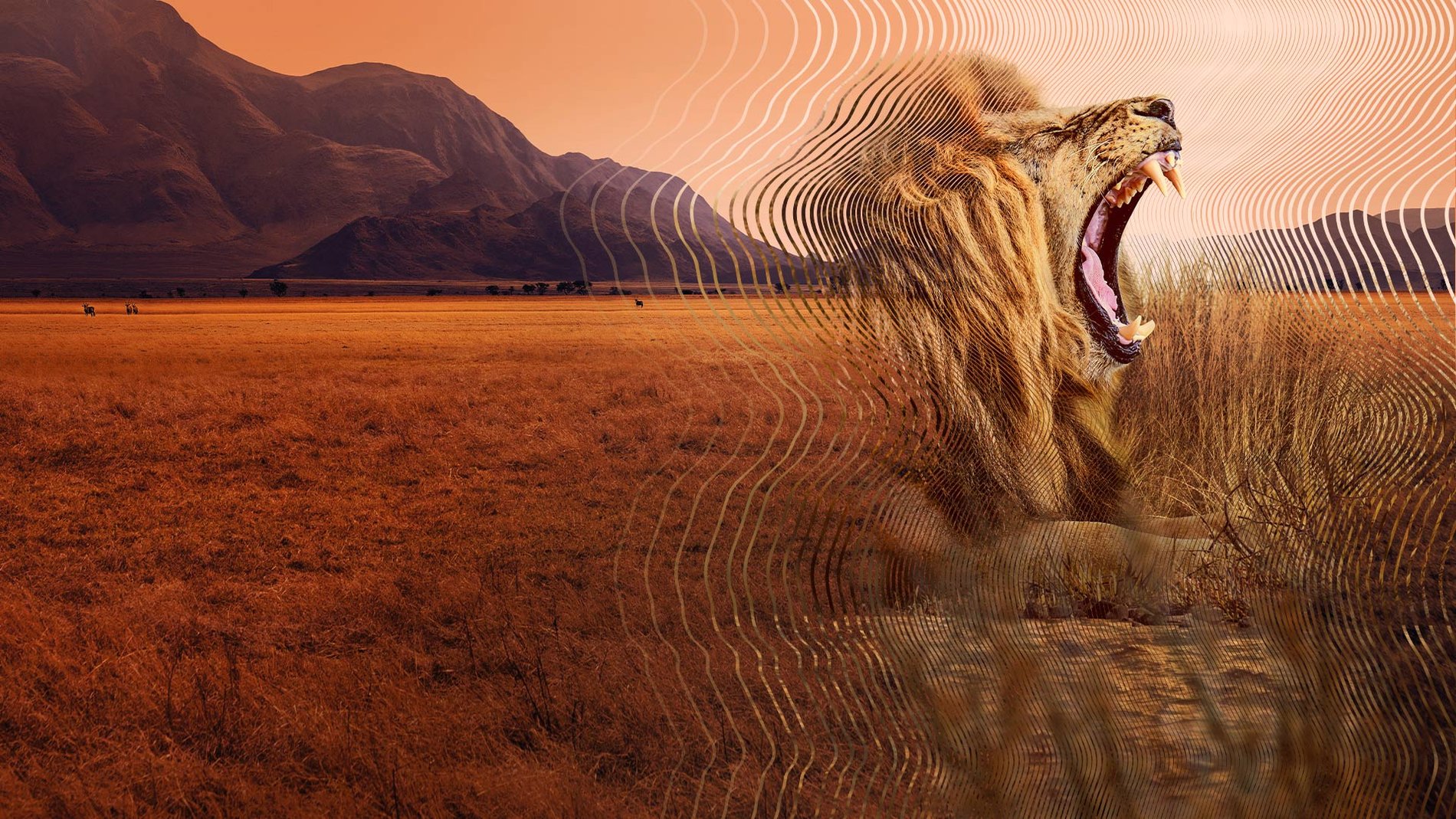
Explores how animals use sound in the struggle between predator and prey. We see examples like great grey owls detecting voles under snow, kangaroo rats sensing rattlesnakes via sound, and other species using vibration or stealthy audio cues to survive.
2024 • Nature
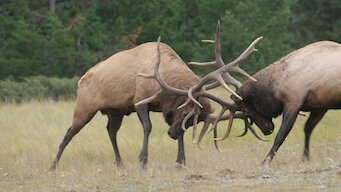
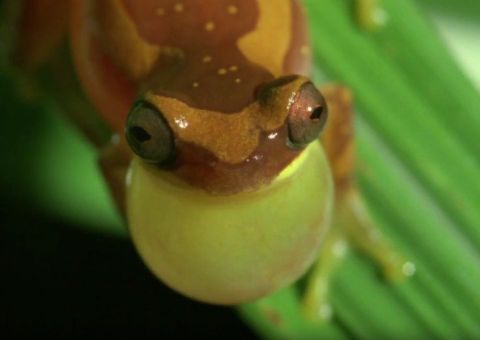
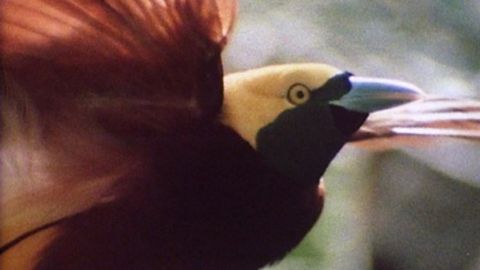
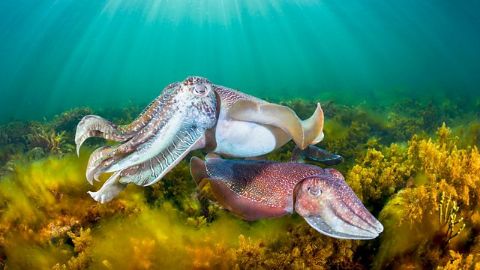
Explores how sound is used in attraction and competition — from mating calls and bird songs to mimicry and rivalries.
2024 • Nature
Reveals how baby animals, even before birth, use sound to call for help, find food, and make themselves heard for survival.
2024 • Nature
From the love songs of fish to the flashes of millions of tiny beetles, Sir David Attenborough examines methods of communication used by animals.
10/12 • Trials of Life • 1990 • Nature
This programme focuses on birds. The feather is key to everything that is crucial about a bird: it is both its aerofoil and its insulator. The earliest feathers were found on a fossilised Archaeopteryx skeleton in Bavaria. However, it had claws on its wings and there is only one species alive today that does so: the hoatzin, whose chicks possess them for about a week or so. Nevertheless, it serves to illustrate the probable movement of its ancestor. It may have taken to the trees to avoid predators, and over time, its bony, reptilian tail was replaced by feathers and its heavy jaw evolved into a keratin beak.
8/13 • Life on Earth • 1979 • Nature
"Planet Earth" travels around the Earth, finding where the sun always shines and where it's rarely seen. Next, they find where water is abundant and where it's scarce.
1/11 • Planet Earth • 2006 • Nature
A journey to the source of the Ganges in the Himalayas unearths deep gorges, lush forests and flower-filled valleys, and brings encounters with wildlife, elusive snow leopards and black bears, to bone-crunching vultures and the monkeys that may lie behind the legend of the yeti. Plus a look at the journeys made by Hindu pilgrims to worship at the four sacred sources of the river.
Chris Packham reveals that deceit is rife in the natural world – from cunning masters of disguise and sneaky thieves, to kidnapping otters and even femme fatale fireflies.
S1E5 • Chris Packham's Animal Einsteins • 2021 • Nature
Explore a corner of Namibia dominated by stifling heat and parched sand, where a desolate landscape of haunting beauty lies. While most of Etosha National Park is devoid of growth, its margins are dotted with a series of oases that attract herds of thirsty creatures: antelopes, exotic birds, and the world's biggest elephants.
S1E5 • Extreme Africa • 2017 • Nature