Hunters and Hunted • 2024 • episode "S1E1" Secret World of Sound with David Attenborough

Category: Nature | Subtitle:

Explores how animals use sound in the struggle between predator and prey. We see examples like great grey owls detecting voles under snow, kangaroo rats sensing rattlesnakes via sound, and other species using vibration or stealthy audio cues to survive.

Make a donation

Buy a brother a hot coffee? Or a cold beer?

Hope you're finding these documentaries fascinating and eye-opening. It's just me, working hard behind the scenes to bring you this enriching content.

Running and maintaining a website like this takes time and resources. That's why I'm reaching out to you. If you appreciate what I do and would like to support my efforts, would you consider "buying me a coffee"?

Donation addresses

Buy Me a Coffee at ko-fi.com

patreon.com

BTC: bc1q8ldskxh4x9qnddhcrgcun8rtvddeldm2a07r2v

ETH: 0x5CCAAA1afc5c5D814129d99277dDb5A979672116

With your donation through , you can show your appreciation and help me keep this project going. Every contribution, no matter how small, makes a significant impact. It goes directly towards covering server costs.
Secret World of Sound with David Attenborough • 2024 • 3 episodes •

Hunters and Hunted

Explores how animals use sound in the struggle between predator and prey. We see examples like great grey owls detecting voles under snow, kangaroo rats sensing rattlesnakes via sound, and other species using vibration or stealthy audio cues to survive.

2024 • Nature

Love and Rivals

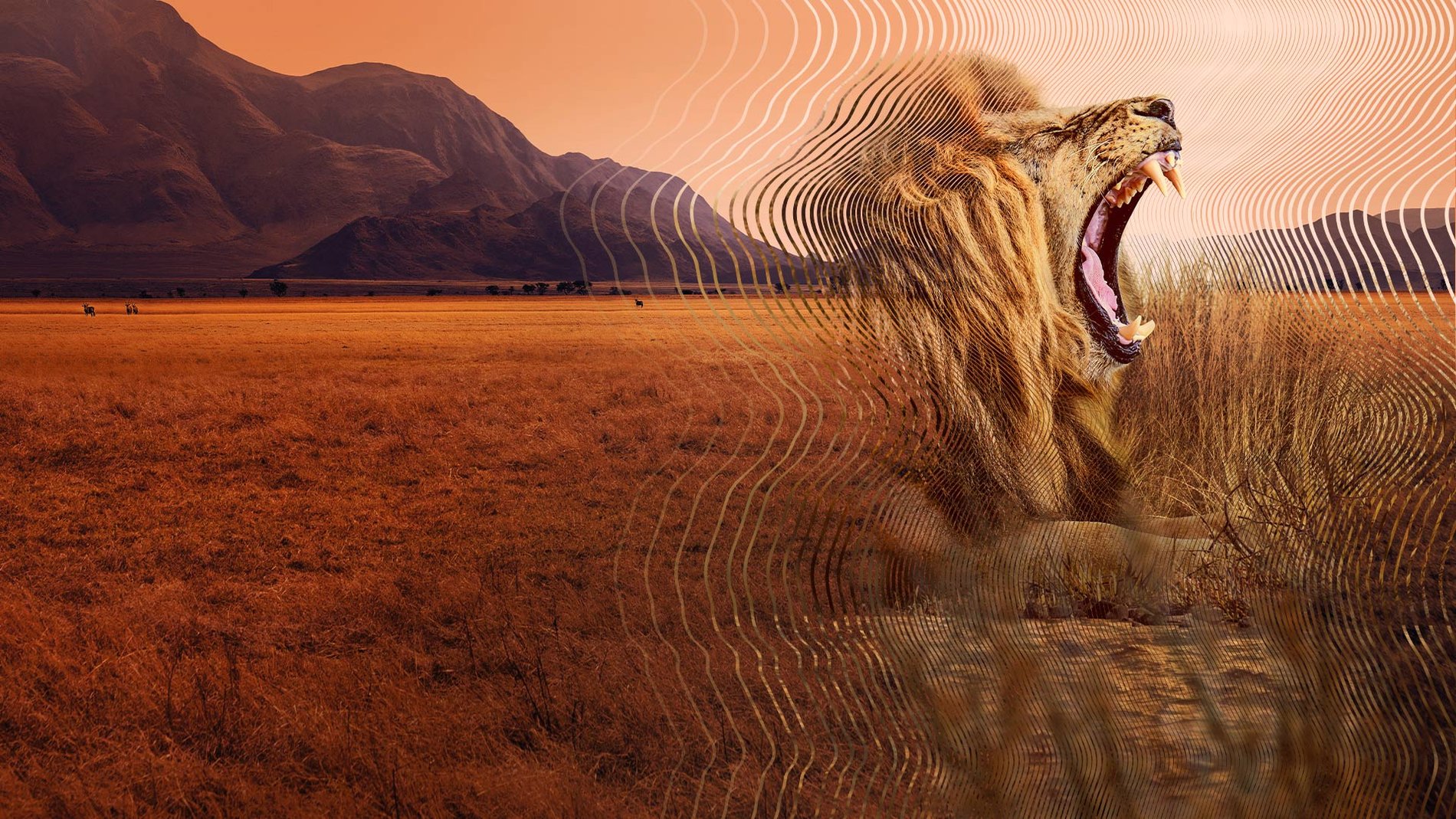
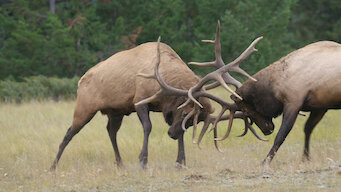
Explores how sound is used in attraction and competition — from mating calls and bird songs to mimicry and rivalries.

2024 • Nature

Finding a Voice

Reveals how baby animals, even before birth, use sound to call for help, find food, and make themselves heard for survival.

2024 • Nature

You might also like

The Arctic vs. the Antarctic

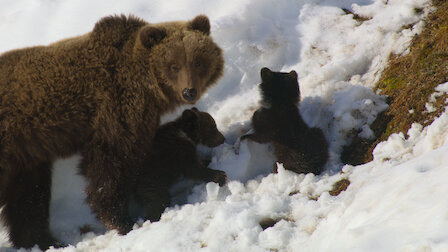
How can you tell the two poles apart? Where are the penguins? What about the bears? The Arctic pole is located in the Northern Hemisphere within the deep Arctic Ocean, while the Antarctic pole is smack in the middle of the ice-covered Antarctica. Camille Seaman describes how enterprising people and organisms have found ways to reside around both poles despite the frigid temperatures.

TED-Ed • 2013 • Nature

Giraffes: Africa's Gentle Giants

Everyone loves giraffes, but what do we really know about them? Dr Julian Fennessy starts to reveal their secrets - the most important being that they are disappearing. In an urgent and daring mission, with a determined Ugandan team, he plans to round up 20 of the world's rarest giraffe to take across and beyond the mighty Nile River. The stakes are high, but if they succeed the reward will be a brighter future for an animal we have somehow overlooked.

Natural World • 2016 • Nature

Great Dying

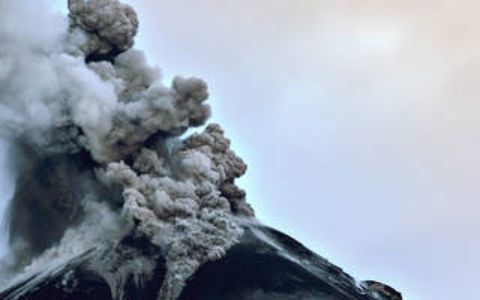
540 million years ago, the ancestors of modern complex organisms suddenly emerge in the Cambrian seas. Evolution progresses and even manages to make the leap onto land. But 250 million years ago, massive volcanic eruptions trigger the most severe mass extinctions in Earth’s history.

S1E3Fateful Planet • 2024 • Nature

Part III

As the expedition team near the end of their journey across Micronesia, it's a race against time for the extreme deep divers as they continue their search for new species. As Kate Humble explores the Rock Islands of Palau, Mike DeGruy embarks on a unique training programme. The Newtsuit is an incredible feat of submarine engineering - a bright yellow one-man submersible that Mike has to master before he can venture even deeper into the Pacific abyss.

S1E3Pacific Abyss • 2008 • Nature

Living With Us

In this fourth episode, Iolo Williams explores how birds in Wales have adapted to living alongside us, making use of our buildings, parks and gardens and even the waste we throw away. One of the most notorious urban birds is the gull and Iolo explains why these very adaptable and intelligent birds are doing so well in Cardiff

S1E4Secret Life of Birds • 2012 • Nature

Evolution

No two islands in the Galapagos are the same. The imperceptible drift of a continental plate keeps each island biologically isolated. David Attenborough explores this evolutionary crucible, encountering tortoises that weigh up to half a tonne, finches that use tools and lizards that communicate using press-ups; for Darwin, this was all evidence for his theory of evolution. We see the final footage of the world famous tortoise fondly known as Lonesome George, the last survivor of his species. David Attenborough was the last person to have ever filmed with him. Darwin’s famous visit had a downside – the arrival of man. David investigates the impact we’ve had in these islands, as our influence is a double-edged sword. We’ve disrupted the natural balance but he also believes Darwin would be thrilled with the advances we have made in science. We’re also now uncovering evidence that evolution is more rapid than Darwin could ever have imagined. Whatever wonders the Galapagos Islands hold today, they are only a hint of what awaits them in the future.

S1E3Galapagos with David Attenborough • 2010 • Nature