Forests • 2012 • episode "Part 3" • Wild Germany

Category: Nature

Shrouded in myth and legend, the forests of Germany are world famous, thanks to the fairy tales of the Brothers Grimm. This episode reveals the strange creatures that actually live there.

Make a donation

Buy a brother a hot coffee? Or a cold beer?

Hope you're finding these documentaries fascinating and eye-opening. It's just me, working hard behind the scenes to bring you this enriching content.

Running and maintaining a website like this takes time and resources. That's why I'm reaching out to you. If you appreciate what I do and would like to support my efforts, would you consider "buying me a coffee"?

Donation addresses

Buy Me a Coffee at ko-fi.com

patreon.com

BTC: bc1q8ldskxh4x9qnddhcrgcun8rtvddeldm2a07r2v

ETH: 0x5CCAAA1afc5c5D814129d99277dDb5A979672116

With your donation through , you can show your appreciation and help me keep this project going. Every contribution, no matter how small, makes a significant impact. It goes directly towards covering server costs.
Wild Germany • 2012 • 4 episodes •

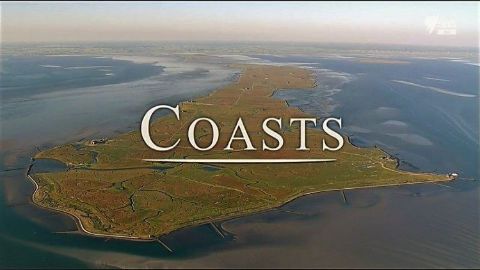
Coasts

This episode takes a bird’s eye view of Germany’s coasts, the North and Baltic, coastlines and islands in astonishing, brilliant pictures.

2012 • Nature

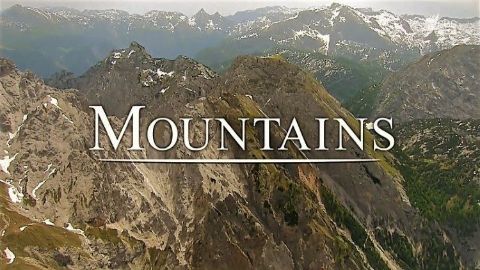
Mountains

This episode shows unique insights into Germany’s mountain world, traveling from Saxonian Switzerland to the Palatinate Forest, from the Harz to the Alps.

2012 • Nature

Forests

Shrouded in myth and legend, the forests of Germany are world famous, thanks to the fairy tales of the Brothers Grimm. This episode reveals the strange creatures that actually live there.

2012 • Nature

Rivers & Lakes

This final episode takes the viewer on a journey through the water world of Germany. In winter, the few ice-free surfaces are popular with waterfowl.

2012 • Nature

You might also like

Land of Extremes

The American Dipper can plunge its head into freezing Arctic water up to 60 times a minute. In the summer, ferocious mosquitoes can draw up to a pint of blood a day from caribou. Take a fascinating look into the Arctic seasons and the impact that rising sea levels have on local wildlife, and, ultimately, our own world.

S1E1 • Arctic Secrets • 2015 • Nature

Return of the Titans

Embark on a journey to Spain and Portugal, In Europe’s Carpathian Mountains, the introduction of Bison is helping numerous other species to thrive, while just beyond this mountainous region, Gray Wolves are staging an astonishing return.

S1E2 • Europe's New Wild • 2021 • Nature

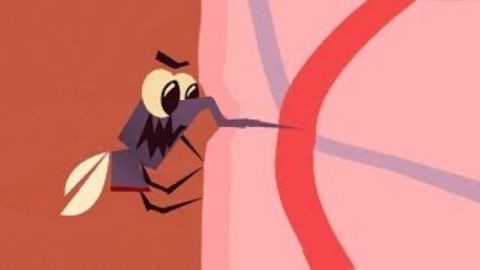
The loathsome, lethal mosquito

Everyone hates mosquitos. So shouldn't we just get rid of them?

TED-Ed • Nature

The Ice Retreats

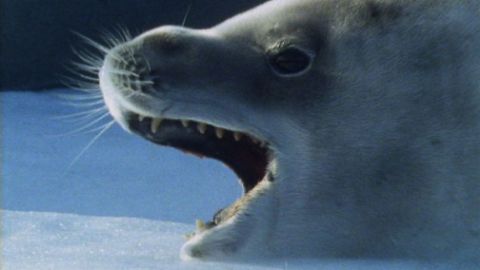
Elephant seals are the first animals to return to the beaches of the subantarctic islands in spring, forming large breeding colonies, where the males fight fierce battles to gain and retain permanent access to a large number of females. They mate with the females as soon as they are receptive again. Millions of Macaroni Penguins form huge colonies on the islands to breed.

S1E2 • Life in the Freezer • 2003 • Nature

Insect Worlds

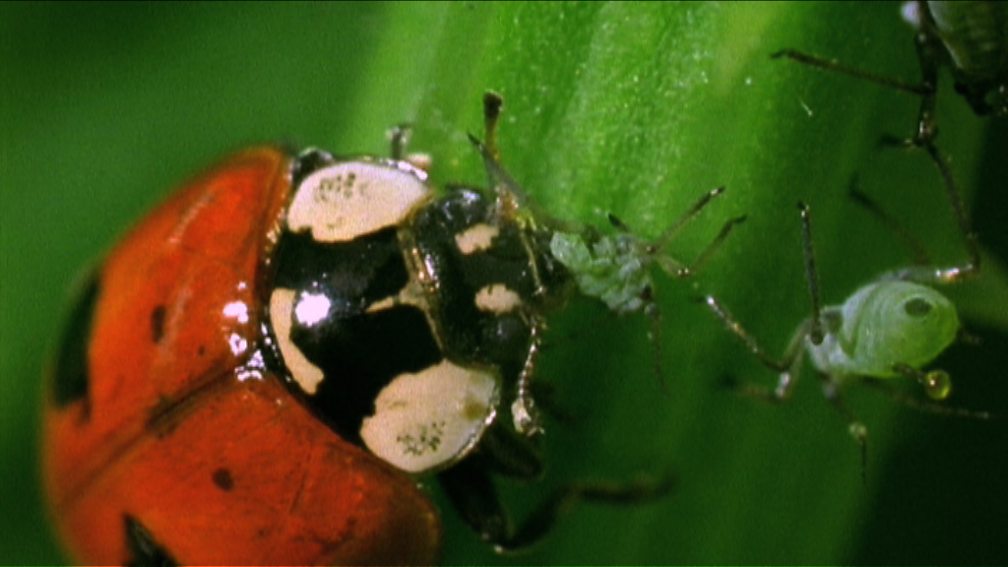
[3 parts] Steve Backshall explores the world of insects and their close relatives, the arachnids and crustaceans, in order to find out more about their habits and secrets. Ch1. Them and Us Steve Backshall explores the connections and relationships humans have with insects and their close relatives, the arachnids and crustaceans. He begins by revealing how huge armies of driver ants give houses a five-star clean-up in Kenya, while in China, silkworm caterpillars are credited with shaping culture and distribution. He also explains that, despite people's perceptions of these creepy-crawlies, mankind could not live without them. Ch2. Making Worlds Steve Backshall explores the influence that insects and their close relatives, the arachnids and crustaceans, have on the planet's many ecosystems. He reveals how the landscape of South America's grasslands has been created almost solely by one team of bugs - grass-cutter ants - while in east Africa, the savannah would quickly become swamped in dung were it not for the activities of a particular beetle. He also contemplates the idea that without one tiny creature, the blue whale could not exist. Ch3. The Secrets to Their Success Steve Backshall explores why an estimated 10 million species of insects are so abundant, and examines the secrets of their success. In Yellowstone National Park, he reveals how teamwork enables a colony of bees to scare off a hungry bear, and he travels to the Swiss Alps to highlight the relationship between ants, wasps and butterflies.

2013 • Nature

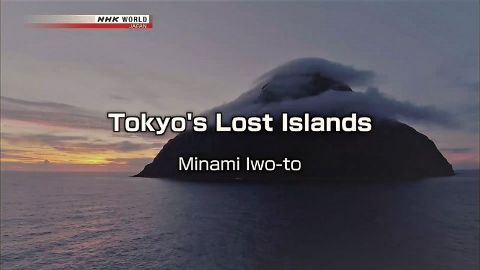
Tokyo's Lost Islands: Minami Iwo-to

In Tokyo, there are unapproachable "lost islands" with unspoiled environs and rich wildlife. Minami Iwo-to, part of the Ogasawara island chain, is about 1,300km from the Japanese capital. Normally, entry is banned to protect the environment. An exception was made in 2017 for the first comprehensive scientific survey in 10 years. The island compresses multiple climate zones into a small area, offering researchers a rare opportunity to view evolution in action. Braving an arduous climb and a swarm of seabirds, the team discovers one new species after another.

2019 • Nature