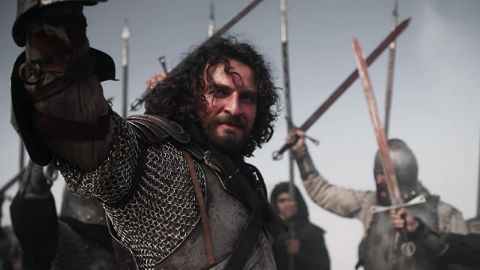
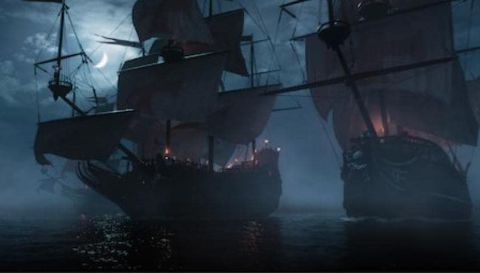
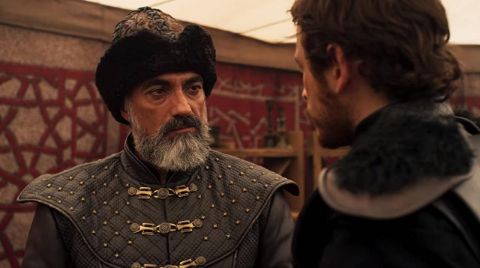
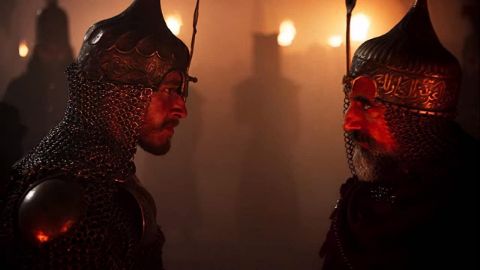
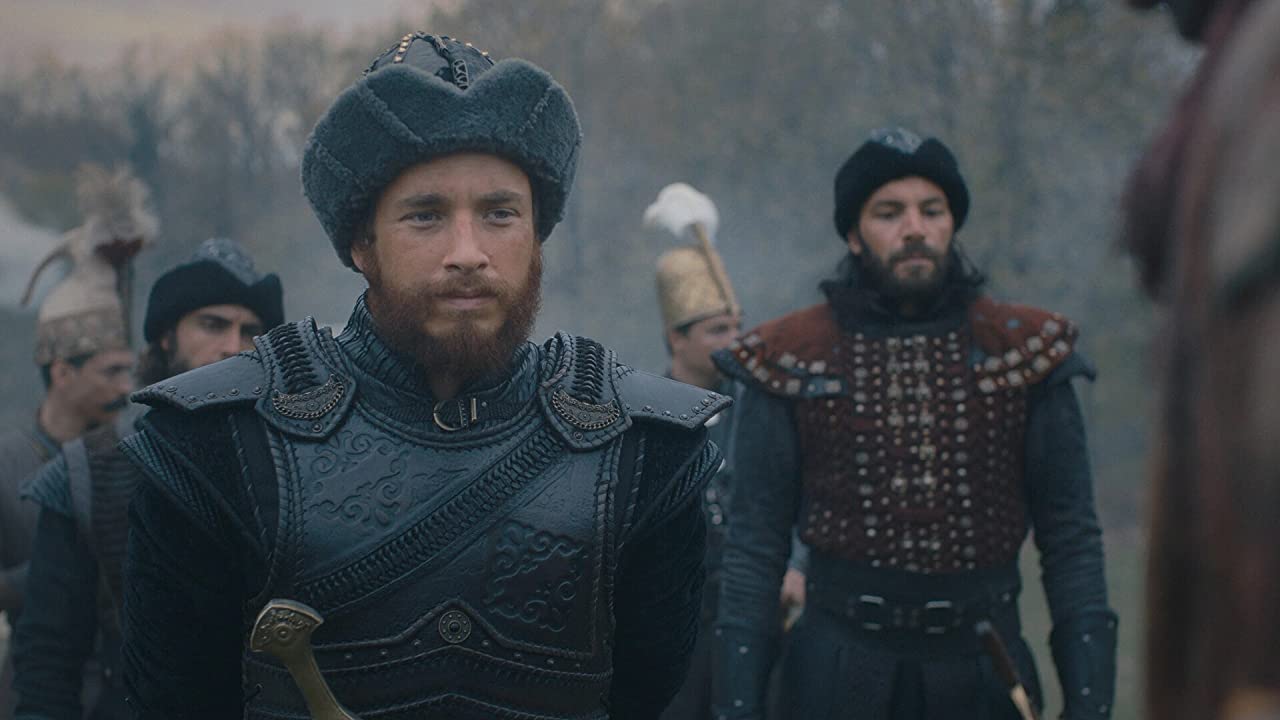
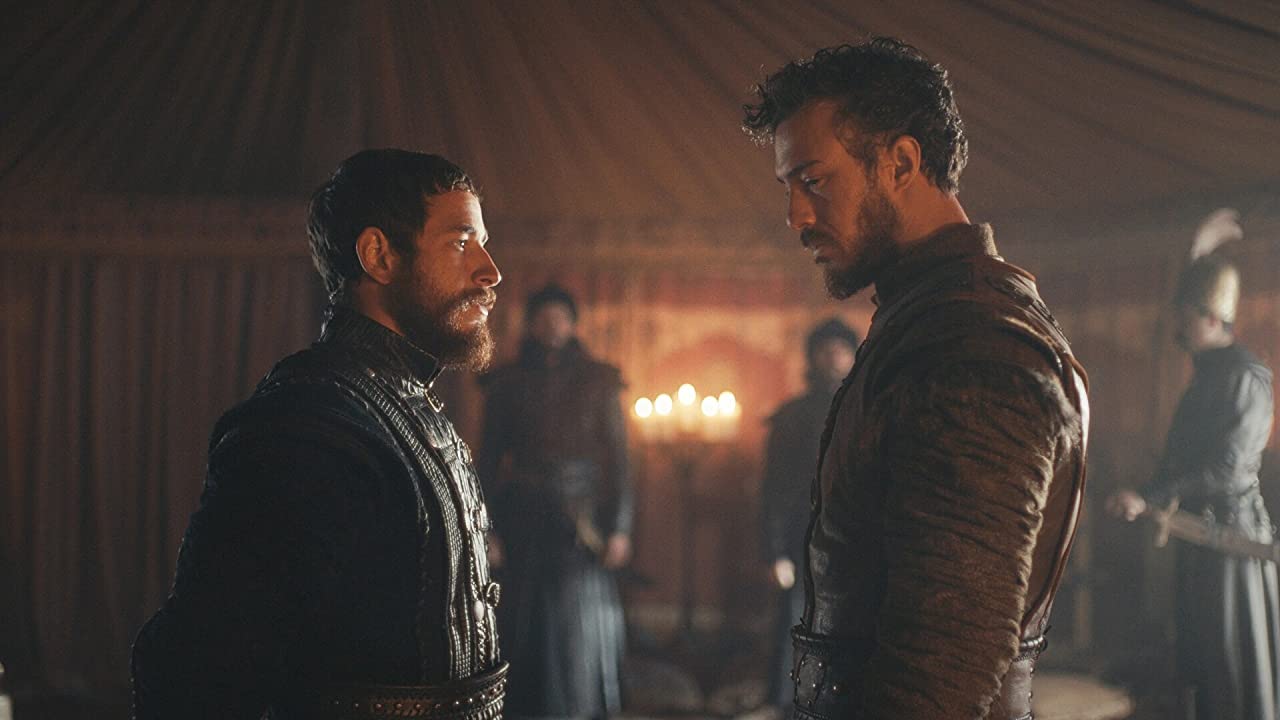
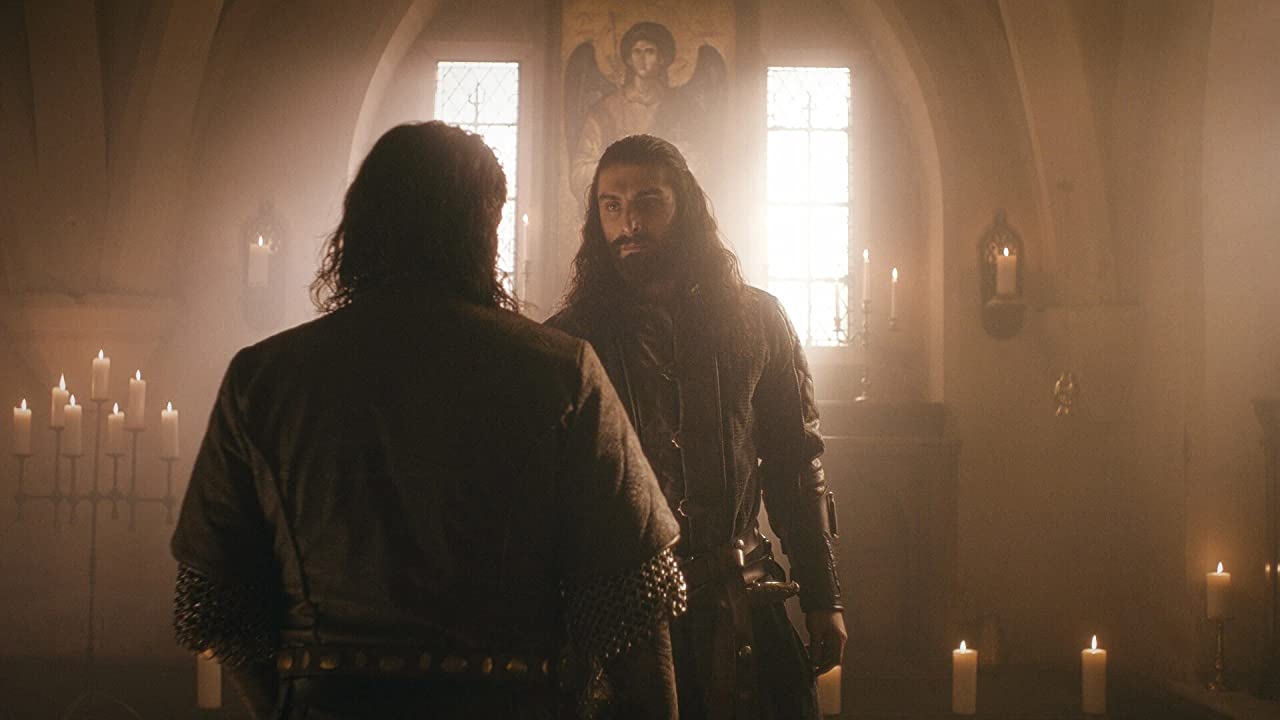
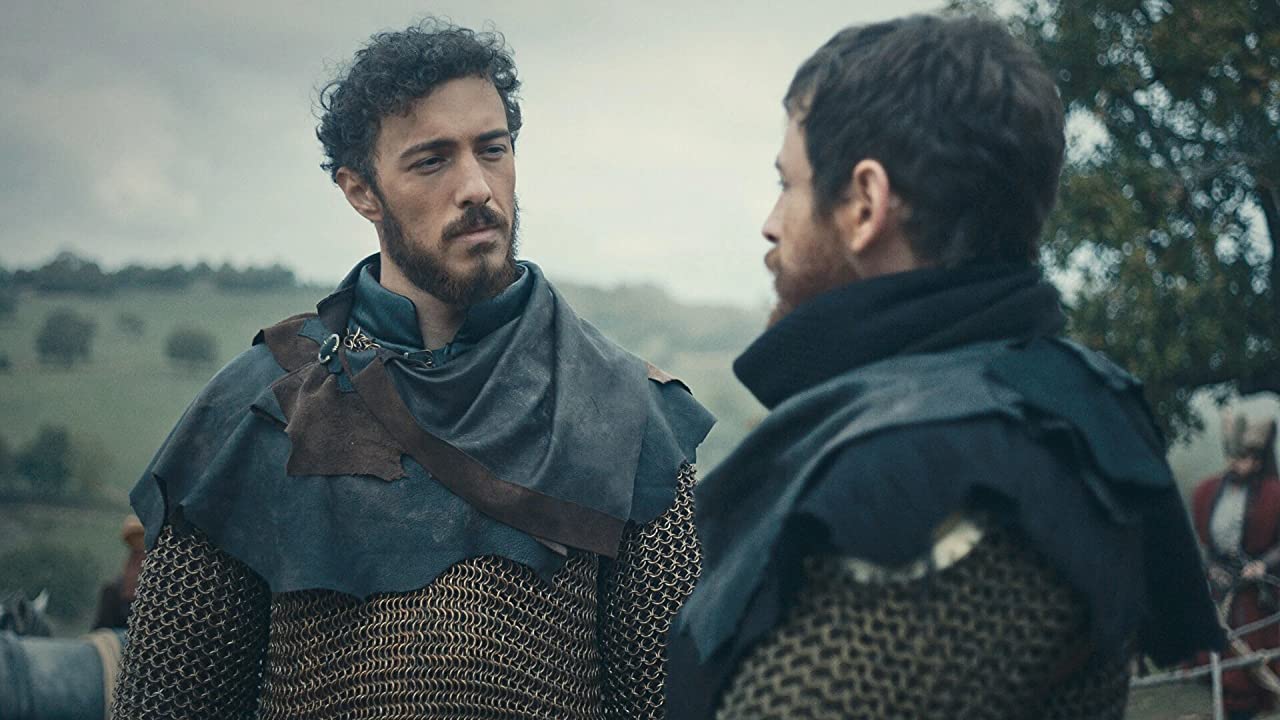
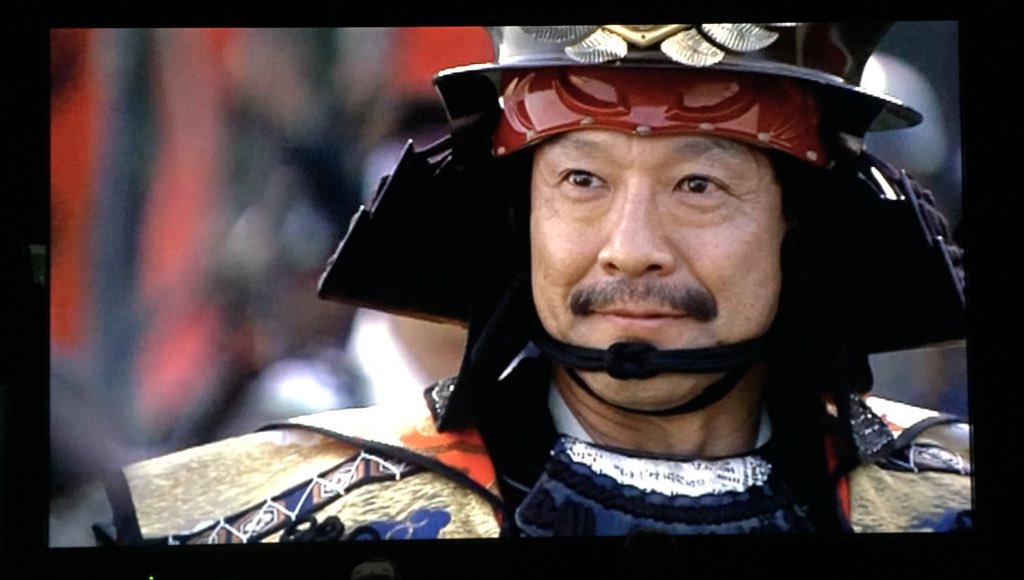
Mehmed's troops advance into Wallachia, and Vlad employs guerrilla tactics to weaken his rival. A threat lurks in the imperial palace.
Hope you're finding these documentaries fascinating and eye-opening. It's just me, working hard behind the scenes to bring you this enriching content.
Running and maintaining a website like this takes time and resources. That's why I'm reaching out to you. If you appreciate what I do and would like to support my efforts, would you consider "buying me a coffee"?
BTC: bc1q8ldskxh4x9qnddhcrgcun8rtvddeldm2a07r2v
ETH: 0x5CCAAA1afc5c5D814129d99277dDb5A979672116
With your donation through , you can show your appreciation and help me keep this project going. Every contribution, no matter how small, makes a significant impact. It goes directly towards covering server costs.
After claiming the Ottoman throne, Mehmed II sends an unmistakable signal to Byzantine emperor Constantine XI. Enter Genoese mercenaries.
2020 • History
Mehmed launches an ambitious siege to break through the walls of Constantinople, but Giustiniani's mercenaries manage to forestall the Janissaries.
2020 • History
Mehmed's men dig underground tunnels in an attempt to shatter city walls. The tides turn against the Ottomans when a naval blockade founders.
2020 • History
Mehmed moves his ships overland to the Golden Horn in a daring, visionary feat. In the shadow of betrayal, Giustiniani attacks the Ottoman fleet.
2020 • History
Amid a spiral of brutality and low morale, Mehmed makes Giustiniani an enticing offer. The grand vizier urges Mehmed to seek a truce with his rival.
2020 • History
Ottoman cannons reduce the city walls to rubble, and Venetian reinforcements arrive too late. Mehmed ushers in a new era for the Ottoman Empire.
2020 • History
Mehmed the Conquerer must defend his empire and protect his plans for western expansion against a new challenger...Vlad the Impaler of Wallachia.
2022 • History
Mehmed sends Maria to coax Hungarian King Matthias Corvinus into an alliance. An epic battle along the Danube River looms, and Vlad has the upper hand.
2022 • History
Mehmed's troops advance into Wallachia, and Vlad employs guerrilla tactics to weaken his rival. A threat lurks in the imperial palace.
2022 • History
As the war drags on and resources dwindle, Vlad wages biological warfare on Mehmed's army. Radu closes in on Vlad's castle to take Anastasia hostage.
2022 • History
Mehmed prepares to strike a fatal blow to Vlad's army. A spy is found in Mehmed's camp. Vlad launches a nighttime attack, but a surprise awaits.
2022 • History
An ancient murder mystery plays out like an episode of C.S.I. When human bones are found hidden under the floor of an old army barracks, a homicide detective is called in to examine the evidence. Preliminary observations indicate the victim may have been bound and killed with blunt force trauma to the skull. The culprit must be found and brought to justice. But there is one key problem: The victim died nearly 1,800 years ago. British investigators discover bones hidden under the floor of an old army barracks near the Scotland border. Solving the mystery of who murdered a 10-year old child in 213 AD, Murder in the Roman Empire delves into the life of an ancient Roman garrison using forensics, archaeology, and criminal investigation. Could an individual soldier have taken advantage of deserted barracks to hide his crime? Or was there collusion among a group of soldiers?
2011 • History
The little-known story of the American effort to relieve starvation in the new Soviet Russia in 1921, The Great Famine is a documentary about the worst natural disaster in Europe since the Black Plague in the Middle Ages. Five million Russians died. Half a world away, Americans responded with a massive two-year relief campaign, championed by Herbert Hoover, director of the American Relief Administration known as the ARA. In July of 1921, Herbert Hoover, received a plea for international aid by Russian novelist Maxim Gorky. "Gloomy days have come for the country of Tolstoy, Dostoyevsky, Mendeleyev," Gorky warned. He made a similar request to other Western nations, but it was Hoover who responded immediately with a promise of support. The first American relief ships arrived in Petrograd in September 1921, as the embers of the 1917 Russian revolution still smoldered. American relief workers were among the first outsiders to break through Russia's isolation and to witness and record the impact of the Bolshevik Revolution. They would be tested by a railroad system in disarray, a forbidding climate, a ruthless government suspicious of their motives, and the enormous scale of death and starvation. The initial plan called for feeding one million children by delivering bread, rice, grits, sugar, corn and milk to the most hard hit regions. Almost immediately, Hoover encountered formidable obstacles. Vladimir Lenin's new communist government was skeptical of American aid and sabotaged the relief effort by planting spies in local American Relief Administration offices. When trains stuck on the tracks prevented food from being transported, Russian officials were uncooperative, resulting in delays that contributed to an estimated 50,000 deaths. New estimates in the fall of 1921 revealed that at least 16 million Russians would be impacted by the famine. Hoover's initial plan to feed just the children would not be sufficient. That winter, cannibalism became widespread across Russia as the people continued to starve. In the U.S., Hoover managed to double the project's funding, arguing that by providing food famine relief, Americans could demonstrate the strength, kindness and efficiency of American society to a Communist culture. After a spring thaw, hundreds of American relief workers — nicknamed "Hoover's boys" — were finally able to deliver food. In August 1922, a full five months after the initial shipments of corn were sent to Russia, American Relief Administration officials were still feeding almost 11 million Soviet citizens each day in 19,000 kitchens. By the end of the famine that fall, five million Russians had starved to death, but the toll would have been significantly higher without Hoover's unprecedented humanitarian commitment. Known as "the Great Humanitarian" for his relief work during and after World War I, Hoover is said to have saved more lives than any person in history. "Lenin's government never recognized America's humanitarian motives," says producer Austin Hoyt (George H. W. Bush, Victory in the Pacific, Reagan). The Soviets always saw the relief workers as exploiters and spies." The Cheka, Lenin's secret police, kept a watchful eye on the Americans and especially on the 120,000 Russians the ARA hired to do the work. White Russians and aristocrats, the losers in Russia's brutal civil war, were hired because they were educated. The Bolsheviks feared the ARA was training them as counter-revolutionaries. The tensions the Americans experienced in the early 1920s would come to dominate U.S. Soviet relations for much of the century.
2011 • History
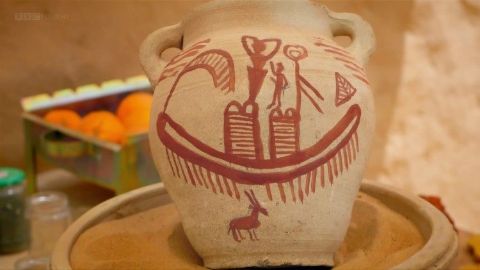
The Bronze Age had the first large urban centers, powerful kingdoms and armies, writing, and trade routes across vast areas. What led to the collapse of the city-state entities and the end of the Bronze Age? Possibly a perfect storm of uncontrollable factors that are still being researched.
S1E3 • Bronze Age • 2016 • History
In 73 BC, Spartacus broke out of gladiator school and started the most terrifying slave revolt in Rome's history. Visiting Pompeii, southern Italy and the British Museum, Bettany explores the importance and appalling reality of slavery in ancient Rome and how the revolt played a major role in shaping Rome's political future. She also reveals that not all of Spartacus's followers were slaves.
S1E2 • Eight Days That Made Rome • 2017 • History
Free speech? Right to assembly? Rebel-turned-dictator Muammar Gaddafi realized that civil liberties had to go when reshaping society. But he got soft.
S1E5 • How to Become a Tyrant • 2021 • History