Drama-documentary telling how Napoleon Bonaparte rose from being a penniless French soldier to create an empire, beginning at the siege of Toulon in 1793 where France's leaders first recognised his tactical genius, immense bravery and boundless ambition as he defeated the English. France, late 18th century: In the turmoil of the French Revolution, a Corsican refugee, Napoleon Bonaparte, comes to France. He embarks on a military career and increasingly gains the trust of older commanders. With the successful conquest of Toulon in December 1793, Napoleon laid the foundation for his career, which would eventually make him an important European general. Shot in authentic locations using a script based on documents from the time, including Napoleon's own letters, the film has been written with the advice of modern historians.
Hope you're finding these documentaries fascinating and eye-opening. It's just me, working hard behind the scenes to bring you this enriching content.
Running and maintaining a website like this takes time and resources. That's why I'm reaching out to you. If you appreciate what I do and would like to support my efforts, would you consider "buying me a coffee"?
BTC: bc1q8ldskxh4x9qnddhcrgcun8rtvddeldm2a07r2v
ETH: 0x5CCAAA1afc5c5D814129d99277dDb5A979672116
With your donation through , you can show your appreciation and help me keep this project going. Every contribution, no matter how small, makes a significant impact. It goes directly towards covering server costs.
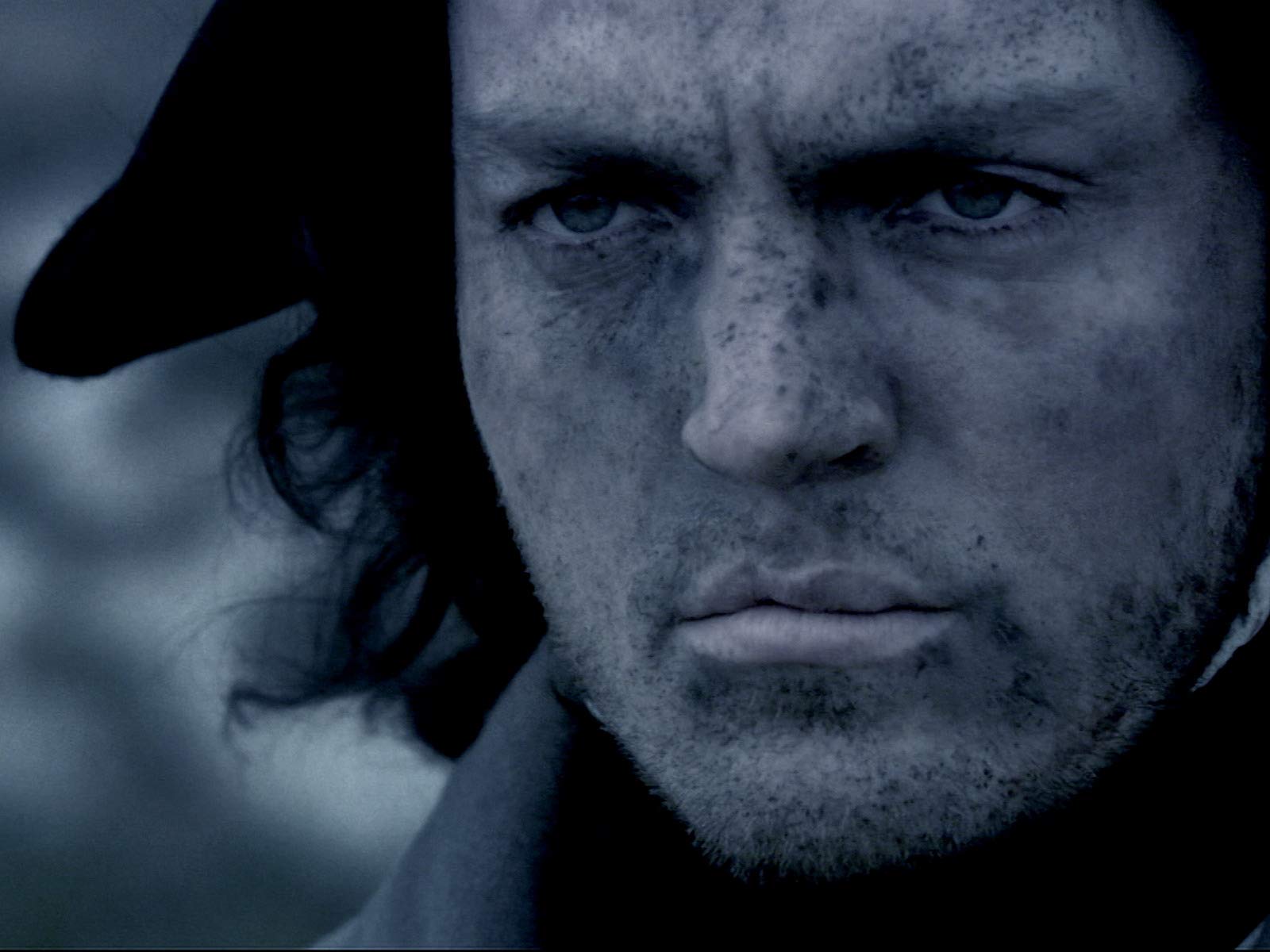
Drama-documentary telling how Napoleon Bonaparte rose from being a penniless French soldier to create an empire, beginning at the siege of Toulon in 1793 where France's leaders first recognised his tactical genius, immense bravery and boundless ambition as he defeated the English. France, late 18th century: In the turmoil of the French Revolution, a Corsican refugee, Napoleon Bonaparte, comes to France. He embarks on a military career and increasingly gains the trust of older commanders. With the successful conquest of Toulon in December 1793, Napoleon laid the foundation for his career, which would eventually make him an important European general. Shot in authentic locations using a script based on documents from the time, including Napoleon's own letters, the film has been written with the advice of modern historians.
2007 • History
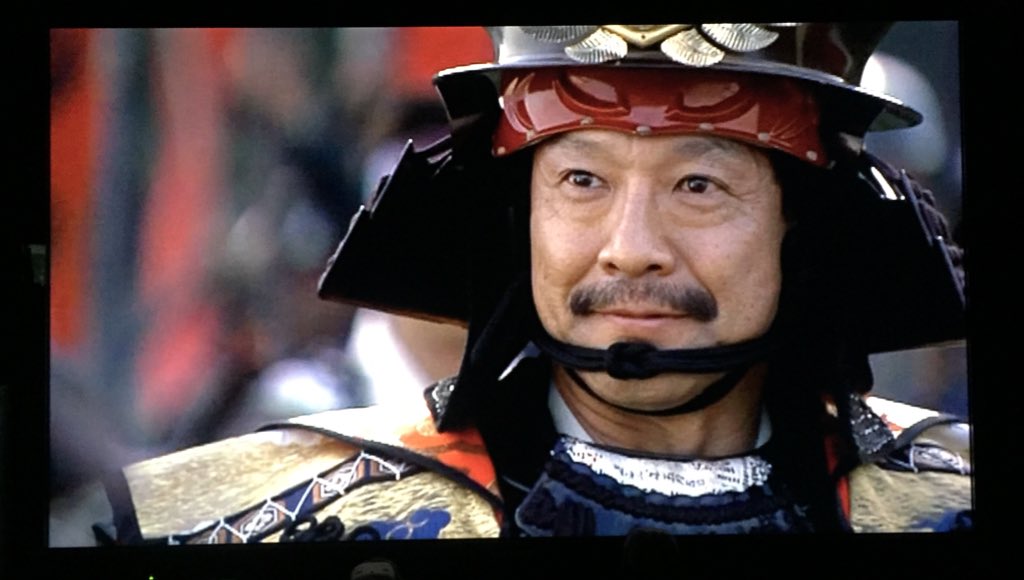
Drama-documentary about the Samurai general Tokugawa Ieyasu, a towering figure of Japanese history. He overthrew the governing dynasty of Japan and became the Shogun - the supreme military leader - of Japan. Ieyasu's rise to power climaxes in the biggest Samurai battle in history, the Battle of Sekigahara with 160,000 soldiers fighting for the future of Japan. On the way, there is a story of love for a reckless son, a politician in drag, a night time Ninja attack, suicide and betrayal. Brutal civil wars characterize Japan in the 16th century, it is the time of the samurai. The country is torn apart, powerful clans fight for supremacy. The greatest samurai general of all time is Tokugawa Ieyasu, better known as 'The Shogun'. In the greatest battle in samurai history, he risked everything in history's most daring military decision. His achievements resemble those of Caesar and Napoleon.
2007 • History
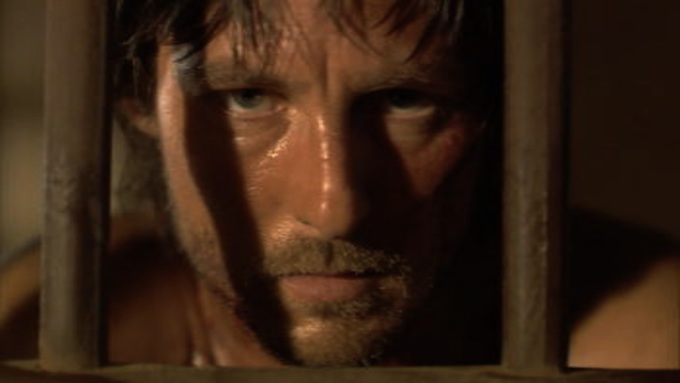
Dramatised documentary revealing Spartacus as he really was - a brilliant leader of a guerrilla band, but a flawed and indecisive human being. Starring Anthony Flanagan as Spartacus and Robert Glenister as his nemesis, Marcus Licininus Crassus. 73 BC BC Spartacus is captured and ends up on the slave market in Rome. He is sold to a gladiator school in Capua - his combat skills quickly show. In his first official battle, Spartacus is forced to kill his opponent at the request of the people and their master. From then on he plans his escape - in the same year he escapes with 70 other slaves. The small uprising quickly turns into a bitter fight for the freedom of thousands.
2007 • History
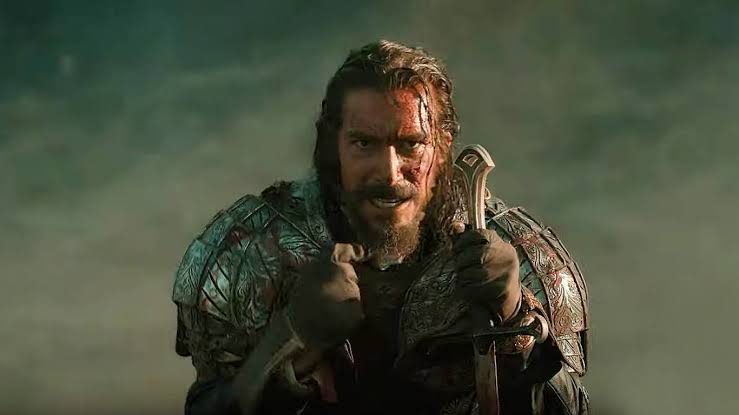
Drama documentary about Hernan Cortes, Spanish conquistador who overthrew the Aztec empire and won Mexico for the crown of Spain. In, 1519 the Spanish adventurer Hernan Cortes is supposed to have taken on the mighty Aztec empire with a handful of soldiers and 16 horses. The myth claims that the Aztec emperor, Montezuma, surrendered his empire beause he believed Cortes to be a God. But a more accurate account suggests that the Conquistadors started a civil war in Central America, uniting an army of tribesmen who hated Aztec rule. Montezuma is revealed to be a sophisticated ruler. This is the story of a man who, almost in one fell swoop, subdued an entire civilization: the Aztec Empire. It is one of the highlights and at the same time one of the darkest chapters in human history. In August 1519, the Spanish conquistador Hernan Cortes lands on the east coast of unexplored Central America. Driven by the greed for fabulous riches, Cortes wants to conquer the Aztec kingdom.
2007 • History
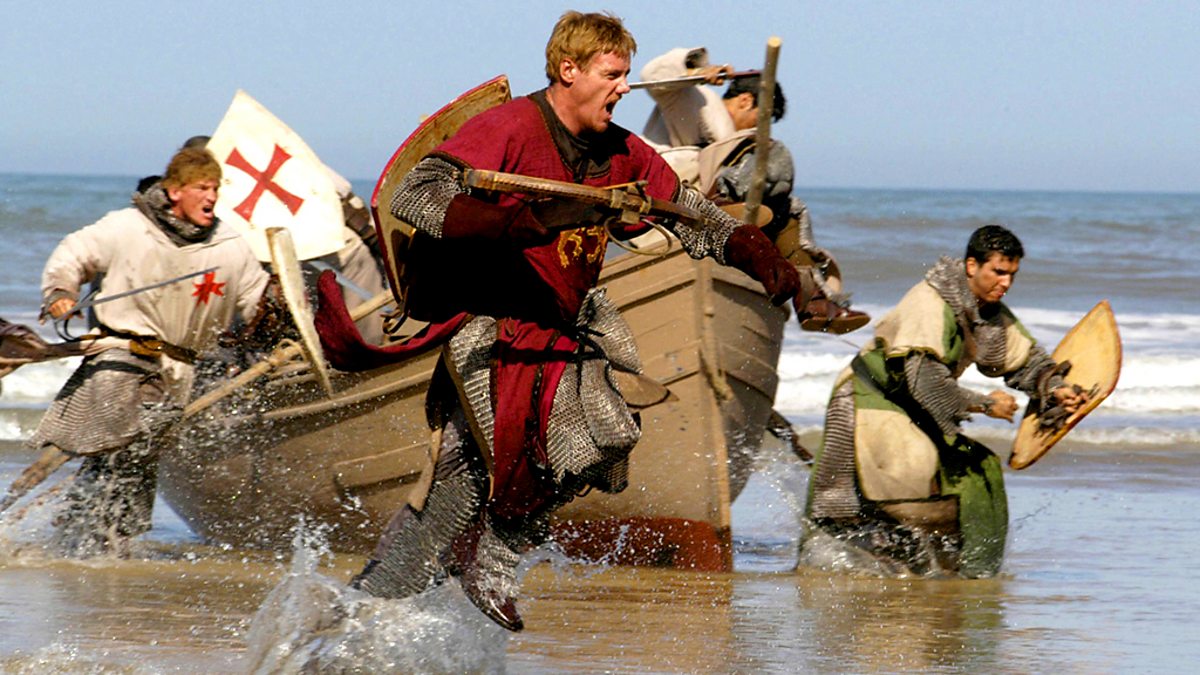
Drama-documentary about Richard the Lionheart. Was he the heroic warrior of Robin Hood? Or was he just a greedy thug who wanted to loot the Holy Land? Revisionist history suggests that Richard was neither- an extremist Christian, he struggled to lead a fractious international coalition against an impenetrable Muslim stronghold. Saladin used scorched earth tactics which spread dissension through the Crusaders' ranks. Gradually, Richard's coalition fell apart and he returned a failure. In 1191, the English King Richard the Lionheart is just one of several leaders of the Third Crusade to retake Jerusalem. His adversary, the aging Egyptian statesman and empire founder Salah-ad Din, had conquered the pilgrimage city a few years earlier. Before the decisive battle of Arsuf, all signs actually point to a dramatic defeat for the crusaders. But Richard keeps his troops together - it will be the greatest triumph of the warrior king.
2007 • History
Exploring the myth of the crude savage Attila. Part genius, part psychopath, Attila is unlike the other Huns. A calculating, ruthless gambler, his one goal is conquest - and he's set his sights on Roman cities to test out his brilliant new siege tactics. The Roman Empire is about to fall. Tribes hungry for booty are invading from Asia, the Huns being the fiercest of them. Only two things unite them: The greed for Roman gold and their leader, Attila. He is the greatest warrior the Huns have ever seen, as brutal as he is brilliant. Through skilful tactics and unscrupulous lust for power, he briefly creates an empire that stretches from the steppes of Central Asia to the Danube.
2007 • History
The finale episode examines an ancient civilization unlike any other, that of the Indus Valley. Rather than imposing order through war or religion, it relied on the free flow of trade. The exchange of goods promoted wealth, co-operation and trust.
4 • First Civilizations • 2018 • History
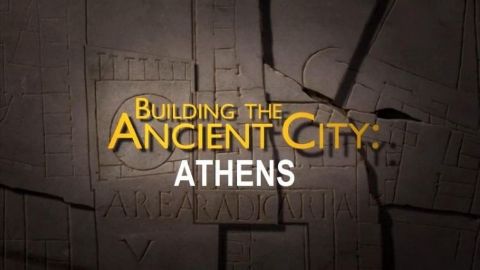
In the opening episode of the series, Professor Andrew Wallace-Hadrill takes us on a journey across stunning locations in Greece and Italy to find out how Athens gave birth to the idea of a city run by free citizens 2,500 years ago. Every aspect of daily life from defence to waste disposal was controlled not by a king, but by the Athenians themselves. Ultimately, this radical new system would define a way of life and the Athenians would give it a name.
S1E1 • Building the Ancient City: Athens and Rome • 2015 • History
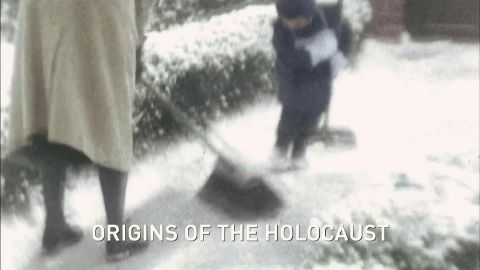
The story of Hitler's invasion of the Soviet Union, of Rommel's war against the British in North Africa and of the horrors of the murder of Russian Jews - sometimes known as the Holocaust by Bullets.
S1E3 • Apocalypse: The Second World War • 2009 • History
Early man rubbed two sticks together and created fire. We learn to cook our food, saving vital energy. As a result, our brains expand--making us the most intelligent species on the planet.
7/12 • Mankind Decoded • 2013 • History
Richard Miles explores the rise and fall of the Roman Empire, which at the height of its power, extended the benefits of its civilisation to a staggering 60 million subjects and citizens, from Hadrian's Wall to the banks of the Euphrates. The archaeologist and historian also learns how the expansion of Christianity filled a gap left by the Roman multi-god belief system, eventually leading to the instalment of Constantine as the first Christian emperor
S1E6 • Ancient Worlds • 2010 • History
Bettany Hughes' series profiling the most celebrated thinkers of the Ancient world continues as she turns her attention to Socrates. Heading to Greece, she details how the Athenian philosopher secured a reputation as an influential maverick. She also highlights how his contributions as one of the founders of Western philosophy did not please his detractors, as his outspoken defence of his beliefs ultimately led to his execution.
Part 2 • Genius of the Ancient World • 2015 • History