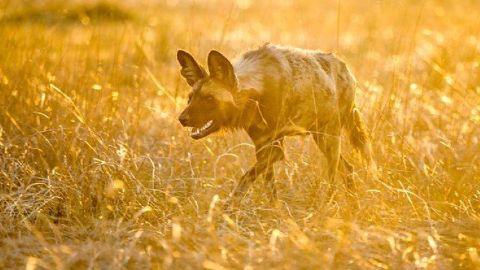
Nowhere to Hide (Plains) • 2015 • episode "S1E5" The Hunt

Category: Nature

A look at predator and prey strategies in the open arenas of desert and grassland.

Make a donation

Buy a brother a hot coffee? Or a cold beer?

Hope you're finding these documentaries fascinating and eye-opening. It's just me, working hard behind the scenes to bring you this enriching content.

Running and maintaining a website like this takes time and resources. That's why I'm reaching out to you. If you appreciate what I do and would like to support my efforts, would you consider "buying me a coffee"?

Donation addresses

Buy Me a Coffee at ko-fi.com

patreon.com

BTC: bc1q8ldskxh4x9qnddhcrgcun8rtvddeldm2a07r2v

ETH: 0x5CCAAA1afc5c5D814129d99277dDb5A979672116

With your donation through , you can show your appreciation and help me keep this project going. Every contribution, no matter how small, makes a significant impact. It goes directly towards covering server costs.
The Hunt • 2015 • 7 episodes •

The Hardest Challenge

This opening episode reveals the extraordinary strategies used by both predators and prey.

2015 • Nature

In the Grip of the Seasons (Arctic)

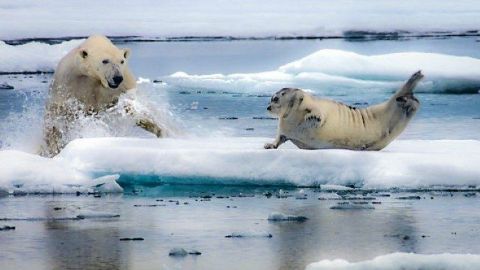
How do polar predators face the challenges of hunting in the most seasonal place on Earth?

2015 • Nature

Hide and Seek (Forests)

Predators and their prey hunt and escape in the dense and complex world of the forest.

2015 • Nature

Hunger at Sea (Oceans)

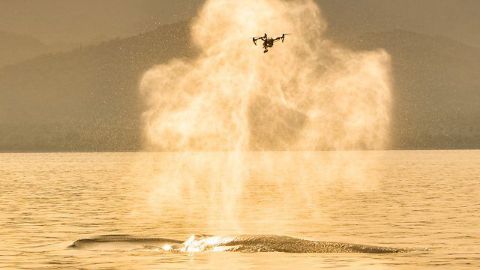
Revealing the strategies predators use to hunt for prey in the big blue.

2015 • Nature

Nowhere to Hide (Plains)

A look at predator and prey strategies in the open arenas of desert and grassland.

2015 • Nature

Race Against Time (Coasts)

Predators hunt on the dynamic border between land and sea, where chances are brief.

2015 • Nature

Living with Predators (Conservation)

Looking at the planet's top predators through the eyes of scientists trying to save them.

2015 • Nature

You might also like

Madeira: Island Ark

Fortey travels to Madeira to examine what happens to a volcanic island as it nears the end of its life-cycle and starts sinking back into the sea. Here, in the island's laurisilva forest, he examines the remains of an ancient forest that once carpeted all of Europe, finds island lizards that live to be four times older than their mainland counterparts, and meets a huge wolf spider. With the help of local divers, he also discovers an unexpectedly rich marine habitat populated by whales, dolphins and unusual deep-sea species that have much to tell us about the changing nature of our seas.

Part 3Nature's Wonderlands: Islands of Evolution • 2016 • Nature

Amazon Explorers: Into the Peak of Mist

A pioneering team of zoologists and botanists, in search of new creatures and plants, gets rare access to Brazil's highest and most isolated mountain, the Pico da Neblina.

2018 • Nature

Ngorongoro Crater Cursed Haven

Formed from the remains of a 2.5 million-year-old imploded volcano, the Ngorongoro crater is a study in contradictions: On one hand, it's a self-sustained and plentiful land that provides for the many animals that call it home. Conversely, its isolation threatens the existence of many of its key species. What does the future hold for this unique habitat?

S1E6Africa's Wild Horizons • 2017 • Nature

The Rock Splitter

The Namaqua rock fig is known as the rock splitter. It's not just a testament to its ability to withstand the dry conditions, but a literal tribute to its powerful root system, which extends 200 feet into the Earth in search of water. Besides the army of wildlife who rely on it for survival, the rock splitter has a unique relationship with its own species of miniature wasp that help pollinate its tiny flowers. As temperatures soar each passing year, this ultimate survivor reaches deeper to squeeze every drop of water from the parched land.

S1E4Rooted • 2018 • Nature

Antarctica

Antarctica - the coldest, windiest, most hostile continent. Only the toughest can survive here. From Weddell seals that grind back the ice with their teeth, to colourful starfish carpeting the seabed beneath the ice. Huge colonies of king penguins crowd any ice-free land, and four tonne elephant seals fight for territory on the beach. Life comes here because the ocean that surrounds the continent is incredibly rich. Thousands of penguins, seals, albatross, and over a hundred great whales feast on krill baitballs. However, the ocean here is warming and with that comes an uncertain future. (Number of days filming: 236)

S1E1Seven Worlds, One Planet • 2019 • Nature

Behind Russias Frozen Curtain

Explore the stark landscape, frigid sea, and wild animals in one of the most remote and inhospitable places on Earth. National Geographic Pristine Seas Explorer-in-residence Enric Sala leads a group of scientists on the first international scientific expedition to Franz Josef Land. His team works with Russia's most formidable biologists, geomorphologists and ornithologists to understand how climate change is affecting this remote ecosystem. From diving in subzero temperatures to running away from polar bears to avoiding titanic icebergs, the Pristine Seas team faces some of its most dangerous challenges to date.

2015 • Nature