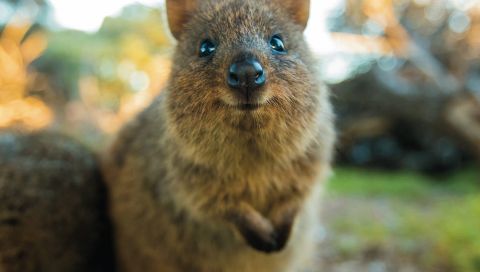
One of the world’s happiest, yet most vulnerable marsupials, the Quokka thrives only on Rottnest Island. In almost plague proportions over ten thousand of the strange relic wallabies live here. How do they survive here in such inhospitable conditions and nowhere else?
Hope you're finding these documentaries fascinating and eye-opening. It's just me, working hard behind the scenes to bring you this enriching content.
Running and maintaining a website like this takes time and resources. That's why I'm reaching out to you. If you appreciate what I do and would like to support my efforts, would you consider "buying me a coffee"?
BTC: bc1q8ldskxh4x9qnddhcrgcun8rtvddeldm2a07r2v
ETH: 0x5CCAAA1afc5c5D814129d99277dDb5A979672116
With your donation through , you can show your appreciation and help me keep this project going. Every contribution, no matter how small, makes a significant impact. It goes directly towards covering server costs.
David Attenborough employs the latest technologies to explore the violence, rivalries and deadly weaponry existing within the world of bugs. This first episode examines the survival tactics of its terrifying residents including killer ants, trap-setting spiders and beetles with the ability to shoot boiling chemicals at their enemies.
1 • Micro Monsters with David Attenborough • 2013 • Nature
The grasslands of our planet are some of the most challenging habitats for playing the Mating Game. They are an open stage where potential partners and jealous rivals can witness your every move… and every failure.
S1E1 • The Mating Game • 2021 • Nature
Spring arrives in the polar regions, and the sun appears after an absence of five months; warmth and life return to these magical ice worlds - the greatest seasonal transformation on our planet is underway. Male Adelie penguins arrive in Antarctica to build their nests - it takes a good property to attract the best mates and the males will stop at nothing to better their rivals! But these early birds face the fiercest storms on the planet. In the Arctic, a polar bear mother is hunting with her cubs. Inland, the frozen rivers start to break up and billions of tons of ice are swept downstream in the greatest of polar spectacles. This melt-water fertilizes the Arctic Ocean, feeding vast shoals of Arctic cod and narwhal. The influx of freshwater accelerates the breakup of the sea-ice - an area of ice the size of Australia will soon vanish from the Arctic. On land, a woolly bear caterpillar emerges from the snow having spent the winter frozen solid. Caterpillars normally become moths within months of hatching, but life is so harsh here that the woolly bear takes 14 years to reach adulthood. Once mature it has only days to find a mate before it dies! Alongside the caterpillars white Arctic wolves race to raise their adorable cubs before the cold returns.
S1E2 • Frozen Planet • 2011 • Nature
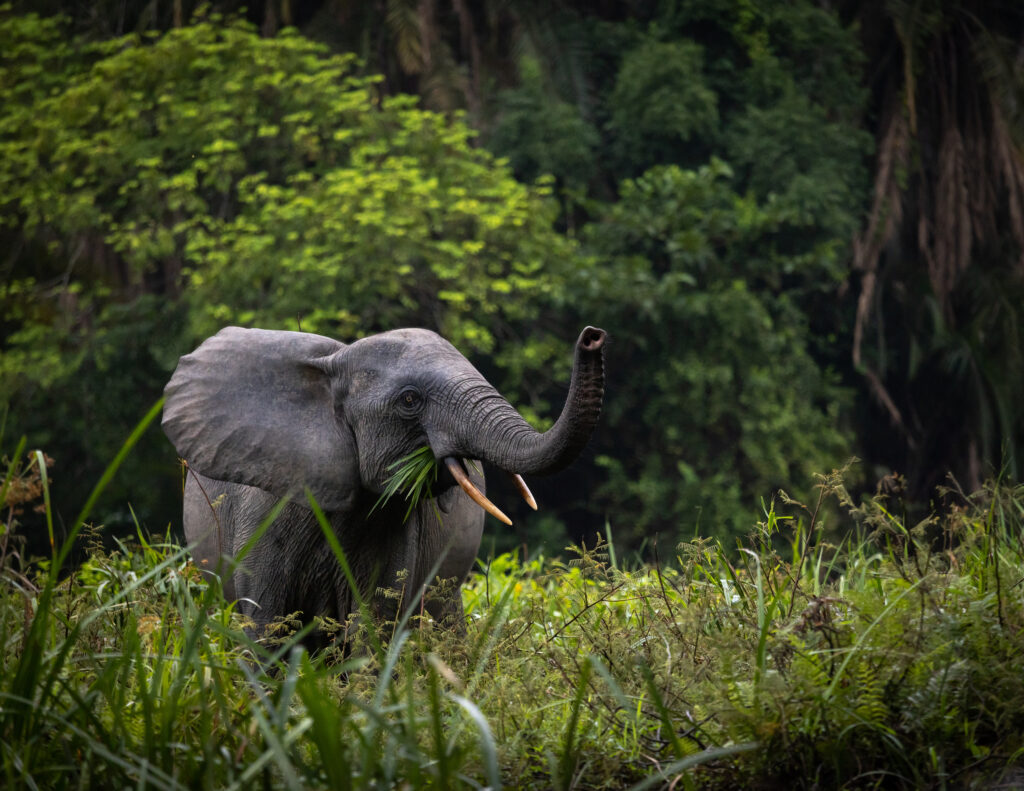
The story of water's miraculous arrival onto our planet and its pivotal role in the survival — and amusement — of a herd of elephants.
S1E5 • Our Universe • 2022 • Nature
David Attenborough concludes his documentary series with a programme about our closest animal relatives, the intelligent great apes, and finds out how their large brains enabled one of their kind, an upright ape, to go on to dominate the planet. David travels to the forests of Borneo to meet a remarkable orangutan with a passion for DIY and a talent for rowing boats. He shifts continent to Africa and takes part in a special nut-cracking lesson with a group of chimps learning survival skills. He discovers how food - and the ways apes find it - has been key to the evolution of our large brains.
S1E10 • The Life of Mammals • 2008 • Nature
Land-based African chameleons and coastal cuttlefish both change color and pattern to hide or to advertise their mood. Both fight to win their mate and shoot out tongues or tentacles to snare their prey.
S1E2 • Greece: The Wild Side • 2021 • Nature