Between 5 and 10 million different kinds maybe ten quintillion individuals - there's absolutely no doubt that we're living on Planet Insect. Insects live the most extraordinary lives many of them revealed for the first time in this one-hour program.
Hope you're finding these documentaries fascinating and eye-opening. It's just me, working hard behind the scenes to bring you this enriching content.
Running and maintaining a website like this takes time and resources. That's why I'm reaching out to you. If you appreciate what I do and would like to support my efforts, would you consider "buying me a coffee"?
BTC: bc1q8ldskxh4x9qnddhcrgcun8rtvddeldm2a07r2v
ETH: 0x5CCAAA1afc5c5D814129d99277dDb5A979672116
With your donation through , you can show your appreciation and help me keep this project going. Every contribution, no matter how small, makes a significant impact. It goes directly towards covering server costs.
Between 5 and 10 million different kinds maybe ten quintillion individuals - there's absolutely no doubt that we're living on Planet Insect. Insects live the most extraordinary lives many of them revealed for the first time in this one-hour program.
2022 • Nature
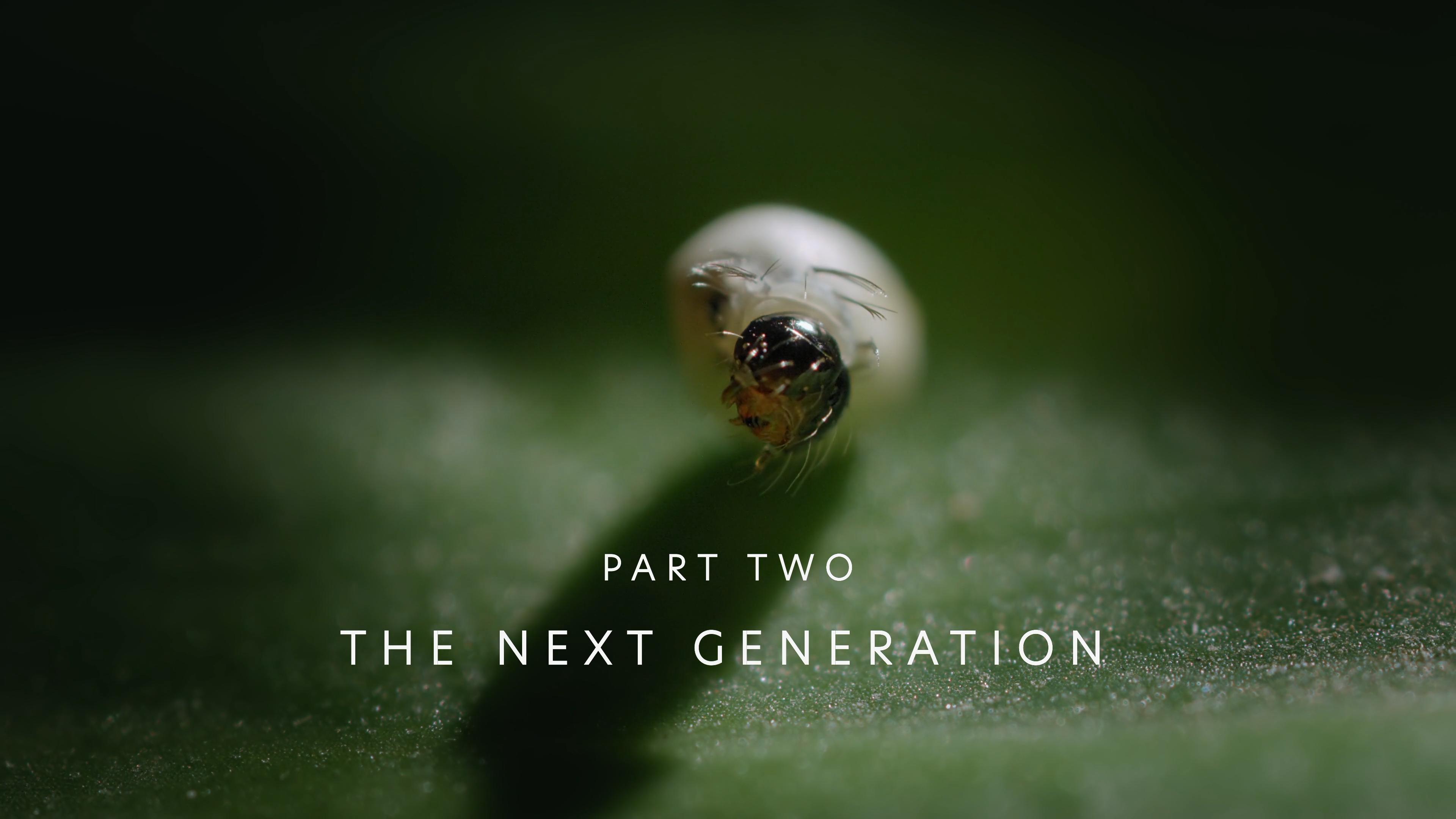
Insects are very good at making more insects, but it's not easy. Insects are tiny creatures living in a big world. Partners must find each other to mate and the next generation must survive in a huge dangerous world.
2022 • Nature
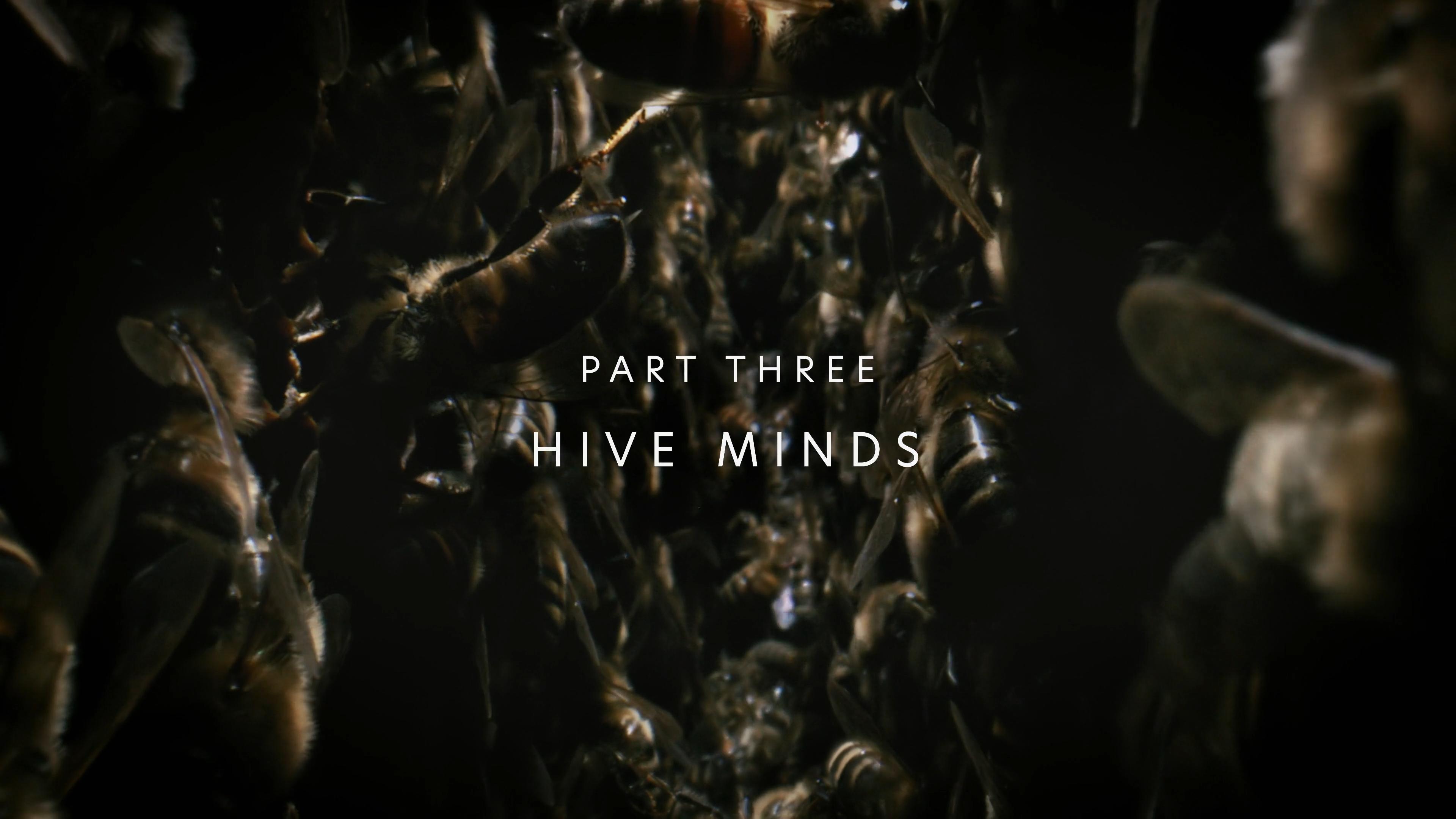
Social insects (ants, bees, wasps and termites) are incredibly successful. By some estimates the weight of ants equals that of humanity and that of termites equals terrestrial vertebrates.
2022 • Nature
In this second episode Dr Alice Roberts charts how our ancestors’ hunt for food has driven the way we look and behave today – from the shape of our face, to the way we see and even the way we attract the opposite sex.
S1E2 • Origins of Us • Nature
David begins his journey inside the magnificent Palm House, a unique global rainforest in London. Here, he explores the extraordinary plants that are so well adapted to wet and humid environments and unravels the intimate relationships between wet zone plants and the animals that depend on them. It was in the wet zones of the world that plants first moved on to land and in the Waterlily House David reveals how flowers first evolved some 140 million years ago. Watching a kaleidoscope of breath-taking time-lapses of these most primitive of flowers swelling and blooming ...
S1E1 • Kingdom of Plants • 2012 • Nature
The dry season is now upon the animals of the Serengeti, the toughest of times for some but a food bonanza for others. The increasing drought turns the waterhole into a death trap for the herds, but for the lions it's a gift and Kali and her cubs are finally able to enjoy life back in the heart of the pride. Jasari and his wild dog family are under siege from Zalika and her hyena clan, so they must train their pups to fight back if they are going to survive. The black-maned male lions return and kill two cubs from Zalika's clan, but this is just the start of their murderous campaign. Bakari the baboon is living in exile from the troop but spies the leader bullying his adopted baby. When a huge storm ignites a devastating fire, the wild dogs are separated from their pups and struggle to save them. When it threatens the troop, Bakari returns to save the baby. The black-maned lions attack the pride and Kali is once again forced to flee for her life. As the fire takes hold and the tinder-dry Serengeti is consumed by flames, who will survive and how will the land ever recover?
David Attenborough travels to the Jura Mountains in the Swiss Alps, to find out about one of the largest animal societies in the world, where over a billion ants live in peace.
2017 • Nature
Professor Brian Cox follows Earth's epic journey through space. He takes to the air in a top-secret fighter jet to race the spin of the planet and reverse the passage of the day. In Brazil, a monstrous wave that surges up the Amazon River provides an epic ride of a different kind - chased by a top surfer through the rainforest, this tidal wave marks Earth's constant dance with the Moon. Greenland experiences some of the biggest swings in seasons in the world, but despite the deep freeze, the harsh winter brings opportunity to the Inuit people who live there. All this spectacle here on Earth signals that we are thundering through the universe at breakneck speed. Brian explains why we can't feel it and how understanding motion brings us to understanding the nature of space and time itself, leading to the astonishing conclusion that the past, present and future all exist right now.
Part 2 • Forces of Nature With Brian Cox • 2016 • Nature
The undercover cameras reveal how animals rely upon each other for a range of activities. Arctic wolves group together to survive in one of the harshest landscapes on earth, a band of hungry mongoose groom warthogs for tasty morsels - before turning their attention to Spy Warthog - and fish help clean hippos' bodies, as well as providing a unique dental service. Meanwhile, crocodiles and dikkop birds take part in a mutual neighbourhood watch against hungry prowling monitor lizards, and Spy Rattlesnake captures how prairie dogs and burrowing owls use their language skills to tell the rest of their community of approaching danger.
S1E3 • Spy in the Wild • 2017 • Nature