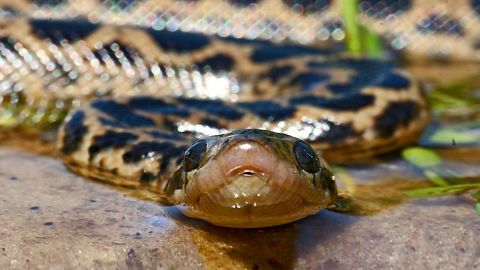
Snakes have developed the ultimate economy of design and are the most elegant and iconic of hunters. Among the incredible species seen here are blind tiger snakes that hunt using their sense of smell, magnificent African spitting cobras and a bizarre turtle-headed sea-snake hunting on a coral reef. And, for the first time ever, cameras capture a snake ambush in the wild and the beautiful spectacle of yellow anacondas giving birth underwater.
Hope you're finding these documentaries fascinating and eye-opening. It's just me, working hard behind the scenes to bring you this enriching content.
Running and maintaining a website like this takes time and resources. That's why I'm reaching out to you. If you appreciate what I do and would like to support my efforts, would you consider "buying me a coffee"?
BTC: bc1q8ldskxh4x9qnddhcrgcun8rtvddeldm2a07r2v
ETH: 0x5CCAAA1afc5c5D814129d99277dDb5A979672116
With your donation through , you can show your appreciation and help me keep this project going. Every contribution, no matter how small, makes a significant impact. It goes directly towards covering server costs.
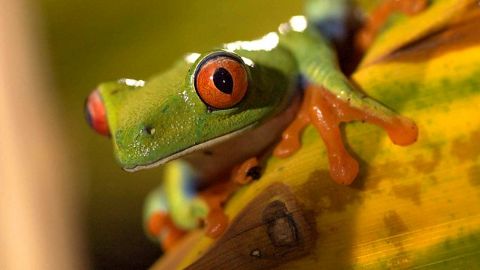
David Attenborough reveals the bizarre adaptations which have helped amphibians break their ties with water as he meets marsupial frogs, show-off newts and giant salamanders.
2008 • Nature
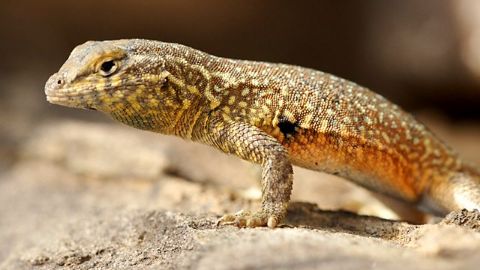
Enter the world of the lizard: from the chameleons, masters of the arboreal life to geckos tapping a code to plant-hopper insects and baby pygmy blue-tongued skinks huddling in their burrows long after birth. In the deserts are found some of the most bizarre lizards: baby Bushveld lizards mimicking acid-squirting beetles; the well-armoured and bizarrely spiky; thorny devils and the lizard kings - the Australian monitors - fast, intelligent and efficient hunters.
2008 • Nature
Snakes have developed the ultimate economy of design and are the most elegant and iconic of hunters. Among the incredible species seen here are blind tiger snakes that hunt using their sense of smell, magnificent African spitting cobras and a bizarre turtle-headed sea-snake hunting on a coral reef. And, for the first time ever, cameras capture a snake ambush in the wild and the beautiful spectacle of yellow anacondas giving birth underwater.
2008 • Nature
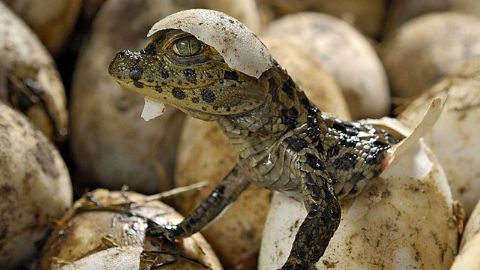
The world of the armoured creature is equally fascinating and bizarre. Galapagos giant tortoises solve the problem of making love in a suit of armour; a heated sea turtle orgy leaves females in mortal danger and we witness the explosive arrival of a baby pig-nosed turtle. Giant salt-water crocodiles crowd a flooded river-run to fish for mullet and a caiman leads her brood in a touching trek to a communal crèche.
2008 • Nature
The forest residents turn on Motsidi. Hounded from every direction, will she ever be queen?
S4E2 • Savage Kingdom • 2020 • Nature
At 13, Kamuti is one of the oldest leopards in the Luangwa region of Zambia. Old age brings many challenges, from hunting antelope to keeping a watchful eye on the lion pride nearby. Using a military-grade thermal camera, we lift the veil on the secret world of this enigmatic nocturnal predator for the first time.
S1E1 • Africa's Hunters • 2015 • Nature
Forget what you think you know about pigs. These remarkable animals have talents we're only beginning to understand. See how pigs have conquered nearly every habitat on Earth, thanks to their remarkable senses, intelligence, and adaptability. From the islands of Indonesia to the beaches of the Bahamas to the frozen tundra of Siberia, meet eight-inch pygmy hogs, cheetah-avoiding warthogs, domesticated pigs with super senses, and more.
2018 • Nature
Journey over the lands of South Africa. From mountains forged billions of years ago to mines full of riches, and from landscapes formed by Shaka Zulu to the Ubuntu philosophy, experience the beauty and spirit of this remarkable nation.
S1E2 • Aerial Africa • Nature
Liz Bonnin presents a controversial and provocative episode of Horizon, investigating how new scientific research is raising hard questions about zoos - the film explores how and why zoos keep animals, and whether they need to change to keep up with modern science, or ultimately be consigned to history. Should zoos cull their animals to manage populations? Liz travels to Copenhagen Zoo, who killed a giraffe and fed it to the lions, to witness their culling process first hand. They think it is a natural part of zoo keeping that is often swept under the carpet. Should some animals never be kept in captivity? In a world exclusive, Liz visits SeaWorld in Florida and asks if captivity drove one of their orcas to kill his trainer. But could zoos be the answer to conserving endangered species? Liz examines their record, from helping breed pandas for the wild to efforts to save the rhinos. She meets one of the last surviving northern white rhinos and discovers the future of this species now lies in a multimillion-dollar programme to engineer them for stem cells. Veteran conservation scientist Dr Sarah Bexell tells Liz the science of captive breeding is giving humanity false hope.
In a dramatic conclusion to the series, the travellers have a close encounter with grey whales and meet the deadly Humboldt squid in a search for the mighty blue whale, the biggest creature that has ever lived.
S1E6 • Last Chance to See • 2009 • Nature