Explore the remarkable survival strategies of plants as they adapt, defend, and thrive in ever-changing environments.
Hope you're finding these documentaries fascinating and eye-opening. It's just me, working hard behind the scenes to bring you this enriching content.
Running and maintaining a website like this takes time and resources. That's why I'm reaching out to you. If you appreciate what I do and would like to support my efforts, would you consider "buying me a coffee"?
BTC: bc1q8ldskxh4x9qnddhcrgcun8rtvddeldm2a07r2v
ETH: 0x5CCAAA1afc5c5D814129d99277dDb5A979672116
With your donation through , you can show your appreciation and help me keep this project going. Every contribution, no matter how small, makes a significant impact. It goes directly towards covering server costs.
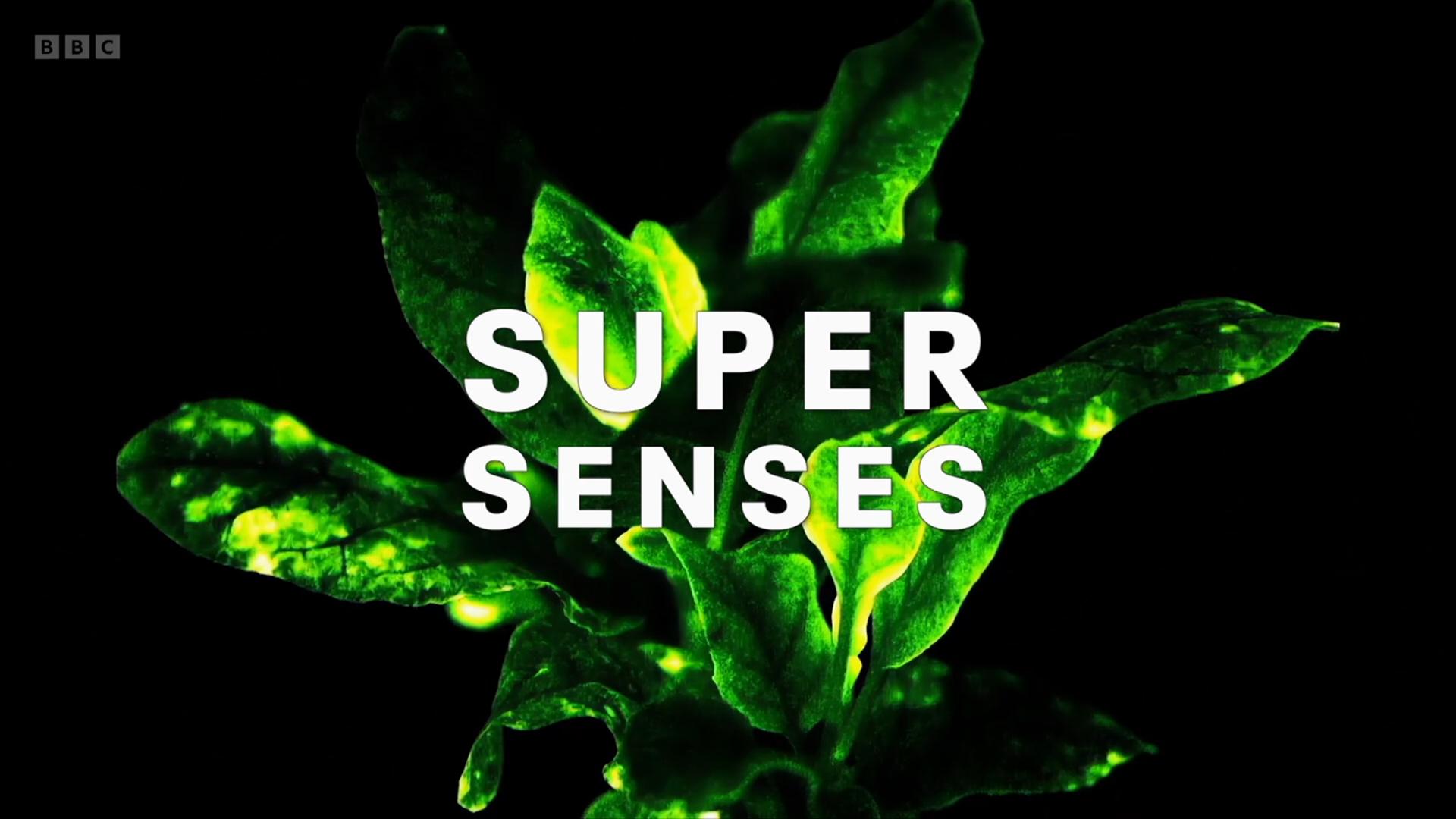
Discover how plants sense, communicate, and make complex decisions, revealing a hidden intelligence that challenges what we think life is capable of.
2024 • Nature
Explore the remarkable survival strategies of plants as they adapt, defend, and thrive in ever-changing environments.
2024 • Nature
Chris investigates how nature's masterminds measure up against human brain power. Looking at a variety of animals, such as ravens, crows, bees and starlings, Chris explores how different animals can use tools, solve complex puzzles, recognise themselves in mirrors and even reason like humans.
S1E1 • Chris Packham's Animal Einsteins • 2021 • Nature
Watch as birds solve puzzles and challenge our basic notions of intelligence. Call somebody a “bird brain,” and you’re not delivering them a compliment. But as NOVA shows, birds turn out to have advanced problem-solving skills that we usually assume are unique to humans. Watch astonishing tests of avian aptitude: parrots that can plan for the future, jackdaws that can “read” human faces, and crows that can solve multi-step puzzles with tools like pebbles, sticks, and hooks. Could these just be clever tricks based on instinct or triggered by subtle cues from their human handlers? To rule out any doubts, NOVA puts feathered Einsteins through their paces and reveals skills that even three- or four-year-old children have a hard time mastering—such as putting off one reward now to get a bigger one later. From this revolution in thinking about our feathered friends, the conclusion seems irresistible that bird brains see the world in ways that aren’t so different from our own.
Once life arrived in the Galapagos, it exploded into unique and spectacular forms. David Attenborough investigates the driving forces behind such evolutionary innovations. We learn that life must be able to adapt quickly in these ever-changing volcanic landscapes. It has resulted in species found nowhere else in the world, such as giant whale sharks and marine iguanas that can spit sea-salt from their noses, dandelion seeds that grow into tree-sized plants and spiders that can blend perfectly into the darkness. Adaptation has been the key to survival in these islands so far, but the story of life in the Galapagos doesn’t end here. The catalyst that triggers these explosions of life remains in place.
S1E2 • Galapagos with David Attenborough • 2010 • Nature
David Attenborough takes a breathtaking journey through the vast and diverse continent of Africa as it has never been seen before. (Part 5: Sahara) Northern Africa is home to the greatest desert on Earth, the Sahara. On the fringes, huge zebras battle over dwindling resources and naked mole rats avoid the heat by living a bizarre underground existence. Within the desert, where the sand dunes 'sing', camels seek out water with the help of their herders and tiny swallows navigate across thousands of square miles to find a solitary oasis. This is a story of an apocalypse and how, when nature is overrun, some are forced to flee, some endure, but a few seize the opportunity to establish a new order.
The culture of Japan is incredible, from bloom festivals to ultra-modern cities. But there are also more than 130 mammals and 600 bird species dwelling in Japan’s 6,852 islands. This island chain is long enough to span climate zones, providing a huge range of habitat.
2020 • Nature