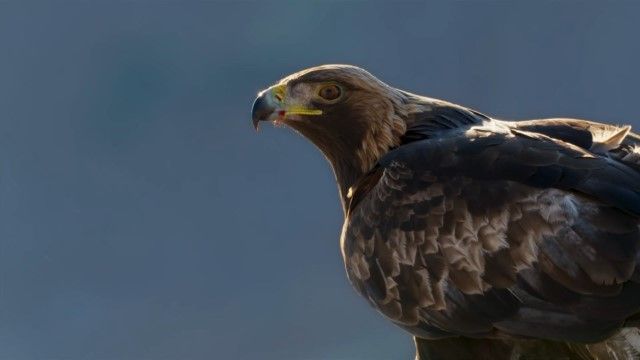
In an ancient pine tree in the Cairngorms, two eagle chicks are on the verge of fledging their gargantuan nest. In winter in the Forest of Dean, the reintroduction of wild boar has given the robin a lifeline. As they root through the thick snow, the boar unearth the worms with their snouts, which the robins otherwise couldn't find.
Hope you're finding these documentaries fascinating and eye-opening. It's just me, working hard behind the scenes to bring you this enriching content.
Running and maintaining a website like this takes time and resources. That's why I'm reaching out to you. If you appreciate what I do and would like to support my efforts, would you consider "buying me a coffee"?
BTC: bc1q8ldskxh4x9qnddhcrgcun8rtvddeldm2a07r2v
ETH: 0x5CCAAA1afc5c5D814129d99277dDb5A979672116
With your donation through , you can show your appreciation and help me keep this project going. Every contribution, no matter how small, makes a significant impact. It goes directly towards covering server costs.
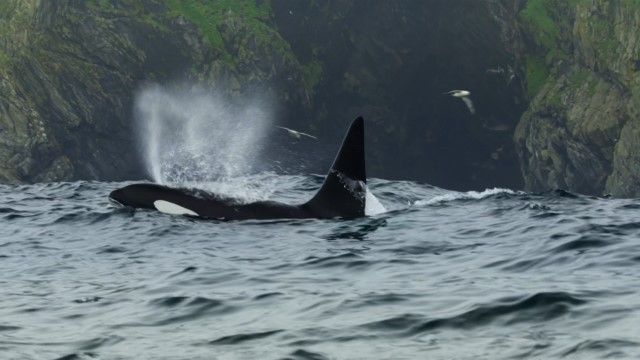
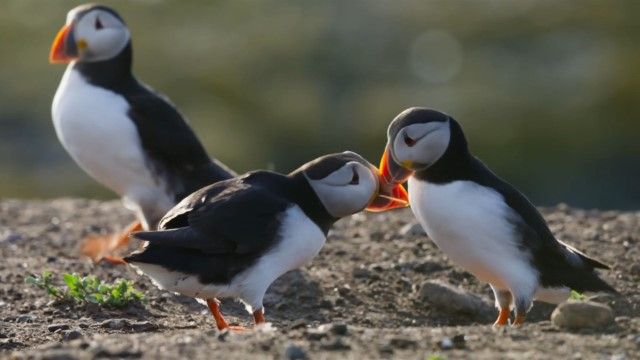
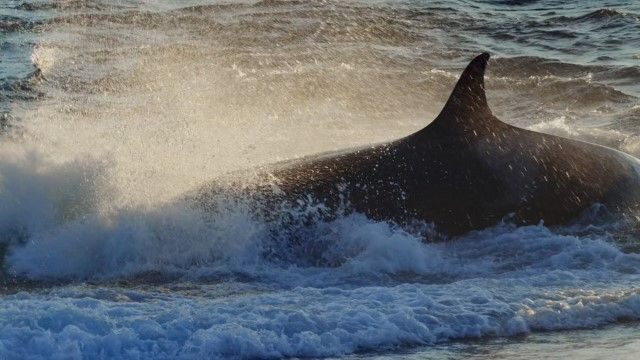
Killer whales hunt for seals in our seas, golden eagles scavenge in snowy Scottish mountains, sinister woodland plants take pollinating insects hostage, and puffins are chased by greedy gulls that try to steal their hard-won catch.
2023 • Nature
In an ancient pine tree in the Cairngorms, two eagle chicks are on the verge of fledging their gargantuan nest. In winter in the Forest of Dean, the reintroduction of wild boar has given the robin a lifeline. As they root through the thick snow, the boar unearth the worms with their snouts, which the robins otherwise couldn't find.
2023 • Nature
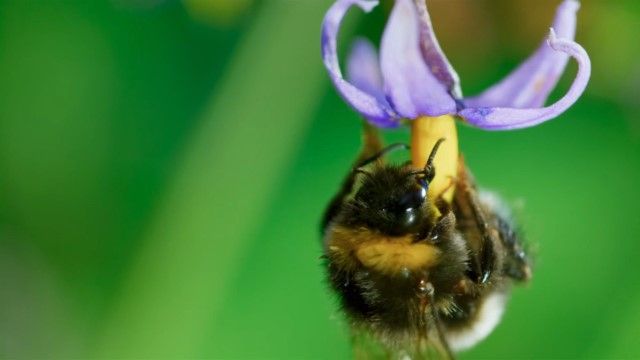
From flower meadows to the rich open landscapes of our mountains some extraordinary and dramatic wildlife stories are revealed. Featuring bees that lay their eggs in empty snail shells, brown hares performing spring boxing courtship routines, and how large blue butterflies have come back from the brink of extinction.
2023 • Nature
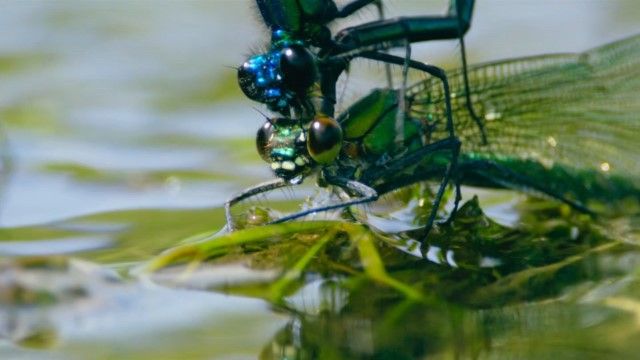
The wildlife that lives in Britain's freshwater environments. Atlantic salmon battle their way upstream in one of the greatest migrations on the planet, beavers slow the flow with their expert dam-building, and toadlets have to cross a killing zone patrolled by carnivorous leeches. Where rivers spread out to form beds of reeds, great crested grebes pair up in courtship ceremonies, and small agile birds of prey swoop low to catch dragonflies.
2023 • Nature
David Attenborough introduces the colourful underwater world of Britain and Ireland's oceans, including thousands of grey seals congregating on the Norfolk shoreline to give birth. Rich beds of sea grass act as important carbon storage areas, as well as providing home for seahorses, while on the shallow seabed, the spider crab undergoes a mass migration of epic scale.
2023 • Nature
Britain is globally important for wildlife, but it is also one of the most nature depleted countries in the world. Restoring nature can have far-reaching benefits for our wild isles and for ourselves. We meet the inspirational people trying to make a difference and some of the wildlife they are trying to protect.
2023 • Nature
The final episode explores dinosaurs' extraordinary ability to survive. Featured dinosaurs include the bizarre magyarosaurus, which lived in the shadow of the biggest flying animal - hatzegopteryx - and showed an amazing adaptation to island life; and the weird nothronychus, a carnivore that gave up meat eating. This astonishing capacity to evolve into ever more diverse and bizarre forms meant that dinosaurs not only spread throughout the world, but also dominated life upon it for more than 160 million years. It was only an unprecedented extraterrestrial event that finally saw the end of planet dinosaur.
S1E6 • Planet Dinosaur • 2011 • Nature
What can the struggles of sturgeons and muskrats, two key Great Lakes species, tell us about the impact of upstream dams on the local ecosystem? Join conservationists as they assess the threats to the habitats of these animals and weigh options to counteract the damage before it's too late.
S1E6 • Great Lakes Wild • 2017 • Nature
There are more than 370 species of birds unique to Australia, including flightless wonders like the prehistoric-looking cassowary and the dramatic male Victoria's riflebird, whose elaborate and flamboyant mating ritual just can't be ignored. Venture into the natural habitat of these avian oddities as they showcase their unique takes on family life.
S1E4 • Wild Birds of Australia • 2018 • Nature
Liz Bonnin presents a controversial and provocative episode of Horizon, investigating how new scientific research is raising hard questions about zoos - the film explores how and why zoos keep animals, and whether they need to change to keep up with modern science, or ultimately be consigned to history. Should zoos cull their animals to manage populations? Liz travels to Copenhagen Zoo, who killed a giraffe and fed it to the lions, to witness their culling process first hand. They think it is a natural part of zoo keeping that is often swept under the carpet. Should some animals never be kept in captivity? In a world exclusive, Liz visits SeaWorld in Florida and asks if captivity drove one of their orcas to kill his trainer. But could zoos be the answer to conserving endangered species? Liz examines their record, from helping breed pandas for the wild to efforts to save the rhinos. She meets one of the last surviving northern white rhinos and discovers the future of this species now lies in a multimillion-dollar programme to engineer them for stem cells. Veteran conservation scientist Dr Sarah Bexell tells Liz the science of captive breeding is giving humanity false hope.
In the last 30 years the world's urban areas have almost tripled in size, changing at a rate wildlife has never experienced before. As cities are built, animals are pushed out of their natural homes. Their stories are the most surprising and captivating of all. Today, these 'wild outcasts' find themselves fighting for their place in a land that once belonged to them. In this episode we feature elephants in Sri Lanka and see that competition between them and humans for land and resources is resulting in deadly territorial conflicts, which demand solutions. And on the Pacific coast of Costa Rica we meet a troop of capuchin monkeys and learn how our behaviour is affecting them, and raising big questions about their future. But we also discover where we learn to live with wildlife as neighbours, and give it the space and resources it needs, it can thrive. The resulting relationships between human and animals can be mutually beneficial. We meet an Amsterdam heron called Kiri who has been visiting the same house twice a day for the last 17 years, befriending its owner, and the Florida manatees whose population has recovered to such an extent under the guardianship of local human residents that, in recent years, they have been taken off the endangered species list, and contributed to a massive boom in the local tourism industry. We meet the swiftlets who have evolved to live only in people's houses and specially built swiftlet hotels in Indonesia. And the surprising story of a population of tiny foxes on a Californian island whose presence benefits the hardened military personnel of a US naval base. This hopeful but realistic episode culminates with the return of charismatic ocean giants to the world's most iconic city, as humpback whales breach against the New York skyline.
S1E3 • Cities: Nature's New Wild • 2018 • Nature
With a million species at risk of extinction, Sir David Attenborough explores how this crisis of biodiversity has consequences for us all, threatening food and water security, undermining our ability to control our climate and even putting us at greater risk of pandemic diseases. Extinction is now happening up to 100 times faster than the natural evolutionary rate, but the issue is about more than the loss of individual species. Everything in the natural world is connected in networks that support the whole of life on earth, including us, and we are losing many of the benefits that nature provides to us. The loss of insects is threatening the pollination of crops, while the loss of biodiversity in the soil also threatens plants growth. Plants underpin many of the things that we need, and yet one in four is now threatened with extinction. Last year, a UN report identified the key drivers of biodiversity loss, including overfishing, climate change and pollution. But the single biggest driver of biodiversity loss is the destruction of natural habitats. Seventy-five per cent of Earth's land surface (where not covered by ice) has been changed by humans, much of it for agriculture, and as consumers we may unwittingly be contributing towards the loss of species through what we buy in the supermarket. Our destructive relationship with the natural world isn’t just putting the ecosystems that we rely on at risk. Human activities like the trade in animals and the destruction of habitats drive the emergence of diseases. Disease ecologists believe that if we continue on this pathway, this year’s pandemic will not be a one-off event.
2020 • Nature