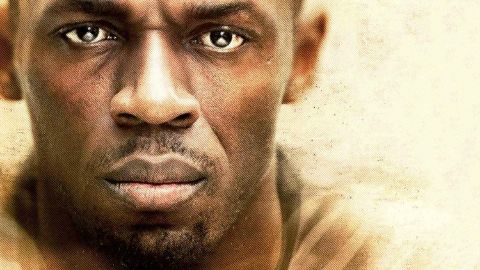
In 2001, a dismembered corpse is found floating in Galveston Bay, Texas.
Hope you're finding these documentaries fascinating and eye-opening. It's just me, working hard behind the scenes to bring you this enriching content.
Running and maintaining a website like this takes time and resources. That's why I'm reaching out to you. If you appreciate what I do and would like to support my efforts, would you consider "buying me a coffee"?
BTC: bc1q8ldskxh4x9qnddhcrgcun8rtvddeldm2a07r2v
ETH: 0x5CCAAA1afc5c5D814129d99277dDb5A979672116
With your donation through , you can show your appreciation and help me keep this project going. Every contribution, no matter how small, makes a significant impact. It goes directly towards covering server costs.
In 2001, a dismembered corpse is found floating in Galveston Bay, Texas.
2015 • People
Durst reveals details about his childhood including witnessing his mother's suicide.
2015 • People
A tip leads a district attorney to re-open the investigation into the disappearance of Kathie Durst.
2015 • People
In 2003, Galveston, Texas, becomes a media circus as the press descends to cover Durst's trial.
2015 • People
Family and friends of Kathie Durst continue to hunt for the truth about what happened to her.
2015 • People
Filmmakers spend nearly a decade investigating Robert Durst and his alleged crimes.
2015 • People
Alice Roberts explores the latest discoveries in the study of human origins, revealing the transformation that has been brought about in this field by genetics. Traditional paleo-anthropology, based on fossils, is being transformed by advanced genome sequencing techniques. We now know that there were at least four other distinct species of human on the planet at the same time as us - some of them identified from astonishingly well-preserved DNA extracted from 50,000-year-old bones, others hinted at by archaic sections of DNA hidden in our modern genome. What's more, we now know that our ancestors met and interacted with these other humans, in ways that still have ramifications today. Alice uses these revelations to update our picture of the human family tree.
"Richard Feynman is one of the most iconic, influential and inspiring scientists of the 20th century. He helped design the atomic bomb, solved the mystery of the Challenger Shuttle catastrophe and won a Nobel Prize. Now, 25 years after his death - in his own words and those of his friends and family - this is the story of the most captivating communicator in the history of science"
2013 • People
Kabwita Kasongo is a 28-year-old Congolese aspiring farmer with a young wife and three children. He earns a living making and selling charcoal while dreaming of a better future for his family. His only resources are the strength of his arms, the bushland around him, and his iron determination. When he sets out on a treacherous journey to the market in the nearest town where he hopes to sell his produce, he learns the true value of his efforts and the price he must pay to achieve his dreams.
2017 • People
In the first of three episodes we learn how Rembrandt arrived in Amsterdam ‘like a thunderclap’ and was courted by the city’s wealthy elite, before falling into conflict with the city’s most powerful patrons. Jones explores the highs and lows of Rembrandt’s personal life too: from the new-found riches enjoyed with his wife, Saskia van Uylenburgh, to the tragedies that unfolded before him, leading to some of his most celebrated work.
S1E1 • Looking for Rembrandt • 2019 • People
An examination of the research by forensic psychiatrist Dorothy Otnow Lewis who investigated the psychology of murderers.
2020 • People