A Place Like Hell • 2016 • episode "S2E3" • Volcanic Odysseys

Category: Economics

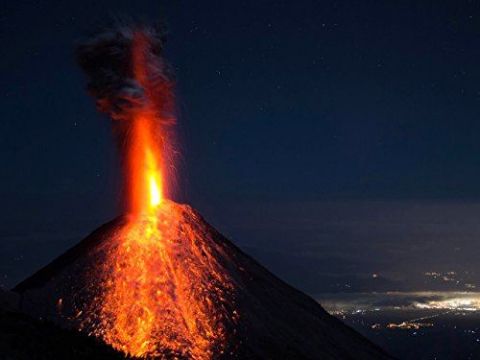
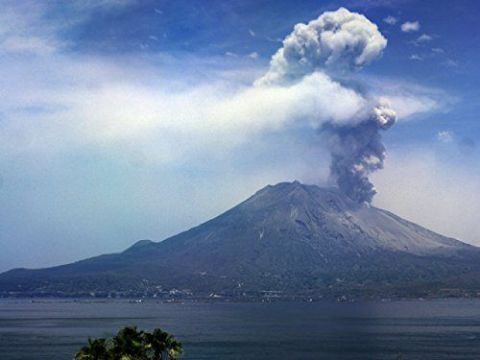
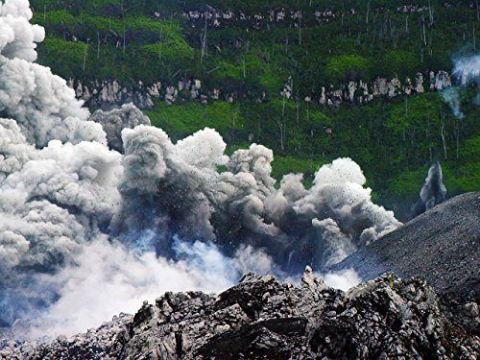
Indonesia is one of the most volcanically active countries in the world--the island of Java alone has 45 active volcanoes, which could erupt at any time. Descend into some of the world's most volatile craters with scientist Tom Pfeiffer, who is hell-bent on photographing rare volcanic phenomenon.

Make a donation

Buy a brother a hot coffee? Or a cold beer?

Hope you're finding these documentaries fascinating and eye-opening. It's just me, working hard behind the scenes to bring you this enriching content.

Running and maintaining a website like this takes time and resources. That's why I'm reaching out to you. If you appreciate what I do and would like to support my efforts, would you consider "buying me a coffee"?

Donation addresses

Buy Me a Coffee at ko-fi.com

patreon.com

BTC: bc1q8ldskxh4x9qnddhcrgcun8rtvddeldm2a07r2v

ETH: 0x5CCAAA1afc5c5D814129d99277dDb5A979672116

With your donation through , you can show your appreciation and help me keep this project going. Every contribution, no matter how small, makes a significant impact. It goes directly towards covering server costs.
Volcanic Odysseys • 2016 • 5 episodes •

Indonesia Islands of Fire

Volcanologist Tom Pfeiffer and his team are embarking on their most daring adventure yet--visiting and photographing two remote Indonesian volcanoes, among the 20 most active in the world. Join a tense journey into the heart of one of nature's most dramatic and unpredictable natural phenomena, one that will test this experienced crew of scientists and native guides.

2016 • Environment

Fires of Don Goyo

As part of the connecting landmass between North and South America, Mexico has long been at the center of a tectonic tug of war spanning millennia. The result is two of the world's largest, most active volcanoes--the rumbling Popocatepetl and the menacing Volcano De Colima--whose vengeful displays of wrath are increasing in frequency. Could a cataclysmic eruption be just around the corner?

2016 • Environment

A Place Like Hell

Indonesia is one of the most volcanically active countries in the world--the island of Java alone has 45 active volcanoes, which could erupt at any time. Descend into some of the world's most volatile craters with scientist Tom Pfeiffer, who is hell-bent on photographing rare volcanic phenomenon.

2016 • Economics

Restless Giants

Japan has more than 100 active volcanoes--two in particular may be on the verge of unleashing a devastating sequence of deadly eruptions and secondary earthquake activity. Join intrepid volcanologist Tom Pfeiffer's dangerous and exhilarating journey to the foot of these angry giants.

2016 • Environment

In the Path of a Volcano

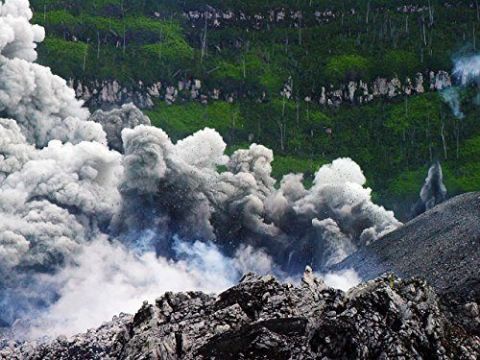
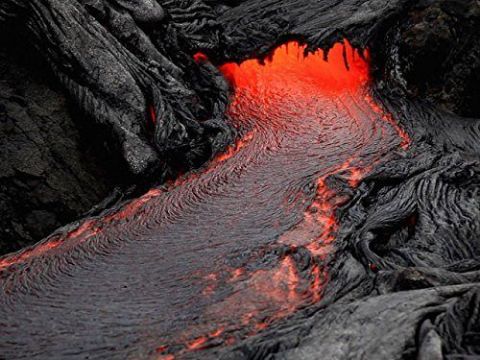
Venture into the danger zone of two volcanic craters posing widely divergent threats. Hawaii's Kilauea is a shield volcano that threatens communities with its slow-but-relentless lava flow, while the Sumatran Sinabung is a stratovolcano delivering carnage via a sudden and explosive surge of superheated gas and rock.

2016 • Environment

You might also like

The Middle East and Global Security

Ambassador Henry Crumpton, a veteran CIA operative with experiences on the front line of America's initial campaign against the Taliban in Afghanistan, considers the paradigm shift caused by the increased role of non-state actors in the Mid-East and other issues facing that region and the world.

8/10 • Curiosity Retreats: 2014 Lectures • 2014 • Economics

Propaganda: The Manufacture of Consent

What makes an entire country take self destructive decisions of eating unhealthy, smoking cigarettes & going to war? In 1916, Woodrow Wilson ran on a platform strongly opposing US entry into WWI. But just a few months after taking office, the United States declared war on Germany. Soon after, the American people, so firmly opposed to the war just a year earlier, were enthusiastic supporters. What happened? The short answer: Sustained consumption of propaganda! PROPAGANDA: THE MANUFACTURE OF CONSENT is a revealing documentary about how public relations grew out of wartime propaganda-and a portrait of one of the key architects of the field, Edward Bernays. The nephew of Sigmund Freud, Bernays refined the techniques used so successfully during the war to sell products to consumers, and ultimately to sell capitalism itself to workers. Public relations was also critical in building support for the New Deal, and in the pushback against it from the National Association of Manufacturers, which created materials including films aimed at children on the glories of manufacturing. Bacon and eggs as part of a hearty breakfast? The work of Bernays on behalf of a bacon company. Cigarettes as a sign of women's liberation? Bernays, again. Casting the democratically elected government of Guatemala as a Communist threat to justify US invasion on behalf of the United Fruit Company? Once more, Bernays. There was nothing shadowy about Bernays. He wrote a book detailing his techniques and discusses them in an archival interview with Bill Moyers from 1983, where we see his pride in hijacking the women's suffrage movement in order to sell more cigarettes—one of many illuminating moments in this film. Featuring Noam Chomsky, Chris Hedges, Public Relations Museum co-founder Shelley Spector, historian Stuart Ewen, sociologist David Miller, and Bernays' daughter Anne, PROPAGANDA offers an insightful look into the development of public relations techniques, and how they continue to affect us today.

2017 • Economics

The Nuclear Option

How will we power the planet without wrecking the climate? Five years after the earthquake and tsunami that triggered the unprecedented trio of meltdowns at the Fukushima Daiichi nuclear power plant, scientists and engineers are struggling to control an ongoing crisis. What’s next for Fukushima? What’s next for Japan? And what’s next for a world that seems determined to jettison one of our most important carbon-free sources of energy? Despite the catastrophe—and the ongoing risks associated with nuclear—a new generation of nuclear power seems poised to emerge the ashes of Fukushima. NOVA investigates how the realities of climate change, the inherent limitations of renewable energy sources, and the optimism and enthusiasm of a new generation of nuclear engineers is looking for ways to reinvent nuclear technology, all while the most recent disaster is still being managed. What are the lessons learned from Fukushima? And with all of nuclear’s inherent dangers, how might it be possible to build a safe nuclear future?

NOVA PBS • 2017 • Economics

The story of stuff

From its extraction through sale, use and disposal, all the stuff in our lives affects communities at home and abroad, yet most of this is hidden from view. The Story of Stuff is a 20-minute, fast-paced, fact-filled look at the underside of our production and consumption patterns. The Story of Stuff exposes the connections between a huge number of environmental and social issues, and calls us together to create a more sustainable and just world. It'll teach you something, it'll make you laugh, and it just may change the way you look at all the stuff in your life forever. http://storyofstuff.org

2009 • Economics

Age of Easy Money

The role of the Federal Reserve’s “easy money” policies in the current economic uncertainty. From the Great Recession to the rise in inflation, FRONTLINE examines the ongoing fragility of the financial system and the widening gap between Wall St. and Main St.

2023 • Economics

The Bomb

The Bomb tells the story of the most powerful and destructive device ever invented. Learn how humans harnessed this incredible power and what challenges we have faced living with it since 1945. With newly restored footage of nuclear weaponry, some of which has only recently been declassified, go behind the scenes of the first atomic bomb, revealing how it was developed and how it changed the planet, ushering in a new era and reshaping our lives even today. Rare footage from bomb tests through the 1950s and 60s demonstrates the power and strangely compelling beauty of nuclear explosions. Hear from foremost nuclear bomb historian Richard Rhodes, former Secretary of Defense William Perry, and former Secretary of State George Shultz, as well as from scientists, weapons designers, pilots, witnesses, and ordinary men and women who have lived and worked with the nuclear bomb. Examine the choices society has made--and continues to make--to live with an invention that could destroy the planet.

2015 • Economics