At the southern tip of Africa lies an underwater forest of haunting beauty. Venture into the depths of this singular world of strange plants and exotic sex-changing fish as they take refuge in this fertile and unique ecosystem.
Hope you're finding these documentaries fascinating and eye-opening. It's just me, working hard behind the scenes to bring you this enriching content.
Running and maintaining a website like this takes time and resources. That's why I'm reaching out to you. If you appreciate what I do and would like to support my efforts, would you consider "buying me a coffee"?
BTC: bc1q8ldskxh4x9qnddhcrgcun8rtvddeldm2a07r2v
ETH: 0x5CCAAA1afc5c5D814129d99277dDb5A979672116
With your donation through , you can show your appreciation and help me keep this project going. Every contribution, no matter how small, makes a significant impact. It goes directly towards covering server costs.
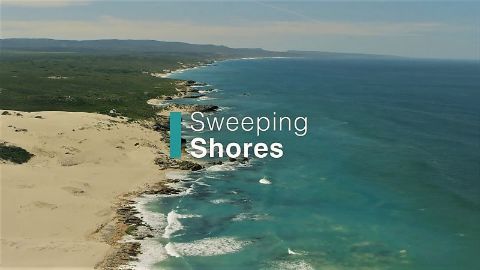
On the rocky southern tip of Africa lies a narrow peninsula held hostage by the elements. From pounding ice-cold waves to relentless sun, the extreme conditions demand toughness and adaptability from its resident wildlife.
2016 • Nature
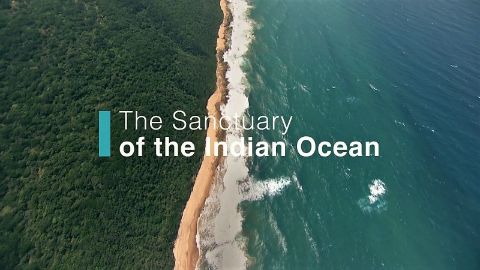
Just off the southern coast of Africa, beneath the warm waters of the Indian Ocean, lies a safe zone created by a unique confluence of geography and climate: a sanctuary with a vibrant concentration of dazzling aquatic life. Embark on an underwater adventure into a marine wilderness stronghold.
2016 • Nature
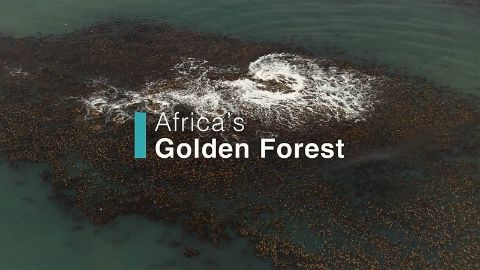
At the southern tip of Africa lies an underwater forest of haunting beauty. Venture into the depths of this singular world of strange plants and exotic sex-changing fish as they take refuge in this fertile and unique ecosystem.
2016 • Nature
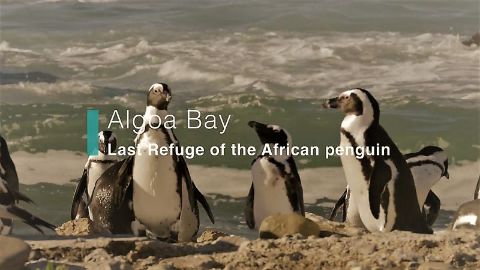
On the southern coast of Africa lies Algoa Bay--a protected refuge for the continent's only penguin species. Join them in their quest for survival as they brave unforgiving elements to build an unlikely marine community.
2016 • Nature
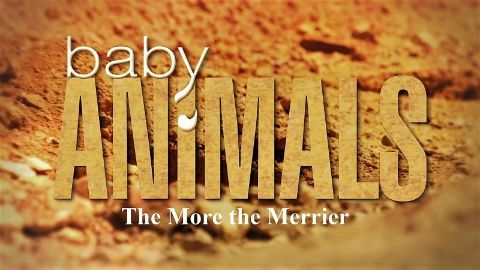
Some species need to be part of a group to survive--more so when they're in their infancy and taking their first, uncertain steps into the world. Join in the rough-and-tumble lives of black bear cubs, playful meerkat pups, and adorable fur seals.
S1E3 • Baby Animals • 2016 • Nature
From penguins whose salt-removing eye glands shield them from the harsh ocean to caterpillars whose fake facial markings are meant to mimic a snake's, animals have evolved in amazing ways to see and be seen. Meet these creatures and see how they use eyes and illusions to their advantage.
S1E4 • Mysteries of Evolution • 2017 • Nature
With a million species at risk of extinction, Sir David Attenborough explores how this crisis of biodiversity has consequences for us all, threatening food and water security, undermining our ability to control our climate and even putting us at greater risk of pandemic diseases. Extinction is now happening up to 100 times faster than the natural evolutionary rate, but the issue is about more than the loss of individual species. Everything in the natural world is connected in networks that support the whole of life on earth, including us, and we are losing many of the benefits that nature provides to us. The loss of insects is threatening the pollination of crops, while the loss of biodiversity in the soil also threatens plants growth. Plants underpin many of the things that we need, and yet one in four is now threatened with extinction. Last year, a UN report identified the key drivers of biodiversity loss, including overfishing, climate change and pollution. But the single biggest driver of biodiversity loss is the destruction of natural habitats. Seventy-five per cent of Earth's land surface (where not covered by ice) has been changed by humans, much of it for agriculture, and as consumers we may unwittingly be contributing towards the loss of species through what we buy in the supermarket. Our destructive relationship with the natural world isn’t just putting the ecosystems that we rely on at risk. Human activities like the trade in animals and the destruction of habitats drive the emergence of diseases. Disease ecologists believe that if we continue on this pathway, this year’s pandemic will not be a one-off event.
2020 • Nature
The final episode deals with the evolution of the most widespread and dominant species on Earth: humans. The story begins in Africa, where, some 10 million years ago, apes descended from the trees and ventured out into the open grasslands in search of food. They slowly adapted to the habitat and grew in size. Their acute sense of vision led to them standing erect to spot predators, leaving their hands free to bear weapons. In addition, the primitive apemen also had stones that were chipped into cutting tools. Slowly, they grew taller and more upright, and their stone implements became ever more elaborate.
13/13 • Life on Earth • 1979 • Nature
Liz Bonnin presents a controversial and provocative episode of Horizon, investigating how new scientific research is raising hard questions about zoos - the film explores how and why zoos keep animals, and whether they need to change to keep up with modern science, or ultimately be consigned to history. Should zoos cull their animals to manage populations? Liz travels to Copenhagen Zoo, who killed a giraffe and fed it to the lions, to witness their culling process first hand. They think it is a natural part of zoo keeping that is often swept under the carpet. Should some animals never be kept in captivity? In a world exclusive, Liz visits SeaWorld in Florida and asks if captivity drove one of their orcas to kill his trainer. But could zoos be the answer to conserving endangered species? Liz examines their record, from helping breed pandas for the wild to efforts to save the rhinos. She meets one of the last surviving northern white rhinos and discovers the future of this species now lies in a multimillion-dollar programme to engineer them for stem cells. Veteran conservation scientist Dr Sarah Bexell tells Liz the science of captive breeding is giving humanity false hope.
What is it that makes things alive? What if we made robots that could sustain themselves? What if they could mine metals or recycle old robots, reprogram and remake themselves? There's nothing there we would traditional call alive, but they would have at least have the essence of this perpetual rube Goldberg machine.
This Place • 2014 • Nature