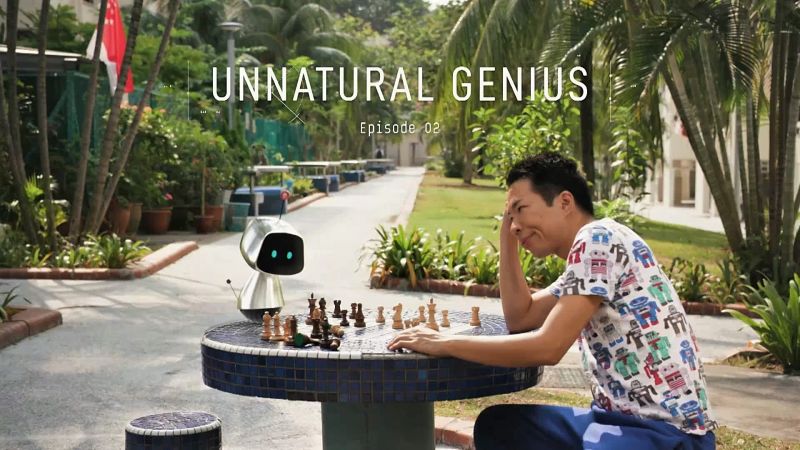
Enlai explores if we can truly love artificial intelligence, and teach it to love us back. He meets impassioned love robots and chatbots trained on memories of people, living and dead.
Hope you're finding these documentaries fascinating and eye-opening. It's just me, working hard behind the scenes to bring you this enriching content.
Running and maintaining a website like this takes time and resources. That's why I'm reaching out to you. If you appreciate what I do and would like to support my efforts, would you consider "buying me a coffee"?
BTC: bc1q8ldskxh4x9qnddhcrgcun8rtvddeldm2a07r2v
ETH: 0x5CCAAA1afc5c5D814129d99277dDb5A979672116
With your donation through , you can show your appreciation and help me keep this project going. Every contribution, no matter how small, makes a significant impact. It goes directly towards covering server costs.
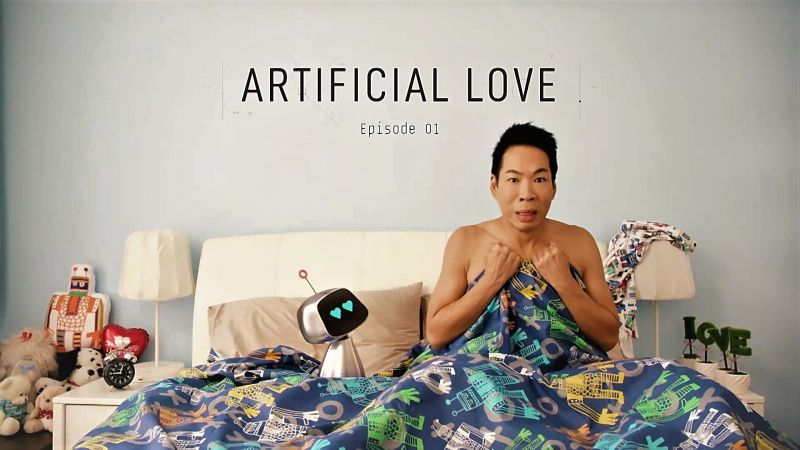
Enlai explores if we can truly love artificial intelligence, and teach it to love us back. He meets impassioned love robots and chatbots trained on memories of people, living and dead.
2020 • Technology
Enlai explores how natural intelligence inspires artificial intelligence. He meets A.I. that is trained to think like artists, musicians, doctors, and scientists, and he learns how A.I. can outsmart us
2020 • Technology
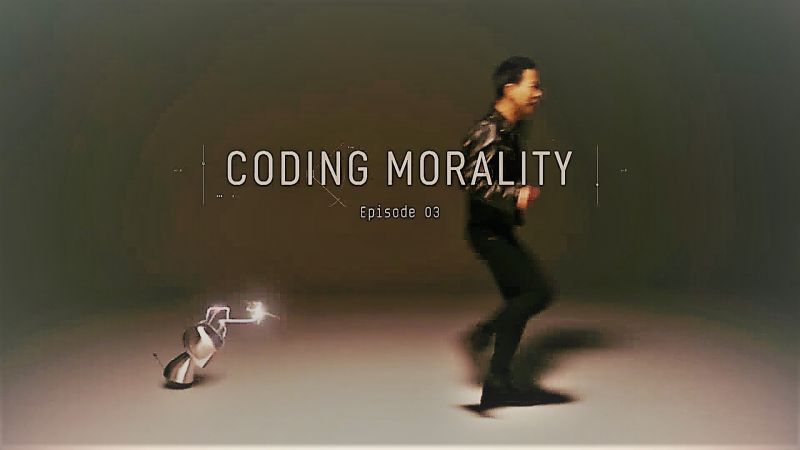
Should a machine know right from wrong? Enlai explores how law, ethics, and spirituality shapes artificial intelligence.
2020 • Technology
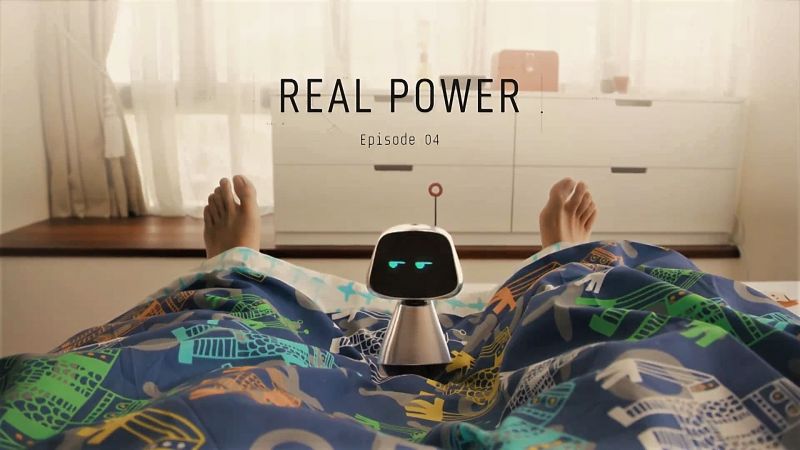
Who will have real power over artificial intelligence? Chua Enlai examines the pursuit of A.I. in America, China, Sweden, and Singapore.
2020 • Technology
Hannah Fry discovers the hidden WWII radar technology that heats up baked beans, learns the legend of the melted candy bar in an engineer’s pocket that kick-started a kitchen revolution and puts her life on the line to demonstrate why microwaves zap food but not people!
S2E4 • The Secret Genius of Modern Life • 2023 • Technology
Only in the last 200 years have humans learned how to make things cold. Steven Johnson explains how ice entrepreneur Frederic Tudor made ice delivery one of the biggest export business in the U.S. and describes the place where Clarence Birdseye, the father of the frozen food industry, experienced his eureka moment. He also travels to Dubai to see how mastery of cold has led to penguins in the desert. From IVF to food, politics and Hollywood to human migration, the unsung heroes of cold have led the way.
S1E5 • How We Got to Now • 2014 • Technology
The buzzword in the space industry now is tourism. Private companies have moved into space research, with the philosophy that the best way to extend man's reach into space is to promote it as a tourist destination.
13/13 • The Amazing World Of Aviation • 2009 • Technology
With the rapid emergence of digital devices, an unstoppable, invisible force is changing human lives in ways from the microscopic to the gargantuan: Big Data, a word that was barely used a few years ago but now governs the day for almost all of us. This award-winning film explores how the real time visualization of data streaming in from satellites, billions of sensors and GPS enabled cameras and smart phones is beginning to enable us, as individuals and collectively as a society, to sense, measure and understand aspects of our existence in ways never possible before. Together these devices are helping create a new kind of planetary nervous system. This massive gathering and analyzing of data in real time is also allowing us to address to some of humanity biggest challenges, including pollution, world hunger, and illness. But as Edward Snowden and the release of the NSA documents have shown, the accessibility of all this data comes at a steep price.
NOVA PBS • 2016 • Technology
Jason Silva is a positive futurist who wants us to be excited about "the adjacent possible" and the ways we need to embrace the coming technological changes -- the "tools" that will change us as a people and alter humankind.
S1E4 • Curiosity Retreats: 2015 Lectures • 2015 • Technology
From the Stone Age to the Silicon Age, materials have helped drive forward our civilisation. By manipulating materials we have been able to transform our world and our lives - and never more so than in the past century when we have discovered and designed more materials than at any other time in human history. (Part 3: Ceramic) Professor Mark Miodownik traces the story of ceramics. He looks at how we started with simple clay, sand and rock and changed them into pottery, glass and concrete - materials that would allow us to build cities, transform the way we view our world and communicate at the speed of light. Deep within their inner structure Mark discovers some of ceramics' most intriguing secrets. He reveals why glass can be utterly transparent, why concrete continues to harden for hundreds of years and how cooling ceramics could transform the way we power cities of the future.
S1E3 • How It Works • 2012 • Technology