Grasslands • 2025 • episode "S1E2" The Future of Nature

Category: Nature | Torrent: | Subtitle:

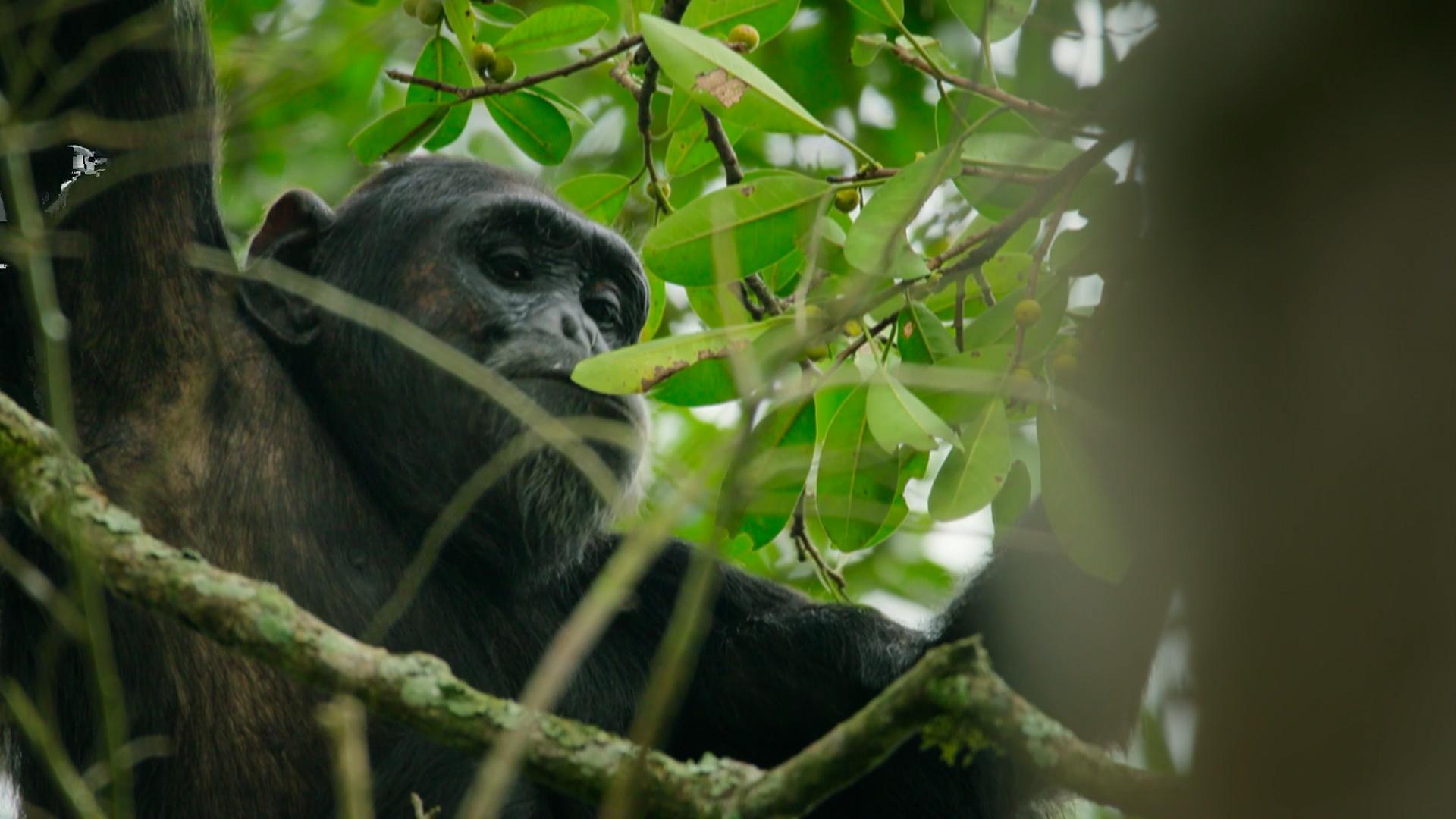
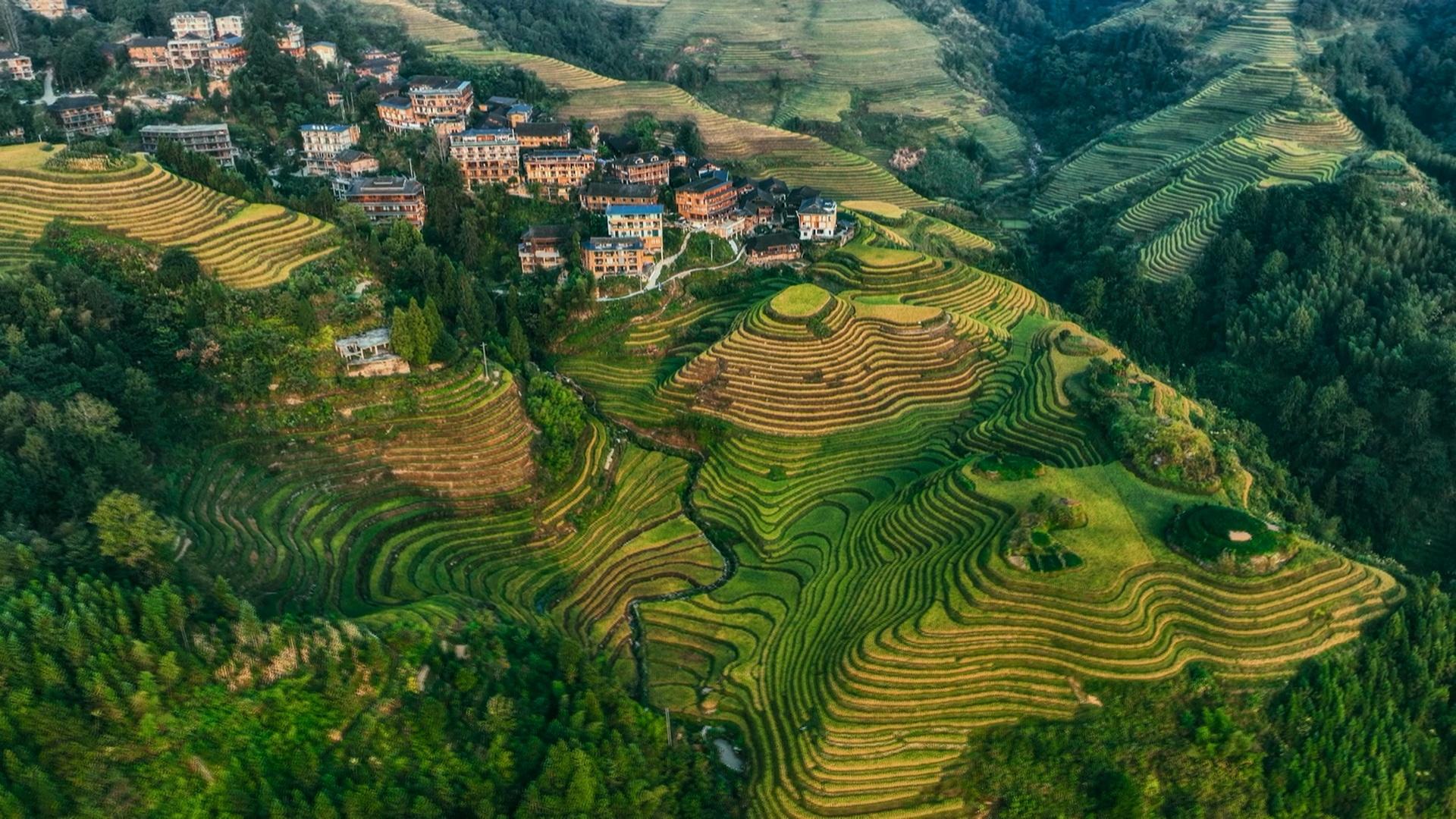
Glimpse into grasslands where the biggest animal numbers are found, and see how animal life helps to draw down carbon.

Make a donation

Buy a brother a hot coffee? Or a cold beer?

Hope you're finding these documentaries fascinating and eye-opening. It's just me, working hard behind the scenes to bring you this enriching content.

Running and maintaining a website like this takes time and resources. That's why I'm reaching out to you. If you appreciate what I do and would like to support my efforts, would you consider "buying me a coffee"?

Donation addresses

Buy Me a Coffee at ko-fi.com

patreon.com

BTC: bc1q8ldskxh4x9qnddhcrgcun8rtvddeldm2a07r2v

ETH: 0x5CCAAA1afc5c5D814129d99277dDb5A979672116

With your donation through , you can show your appreciation and help me keep this project going. Every contribution, no matter how small, makes a significant impact. It goes directly towards covering server costs.
The Future of Nature • 2025 • 4 episodes •

Oceans

How oceans and organisms within them play a fundamental role in removing carbon from the atmosphere.

2025 • Nature

Grasslands

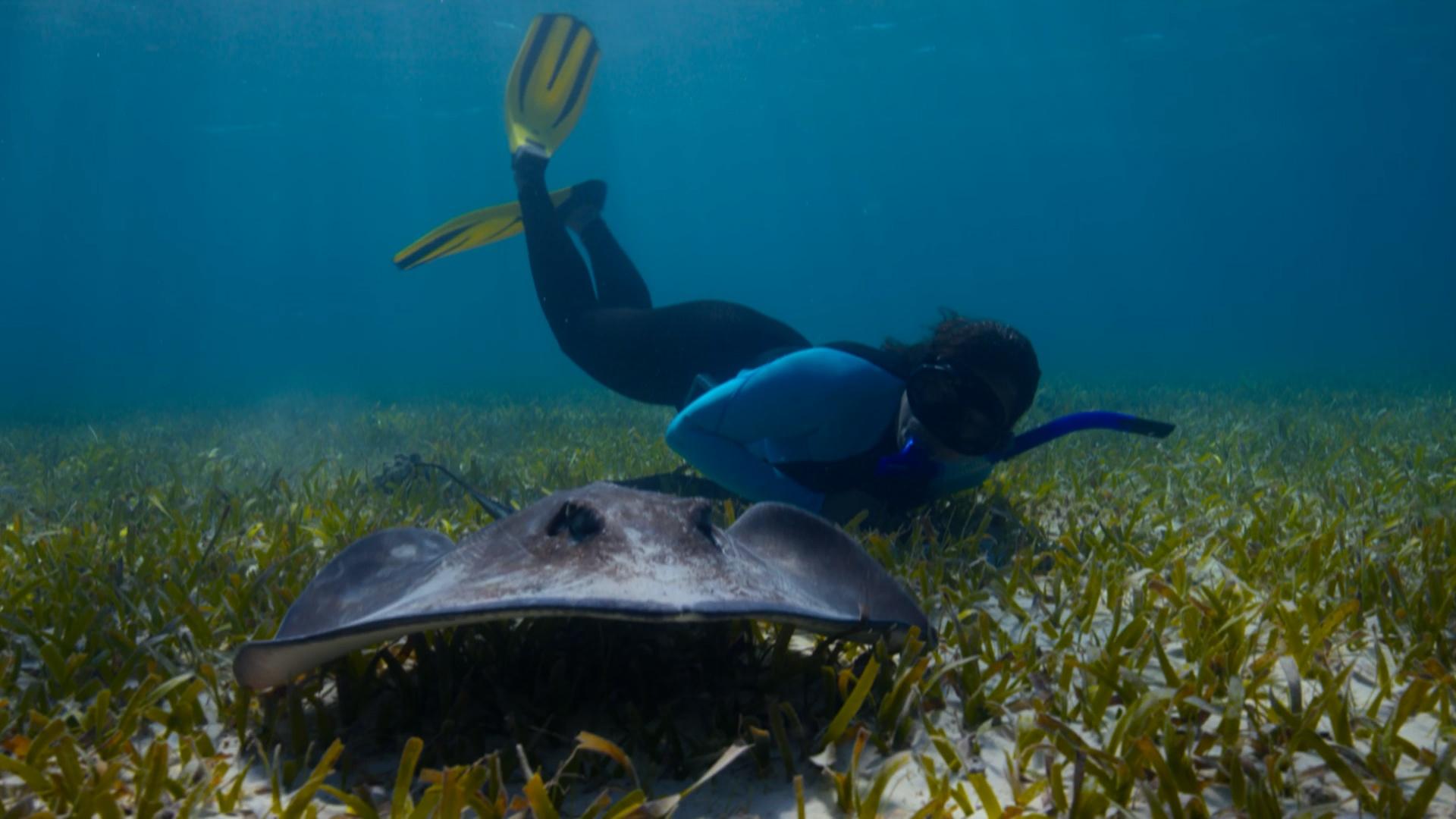
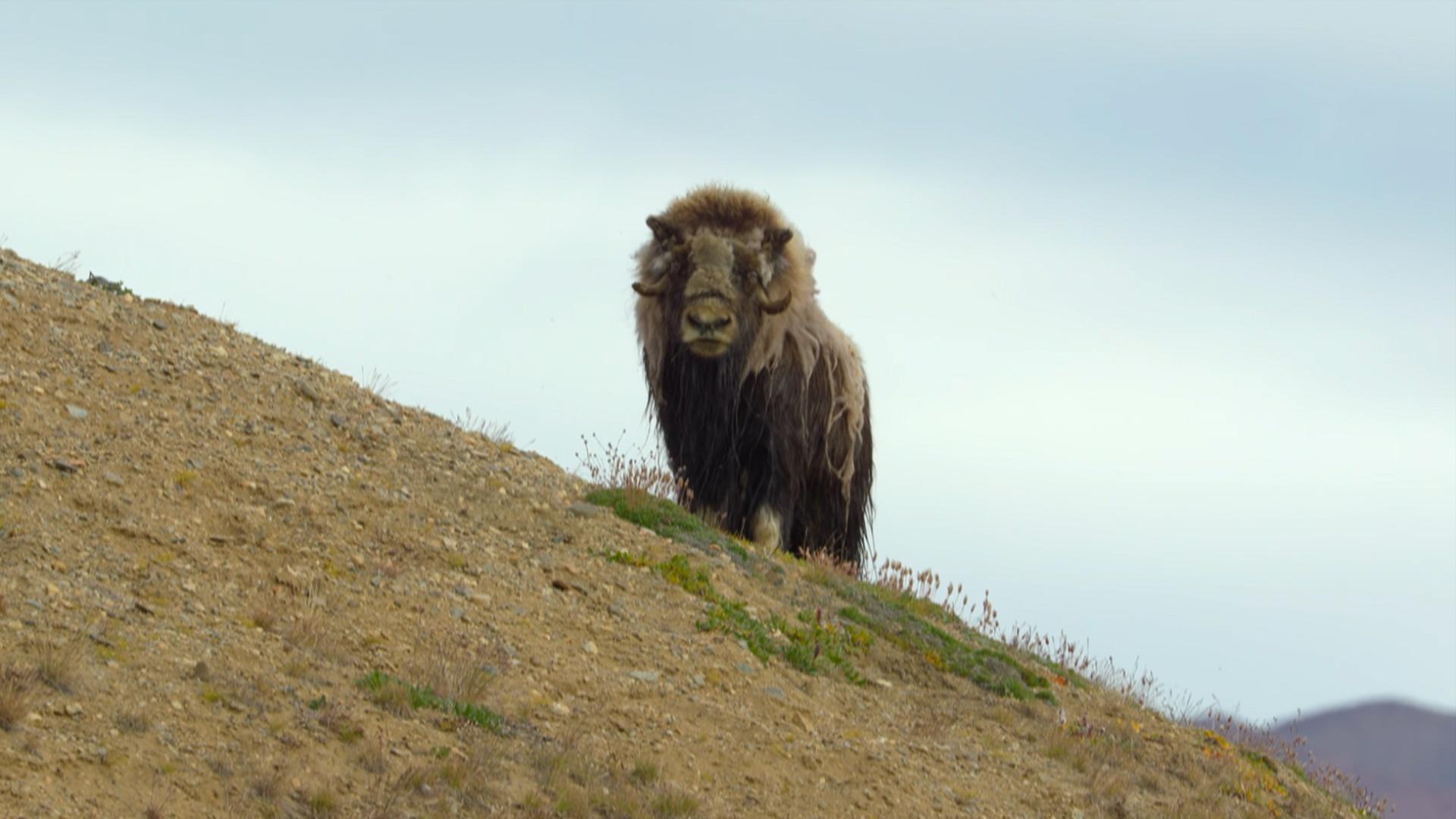
Glimpse into grasslands where the biggest animal numbers are found, and see how animal life helps to draw down carbon.

2025 • Nature

Forests

A look at how forest ecosystems reduce global carbon levels and effect climate, meeting the people working to improve biodiversity, saving keystone species and using Indigenous wisdom to rebuild and restore our forests.

2025 • Nature

Humans

This episode examines how people can work with nature to make this world thrive.

2025 • Nature

You might also like

On Thin ice

David Attenborough journeys to both Polar Regions to investigate what rising temperatures will mean for the people and wildlife that live there and for the rest of the planet. David starts out at the North Pole, standing on sea ice several metres thick, but which scientists predict could be Open Ocean within the next few decades. The Arctic has been warming at twice the global average, so David heads out with a Norwegian team to see what this means for polar bears. He comes face-to-face with a tranquilised female, and discovers that mothers and cubs are going hungry as the sea ice on which they hunt disappears. In Canada, Inuit hunters have seen with their own eyes what scientists have seen from space; the Arctic Ocean has lost 30% of its summer ice cover over the last 30 years. For some, the melting sea ice will allow access to trillions of dollars worth of oil, gas and minerals. For the rest of us, it means the planet will get warmer, as sea ice is important to reflect back the sun's energy. Next David travels to see what's happening to the ice on land: in Greenland, we follow intrepid ice scientists as they study giant waterfalls of meltwater, which are accelerating iceberg calving events, and ultimately leading to a rise in global sea level. Temperatures have also risen in the Antarctic - David returns to glaciers photographed by the Shackleton expedition and reveals a dramatic retreat over the past century. It's not just the ice that is changing - ice-loving adelie penguins are disappearing, and more temperate gentoo penguins are moving in. Finally, we see the first ever images of the largest recent natural event on our planet - the break up of the Wilkins Ice Shelf, an ice sheet the size of Jamaica, which shattered into hundreds of icebergs in 2009.

S1E7Frozen Planet • 2011 • Nature

New England

New England is the stage for the most incredible colour change on earth, when the vivid greens of summer give way to the gold’s and reds of autumn. This film reveals how this vibrant fiesta is created by the battles between the trees and the forests' inhabitants. Moose, chipmunks, rattlesnakes and a bizarre mixture of caterpillars all play a crucial role, but surprisingly the forest itself was made so colourful thanks to a combination of hard work by beavers, ants and humans.

S1E1Earth's Greatest Spectacles • 2016 • Nature

Virgin Births

Sir David Attenborough uses this episode to investigate two animals who are capable of true virgin birth - the production of offspring without the need for sex.

S2E1Natural CuriositiesNature

Line of Fire

As drought grips the kingdom, mothers battle to save their young from a terrible fate.

S4E4Savage Kingdom • 2020 • Nature

Sea of Cortez

In three decades, the waters around the remote village of Cabo Pulmo have gone from wildly biodiverse, to barren, to a bountiful and pristine haven for mighty sharks and flying rays once again. See how local fishermen ultimately turned back the clock, restoring one of the world's most majestic coral reefs.

7Great Blue Wild • 2017 • Nature

Saving Asia

Concludes with a look at the work of people striving to protect Asia's endangered wildlife, and what routes conservation could take in the future. In Japan, scientists take pregnant sharks, killed accidentally in fishing nets, and rescue their unborn young in an incubating system that simulates a womb. The programme also visits a village that used to be a hotbed of poaching and is now a centre for bird tourism.

S1E7Asia • 2024 • Nature