How oceans and organisms within them play a fundamental role in removing carbon from the atmosphere.
Hope you're finding these documentaries fascinating and eye-opening. It's just me, working hard behind the scenes to bring you this enriching content.
Running and maintaining a website like this takes time and resources. That's why I'm reaching out to you. If you appreciate what I do and would like to support my efforts, would you consider "buying me a coffee"?
BTC: bc1q8ldskxh4x9qnddhcrgcun8rtvddeldm2a07r2v
ETH: 0x5CCAAA1afc5c5D814129d99277dDb5A979672116
With your donation through , you can show your appreciation and help me keep this project going. Every contribution, no matter how small, makes a significant impact. It goes directly towards covering server costs.
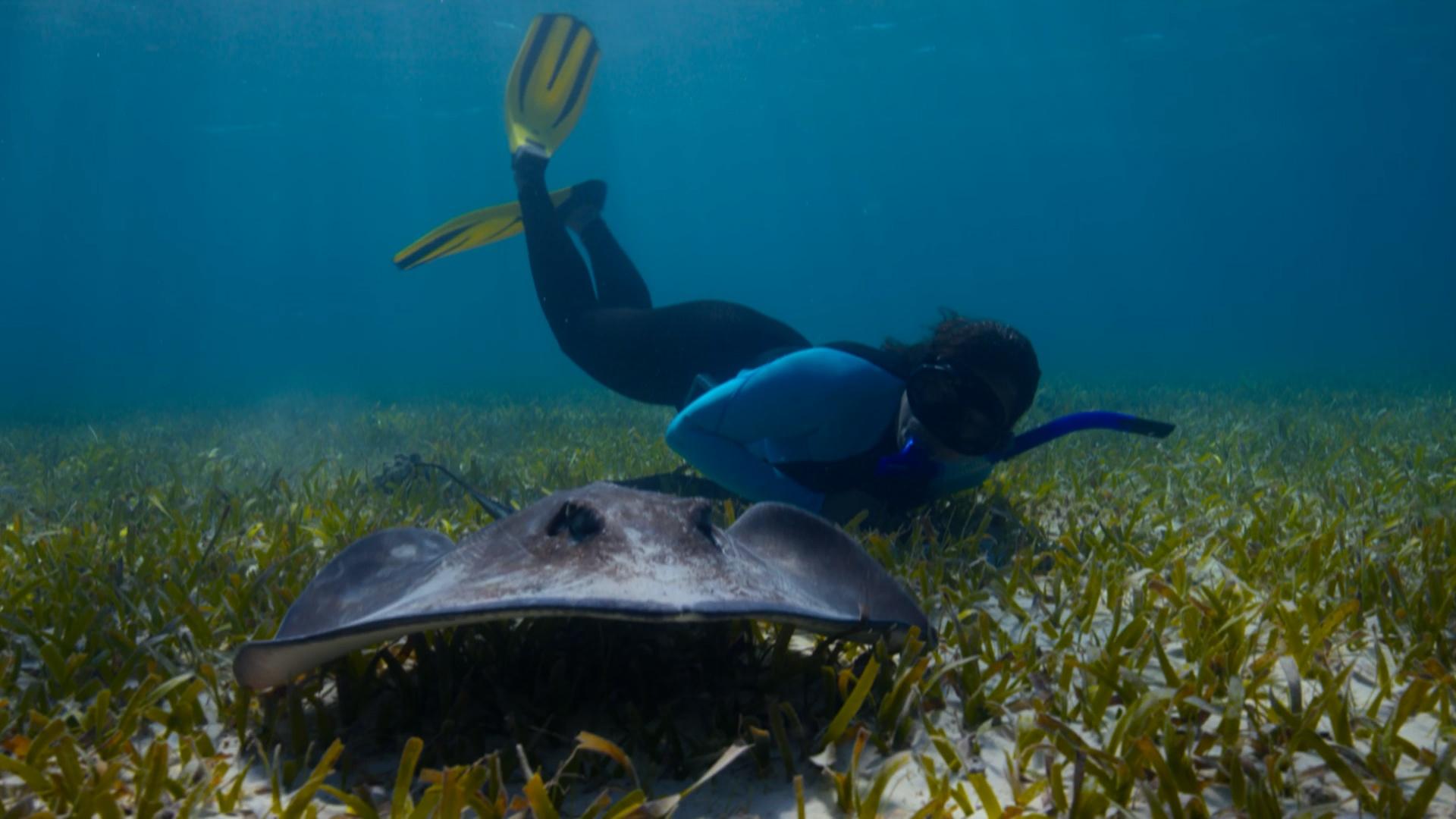
Glimpse into grasslands where the biggest animal numbers are found, and see how animal life helps to draw down carbon.
2025 • Nature
This extended special of the nature documentary series journeys from the equator to the unexplored depths, meeting the best-loved characters from the series.
S1E8 • Blue Planet II • 2018 • Nature
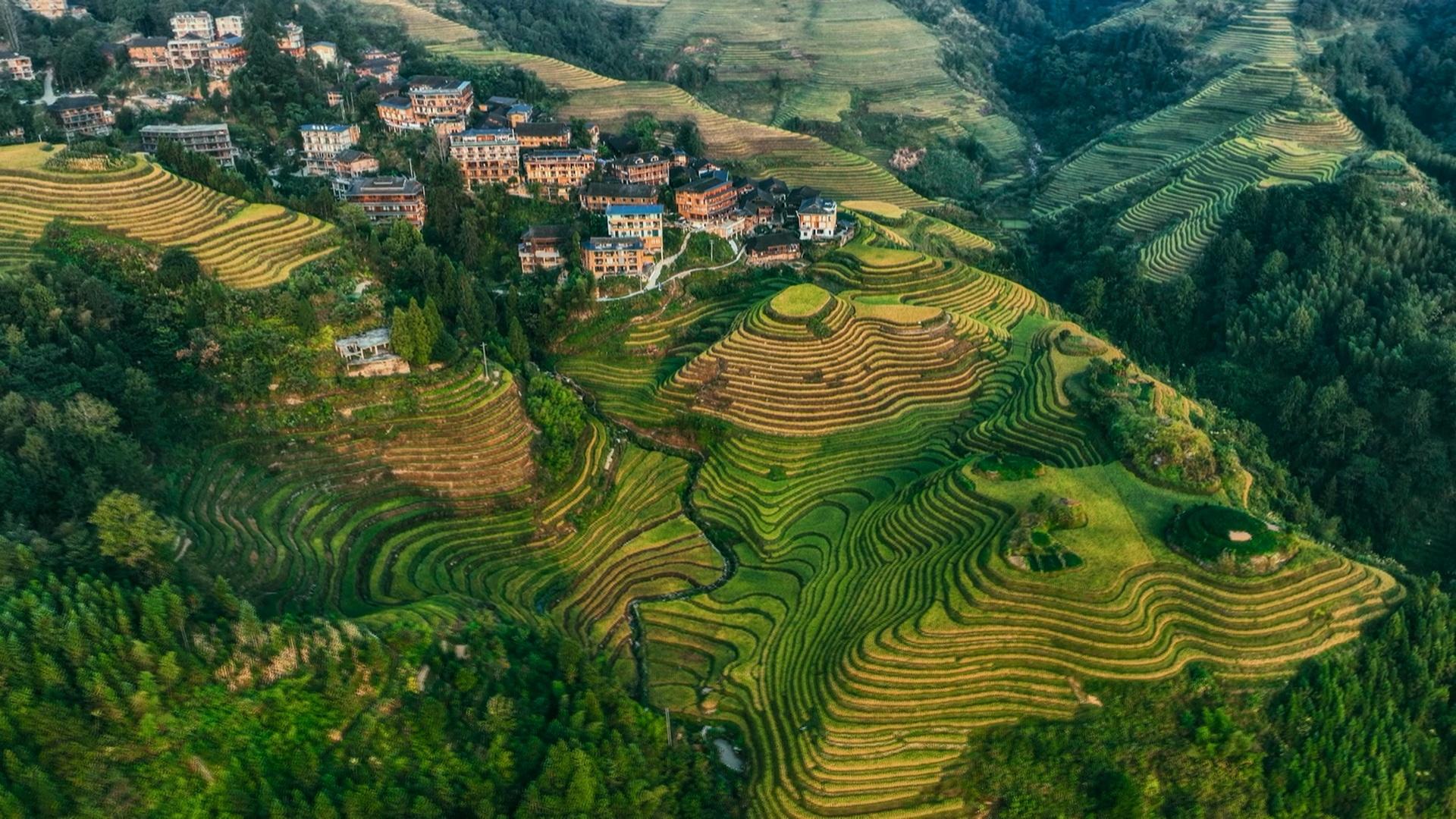
Asia - the most varied and extreme continent - stretching from the Arctic Circle to the equator. Walrus gather in huge numbers in the frozen north and brown bears roam remote Russian volcanoes. This is a world of the rarely seen, from yeti-like monkeys in the mountain forests of China to the most bizarre predator in the baking deserts of Iran. Asia is the largest of all continents but it seems there’s not enough space for wildlife. The deep jungles provide sanctuary for the last few Sumatran rhino.
S1E2 • Seven Worlds, One Planet • 2019 • Nature
This episode discusses the human exploration of Antarctica, in particular the mission led by Captain Robert Falcon Scott, whose team died on the way back from the South Pole. It shows the scientific work in the modern human bases in Antarctica, especially Mawson Base and its observation of Adelie Penguins (partially through tracking devices).
Life in the Freezer • 2003 • Nature
Be it buffalo, polar bears, humpback whales or albatross chicks, migration is a vital survival strategy for animals to feed, reproduce and find homes.
S2E1 • Our Planet • 2023 • Nature
The Galapagos Islands are home to some animals that washed up on the islands millions of years ago and have made adaptations. Penguins, iguanas, tortoises and cormorants have changed so they can survive the harsh climate. But possibly the oddest adaptation is that of the Vampire finch.
S1E2 • Wild Galapagos • 2017 • Nature
From around three months old, the animal babies can all get around on their own, but that means the impact of their environment and the struggle to find food really begin to hit home.
S1E2 • Animal Babies: First Year on Earth • 2019 • Nature