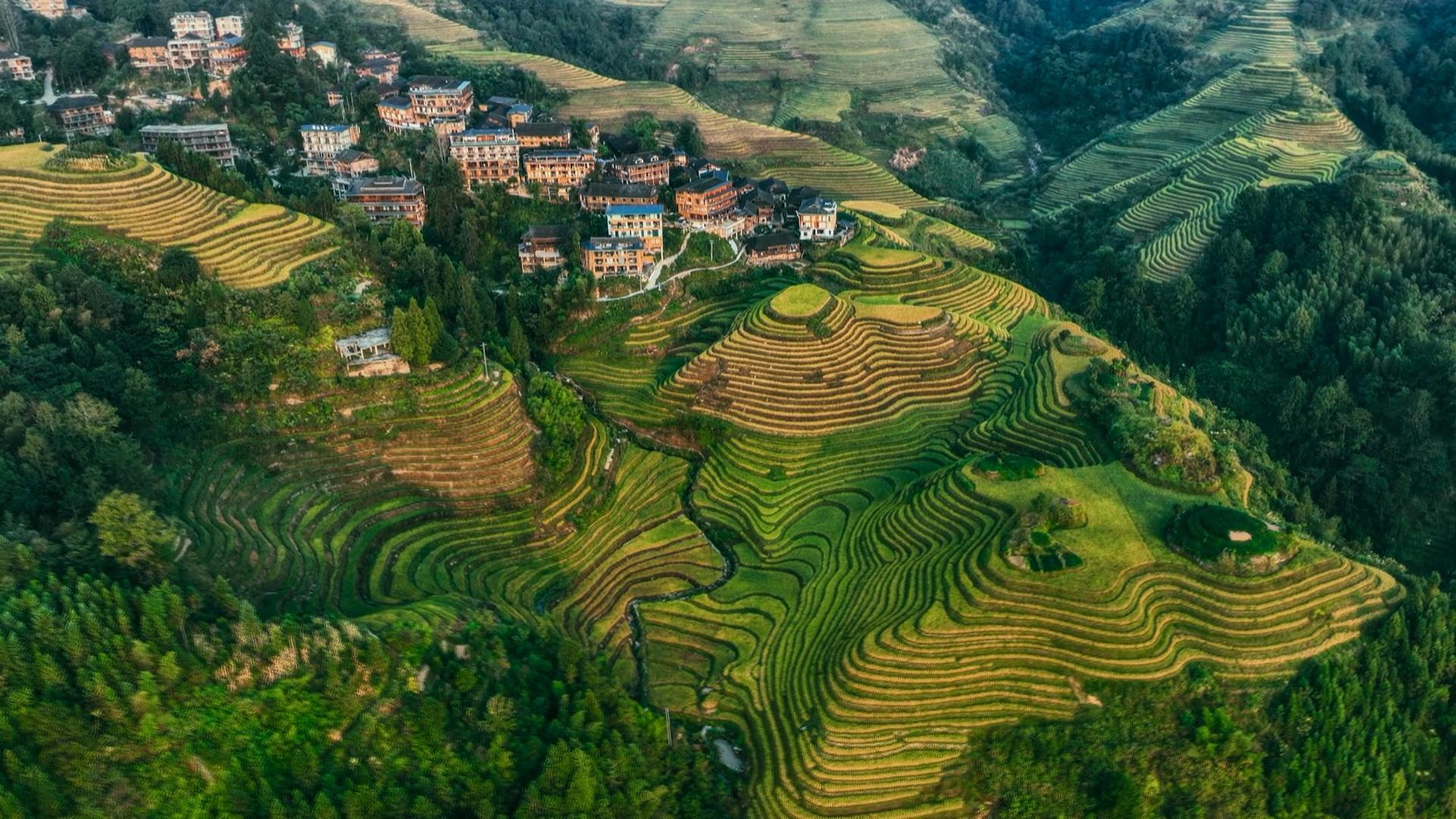
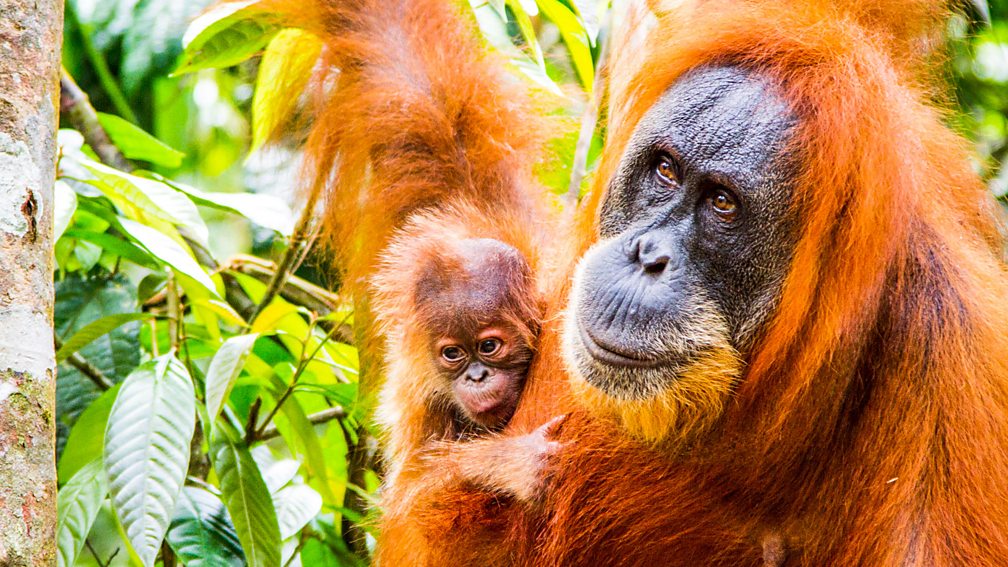
This episode examines how people can work with nature to make this world thrive.
Hope you're finding these documentaries fascinating and eye-opening. It's just me, working hard behind the scenes to bring you this enriching content.
Running and maintaining a website like this takes time and resources. That's why I'm reaching out to you. If you appreciate what I do and would like to support my efforts, would you consider "buying me a coffee"?
BTC: bc1q8ldskxh4x9qnddhcrgcun8rtvddeldm2a07r2v
ETH: 0x5CCAAA1afc5c5D814129d99277dDb5A979672116
With your donation through , you can show your appreciation and help me keep this project going. Every contribution, no matter how small, makes a significant impact. It goes directly towards covering server costs.
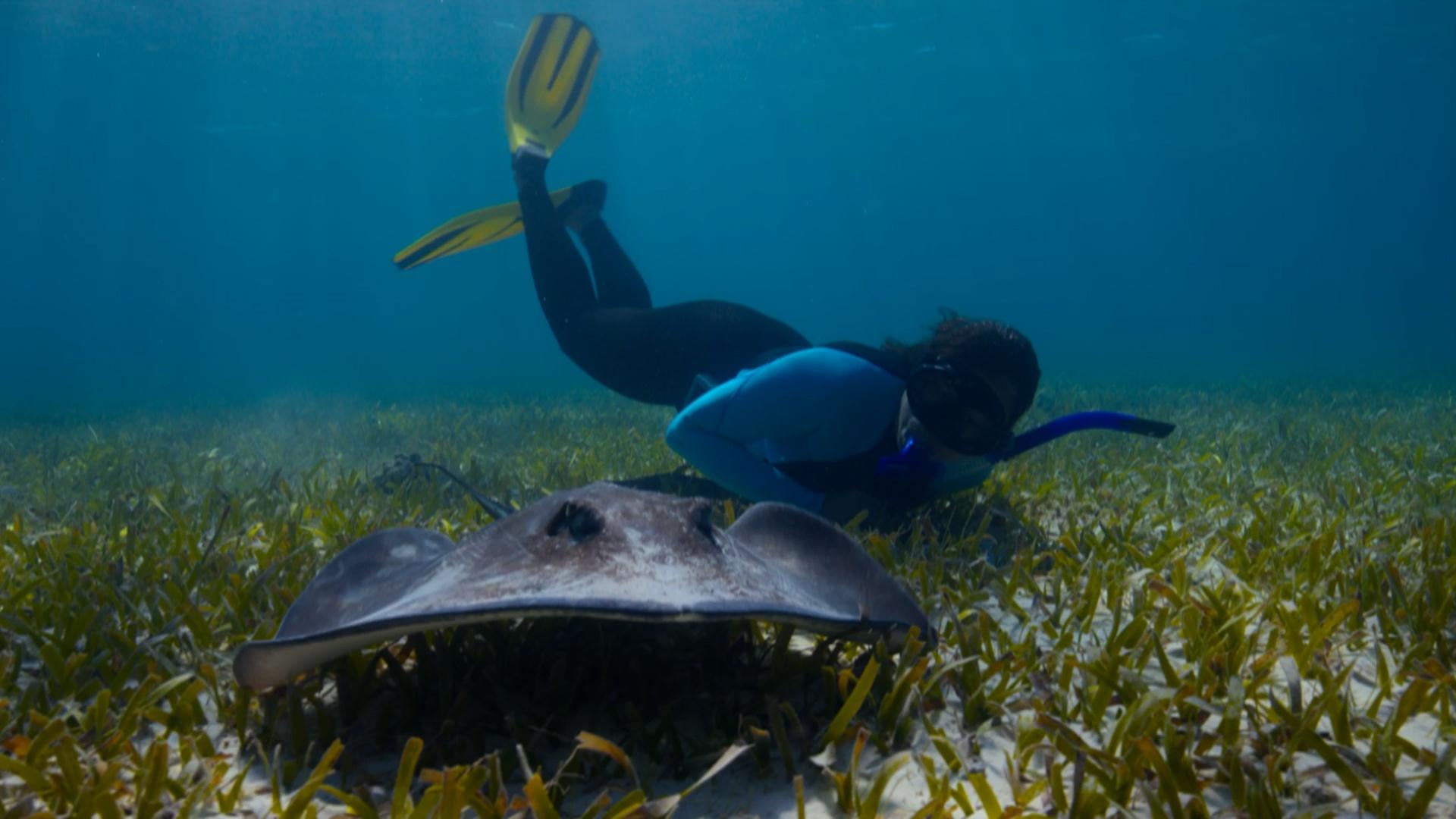
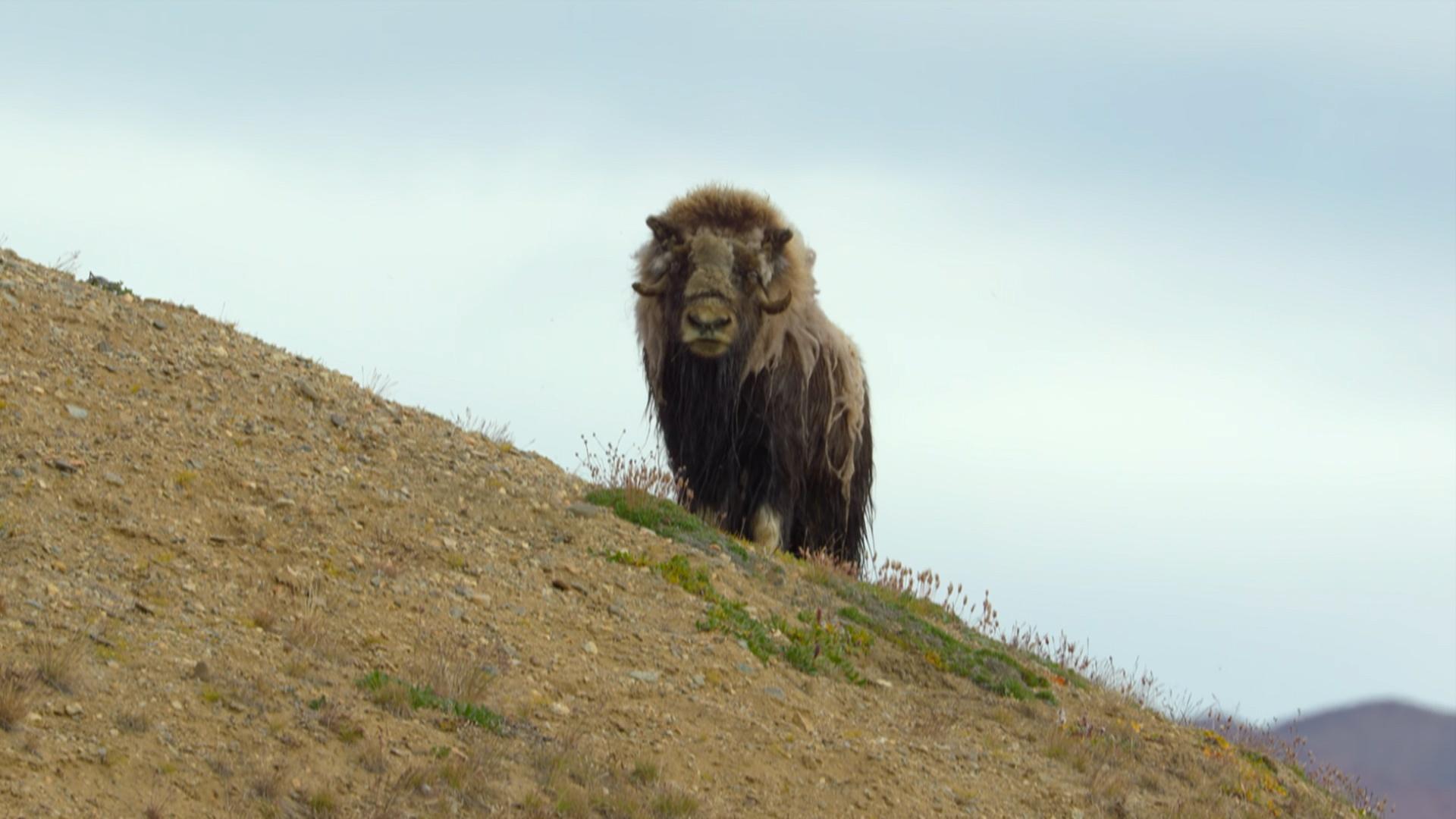
Glimpse into grasslands where the biggest animal numbers are found, and see how animal life helps to draw down carbon.
2025 • Nature
Life and Death explores the impact of Darwin’s ideas on our understanding of the meaning of extinction and the interconnections between all life on earth and the environment. Darwin learned many lessons from the giant fossils of extinct animals he found in Argentina and Chile. He eventually revealed to us the unpalatable truth that the logical conclusion to evolution is not perfection but extinction. The extinction of one species creates an environmental niche for new species to fill. Darwin’s theory also gives us vital knowledge we can use to help prolong the existence of our species by respecting the interconnections between all elements of the natural world and the environment. It’s a story in which Darwin’s ideas are taken up with great enthusiasm by his followers throughout the 20th century. But humanity misses one opportunity after another to acknowledge and reduce its destructive impact on the planet. As a result we have set in motion the sixth mass extinction of life on earth. And we are running out of time to do something about it by preserving ecological "hotspots" like certain rainforests which are some of the most productive cradles of evolution. This programme is a warning, but also a celebration, of the knowledge Charles Darwin gave us in his theory of evolution. It confirms that Darwin’s theory continues to inform our understanding of ourselves, our planet and the intricate interconnections between all life on earth.
S1E3 • Darwin's Dangerous Idea • 2009 • Nature
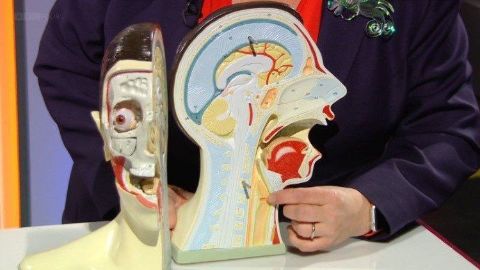
Sophie is joined in the theatre by chirping crickets, hissing cockroaches and groaning deer to reveal the very different ways that animals have adapted their bodies to send audible messages that are vital to their species. She also explores how and why the human voice evolved to become the most versatile sound producer in the natural world. She demonstrates what sound actually is and how it travels. Unpacking the power behind sound, she uses it to shatter glass and reveal how the human body can resonate in a way that amplifies our voices to send our messages further. She also explores how different species use very different frequencies to communicate and why humans can only hear a fraction of these animal messages. Finally, she investigates why we all have unique vocal prints, and how computers are learning to recognise these.
S1E1 • Royal Institution Christmas Lectures: The Language of Life • 2017 • Nature
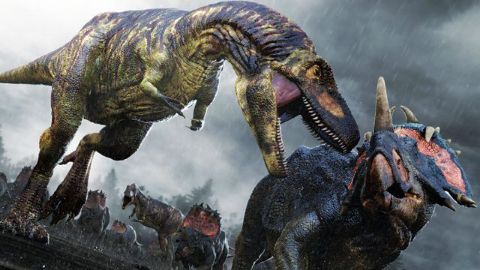
The third episode looks at the last generation of killer dinosaurs - carnivores that took killing to a new level. By the end of the cretaceous period - 75 millions years ago - these gigantic and specialised hunter-killers had spread throughout the globe. In the southern continents it was the powerful and muscular abelisaurids that reigned supreme but it was the famous tyrannosaurids (or tyrant dinosaurs) that dominated in the north. Whilst the northern daspletosaurus hunted in gangs, using its highly developed smell and hearing to take down opponents like the horned rhino-sized beast, chasmosaurus, in the Southern hemisphere the small-skulled majungasaurus reigned. And though the sharp toothed majungasaurus was an efficient killer of the much smaller feathered rahonavis that did not stop it from occasionally turning cannibal and hunting its own.
S1E3 • Planet Dinosaur • 2011 • Nature
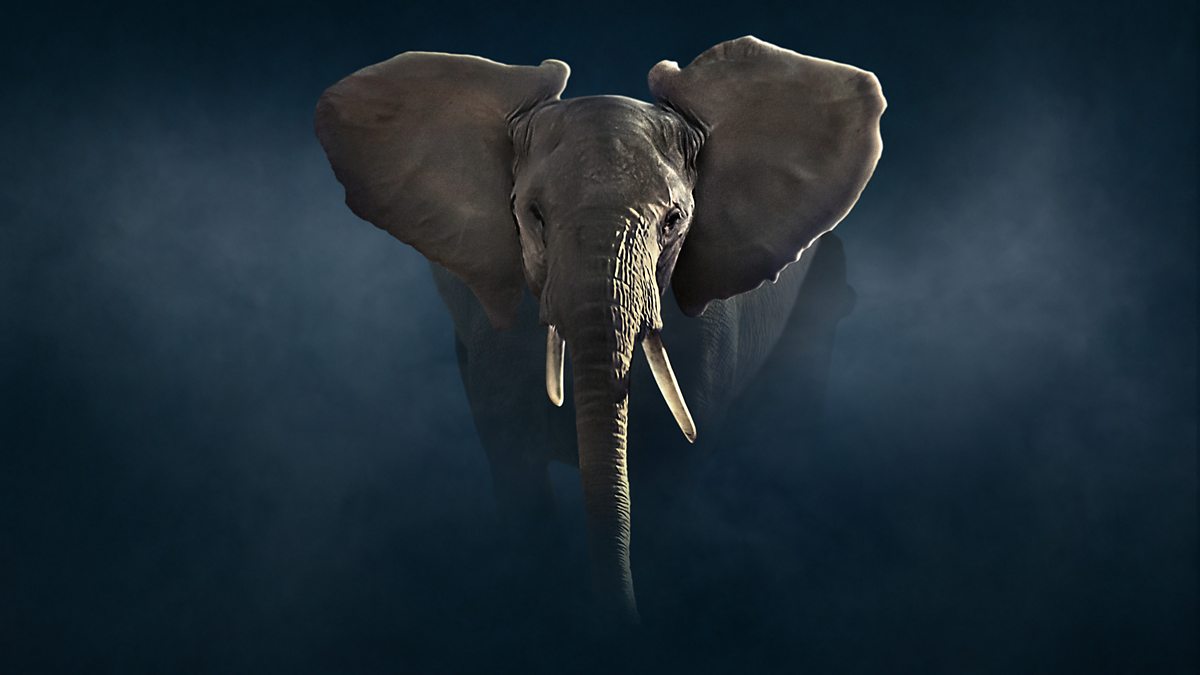
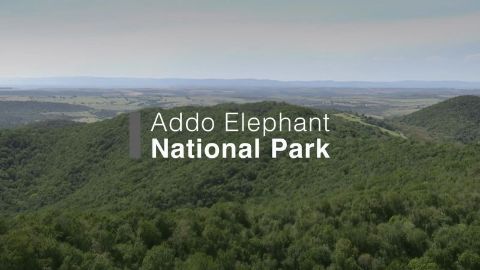
The vast plains of Addo Elephant National Park stretch more than 600 square miles into South Africa's interior. Embark on a thrilling journey through this unique wilderness sanctuary and meet its most endangered resident: the African elephant.
S1E1 • Great Parks of Africa • 2017 • Nature
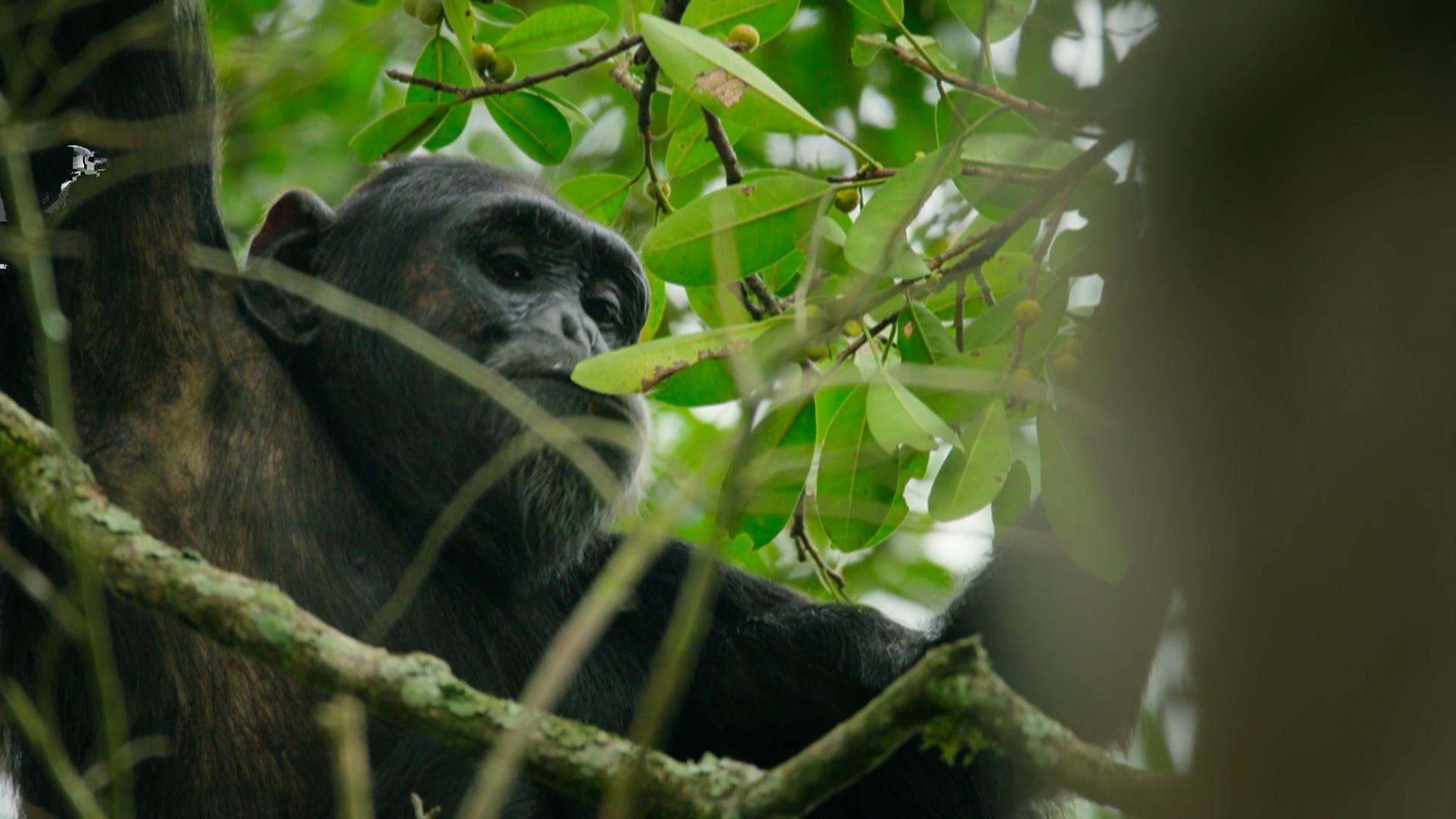
With more than half of all primate species threatened with extinction, this episode follows scientists and conservationists working to understand and protect our closest animal relatives through groundbreaking research and conservation efforts.