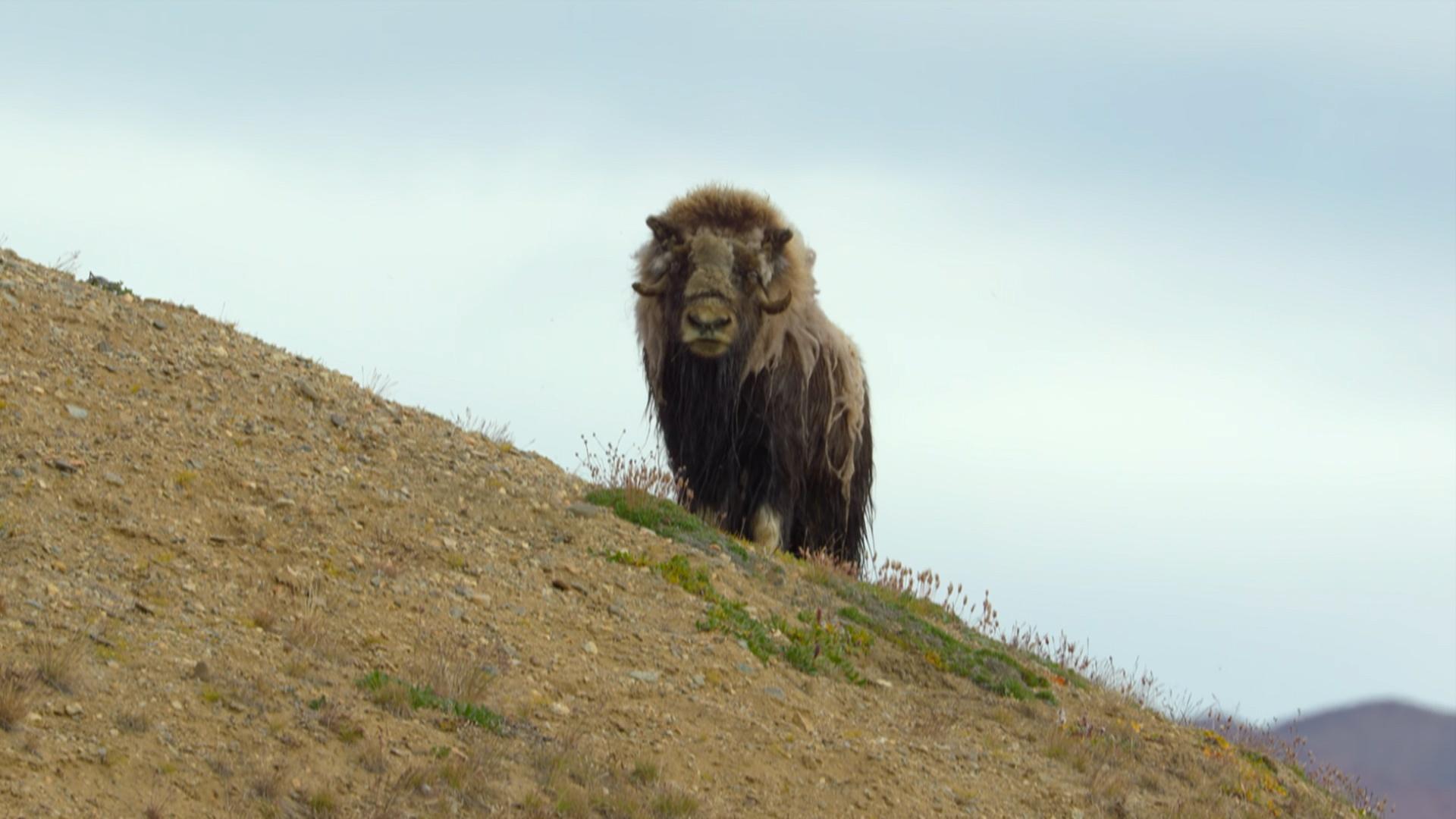
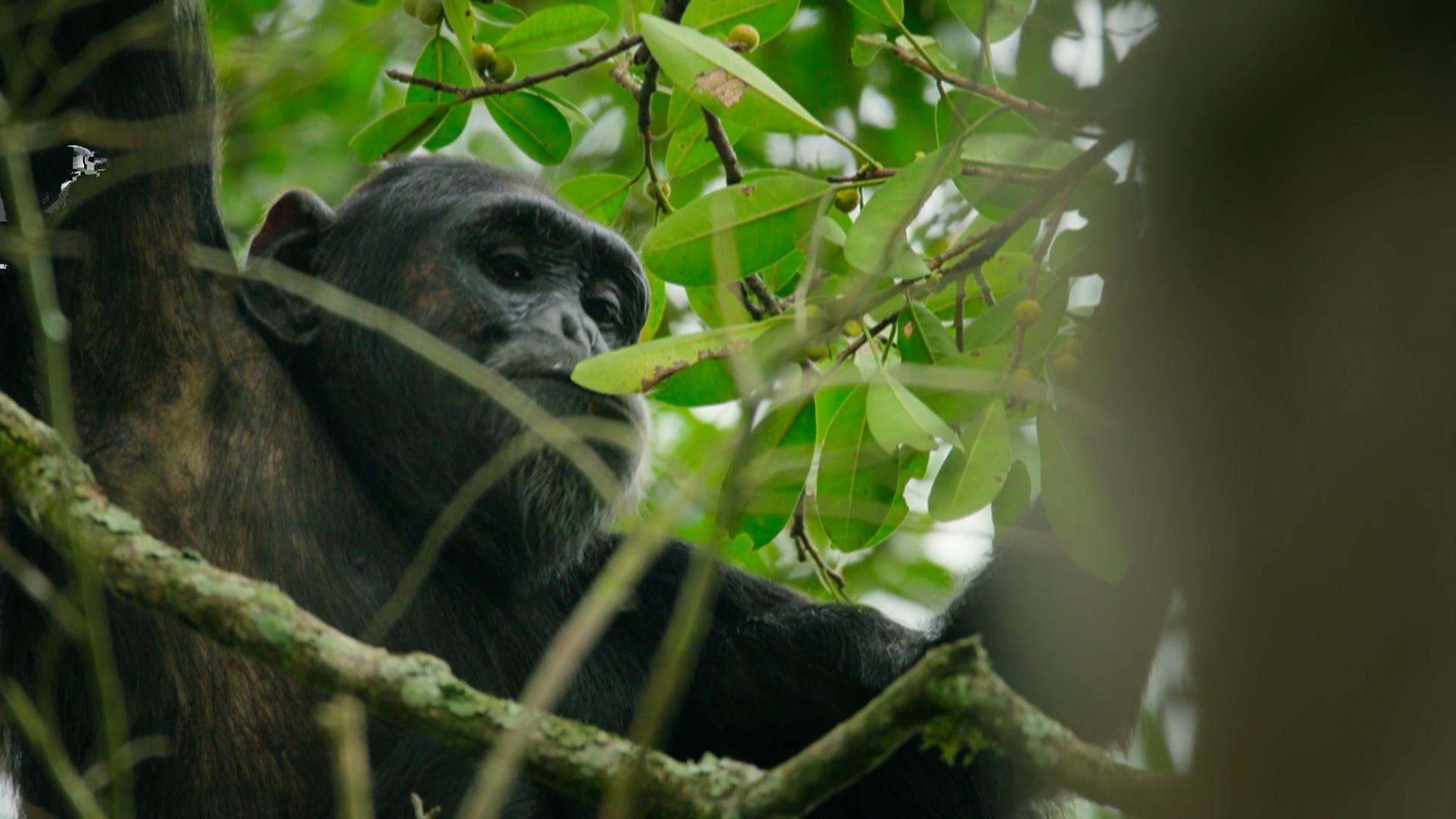
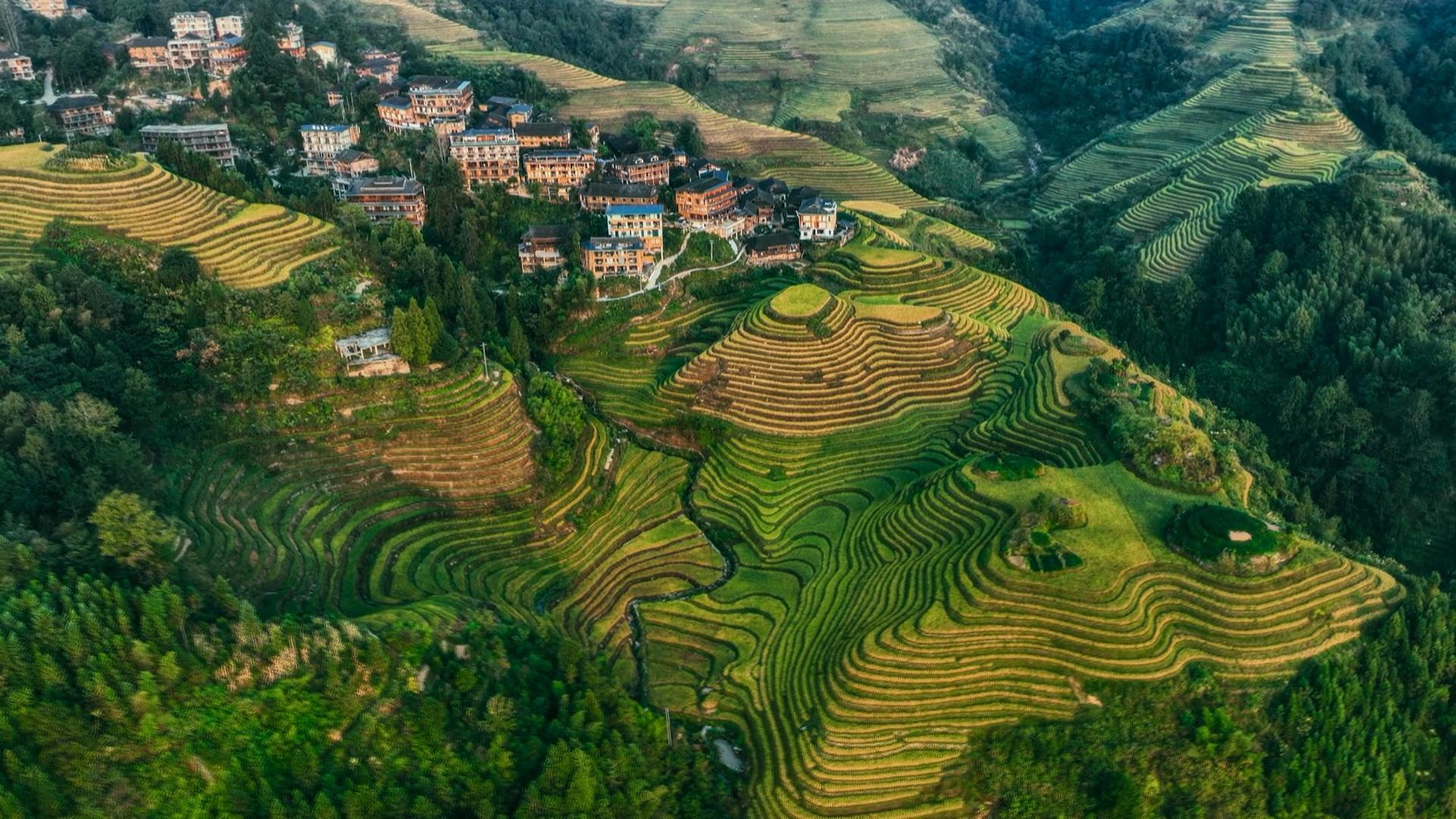
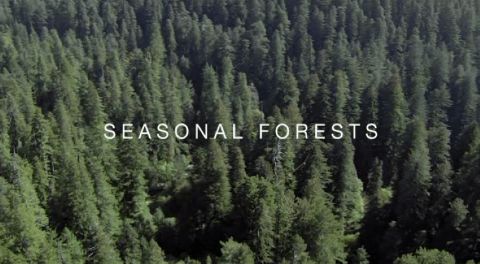
A look at how forest ecosystems reduce global carbon levels and effect climate, meeting the people working to improve biodiversity, saving keystone species and using Indigenous wisdom to rebuild and restore our forests.
Hope you're finding these documentaries fascinating and eye-opening. It's just me, working hard behind the scenes to bring you this enriching content.
Running and maintaining a website like this takes time and resources. That's why I'm reaching out to you. If you appreciate what I do and would like to support my efforts, would you consider "buying me a coffee"?
BTC: bc1q8ldskxh4x9qnddhcrgcun8rtvddeldm2a07r2v
ETH: 0x5CCAAA1afc5c5D814129d99277dDb5A979672116
With your donation through , you can show your appreciation and help me keep this project going. Every contribution, no matter how small, makes a significant impact. It goes directly towards covering server costs.
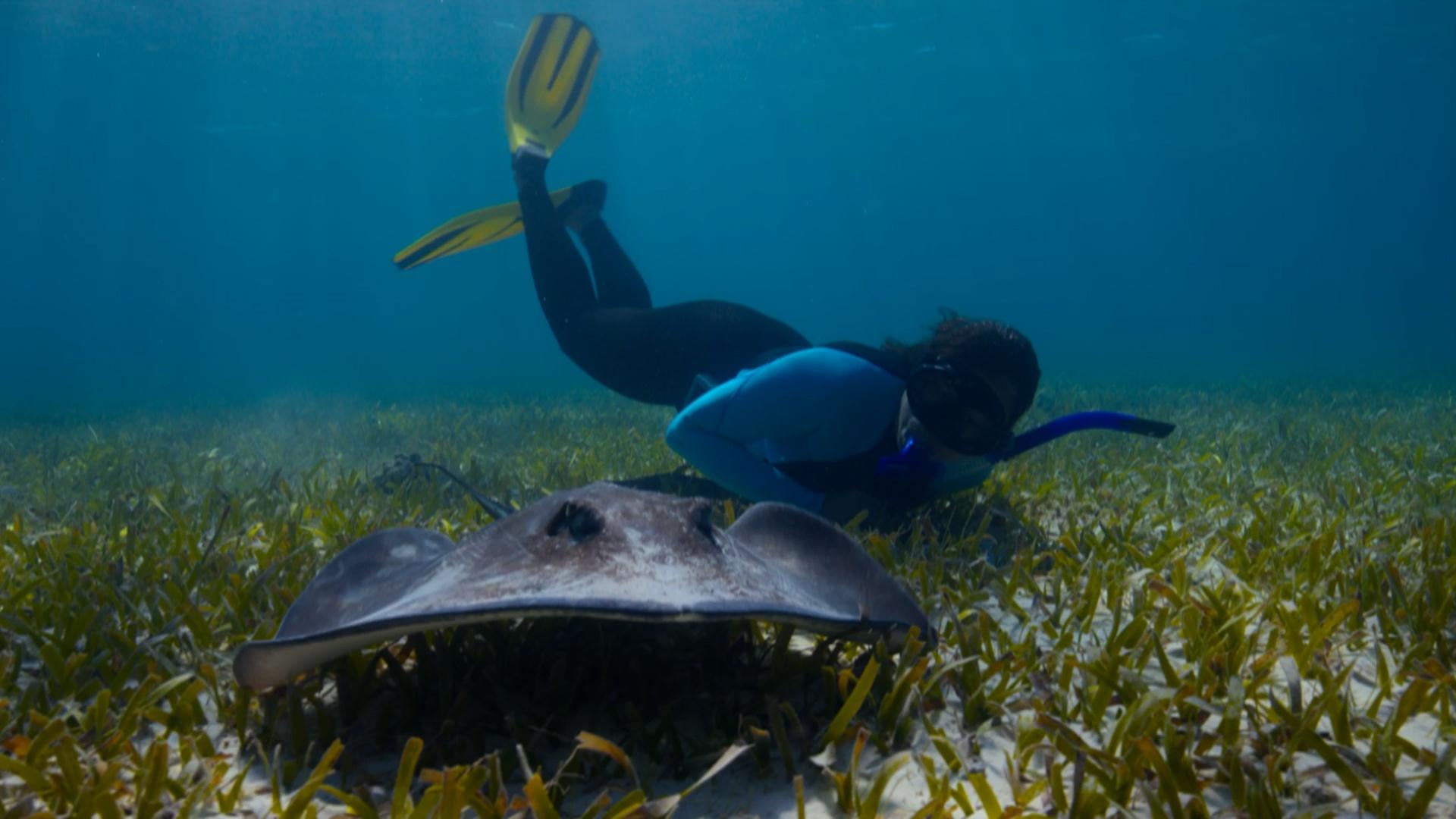
Glimpse into grasslands where the biggest animal numbers are found, and see how animal life helps to draw down carbon.
2025 • Nature
Can animals count? This is a question that has intrigued and fooled investigators for a long time. Just over 100 years ago, a German horse called Hans was declared a mathematical genius but all was not as it seemed. And strangely, some bamboos around the world flower exactly at the same no matter where they are. Are they counting down the years?
S4E4 • Natural Curiosities • 2018 • Nature
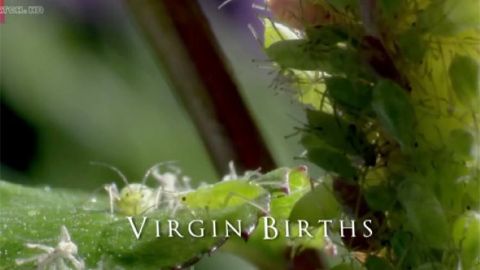
Sir David Attenborough uses this episode to investigate two animals who are capable of true virgin birth - the production of offspring without the need for sex.
S2E1 • Natural Curiosities • Nature
A look at what would dare take on the ocean's deadliest predator, why a spider lights up like a Christmas tree, and why a wild animal begins to deliver unwanted newspapers like a paperboy.
S1E1 • Nature's Strangest Mysteries: Solved • 2019 • Nature
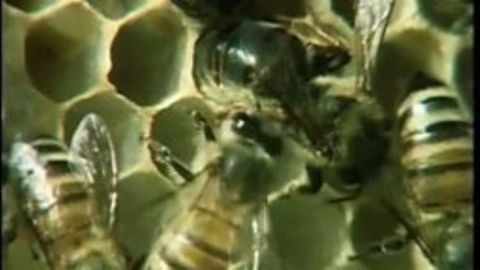
This episode details the relationship between flowers and insects. There are some one million classified species of insect, and two or three times as many that are yet to be labelled. Around 300 million years ago, plants began to enlist insects to help with their reproduction, and they did so with flowers. Although the magnolia, for instance, contains male and female cells, pollination from another plant is preferable as it ensures greater variation and thus evolution. Flowers advertise themselves by either scent or display. Some evolved to produce sweet-smelling nectar and in turn, several insects developed their mouth parts into feeding tubes in order to reach it.
4/13 • Life on Earth • 1979 • Nature
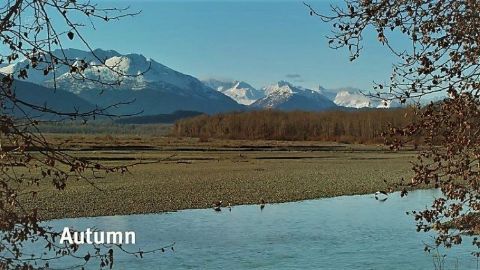
Young animals prepare for their first winter away from their parents, humpback whales return to Alaska's rich feeding grounds and salmon return to spawn in the rivers where they were hatched. But the returning salmon have to negotiate a path past hungry brown bears fattening themselves before they hibernate.
S1E4 • Alaska: A Year in the Wild • 2017 • Nature
The Taiga forest, on the edge of the Arctic, is a silent world of stunted conifers. The trees may be small but filming from the air reveals its true scale. A third of all trees on Earth grow here and during the short summer they produce enough oxygen to change the atmosphere.
10/11 • Planet Earth • 2006 • Nature