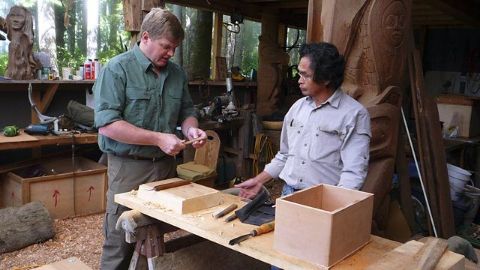
Until David Thompson found a route through the Rockies, the west coast was effectively cut off from the rest of Canada. Combined with the unique terrain of the Pacific coast, the result was a different land. The unique cultures, skills and landscape of Canada's far west make it a rich and diverse place - a land of cedar boxes, steam-bent fish hooks and dugout canoes, and a place where totem poles once dominated the landscape and people relied on the sea. Ray Mears explores the area's bushcraft, nature and traditions as he completes his journey across Canada.
Hope you're finding these documentaries fascinating and eye-opening. It's just me, working hard behind the scenes to bring you this enriching content.
Running and maintaining a website like this takes time and resources. That's why I'm reaching out to you. If you appreciate what I do and would like to support my efforts, would you consider "buying me a coffee"?
BTC: bc1q8ldskxh4x9qnddhcrgcun8rtvddeldm2a07r2v
ETH: 0x5CCAAA1afc5c5D814129d99277dDb5A979672116
With your donation through , you can show your appreciation and help me keep this project going. Every contribution, no matter how small, makes a significant impact. It goes directly towards covering server costs.
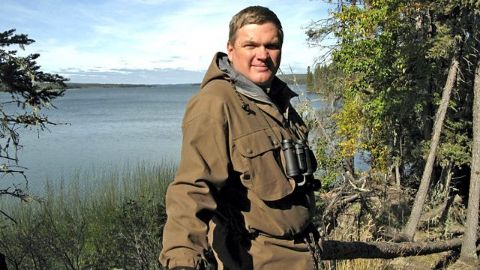
His journey begins in the vast Boreal Forest at the heart of Canada. This is a place where knowledge and experience are still far more important than the equipment you carry, a place left alone for centuries before Europeans arrived. Ray explores the wonder of this special forest, learns about the people who called it home and unlocks the secrets of this forgotten world. This is a land where knowledge of bushcraft is not just desirable, it is essential.
2009 • Travel
As Ray travels across land and by canoe, he tells the story of one of the greatest companies the world has ever known - the Hudson's Bay Company that opened up Canada. Ray discovers how those early traders were pioneers who laid the foundations of the modern Canadian state. He also demonstrates local crafts and bushcraft skills that bring the landscape to life.
2009 • Travel
For Ray Mears there is one British pioneer who stands above all others in the exploration of Canada. That man is Samuel Hearne. In learning to travel using First Nations skills, he set the template for successful travel into Canada's wilderness. Hearne's story is defined by hardship and adventure, an inspiring tale made more powerful by the journal he left as a legacy. In a celebration of one of Earth's last great wilderness
2009 • Travel
Ray follows in the footsteps of an unsung British hero who helped put modern Canada on the map. John Rae from Scotland was the first great Arctic explorer and came to be regarded as the foremost authority on First Nation methods of Arctic survival and travel. Ray Mears follows the story of how John Rae found the Northwest Passage - the Holy Grail of 19th-century exploration. Yet this man, who should have been a hero of his day, was vilified by the British establishment. Ray believes it's time to put the record straight.
2009 • Travel
David Thompson was a Briton who helped change the face of Canada. He mapped nearly four million square miles of North America. This would be an impressive feat today - in the 1800s it was, quite simply, staggering. Thompson effectively paved the way for trade from coast to coast in Canada, strengthening the status of the country and defining the borders that kept Canada independent from the US. Ray explores Thompson's footsteps across the Rocky Mountains to the Pacific Coast. He draws on a new set of bushcraft skills and local knowledge, and explores the mapping techniques used by Thompson.
2009 • Travel
Until David Thompson found a route through the Rockies, the west coast was effectively cut off from the rest of Canada. Combined with the unique terrain of the Pacific coast, the result was a different land. The unique cultures, skills and landscape of Canada's far west make it a rich and diverse place - a land of cedar boxes, steam-bent fish hooks and dugout canoes, and a place where totem poles once dominated the landscape and people relied on the sea. Ray Mears explores the area's bushcraft, nature and traditions as he completes his journey across Canada.
2009 • Travel
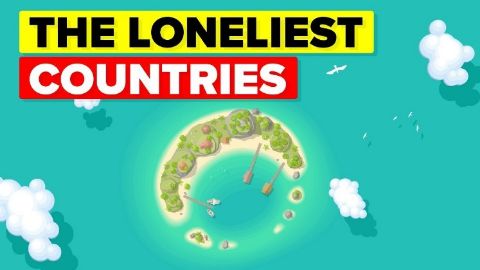
Where is the population in the world the smallest? What countries have the least people? It’s not the size that matters, and with countries, that is often the case. Some of the least populated countries in the world are also the wealthiest in terms of personal wealth and gross national product. And some of the larger nations have problems equally as huge to address. Some of these smaller countries are thinly populated because they are super-difficult to get to or sit in some of the world’s harshest regions. Some simply get by on one or two key industries and foreign aid. Some were used as strategic bases during war time. Some are playgrounds for the rich and famous. And one is reserved for holy activities. Today we take a closer look at the smallest of these nations, in this episode of the Infographics Show, The Ten Least Populated Countries in the World.
The Infographics Show • 2018 • Travel
Levison and Ash explore life alongside the volatile border of India & Pakistan.
S1E1 • Expedition Borderlands • 2022 • Travel
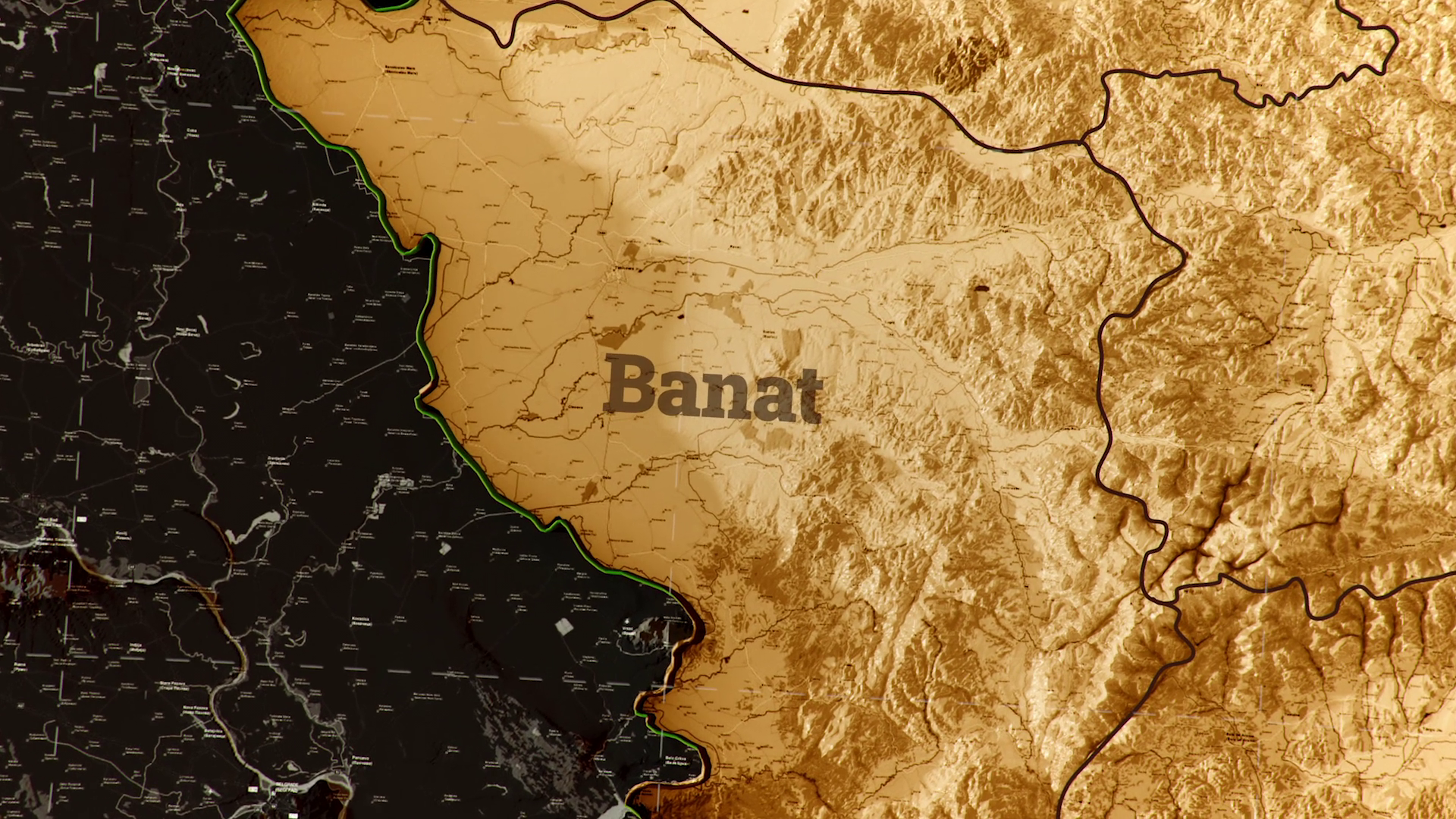
Charlie meets an architect trying to save the decaying spa at the Baile Herculane resort in Banat, then visits Timi?oara, Romania's "Little Vienna."
S2E6 • Flavours of Romania • 2023 • Travel
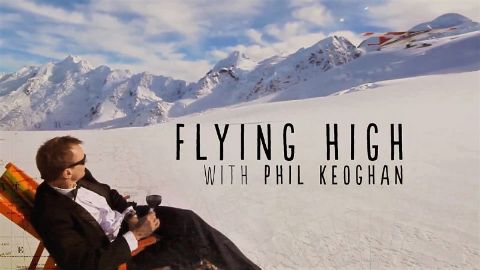
World traveler and Amazing Race host Phil Keoghan invites you on a one-of-a-kind tour of his homeland, New Zealand. On this cross-country tour at the edge of the world, Keoghan visits eccentric and fascinating places and people who epitomize the spirit of Kiwi innovation. From "The Lord of the Rings" film director Peter Jackson to a revolutionary farmer who uses drones to herd sheep, Keoghan brings you captivating and humorous stories you just won't find in a travel guide.
2017 • Travel
James journeys through Japan's mountainous forests, marvels at its zen gardens and admires centuries-old bonsai, to explore the connections between Japanese culture and the natural environment. Travelling around Japan's stunning island geography, he examines how the country's two great religions, Shinto and Buddhism, helped shape a creative response to nature often very different to the West. But he also considers modern Japan's changing relationship to the natural world and travels to Naoshima Art Island to see how contemporary artists are finding new ways to engage with nature.
S1E1 • The Art of Japanese Life • 2017 • Travel
This week we are exploring Muntenia, also known as Greater Wallachia, a region once presided over by Vlad the Impaler, whose famous cruelty as a ruler spawned the legends that inspired Bram Stoker's iconic novel, Dracula.
S1E2 • Flavours of Romania • 2018 • Travel