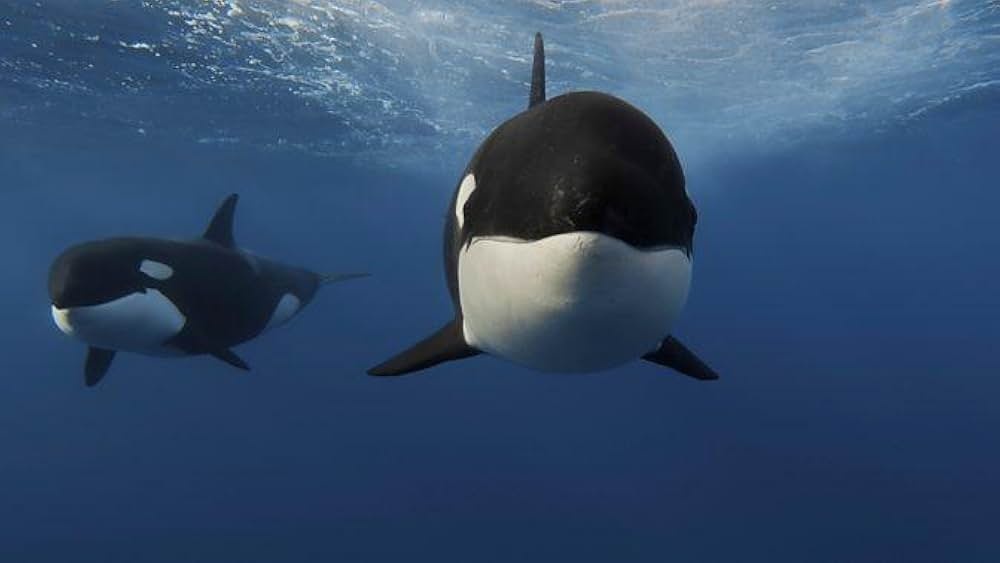
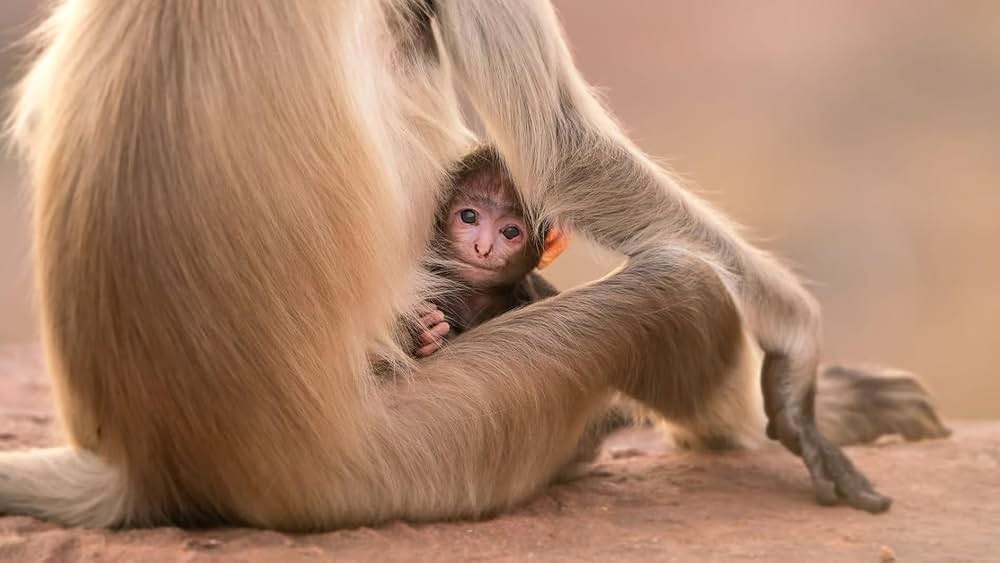
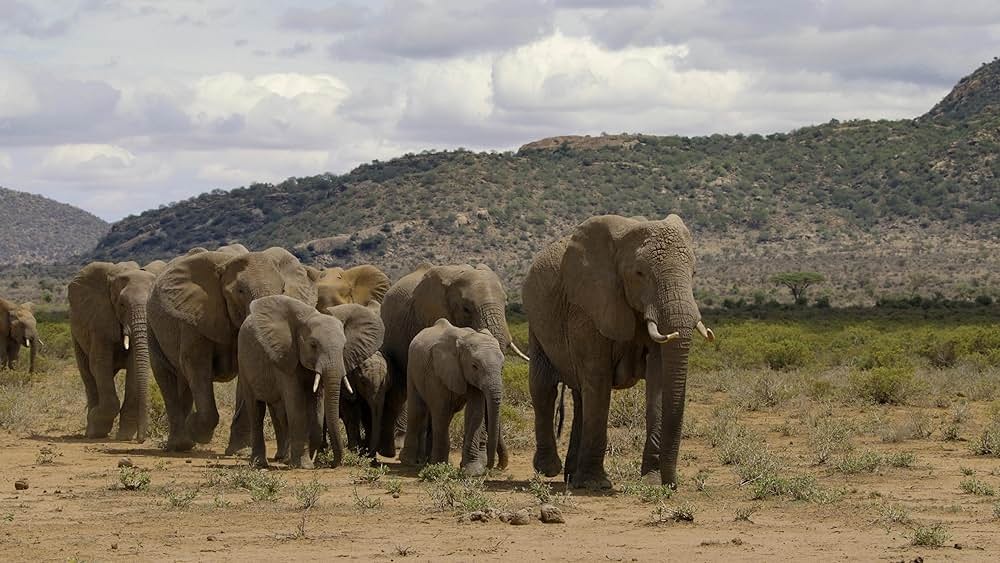
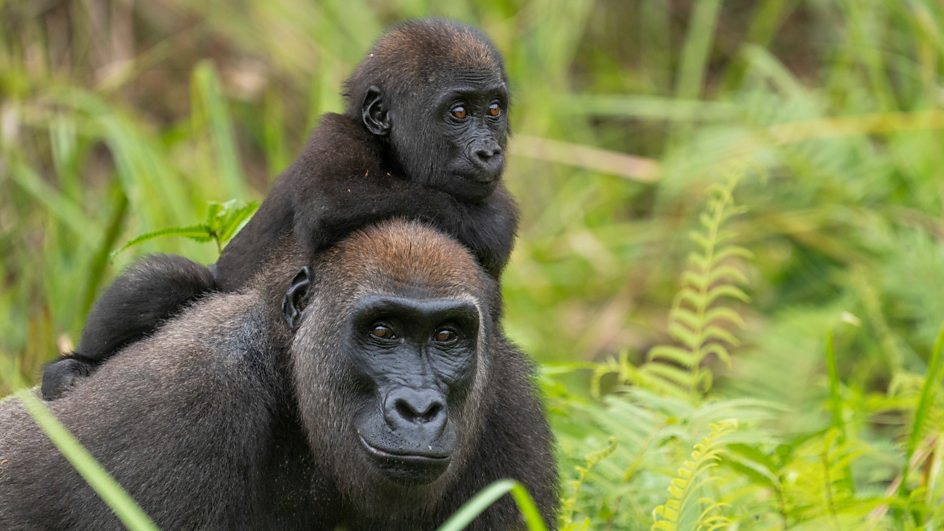
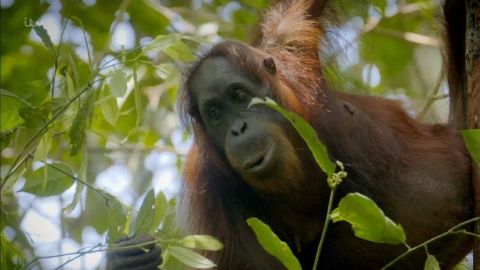
In the dense and dynamic jungles, raising young demands creativity, persistence, and mastery of a complex environment.
Hope you're finding these documentaries fascinating and eye-opening. It's just me, working hard behind the scenes to bring you this enriching content.
Running and maintaining a website like this takes time and resources. That's why I'm reaching out to you. If you appreciate what I do and would like to support my efforts, would you consider "buying me a coffee"?
BTC: bc1q8ldskxh4x9qnddhcrgcun8rtvddeldm2a07r2v
ETH: 0x5CCAAA1afc5c5D814129d99277dDb5A979672116
With your donation through , you can show your appreciation and help me keep this project going. Every contribution, no matter how small, makes a significant impact. It goes directly towards covering server costs.
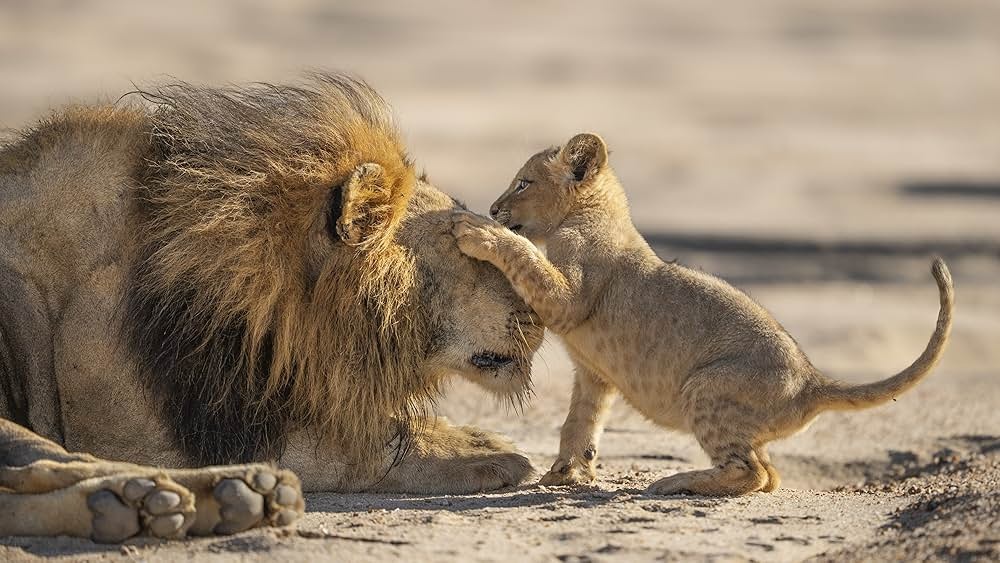
The opening episode sets the stage—animal parents navigate joy and danger as they embark on the greatest adventure: raising the next generation in the wild
2025 • Nature
Raising young in vast grasslands requires balancing plentiful resources with looming predatory threats.
2025 • Nature
In unpredictable freshwater environments, parents must time births and adapt to shifting elements to keep their young alive.
2025 • Astronomy
More than a billion people around the world commute into cities each day, and they are not alone. The world's wildlife is commuting too. A steady flow of animals journey in and out of cities to find food and shelter or to start a family. Leaving the wilderness they must overcome the unique challenges that the urban world throws at them to benefit from the opportunities on offer. This episode explores whether the secret to an animal's success in this fast-changing world is to keep one foot in the wild and one in the city, becoming a wild commuter. It seems that all over the world animals are finding that the city can offer opportunities that are harder to come by in the natural world. Some, like African penguins, whose population has plummeted by 80 per cent in the last 50 years, find shelter in the city. By nesting in Cape Town they are safer from predators, and with relatively easy access to their fishing grounds they have the best of both worlds. Many other animals commute into cities because they are filled with food. In St Lucia, South Africa, that includes hippos. Able to eat up to fifty kilograms of grass in a single sitting, they have developed a taste for the short, manicured lawns and come to town every night to dine out. St Lucia's human residents have learnt to give the hippos the space they need during their night-time raids. Black bears need to eat more than 20,000 calories a day to survive their six-month hibernation through winter, and using their acute sense of smell they can easily track down leftovers. In North America they come into towns and cities in search of food. Many animals displaced from their natural habitat are now using their wild skill set in the city to help fulfill their needs. Could this be the beginning of a new and very modern migration?
S1E2 • Cities: Nature's New Wild • 2018 • Nature
For nearly 4 billion years, the continents of Earth were a lifeless wasteland. But beneath the sea, our planet was teeming with life. Many strange creatures evolved, from eel-like conodonts to voracious cephalopods, until nearly all life was wiped out in our planet’s first mass extinction.
S1E1 • Ancient Oceans • 2019 • Nature
Explore the wild blue Caribbean waters of Cozumel, a lush paradise packed with marine surprises. From the spectacular Paso Del Cedral coral reef to the world's longest subterranean underwater cave system, go where only the bravest divers dare venture.
4 • Great Blue Wild • 2017 • Nature
David Attenborough attempts to animate the life of the ichthyosaur whose 200-million-year-old fossil remains were found on Britain's Jurassic coast. Using state-of-the-art imaging technology and CGI, the team reconstruct the skeleton and create the most detailed animation of an ichthyosaur ever made. Along the way, they stumble into a 200-million-year-old murder mystery - and only painstaking forensic investigation can unravel the story of this extraordinary creature's fate.
2018 • Nature
The New Human takes the audience on a whirlwind tour into the minds of experts who remind us that our bodies are always changing in reaction to the world around us. What’s in store for us may be beyond anything we ever imagined.
S61E4 • The Nature of Things • 2021 • Nature
In the heart of the Atlantic, Gordon Buchanan joins a team looking to discover why huge numbers of devil rays, fish with 'wings' nearly four metres across, and gather every summer near the Azores archipelago. In northeast Turkey the on-board cameras are carried by brown bears as part of a study trying to understand why so many bears survive in a small patch of forest. In southern France on-board cameras help scientists trying to prove that guard dogs can help protect sheep flocks from wolf attacks. The night-vision cameras show how the dogs work together as a team to fend off the wolves.
S1E3 • Animals with Cameras • 2018 • Nature