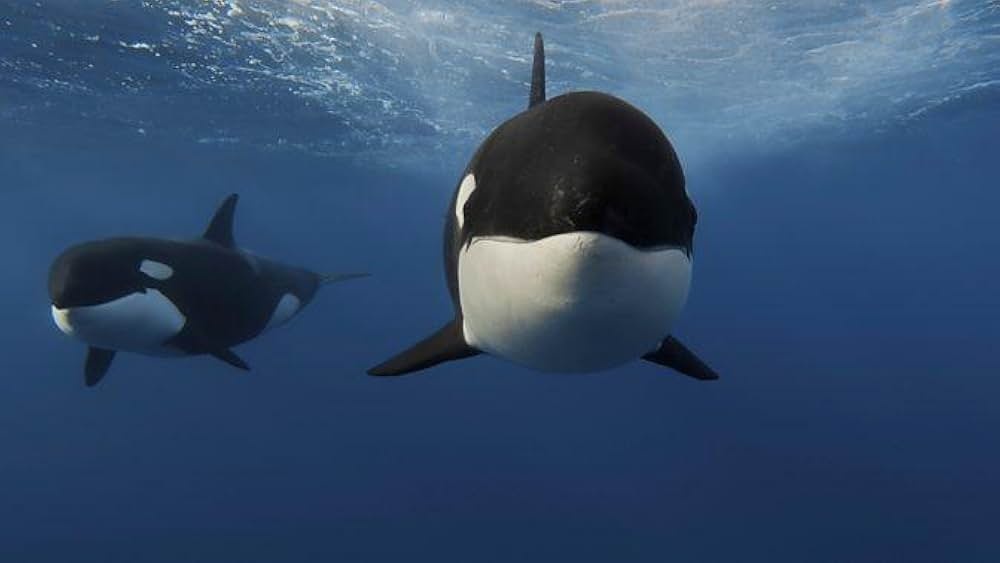
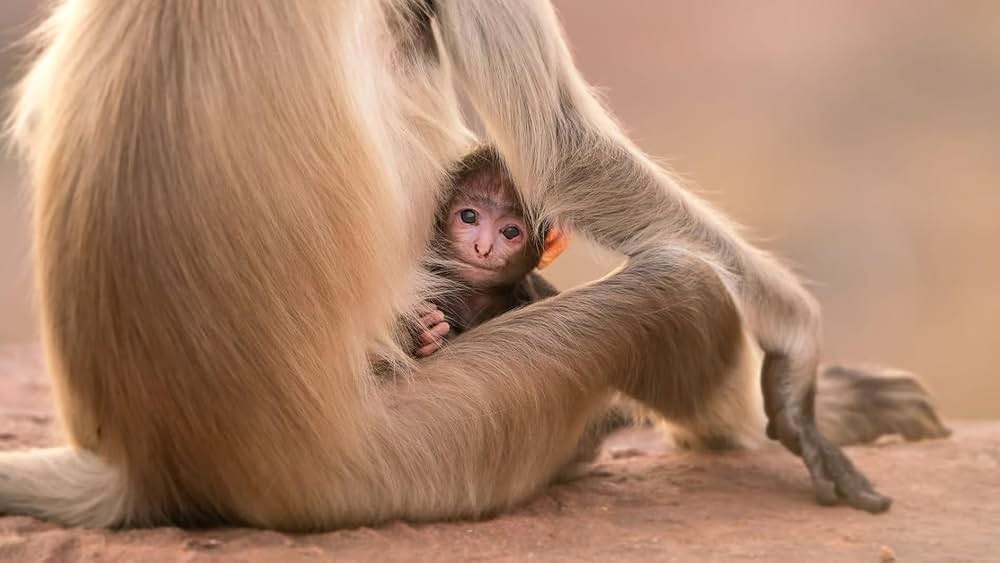
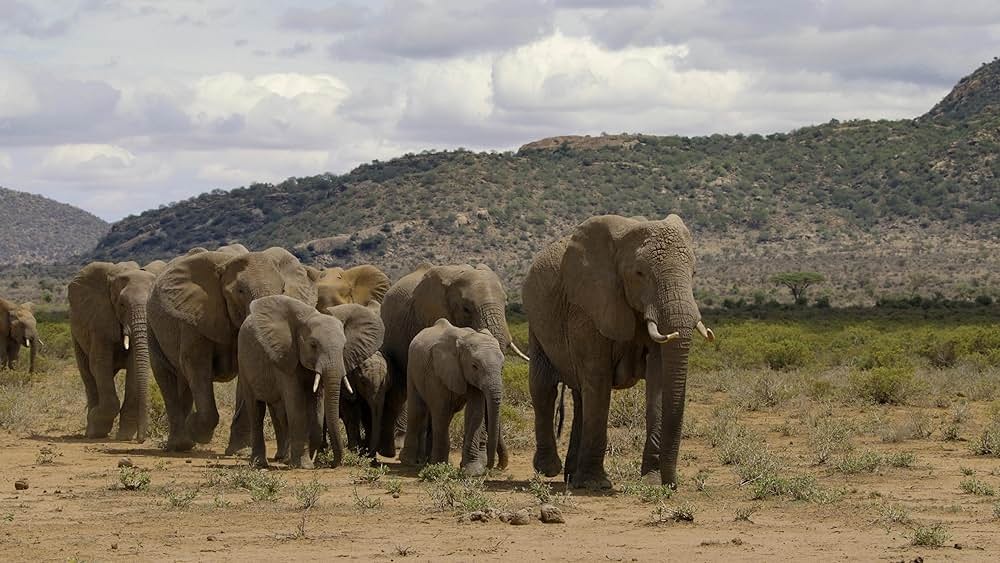
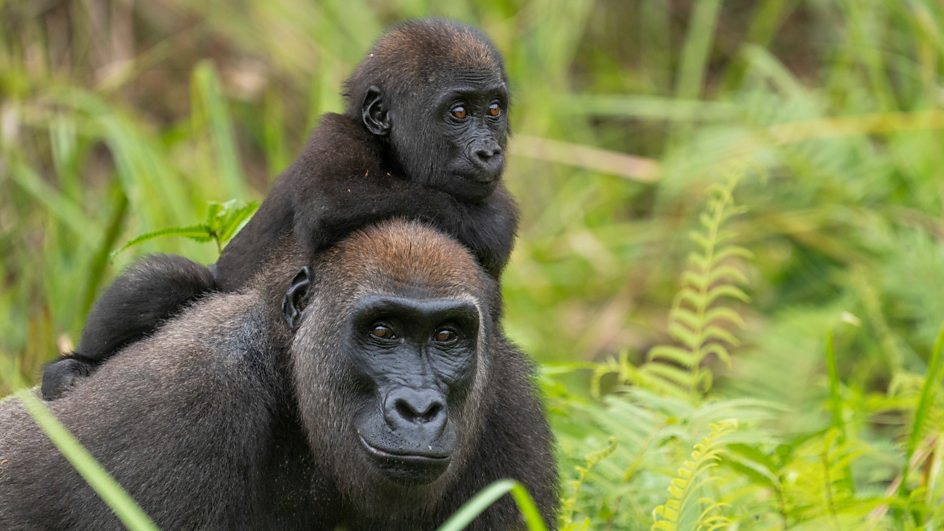
Underwater parenting demands ingenuity—from reef navigation to teaching offspring how to hunt giants.
Hope you're finding these documentaries fascinating and eye-opening. It's just me, working hard behind the scenes to bring you this enriching content.
Running and maintaining a website like this takes time and resources. That's why I'm reaching out to you. If you appreciate what I do and would like to support my efforts, would you consider "buying me a coffee"?
BTC: bc1q8ldskxh4x9qnddhcrgcun8rtvddeldm2a07r2v
ETH: 0x5CCAAA1afc5c5D814129d99277dDb5A979672116
With your donation through , you can show your appreciation and help me keep this project going. Every contribution, no matter how small, makes a significant impact. It goes directly towards covering server costs.
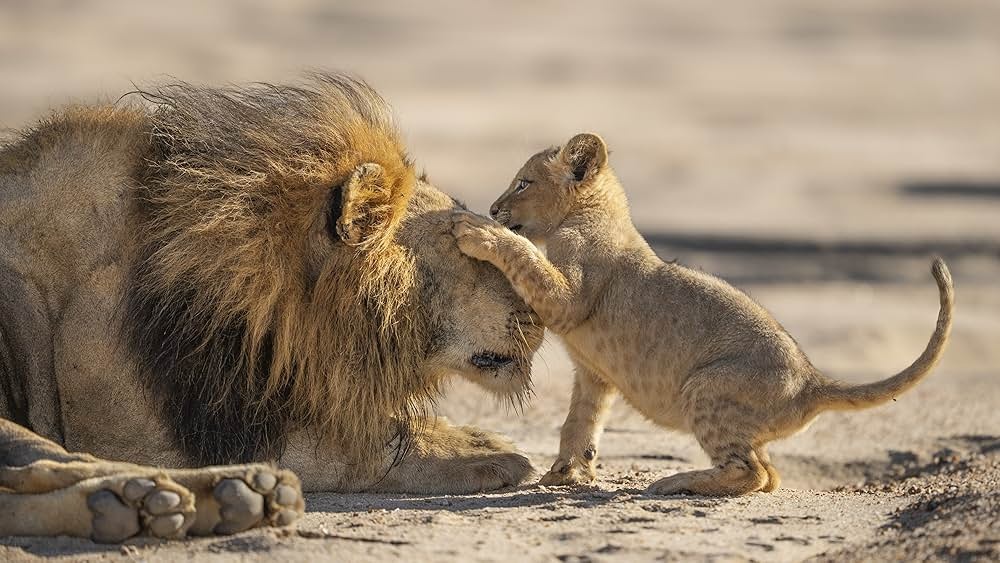
The opening episode sets the stage—animal parents navigate joy and danger as they embark on the greatest adventure: raising the next generation in the wild
2025 • Nature
Raising young in vast grasslands requires balancing plentiful resources with looming predatory threats.
2025 • Nature
In unpredictable freshwater environments, parents must time births and adapt to shifting elements to keep their young alive.
2025 • Astronomy
The next instalment describes the move from water to land. The fish that did so may have been forced to because of drought, or chose to in search of food. Either way, they eventually evolved into amphibians. Such creatures needed two things: limbs for mobility and lungs to breathe. The coelacanth is shown as a fish with bony fins that could have developed into legs, and the lungfish is able to absorb gaseous oxygen. However, evidence of an animal that possessed both is presented in the 450 million-year-old fossilised remains of a fish called a eusthenopteron. Three groups of amphibians are explored.
6/13 • Life on Earth • 1979 • Nature
In some of the world's most spectacular natural wonders, people push themselves to the limit in order to survive. For the people who call these extraordinary places home, survival requires skill, ingenuity and bravery. In Brazil, the Kamayura people of the Xingu Indigenous Park believe they must appease the spirits if they are to remain in good health. In Ethiopia, belief in a higher power leads villagers in the Tigray region to climb a huge, vertiginous mountainside to reach their church. Laos is one of the most fertile places on earth. Despite this, life is dangerous for the rice farmers in this beautiful country. During the Vietnam War, the United States dropped an estimated 270 million bombs on this small country and approximately 80 million of them failed to explode.
S1E3 • Earth's Natural Wonders: Series 2 • 2018 • Nature
High above the skies of Israel, an avian migration of staggering proportions attracts birdwatchers from all over the world. From gliding birds like the short-toed eagle to waders like red-necked phalaropes, here's your chance to track one of the most important stops on the bird migration route--no binoculars needed.
S1E5 • Wild Israel • 2018 • Nature
From the mountains to the sea, from the scorching desert to the arctic tundra, explore Europe's last great wilderness - full of a delicious and surprising burst of life.
S1E3 • Wildest Europe • 2016 • Nature
Chobe is Botswana's first national park, as well as the name of the mighty river that runs through it. Explore how its iconic species, like elephants, baboons, and lions, pass on their secrets of survival to the youngest members of their families.
S1E6 • Great Parks of Africa • 2017 • Nature
The documentary series reveals the extraordinary riches and wonders of the Polar Regions that have kept people visiting them for thousands of years. Today, their survival relies on a combination of ancient wisdom and cutting-edge science. Most Arctic people live in Siberia, either in cities like Norilsk - the coldest city on earth - or out on the tundra, where tribes like the Dogan survive by herding reindeer, using them to drag their homes behind them. On the coast, traditional people still hunt walrus from open boats - it is dangerous work, but one big walrus will feed a family for weeks. Settlers are drawn to the Arctic by its abundant minerals; the Danish Armed Forces maintain their claim to Greenland's mineral wealth with an epic dog sled patrol, covering 2,000 miles through the winter. Above, the spectacular northern lights can disrupt power supplies so scientists monitor it constantly, firing rockets into it to release a cloud of glowing smoke 100 kilometres high. In contrast, Antarctica is so remote and cold that it was only a century ago that the first people explored the continent. Captain Scott's hut still stands as a memorial to these men. Science is now the only significant human activity allowed; robot submarines are sent deep beneath the ice in search of new life-forms, which may also be found in a labyrinth of ice caves high up on an active volcano. Above, colossal balloons are launched into the purest air on earth to detect cosmic rays. At the South Pole there is a research base designed to withstand the world's most extreme winters. Cut off from the outside world for six months, the base is totally self-sufficient, even boasting a greenhouse.
S1E6 • Frozen Planet • 2011 • Nature