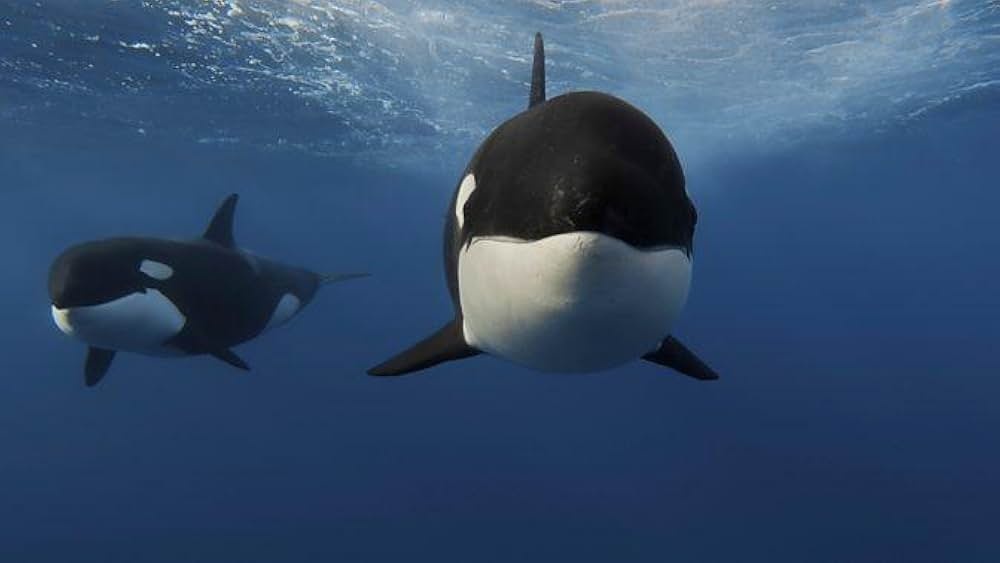
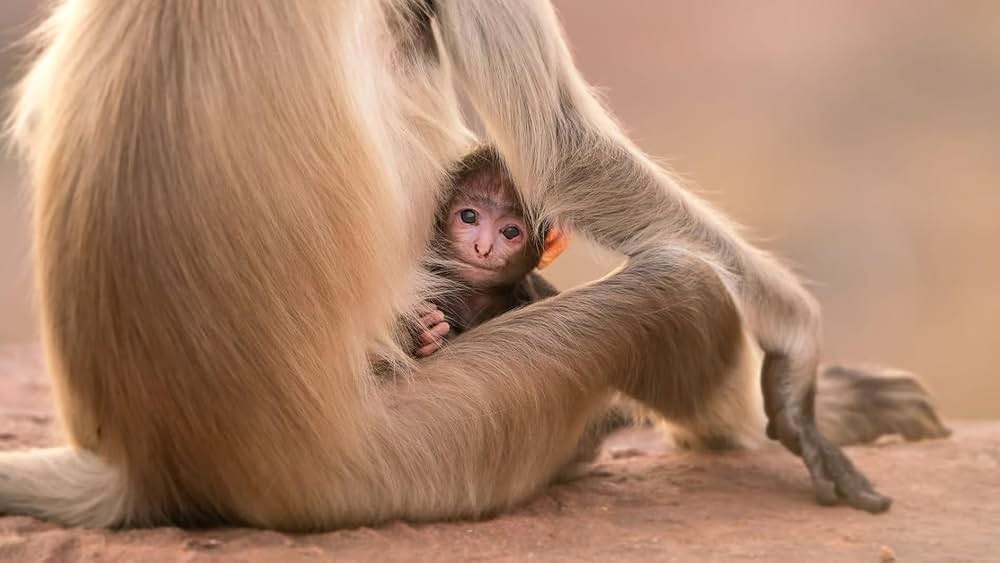
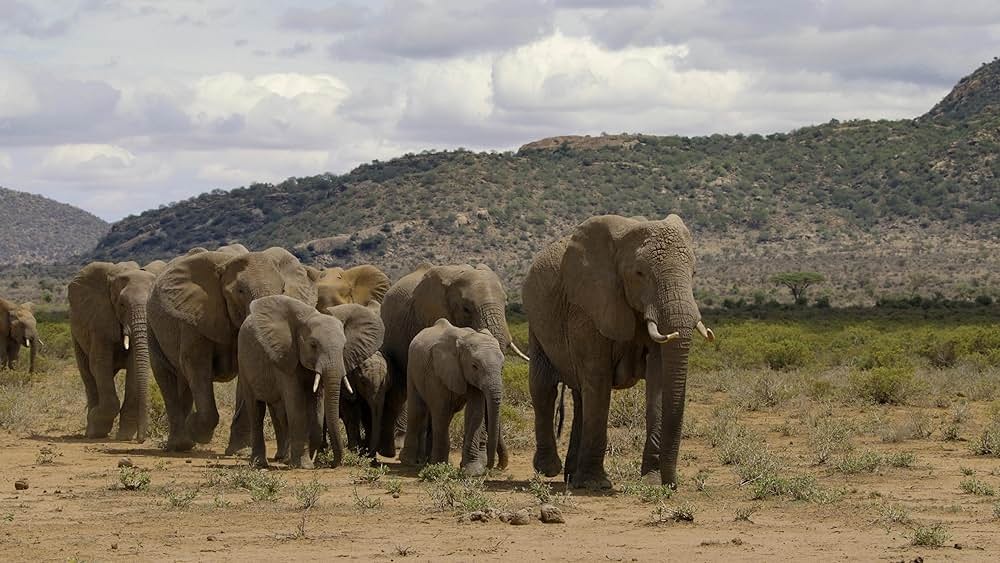
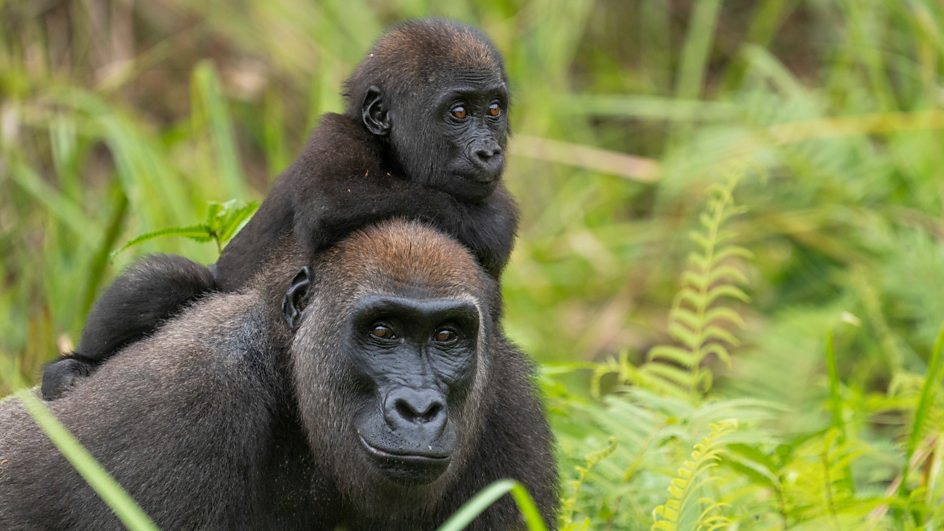
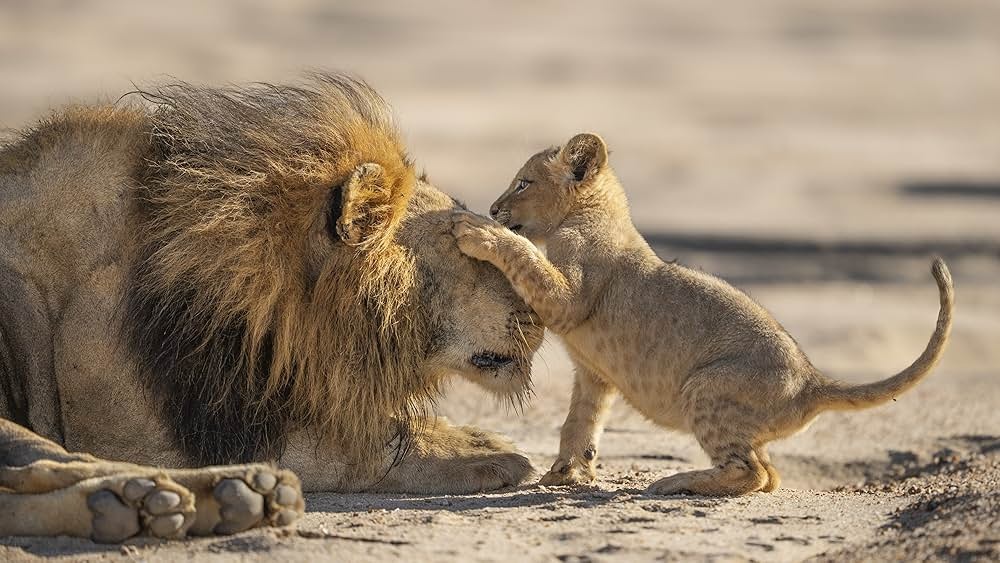
The opening episode sets the stage—animal parents navigate joy and danger as they embark on the greatest adventure: raising the next generation in the wild
Hope you're finding these documentaries fascinating and eye-opening. It's just me, working hard behind the scenes to bring you this enriching content.
Running and maintaining a website like this takes time and resources. That's why I'm reaching out to you. If you appreciate what I do and would like to support my efforts, would you consider "buying me a coffee"?
BTC: bc1q8ldskxh4x9qnddhcrgcun8rtvddeldm2a07r2v
ETH: 0x5CCAAA1afc5c5D814129d99277dDb5A979672116
With your donation through , you can show your appreciation and help me keep this project going. Every contribution, no matter how small, makes a significant impact. It goes directly towards covering server costs.
The opening episode sets the stage—animal parents navigate joy and danger as they embark on the greatest adventure: raising the next generation in the wild
2025 • Nature
Raising young in vast grasslands requires balancing plentiful resources with looming predatory threats.
2025 • Nature
In unpredictable freshwater environments, parents must time births and adapt to shifting elements to keep their young alive.
2025 • Astronomy
The Mediterranean. Because people have been traveling there for thousands of years, it is believed to be without secrets. And yet, far below its surface, lie vast unexplored territories, luxurious gardens worthy of the finest tropical coral reefs. These natural wonders are inaccessible to the traditional diver, in a twilight zone, between 60 and 120 m, where there’s less than 1% of sunlight. If diving at such depths is always a challenge, staying there is a fantasy, a utopia that becomes reality in Planet Mediterranean. In the tradition of Commander Cousteau and his houses under the sea, the team of diver-photographer Laurent Ballesta is undertaking a new world-record-setting mission in complete freedom and without time limit.
2020 • Nature
The third episode looks at the last generation of killer dinosaurs - carnivores that took killing to a new level. By the end of the cretaceous period - 75 millions years ago - these gigantic and specialised hunter-killers had spread throughout the globe. In the southern continents it was the powerful and muscular abelisaurids that reigned supreme but it was the famous tyrannosaurids (or tyrant dinosaurs) that dominated in the north. Whilst the northern daspletosaurus hunted in gangs, using its highly developed smell and hearing to take down opponents like the horned rhino-sized beast, chasmosaurus, in the Southern hemisphere the small-skulled majungasaurus reigned. And though the sharp toothed majungasaurus was an efficient killer of the much smaller feathered rahonavis that did not stop it from occasionally turning cannibal and hunting its own.
S1E3 • Planet Dinosaur • 2011 • Nature
On a small island, a monumental display takes place as the giant Hatzegopteryx reveals his gentler side to woo a mate
S2E1 • Prehistoric Planet • 2023 • Nature
A look at if fish really can predict earthquakes and why eggs are egg shaped.
S1E5 • Nature's Strangest Mysteries: Solved • 2019 • Nature
David Attenborough narrates a natural history of the oceans, exploring the richest waters on Earth, where the annual cycle of the sun drives an explosion of life.
S1E5 • Blue Planet I • 2001 • Nature
In the high Himalaya, yak-herder Thokmay Lowa and his small group steer his herd through one of the region's extreme mountain passes. For several months of the year, In the Canadian Arctic, traditional Inuit communities still forage for much of their food. 63-year-old Minnie Nappaaluk and her granddaughter Eva embark on one of the most hazardous expeditions for food Some Natural Wonders are threatened as never before - nowhere more so than the Brazilian Amazon. In the Mato Grosso, as a result of deforestation, the region's microclimate has changed. Now fires rage out of control in the dry season.
S1E1 • Earth's Natural Wonders: Series 2 • 2018 • Nature