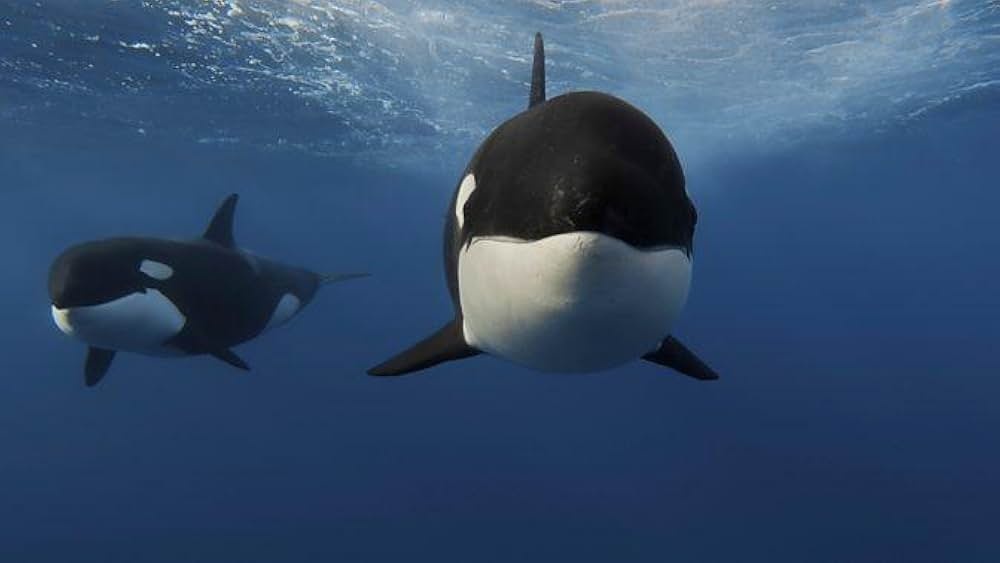
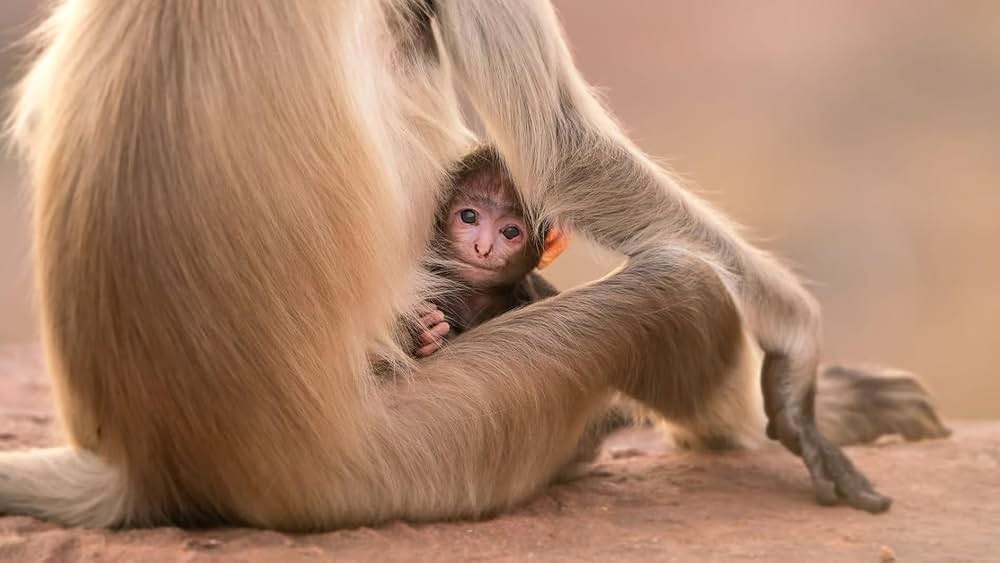
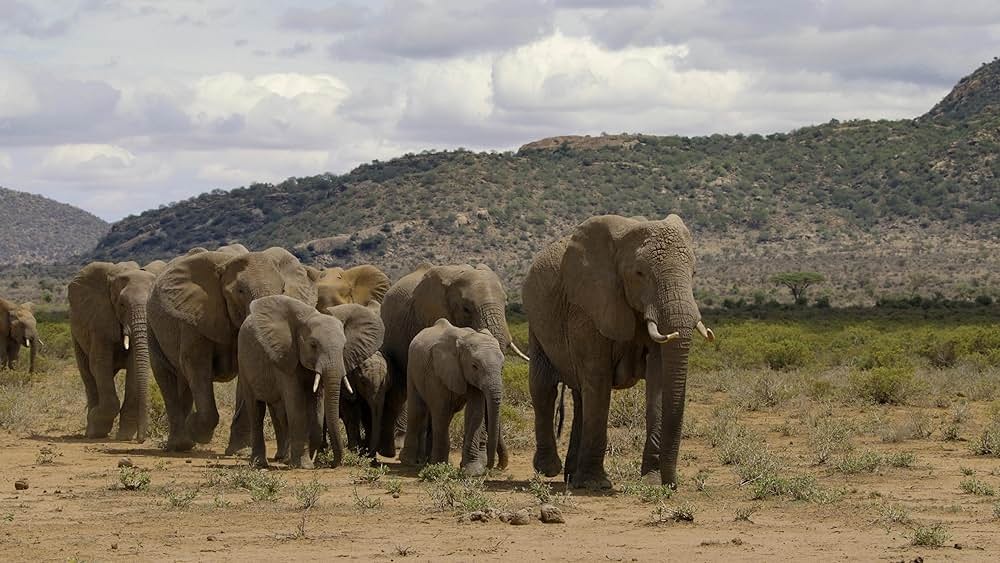
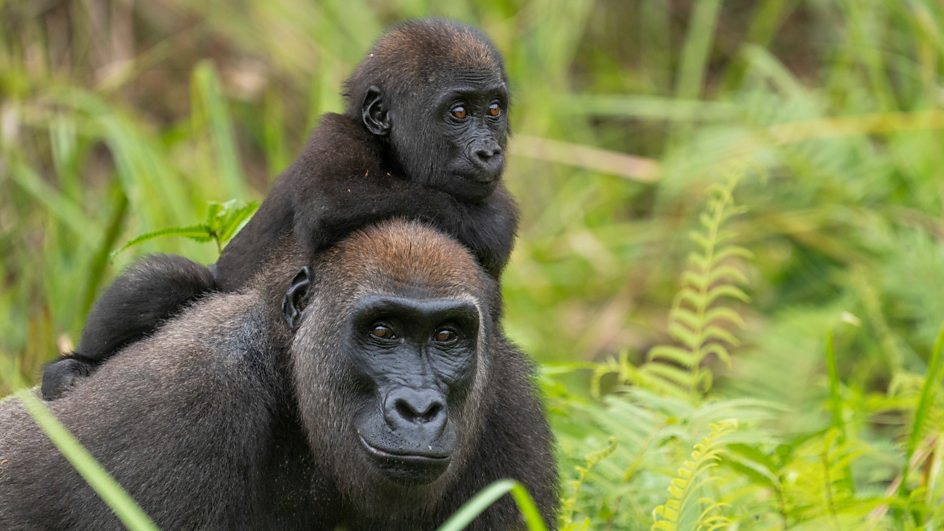
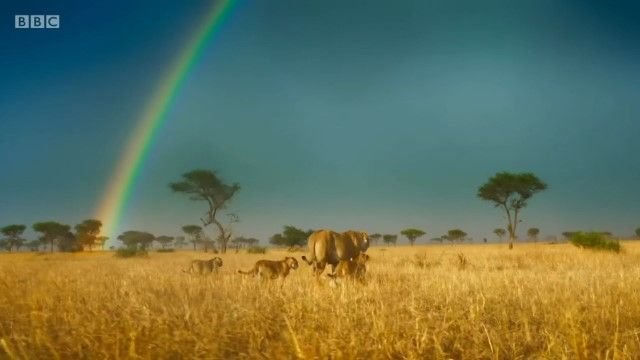
Raising young in vast grasslands requires balancing plentiful resources with looming predatory threats.
Hope you're finding these documentaries fascinating and eye-opening. It's just me, working hard behind the scenes to bring you this enriching content.
Running and maintaining a website like this takes time and resources. That's why I'm reaching out to you. If you appreciate what I do and would like to support my efforts, would you consider "buying me a coffee"?
BTC: bc1q8ldskxh4x9qnddhcrgcun8rtvddeldm2a07r2v
ETH: 0x5CCAAA1afc5c5D814129d99277dDb5A979672116
With your donation through , you can show your appreciation and help me keep this project going. Every contribution, no matter how small, makes a significant impact. It goes directly towards covering server costs.
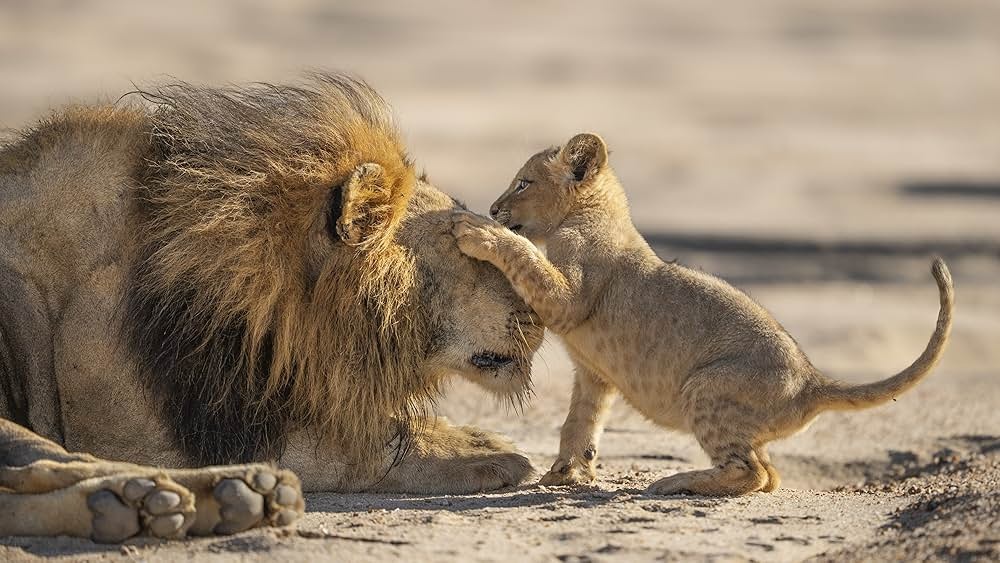
The opening episode sets the stage—animal parents navigate joy and danger as they embark on the greatest adventure: raising the next generation in the wild
2025 • Nature
Raising young in vast grasslands requires balancing plentiful resources with looming predatory threats.
2025 • Nature
In unpredictable freshwater environments, parents must time births and adapt to shifting elements to keep their young alive.
2025 • Astronomy
Ascends a kapok in the South American tropical rainforest to observe "the greatest proliferation of life that you can find anywhere on the surface of the Earth. There are two main causes for this: warmth and wetness. As this climate is constant, there are no seasons, so trees vary greatly in their flowering cycles.
4/12 • The Living Planet • 1984 • Nature
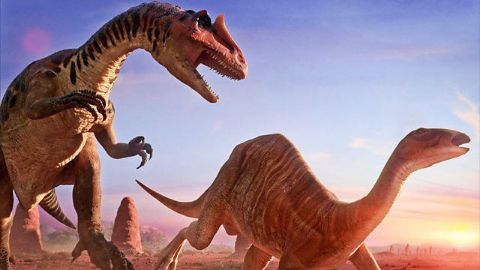
This episode focuses on the Jurassic period, a time when the first giant killers stalked the Earth and lurked in the seas; a time when the slightest advantage meant the difference between life and death. In North America the iconic allosaurus, an ambush hunter with a lethal bite, dominated. Not even the heavily-armoured stegosaurus was safe from this killer, and incredible evidence reveals a glimpse of a vicious battle between these two giants. Life in Jurassic oceans was no easier; in 2008, a fossil was dug out of a frozen island high in the Arctic. It was a colossal marine reptile, twice as big as most ocean predators, at 15 metres long and weighing about 45 tonnes. This was Predator X. Its skull alone was nearly twice the size of a tyrannosaurus rex's, and its bite force unmatched by anything in the Jurassic seas. The balance of power between predator and prey is a fine one, as prey continually evolves different ways to avoid predators. But for the most successful and enduring predators, the battle to survive has always been tipped in their favour.
S1E4 • Planet Dinosaur • 2011 • Nature
Coral reefs are home to a quarter of all marine species. Survival in these undersea mega-cities is a challenge with many different solutions. A turtle heads to the reef's equivalent of a health spa - but she must use trickery to avoid the queue. A remarkable Grouper uses the fish equivalent of sign language to collaborate with an octopus, flushing their prey out of hiding holes. A metre-long, ferocious-jawed Bobbit Worm hides in its tunnel. Monocle Bream retaliate by squirting water to expose its sandy lair.
S1E3 • Blue Planet II • 2017 • Nature
There is plenty of food in the Pacific Ocean, but it is the challenge of finding that food that drives all life in the Pacific. In the voracious Pacific we meet a destructive army of mouths, a killer with a hundred mouths and the biggest mouth in the ocean.
S1E3 • Big Pacific • 2017 • Nature
From fearsome sharks to lowly urchins, 90 percent of marine creatures live in coastal waters. Protecting these habitats is a battle humanity must win.
S1E4 • Our Planet • 2019 • Nature
This episode of the documentary series focuses on the new giants, the heavyweights of the dinosaur world. It is only in recent years that experts have unearthed the biggest dinosaurs that ever lived. One monster eclipsed all others; more than seven times as heavy as diplodocus was the immense argentinosaurus - a single backbone was bigger than a human. For years, these giants were considered immune to attack from any predator - until the discovery of mapusaurus, a new giant killer whose fate appeared to be inextricably linked to argentinosaurus.
S1E5 • Planet Dinosaur • 2011 • Nature