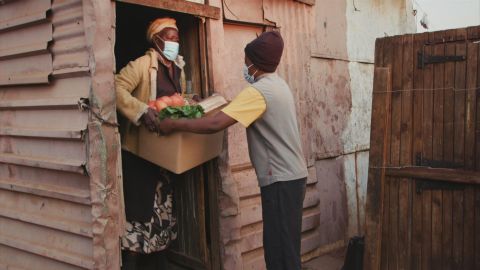
The epic story of how people around the world lived through the first year of the coronavirus pandemic
Hope you're finding these documentaries fascinating and eye-opening. It's just me, working hard behind the scenes to bring you this enriching content.
Running and maintaining a website like this takes time and resources. That's why I'm reaching out to you. If you appreciate what I do and would like to support my efforts, would you consider "buying me a coffee"?
BTC: bc1q8ldskxh4x9qnddhcrgcun8rtvddeldm2a07r2v
ETH: 0x5CCAAA1afc5c5D814129d99277dDb5A979672116
With your donation through , you can show your appreciation and help me keep this project going. Every contribution, no matter how small, makes a significant impact. It goes directly towards covering server costs.
This brings viewers the most complete picture of the process of organ donation and transplantation ever put on screen. Based at The Freeman Hospital in Newcastle, one of Europe's leading multi-organ transplant centres, the film follows a group of seven patients ranging in age from eight months to 56 years old, all in desperate need of a new heart.
2018 • Health
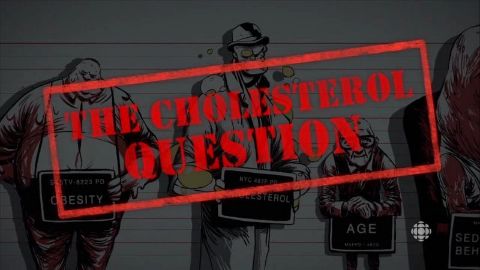
The Cholesterol Question is a hard-hitting investigation into the heart of cholesterol’s controversial journey, from essential biological substance to Public Enemy Number One and possible rehab. It’s a villain that’s simple to understand, easy to implicate and, we thought, easy to medicate. But it’s a story almost stranger than fiction. At Stanford University, Dr. Christopher Gardner reveals the debatable science behind our assault on dietary fat and cholesterol – a massive intervention that many believe only made us fatter and sicker.
S54E04 • The Nature of Things • 2014 • Health
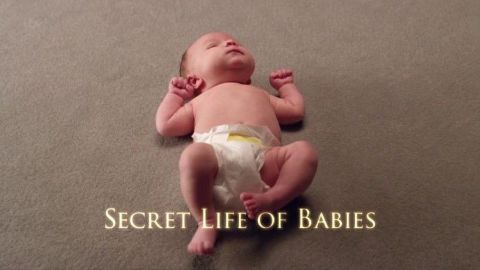
Think you know your baby? Think again. This beautifully shot, heart-warming and scientifically revealing film, narrated by Martin Clunes, brings you babies as you've never seen them before. The first two years of our lives are the most critical of all. We grow more, learn more, move more and even fight more than at any other time in our life. We have to master the complex skills of walking, talking and relating to the world around us. But we are not yet built like an adult. We have more bones in our body at birth than an adult does, yet we don't have kneecaps. We laugh 300 times a day as a baby, but in the first few months we can't produce tears when we're upset. Secret Life of Babies reveals all these facts and more, telling incredible stories of babies' resilience and survival skills to boot. This film will surprise, move, amaze and delight all those who have ever come into contact with a baby, whilst taking you from the moment of birth, through to the point where language begins, memories start to kick in, and a new phase of their lives takes over. This is the Secret Life of Babies.
2014 • Health
Many clinical trials target the nation's most acute health issues. With deaths from liver disease soaring by 40 per cent in a decade, more and more patients are waiting for vital liver transplants. There is a shortage of organ donors and many donated organs are rejected as only those in excellent condition are considered suitable for a transplant procedure. Surgeons Richard Laing and Thamara Perera are part of a team at QEHB trialling a revolutionary way to tackle this crisis, by maximising the number of donor organs that can be safely re-used. The film follows the trial every step of the way, as Richard receives a donor liver that would usually be rejected and tries to prove it is viable for transplant by rejuvenating and testing it on a perfusion machine. This machine sustains the liver by mimicking the supply of blood, oxygen and nutrients an organ receives inside a live, healthy human body. Once the donor liver has proved itself fit for transplant, the surgical team start to remove grandmother Connie O'Driscoll's severely diseased liver. Once the donor liver has been disconnected from the perfusion machine, they have just 20 minutes to place it in Connie's body and plumb it into the complex and delicate network of hepatic blood vessels.
S1E3 • Surgeons: At the Edge of Life • 2018 • Health
What happens when microbes talk to your brain?
In a Nutshell • 2017 • Health
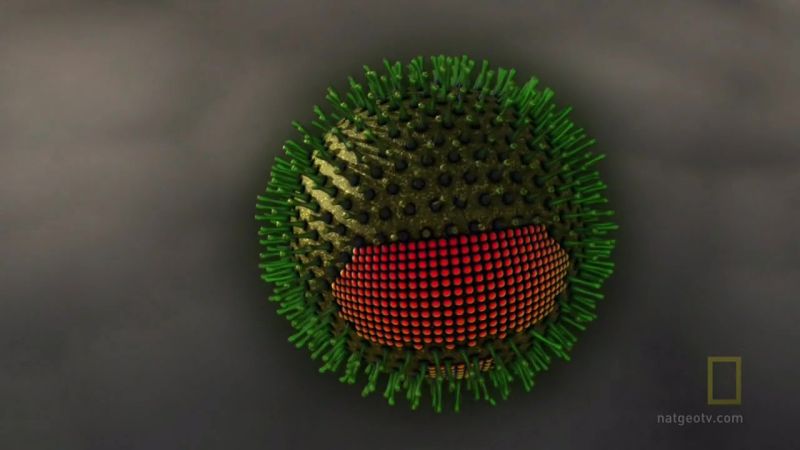
On the front lines of the hunt for killer viruses, a shocking discovery is made: viruses, once thought to be a menace to humankind, may in fact be the ultimate creators. Since the beginning of time, they have played a critical role in evolution, shaping us and perhaps even creating us. How could that be? How can an entity seemingly programmed for destruction lead to genetic diversity and new species? To many people, viruses are simply agents for disease, but to Dr. Luis Villarreal, Director of the Center for Virus Research at the University of California Irvine, they may possess far greater power than originally thought. He guides us through evidence that viruses gave rise to the first complex cells, played a role in the diversification of life, changed how our young are born, drove evolution, and perhaps gave us emotions. One expert even suggests that an ancient virus could have entered our genes and rewired us for monogamy. National Geographic investigates a provocative new theory that suggests that all life - including humans - is descended from viruses. Taking us through African jungles in search for new strains, this episode of Explorer presents a startling new view of viruses - toward what may be a remarkable evolutionary moment: the rise of a new human species.
2008 • Health