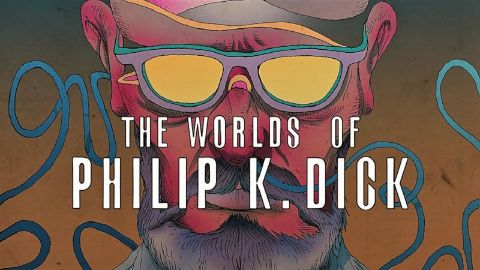
Literary genius, celebrated visionary, paranoid outcast: Writer Philip K. Dick lived a life of ever-shifting realities straight from the pages of his mind-bending sci-fi stories. His books have inspired films like Blade Runner, Total Recall, and Minority Report. His work confronts readers with a deceptively simple question: What is reality?
Hope you're finding these documentaries fascinating and eye-opening. It's just me, working hard behind the scenes to bring you this enriching content.
Running and maintaining a website like this takes time and resources. That's why I'm reaching out to you. If you appreciate what I do and would like to support my efforts, would you consider "buying me a coffee"?
BTC: bc1q8ldskxh4x9qnddhcrgcun8rtvddeldm2a07r2v
ETH: 0x5CCAAA1afc5c5D814129d99277dDb5A979672116
With your donation through , you can show your appreciation and help me keep this project going. Every contribution, no matter how small, makes a significant impact. It goes directly towards covering server costs.

Literary genius, celebrated visionary, paranoid outcast: Writer Philip K. Dick lived a life of ever-shifting realities straight from the pages of his mind-bending sci-fi stories. His books have inspired films like Blade Runner, Total Recall, and Minority Report. His work confronts readers with a deceptively simple question: What is reality?
2011 • People
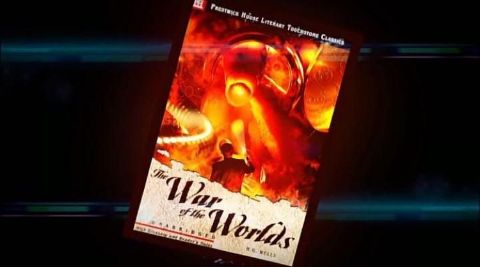
"I told you so..." H.G. Wells' self penned epitaph underscores a lifetime of grim yet uncanny prophecy. With stories like The Time Machine, The Invisible Man, The World Set Free, and The War of the Worlds, H.G. Wells established himself as a sci-fi writer of almost clairvoyant talent.
2011 • People
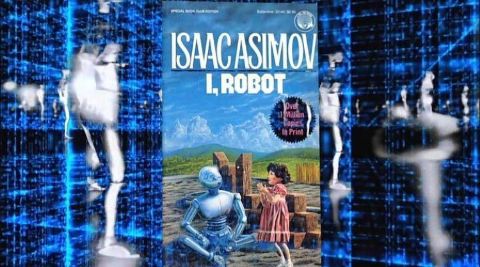
He saved the future from Evil Robots! Isaac Asimov dreamed a better future where we need not fear our own technology. His I, Robot stories of a sci-fi future where robots can do our jobs for us lead to the creation of real-life industrial robots and paved the way for a robo-friendly world.
2011 • People
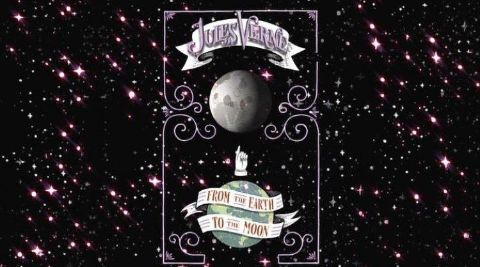
He put a man on the Moon in the Victorian Era. He criticized the Internet...in 1863. Jules Verne is the ultimate futurist, with a legacy of sci-fi stories predicting everything from fuel cell technology to viral advertising. The extraordinary voyages of Jules Verne have inspired art, industry, culture, and technology.
2011 • People
Sci-fi legend Robert Heinlein is a walking contradiction. His stories address themes of patriotism, and duty while stressing the importance of personal freedom and expression. His groundbreaking stories like Starship Troopers and Stranger in a Strange Land continue to challenge readers with a steadfast theme: what is freedom?
2011 • People
From Luke Skywalker's light sabre to Darth Vader's Death Star, the Star Wars franchise is one of the defining science fiction works of the later 20th century. George Lucas' prolific imagination has already inspired two generations of scientists and engineers to push the envelope of technology. By introducing computers into the filmmaking process, he changed the way movies are made, and the way we all see the future.
2011 • People
If there’s one question Matt Walsh never thought he’d be seriously asking the general public, it’s "What is a woman?" But unfortunately, he is. Help Matt find the answer to this elusive question.
2022 • People
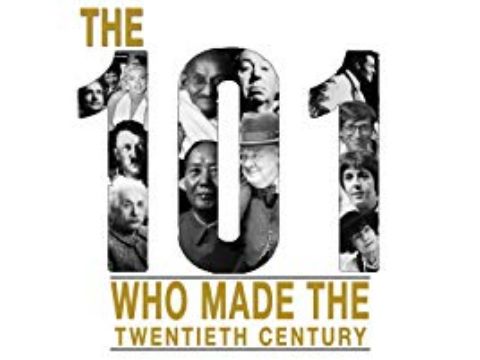
The Sixth Episode features some major players from war and peace, from east and west. From inventors who have changed the way we live and fight to artists who have given us reasons to do both, we count through 35 to 24 and cover some of the most influential and infamous people who made the twentieth century – a long reigning monarch, a murderous dictator and the “father of the Atom Bomb”. Quite a mixture!
S1E6 • The 101 People who Made the 20th Century • 2016 • People
What is the connection between Social Networks and Being Lonely? Quoting the words of Sherry Turkle from her TED talk - Connected, But Alone.
2013 • People
A fight on Everest? It seemed incredible. But in 2013 news channels around the world reported an ugly brawl at 6400 m (21,000 ft) as European climbers fled a mob of angry Sherpas. In 1953, New Zealander Edmund Hillary and Sherpa Tenzing Norgay had reached the summit in a spirit of co-operation and brave optimism. Now climbers and Sherpas were trading insults - even blows. What had happened to the happy, smiling Sherpas and their dedication in getting foreigners to the top of the mountain they hold so sacred?
2015 • People
The second episode delves into the moral framework that religions are often cited as providing and argues against the indoctrination of children. Dawkins compares religious faith to a virus, being passed from parents to offspring and teachers to pupils. He visits a London Hasidic Jewish school, where students are largely isolated from outside ideas, and Phoenix Academy, a semi-independent city academy following the American Accelerated Christian Learning curriculum. Dawkins interviews the headteacher about the integration of biblical stories into various academic subjects and explores the differences between secular ethics and morality based on religious law. He also discusses concepts from evolutionary biology, such as reciprocal altruism and kin selection, as explanations for morality.
S1E2 • The Root of All Evil • 2006 • People
In May 2016, BBC reporter Rupert Wingfield-Hayes was expelled from North Korea for showing disrespect and 'distorting facts'. He now tells the full story of his visit to the country and explores what his detention and interrogation by senior Korean officials say about this secretive state. He investigates the apparent upturn in the North Korean economy and asks if the signs of improvement in the capital Pyongyang are real. He also examines whether the people there are genuinely loyal to their young leader or whether Kim Jong Un is ruling by reign of terror.
2016 • People