Jules Verne • 2011 • episode "S1E6" Prophets of Science Fiction

Category: People | Download:

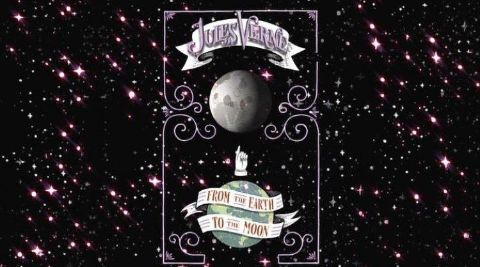
He put a man on the Moon in the Victorian Era. He criticized the Internet...in 1863. Jules Verne is the ultimate futurist, with a legacy of sci-fi stories predicting everything from fuel cell technology to viral advertising. The extraordinary voyages of Jules Verne have inspired art, industry, culture, and technology.

Make a donation

Buy a brother a hot coffee? Or a cold beer?

Hope you're finding these documentaries fascinating and eye-opening. It's just me, working hard behind the scenes to bring you this enriching content.

Running and maintaining a website like this takes time and resources. That's why I'm reaching out to you. If you appreciate what I do and would like to support my efforts, would you consider "buying me a coffee"?

Donation addresses

Buy Me a Coffee at ko-fi.com

patreon.com

BTC: bc1q8ldskxh4x9qnddhcrgcun8rtvddeldm2a07r2v

ETH: 0x5CCAAA1afc5c5D814129d99277dDb5A979672116

With your donation through , you can show your appreciation and help me keep this project going. Every contribution, no matter how small, makes a significant impact. It goes directly towards covering server costs.
Prophets of Science Fiction • 2011 • 6 episodes •

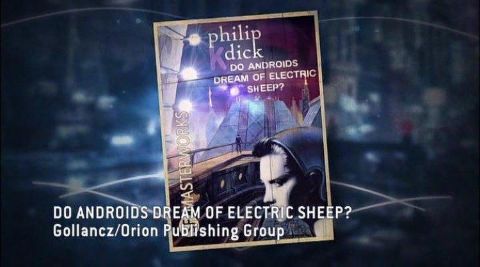
Philip K Dick

Literary genius, celebrated visionary, paranoid outcast: Writer Philip K. Dick lived a life of ever-shifting realities straight from the pages of his mind-bending sci-fi stories. His books have inspired films like Blade Runner, Total Recall, and Minority Report. His work confronts readers with a deceptively simple question: What is reality?

2011 • People

H G Wells

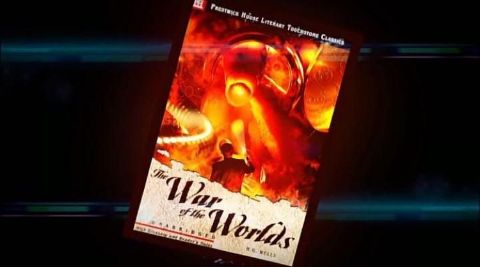
"I told you so..." H.G. Wells' self penned epitaph underscores a lifetime of grim yet uncanny prophecy. With stories like The Time Machine, The Invisible Man, The World Set Free, and The War of the Worlds, H.G. Wells established himself as a sci-fi writer of almost clairvoyant talent.

2011 • People

Isaac Asimov

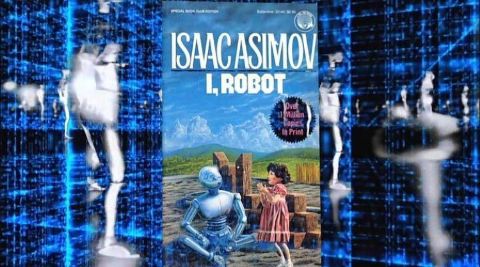
He saved the future from Evil Robots! Isaac Asimov dreamed a better future where we need not fear our own technology. His I, Robot stories of a sci-fi future where robots can do our jobs for us lead to the creation of real-life industrial robots and paved the way for a robo-friendly world.

2011 • People

Jules Verne

He put a man on the Moon in the Victorian Era. He criticized the Internet...in 1863. Jules Verne is the ultimate futurist, with a legacy of sci-fi stories predicting everything from fuel cell technology to viral advertising. The extraordinary voyages of Jules Verne have inspired art, industry, culture, and technology.

2011 • People

Robert Heinlein

Sci-fi legend Robert Heinlein is a walking contradiction. His stories address themes of patriotism, and duty while stressing the importance of personal freedom and expression. His groundbreaking stories like Starship Troopers and Stranger in a Strange Land continue to challenge readers with a steadfast theme: what is freedom?

2011 • People

George Lucas

From Luke Skywalker's light sabre to Darth Vader's Death Star, the Star Wars franchise is one of the defining science fiction works of the later 20th century. George Lucas' prolific imagination has already inspired two generations of scientists and engineers to push the envelope of technology. By introducing computers into the filmmaking process, he changed the way movies are made, and the way we all see the future.

2011 • People

You might also like

Reasons to Believe

Have you ever wondered why people believe things like religion, spirituality, conspiracy theories and political ideology without evidence? Why it's so hard to change their minds, even after presenting the facts? Reasons To Believe is a thought-provoking documentary by filmmaker Ben Fama Jr., that explores the psychology and science of belief and why we believe, sometimes falsely, in things that may not match up with reality. Facilitated by leaders in the fields of science, philosophy, neuroscience, moral reasoning, psychology, perception, memory formation, and indoctrination, these experts answer a variety of thought provoking questions and provide tangible structure to the definition and creation of belief in the human brain. Fama asks the question: Why do we believe?

2017 • People

Magellan's Crossing

500 years ago, Ferdinand Magellan and his crew set sail to gain control of the global spice trade. What resulted was the first circumnavigation of the Earth, laying the groundwork for colonization and globalization still felt today.

Secrets of the Dead • 2021 • People

Philip K Dick

Literary genius, celebrated visionary, paranoid outcast: Writer Philip K. Dick lived a life of ever-shifting realities straight from the pages of his mind-bending sci-fi stories. His books have inspired films like Blade Runner, Total Recall, and Minority Report. His work confronts readers with a deceptively simple question: What is reality?

S1E2Prophets of Science Fiction • 2011 • People

Steve Jobs: One Last Thing

A look at the life and career of the technology business innovator and entrepreneur.

2011 • People

The Grammar of Happiness

A language that can be spoken, hummed, or whistled? A language with no unique words for colour or numbers? Linguistics professor Daniel Everett claims that the unique language of the Piraha people of the Amazon is exactly that. More than 30 years ago, he travelled as a missionary into the Amazon rainforest to teach the tribe, but they ended up teaching him. Their way of life and unique form of communication have profoundly changed Everett, and inspired a theory that could undermine the most powerful theory (or theorist) of linguistics.

2012 • People

Carl Sagan: A Cosmic Celebrity

Carl Sagan did more to popularize science than any man on the planet, sharing his wonder and fascination with the mysteries of the universe with millions. He was the rarest of all creatures: the celebrity scientist. While some accused him of being a grandstander, none can deny that his approach to science helped introduce millions of people to the great wonders of the universe that fascinated him all his life. Carl Sagan played many roles: professor, working scientist, bestselling author and TV personality. In his classic television series, he brought science to the masses in an accessible, entertaining format. But he also performed groundbreaking research in astronomy, and was willing to risk his reputation to investigate the possibility of extraterrestrial life. Explore the remarkable life of this visionary scientist from his childhood to his death from bone marrow disease at 62. Colleagues trace the many contributions he made to his field, while family members including his wife and sister offer insight into the private man. From Cosmos to Contact, this is the story of the dedicated man who shared his love of the heavens with millions.

1996 • People