Protecting Primates • 2020 • episode "S1E3" Primates

Category: Nature

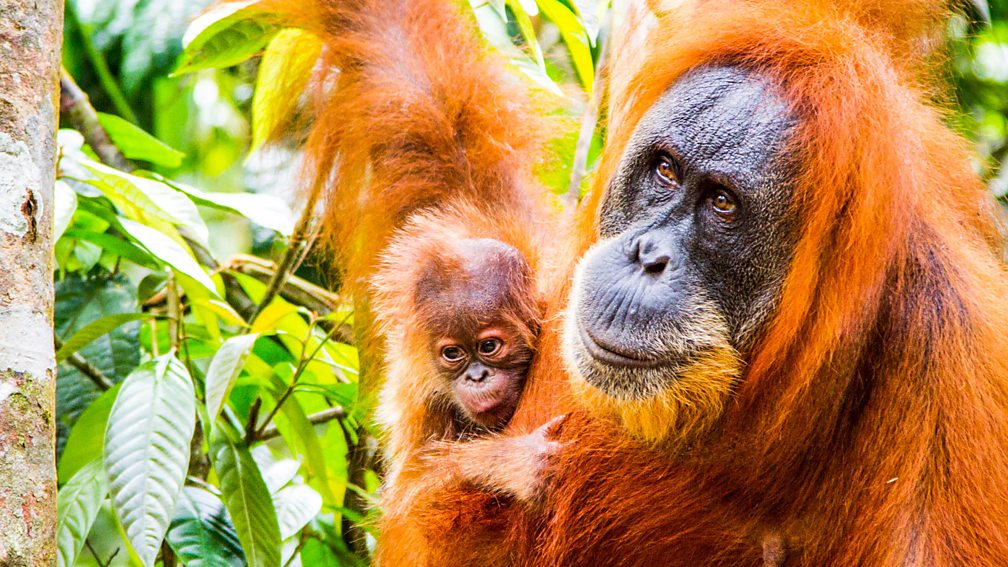
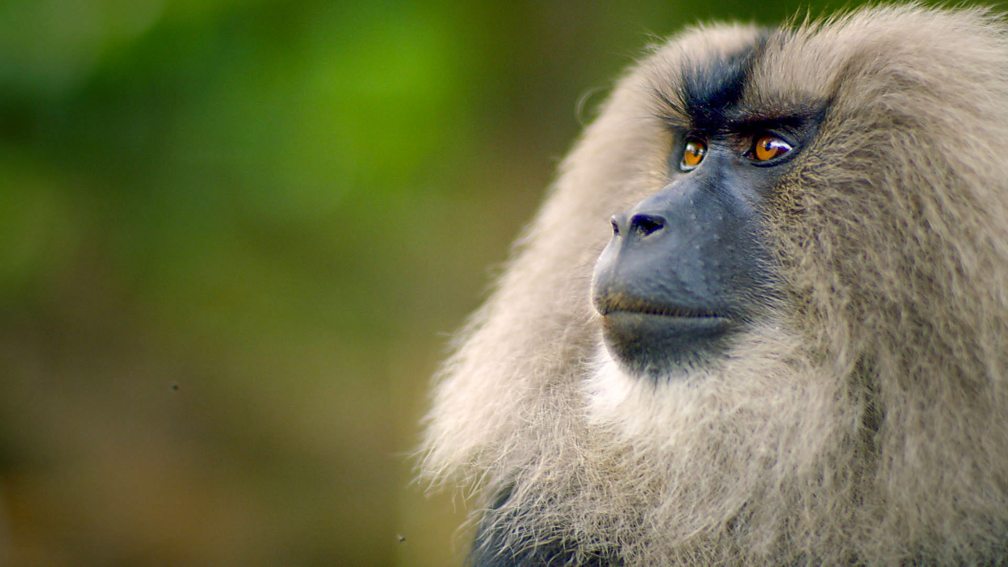
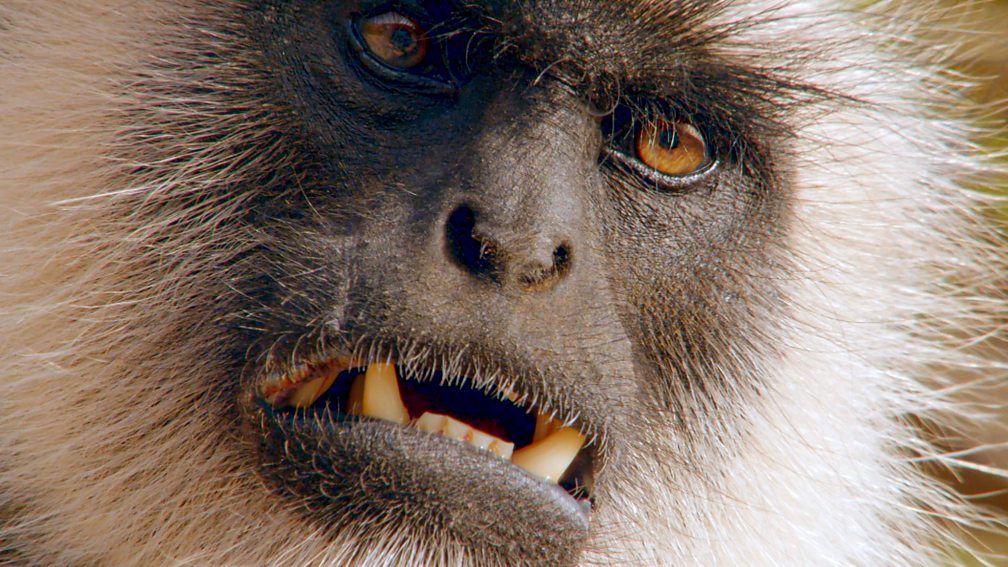
With more than half of all primate species threatened with extinction, this episode follows scientists and conservationists working to understand and protect our closest animal relatives through groundbreaking research and conservation efforts.

Make a donation

Buy a brother a hot coffee? Or a cold beer?

Hope you're finding these documentaries fascinating and eye-opening. It's just me, working hard behind the scenes to bring you this enriching content.

Running and maintaining a website like this takes time and resources. That's why I'm reaching out to you. If you appreciate what I do and would like to support my efforts, would you consider "buying me a coffee"?

Donation addresses

Buy Me a Coffee at ko-fi.com

patreon.com

BTC: bc1q8ldskxh4x9qnddhcrgcun8rtvddeldm2a07r2v

ETH: 0x5CCAAA1afc5c5D814129d99277dDb5A979672116

With your donation through , you can show your appreciation and help me keep this project going. Every contribution, no matter how small, makes a significant impact. It goes directly towards covering server costs.
Primates • 2020 • 3 episodes •

Secrets of Survival

Primates have adapted to survive everywhere from mountains and forests to cities and savannahs. This episode reveals the ingenious strategies used by monkeys, apes, and lemurs to find food, avoid predators, and thrive in some of the world's most challenging environments.

2020 • Nature

Family Matters

A look at the extraordinary social lives of primates. From devoted fathers and protective relatives to lifelong friendships and complex hierarchies, the episode explores how family bonds help primates survive and prosper.

2020 • Nature

Protecting Primates

With more than half of all primate species threatened with extinction, this episode follows scientists and conservationists working to understand and protect our closest animal relatives through groundbreaking research and conservation efforts.

2020 • Nature

You might also like

Evolution

James May treks into the wilderness to learn about Darwin's theory of natural selection.

S2E3James May's Things You Need to Know • 2012 • Nature

Urals - Primordial Valley

Take a journey through majestic primeval forests of the Urals. These protected sites are known for their extremes, where the fine side by side, and giant deer, and giant leviathan, weighing half a ton, and tiny animals. This also, in search of food, make their seasonal raiding Eurasian elk. Unlike other types of elk Eurasian elk live alone, so for the pregnant female elk stress of meeting with other animals usually leads to a fight. As soon as the snow begins to melt in the woods, baring the ground, a lone wolf set out in search of food, not disdaining the frozen remains of animals

S1E6Wild Russia • 2009 • Nature

Mountains

The highest mountains on Earth are home to snow leopards, golden eagles, mountain goats, barnacle goslings, and gelada monkeys; only the toughest of animals can endure the extreme weather, scarce food supplies and limited oxygen on these peaks.

S1E1Hostile Planet • 2019 • Nature

Wild Way of the Vikings

Experience the natural world through the eyes of the Vikings. From the killer whales of the North Sea to the volcanic mounts of Iceland, see the deep history and cultural respect the Vikings had with the land and sea. Ewan McGregor narrates.

PBS Nature • 2019 • Nature

Passionate

In the Pacific, the quest to multiply has spawned a stunning array of unusual behaviors and adaptations. There are forest penguins with a tenuous marriage, the secret rendezvous of great white sharks, and the tale of male pregnancy.

S1E4Big Pacific • 2017 • Nature

From the top of the food chain down: Rewilding our world

Our planet was once populated by megafauna, big top-of-the-food-chain predators that played their part in balancing our ecosystems. When those megafauna disappear, the result is a "trophic cascade," where every part of the ecosystem reacts to the loss. How can we stay in balance? George Monbiot suggests rewilding: putting wolves, lions and other predators back on top -- with surprising results.

TED-EdNature