Explores our economic, historical and emotional entanglement with oil, by looking at the conflicting imperatives around North Sea oil. This invisible machine at the core of our economy and society now faces an uncertain future as activists and investors demand change - is this the end of oil? By highlighting the complexities of how oil is embedded in our society - from high finance to cheap consumer goods – this documentary brings together a wide range of voices, from oil company executives and economists, to young activists and pension fund managers, and considers how this machine can be tamed, dismantled or repurposed. We have five to ten years to control our oil addiction, and yet the licensing of new oil fields continues in direct contradiction with the Paris Climate Agreement. This documentary looks at how the drama of global climate action is playing out in the fight over North Sea oil.
Hope you're finding these documentaries fascinating and eye-opening. It's just me, working hard behind the scenes to bring you this enriching content.
Running and maintaining a website like this takes time and resources. That's why I'm reaching out to you. If you appreciate what I do and would like to support my efforts, would you consider "buying me a coffee"?
BTC: bc1q8ldskxh4x9qnddhcrgcun8rtvddeldm2a07r2v
ETH: 0x5CCAAA1afc5c5D814129d99277dDb5A979672116
With your donation through , you can show your appreciation and help me keep this project going. Every contribution, no matter how small, makes a significant impact. It goes directly towards covering server costs.
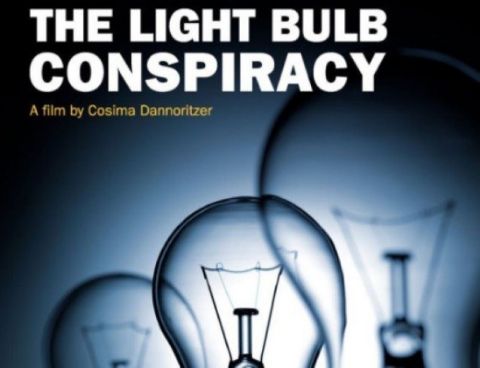
Planned Obsolescence is the deliberate shortening of product life spans to guarantee consumer demand. As a magazine for advertisers succinctly puts it: “The article that refuses to wear out is a tragedy of business “ - and a tragedy for the modern growth society which relies on an ever-accelerating cycle of production, consumption and throwing away. THE LIGHT BULB CONSPIRACY combines investigative research and rare archive footage to trace the untold story of Planned Obsolescence, from its beginnings in the 1920s with a secret cartel, set up expressly to limit the life span of light bulbs, to present-day stories involving cutting edge electronics (such as the iPod) and the growing spirit of resistance amongst ordinary consumers. This film travels to France, Germany, Spain and the US to find witnesses of a business practice which has become the basis of the modern economy, and brings back disquieting pictures from Africa where discarded electronics are piling up in huge cemeteries for electronic waste. Economists and environmentalists believe that the growth society as we know it is unsustainable in the long run and that Planned Obsolescence needs to become a thing of the past, as it is impossible to combine the limitless consumption of resources with a finite planet. But what are the alternatives? The film offers thought-provoking analysis by thinkers working on ways of saving both the economy and the environment, and presents hands-on stories showing entrepreneurs putting new business models into practice.
2010 • Economics
The reason why some countries are rich and others poor depends on many things, including the quality of their institutions, the culture they have, the natural resources they find and what latitude they're on.
The School of Life • 2014 • Economics
Thursday, October 24: the Wall Street Stock Exchange crashes, the greatest economic crisis of the 20th century suddenly breaks out. The crash, fueled by frenetic speculation, and by the idea that everyone could get rich without limits, put a final stop to the euphoria of the 1920s.
Why should you care about the well-being of people half a globe away?
In a Nutshell • 2018 • Economics
This is the story of how the world's leading economy sinks into the Great Depression, with repercussions that allow Hitler to rise to power. Eventually, President Franklin D. Roosevelt brings hope and optimism back into the hearts of the US population.
Bottled water is a big business, selling itself as a tastier and healthier alternative to the tap variety. Is there truth behind the claims?
S2E5 • History 101 • 2022 • Economics