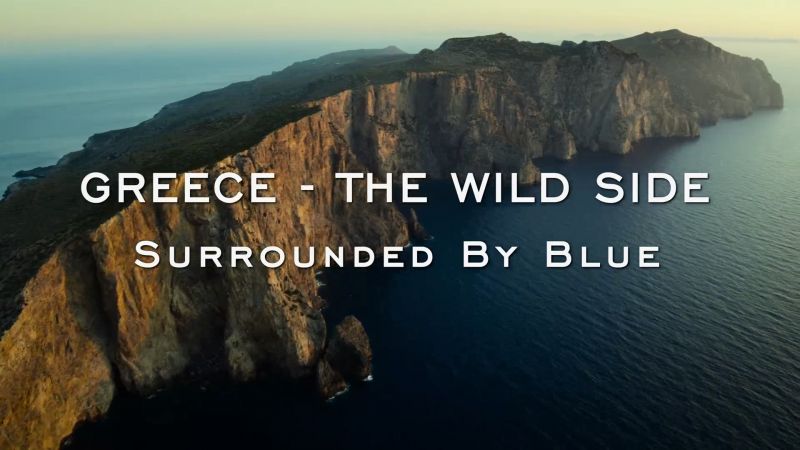
Dalmatian pelicans fly north to their high altitude breeding grounds on Lake Prespa. Beneath them a brown bear mother and cubs enjoy the springtime in the forests of the Pindos mountains. The 300-meter cliffs of the world famous Meteora monasteries shelter Greece’s last Egyptian vulture breeding pair
Hope you're finding these documentaries fascinating and eye-opening. It's just me, working hard behind the scenes to bring you this enriching content.
Running and maintaining a website like this takes time and resources. That's why I'm reaching out to you. If you appreciate what I do and would like to support my efforts, would you consider "buying me a coffee"?
BTC: bc1q8ldskxh4x9qnddhcrgcun8rtvddeldm2a07r2v
ETH: 0x5CCAAA1afc5c5D814129d99277dDb5A979672116
With your donation through , you can show your appreciation and help me keep this project going. Every contribution, no matter how small, makes a significant impact. It goes directly towards covering server costs.
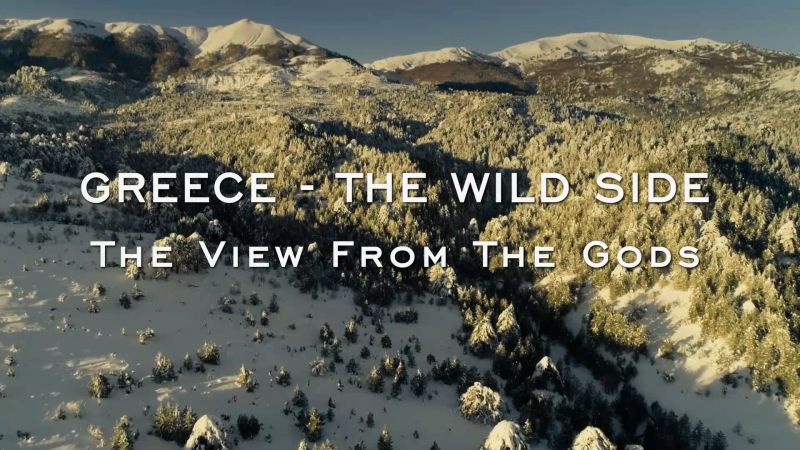
Dalmatian pelicans fly north to their high altitude breeding grounds on Lake Prespa. Beneath them a brown bear mother and cubs enjoy the springtime in the forests of the Pindos mountains. The 300-meter cliffs of the world famous Meteora monasteries shelter Greece’s last Egyptian vulture breeding pair
2021 • Nature
Land-based African chameleons and coastal cuttlefish both change color and pattern to hide or to advertise their mood. Both fight to win their mate and shoot out tongues or tentacles to snare their prey.
2021 • Nature
With the arrival of spring, days grow longer and temperatures rise. But spring in Alaska is short. Animals have two months to feed, and start a family, while avoiding predators. Spring is also the time that millions of birds return to Alaska.
S1E2 • Alaska: A Year in the Wild • 2017 • Nature
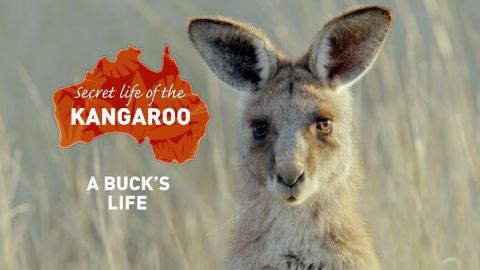
Witness the hard knock life of male kangaroos as they engage in constant fights to determine social rank.
S1E3 • Secret Life of the Kangaroo • 2016 • Nature
A team of intrepid paleontologists discovers that dinosaurs thrived in the unlikeliest of places—the cold and dark of winter in the Arctic Circle. How did they survive year-round and raise their young in frigid and dark winter conditions?
In this episode, Chris Packham tells the almost implausible story of how our world went from a barren rock with a sky of endless black, to the planet we know today, cloaked in the thin blue line of our life-sustaining atmosphere. When Earth first formed from clouds of dust and gas 4.6 billion years ago, it was - like so many other lifeless worlds in the universe - devoid of an atmosphere, an inhospitable rock floating in the black void of space. But as the young planet was pummelled by asteroids a period of extraordinary upheaval began. Over a two-billion-year period, the planet faced violent eruptions and a toxic orange haze, vast oceans of water in the sky and seas turning rusty red. Eventually, with the emergence of life and photosynthesis recalibrating the gases in our atmosphere, the stage was set for Earth to become the vibrant azure-skied planet we call home today.
S1E4 • Earth: One Planet, Many Lives • 2023 • Nature
In the Land of the Cave Bear, Alice ventures to the parts of the northern hemisphere, hit hardest by the cold - Europe and Siberia. High in the mountains of Transylvania, a cave sealed for thousands of years reveals grisly evidence for a fight to the death between two staving giants, a cave bear and a cave lion. Yet Alice discovers that for woolly rhinos and woolly mammoths, the Ice Age created a bounty. The Mammoth Steppe, a vast tract of land which went half way round the world, provided food all year round, for those that liked the cold. It was these mammoths that Europe's most dangerous predators hunted for their survival.
S1E2 • Ice Age Giants • 2013 • Nature
David Attenborough reveals that the animal inhabitants of this vast wilderness are every bit as extraordinary as they are bizarre. Unearthly calls of the notorious Tasmanian devil echo through the land, but following them over the course of a year reveals a surprisingly gentle side. In the dry east, rare white wallabies graze on the plains and jack jumper ants build huge nests – these venomous ants are amongst the most dangerous on earth. In the west, where it can rain nearly every day of the year, caves light up with the magical spectacle of thousands of glow-worms, and the trees are 100-metre towering monsters. Rivers are home to the peculiar platypus, and world’s largest freshwater invertebrate, the Tasmanian giant lobster. Miniature penguins come ashore to breed, and as winter approaches, the southern lights dance in the sky. Tasmania’s isolation and unique climate has created a world that is as weird as it is wonderful.
Natural World • 2019 • Nature