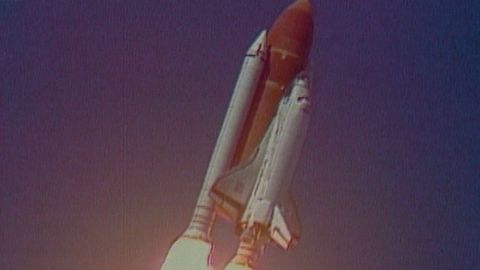
With both sides planning for the worst-case scenario, Ronald Reagan and Mikhail Gorbachev find common ground. Tragedy strikes after a nuclear disaster.
Hope you're finding these documentaries fascinating and eye-opening. It's just me, working hard behind the scenes to bring you this enriching content.
Running and maintaining a website like this takes time and resources. That's why I'm reaching out to you. If you appreciate what I do and would like to support my efforts, would you consider "buying me a coffee"?
BTC: bc1q8ldskxh4x9qnddhcrgcun8rtvddeldm2a07r2v
ETH: 0x5CCAAA1afc5c5D814129d99277dDb5A979672116
With your donation through , you can show your appreciation and help me keep this project going. Every contribution, no matter how small, makes a significant impact. It goes directly towards covering server costs.
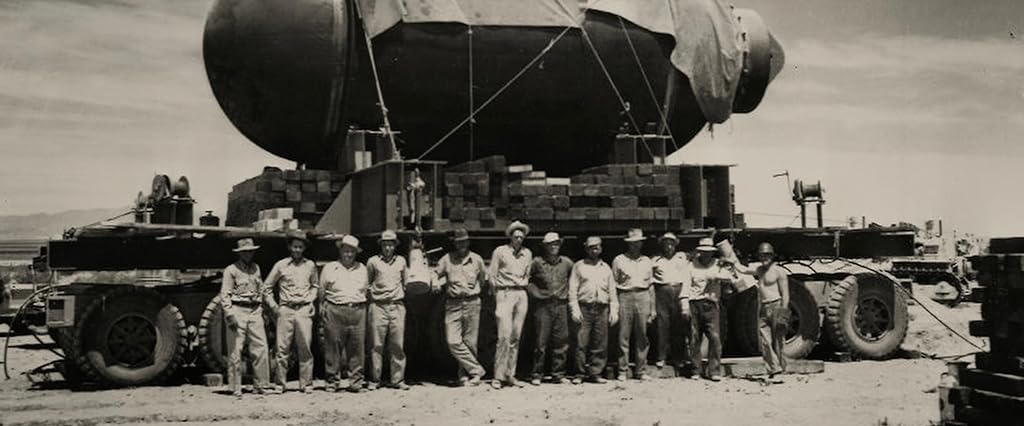
During World War Il, the US begins to work on a top-secret project that results in the atomic bombings on Japan - and a global conflict lasting decades.
2024 • History
As communism takes off in Russia and China, Joseph Stalin begins his ruthless reign and the Soviet Union enters an era of terror.
2024 • History
Preparing for war against the Soviet Union, the US starts to test thermonuclear weapons. The CIA forms and interferes with global politics.
2024 • History
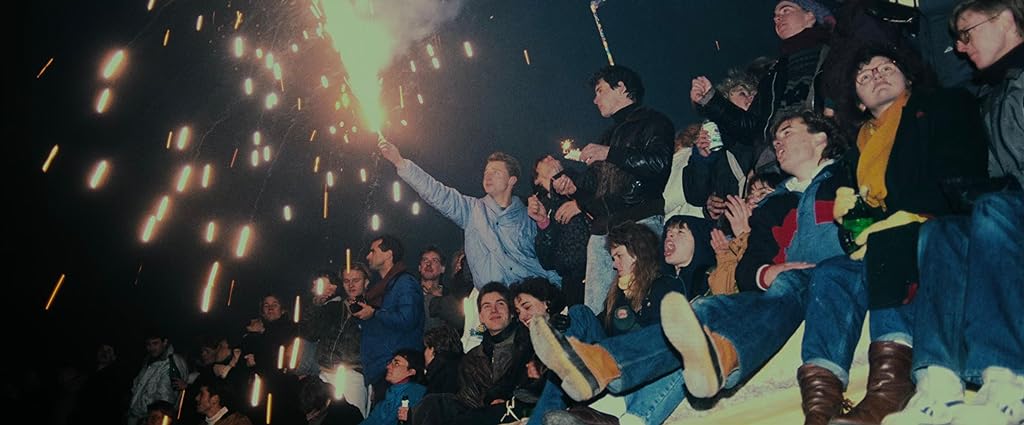
The USSR's grasp on Eastern Europe weakens as the Berlin Wall comes down and the Communist Party mounts a coup against a prominent Soviet Union leader.
2024 • History
A new Russian leader emerges, and the republics seek independence. As the Soviet Union dissolves, several powers sign a landmark treaty on nuclear arms.
2024 • History
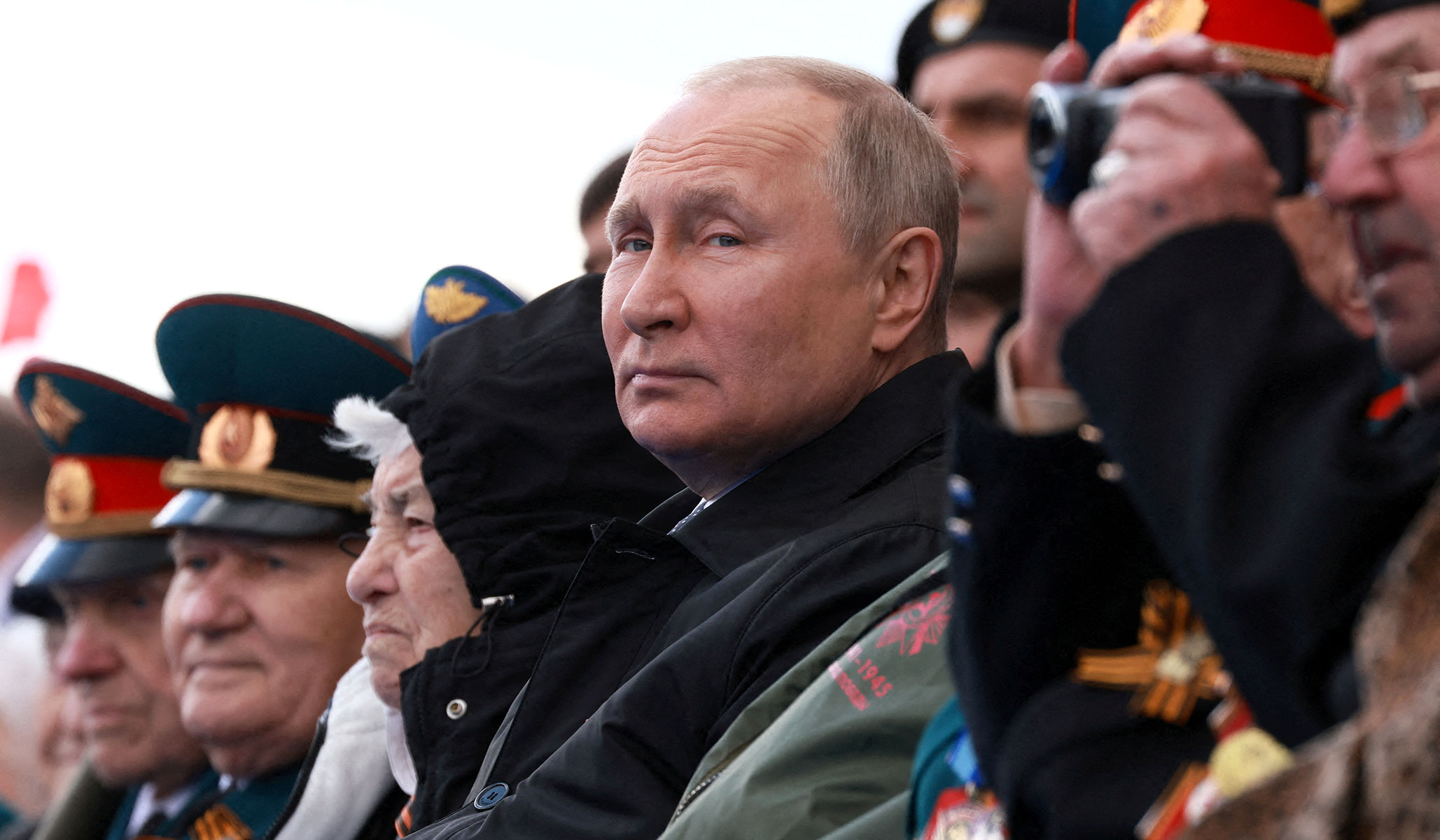
Russia struggles to find a national identity as Vladimir Putin comes to power. With the Cold War in the rearview, a war on terror begins.
2024 • History
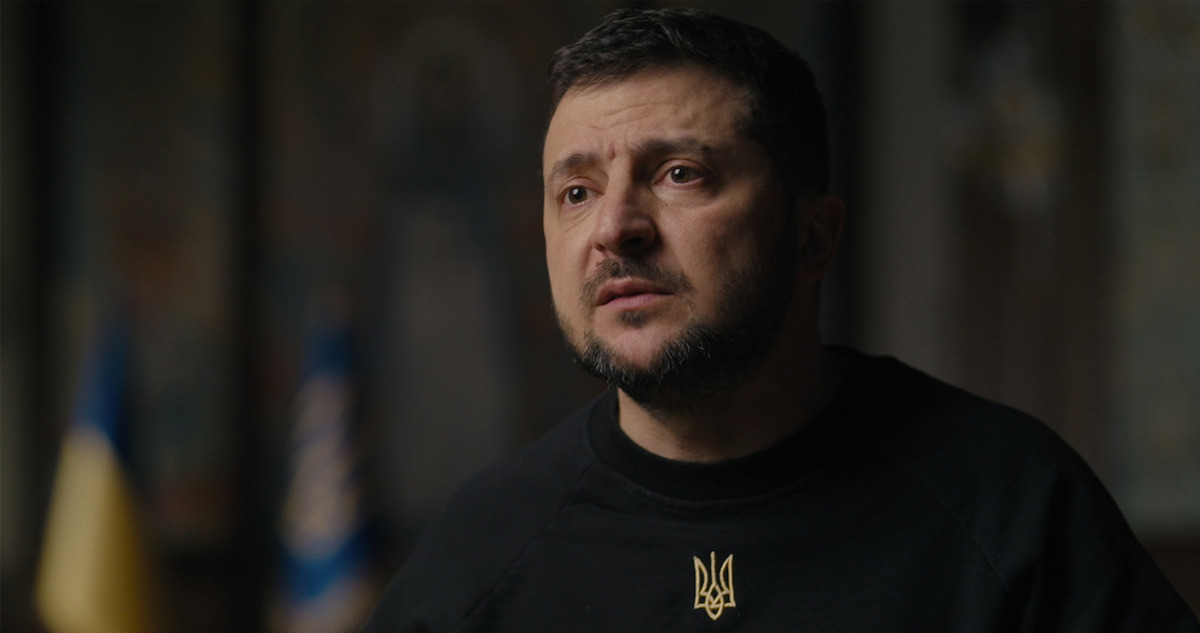
Russia invades Georgia and Ukraine, putting Putin under intense scrutiny. While disinformation thrives, threats of nuclear war persist.
2024 • History
Chapter 1: Most Wanted The return of the documentary, picking up in the immediate aftermath of the Second World War, when the Allies uncovered the scale of the Holocaust. Preparations began for a trial at Nuremberg, where 22 of the highest-ranking Nazis, including Hermann Goering, were to face charges of war crimes and crimes against humanity. But not all the highest-ranking Nazis had been captured, and the job of tracking them down fell to Allied soldiers. Chapter 2: The Ratline After the Nuremberg trial, the most senior ranking Nazis had been executed or imprisoned - but many of the worst criminals were still at large. They included Adolf Eichmann, who arranged the transportation of millions of Europe's Jewish people to death camps, and Nazi secret police chief Klaus Barbie, who became known as "the Butcher of Lyon" because of his reputation for extreme cruelty. This documentary follows the hunt for these two war criminals. Chapter 3: The Reckoning The continuing story of the diehards committed to hunt down thousands of Nazi war criminals, some of whom were living in plain sight. One such woman was German Beate Klarsfeld, determined to right the wrongs of her country's dark past and identify Nazis who had gone unpunished - including the notorious Klaus Barbie. The documentary also tells the story of Josef Mengele - who performed gruesome experiemnts on Auschwitz inmates - and the son so appalled by his father's actions he considered turning him in.
S4 • Rise of the Nazis • 2019 • History
(contains all 3 parts)Former Royal Marine JJ Chalmers uses his own devastating experiences of war to give his perspective on the evacuation of Allied soldiers in May and June 1940.
2022 • History
"Had the party given me orders, maybe East Germany would still exist today. You can count on that." (Erich Mielke, Minister of State Security from 1957-1989) An informative and chilling account of the history of the notorious East German secret police, the Stasi. Up to 90,000 full-time employees and more than 180,000 unofficial informants work for the Ministry for State Security of the GDR, and about one in 50 adults in East Germany collaborated with East Germany's Secret Police. Relative to population, it was the largest secret service in the history of mankind. Headed by the sinister Erich Mielke, the Stasi kept the East German population under constant surveillance. The Stasi - just another intelligence agency, in just another country? "Shield and Sword of the Party" is what the Stasi calls itself. The Party dictatorship never dares to face its opponents. Instead, the Stasi has to keep all dissenting opinions under control. The goal is total total surveillance. In addition to the state security, the "Stasi" is responsible for foreign intelligence and counter-espionage, personal and property protection, border and passport controls. As the party's shield and sword, the MfS is supposed to keep all enemies of the state under control. "Die Firma: Stasi" takes a look at the extent of Stasi work and shows the omnipresence of state security - from the enormous headquarters of the Ministry in Berlin through district administrations, local offices, detention facilities, prisons, disguised isolation camps, hidden bunkers, reconnaissance planes, eavesdropping stations to the secret execution site of the GDR. Through tapping phones, reading mail, and installing informers they created an insidious culture of fear and suspicion. This definitive doc reveals the calculated cruelty and brutal repression committed by East Germany's most infamous organization.
2007 • History
The Germanic tribes strike as Marcus Aurelius succumbs to disease, leaving a skeptical Emperor Commodus to prosecute a war that doesn't interest him.
S1E2 • Roman Empire • 2016 • History
On the 19 November 1945, the International Military Tribunal was opened in the Palace of Justice in Nuremberg, Germany. The city, which had seen the rise of the Nazi Party was, in the eyes of the allies, the perfect location to host its demise. The first of the Nuremberg trials was to be the biggest murder trial in human history, with 21 Nazi leaders appearing before the court charged with the deaths of millions of innocent people during the Holocaust of WWII. These were no ordinary criminals; they represented the very foundation of Nazi ideology that had instigated the most ferocious genocide the world had ever seen. With judges and prosecutors from the US, the UK, the USSR and France, the trials were the allies' collective condemnation of Nazi Germany and the atrocities committed in pursuit of their ideology. The decisions made at Nuremberg had implications not only for the accused, but for the very foundation of modern international criminal law. Now, 75 years on, audiences are provided with an immersive look at the event that has become synonymous with the birth of contemporary human rights in the 2020 documentary, The World’s Biggest Murder Trial: Nuremberg. This feature-length documentary provides a detailed account of the events and implications of the trials, featuring more than 1000 archive clips, including recently digitised film footage from the courtroom itself. Whilst 90 minutes seems incredibly brief considering the enormity of the trials, the documentary's constant and unwavering focus on the courtroom, and the horrors it uncovered, suggest any longer might be too harrowing to bear. It is a decision that serves to amplify the inhumanity of the accusations, the apparent indifference of the accused, and the desperate desire for justice in the aftermath of such a dehumanising period of history. The sheer enormity of the task that faced the judges and prosecutors is evident from the moment each of the accused ascends from deep beneath the palace and enters the dock. Convicting a single alleged murderer is one thing, but a murder trial with an estimated 12 million victims is a an almost incomprehensible undertaking, even in a modern context. The cinematic quality of the footage captures every moment in extraordinary detail, from the disturbing cold-bloodedness of the Third Reich leaders as they openly snigger at translation errors throughout the trial, to the accounts of survivors, who witnessed the terror of their actions first hand. With the benefit of hindsight, their crimes seem indisputable; however the documentary proves that there is no conviction without proof, and the trials themselves were not without controversy. The convictions were based on concepts barely understood, laws not yet formalised, and many believed the process served as a political judgement rather than a transformative moment in international law. Despite the criticisms surrounding them, there is no denying that the greatest legacy of the trials is the role they played in reiterating the need for an international body focused on the protection of the human person. Though the majority of Nazis never received a punishment that reflected the extent of their crime, Nuremberg will forever be remembered as the moment that much of the world heard of the atrocities of the Holocaust for the first time.
2020 • History
See how Idi Amin used lessons learned in the colonial British army to build a powerful dictatorship in Uganda. Through a combination of populist charm and brutal violence, he ruled for eight years until his strategic blunders brought him down.
S1E6 • The Dictator's Playbook • 2019 • History