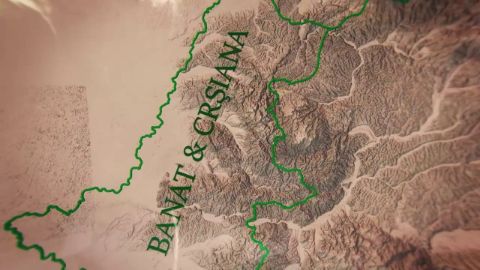
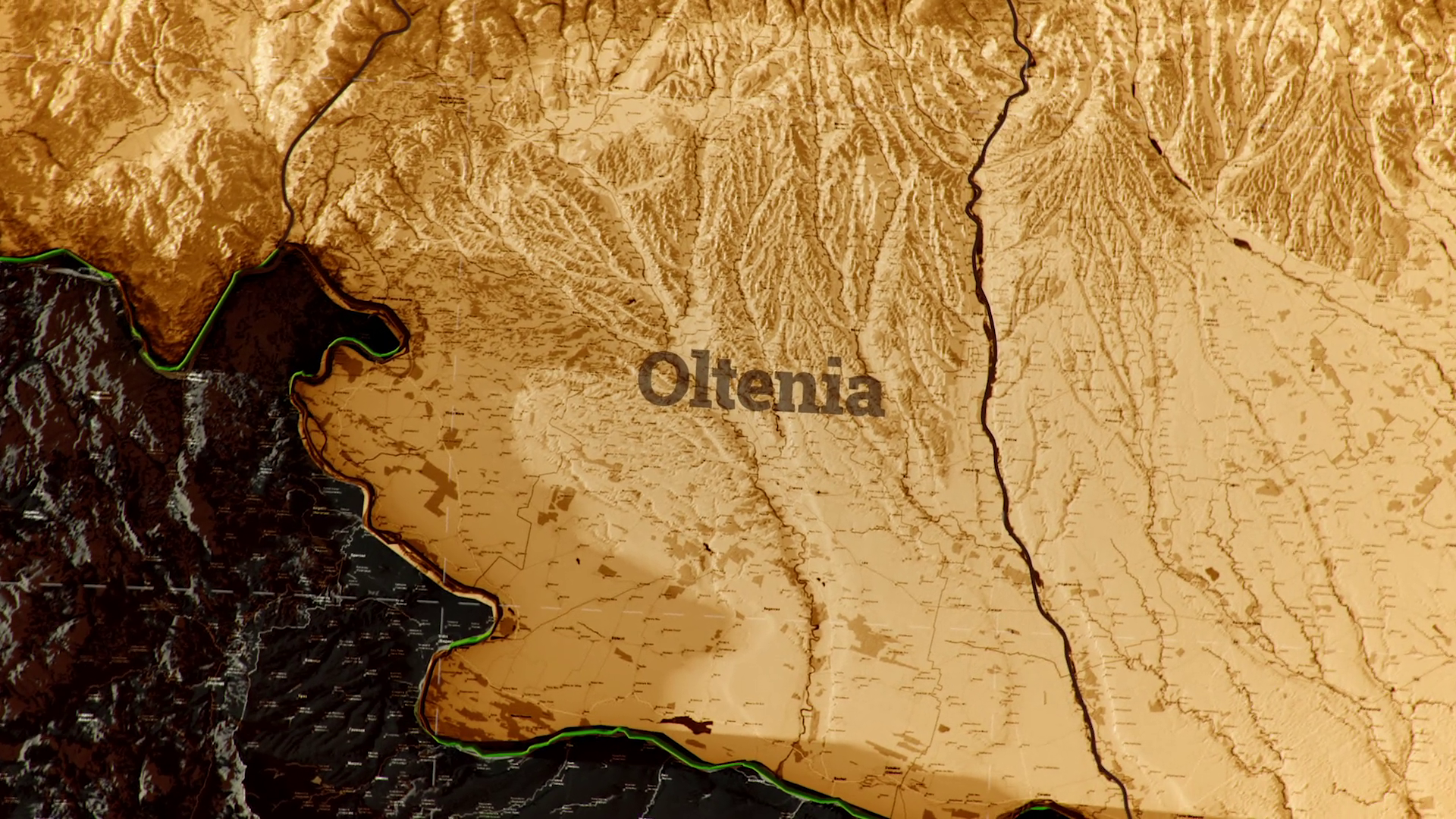
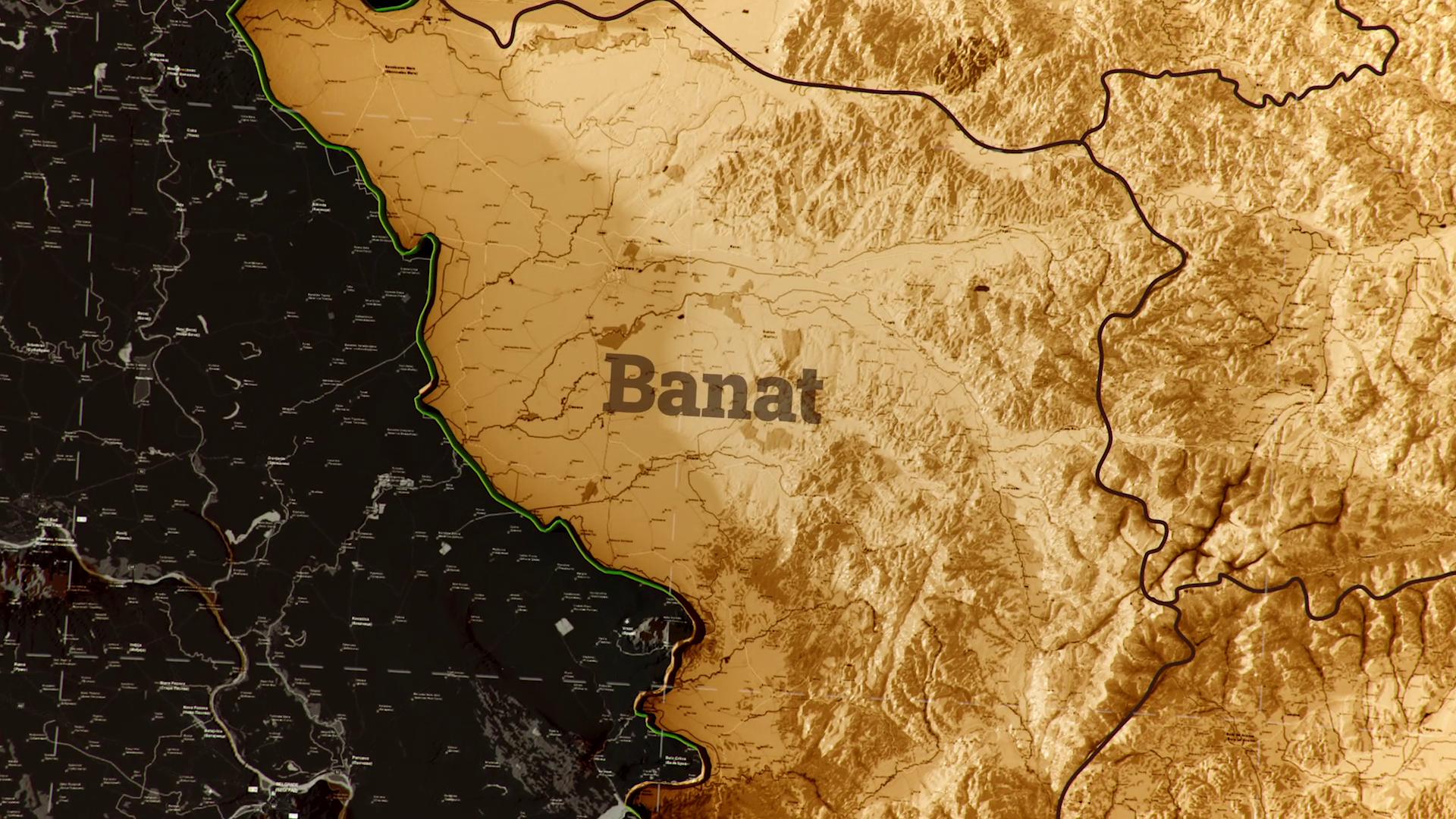
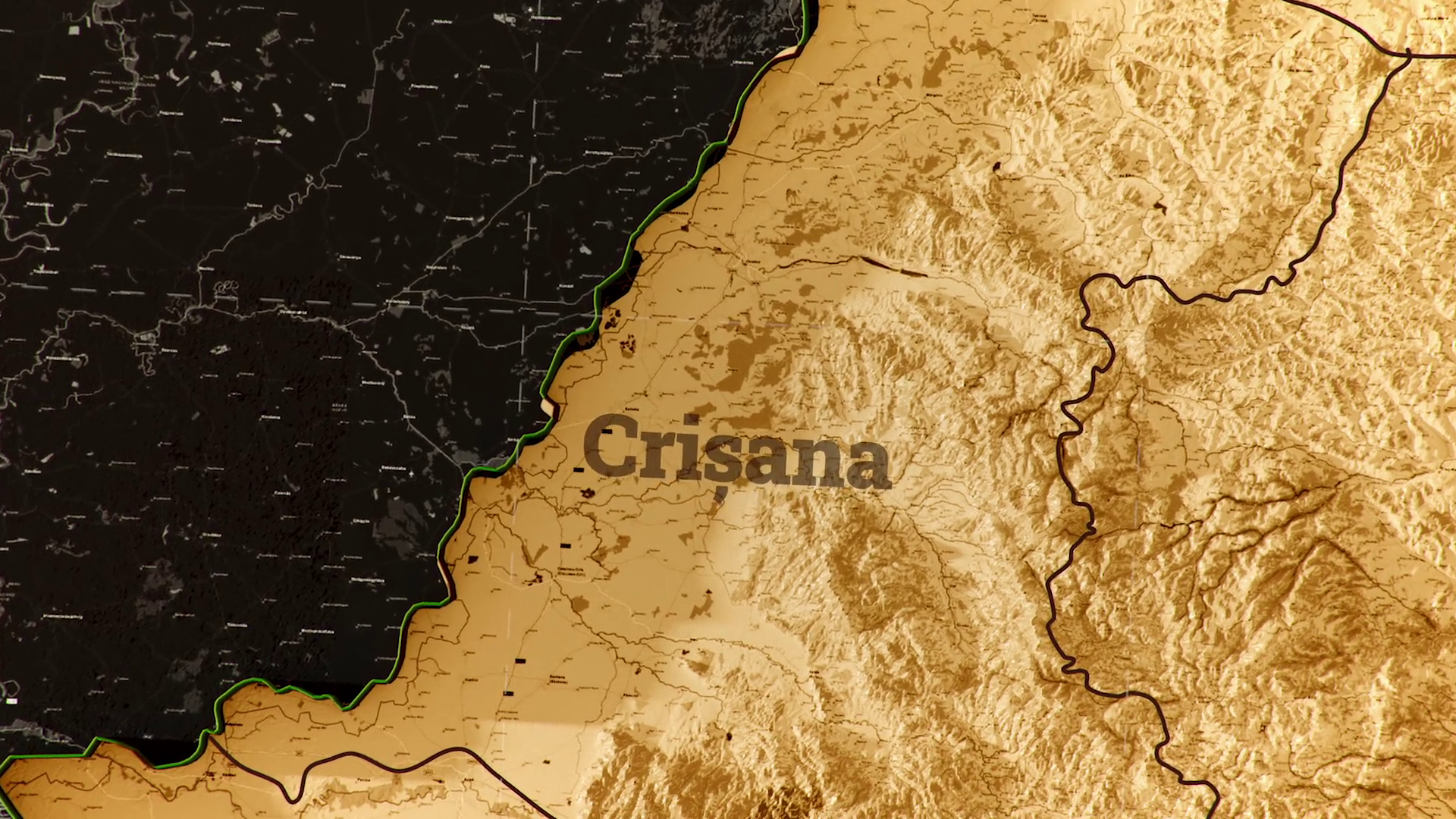
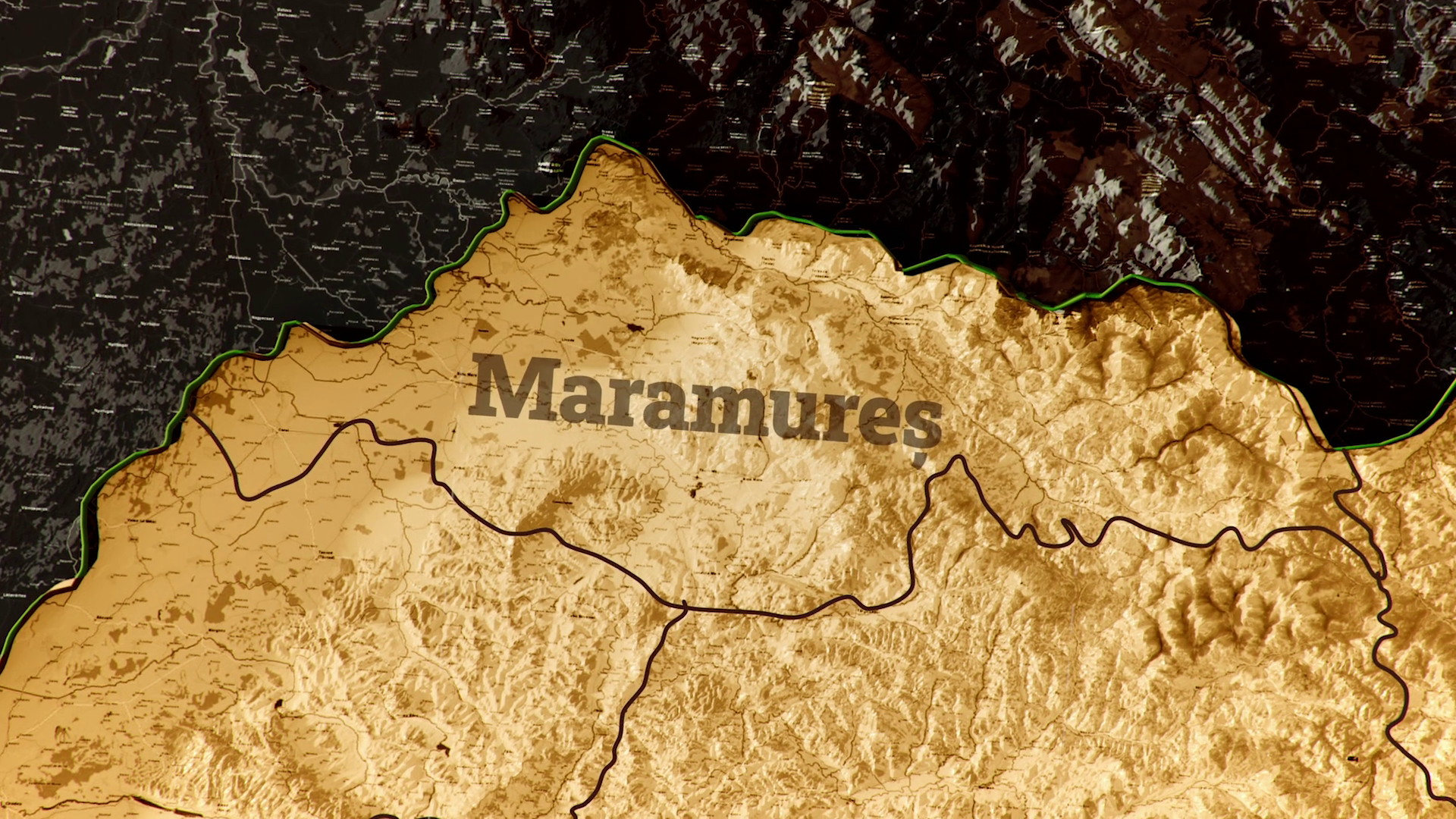
The Banat region borders on Serbia and Hungary, so its capital, Timisoara, is a very multi-cultural, cosmopolitan city, and provides the main social and economic hub for western Romania.
Hope you're finding these documentaries fascinating and eye-opening. It's just me, working hard behind the scenes to bring you this enriching content.
Running and maintaining a website like this takes time and resources. That's why I'm reaching out to you. If you appreciate what I do and would like to support my efforts, would you consider "buying me a coffee"?
BTC: bc1q8ldskxh4x9qnddhcrgcun8rtvddeldm2a07r2v
ETH: 0x5CCAAA1afc5c5D814129d99277dDb5A979672116
With your donation through , you can show your appreciation and help me keep this project going. Every contribution, no matter how small, makes a significant impact. It goes directly towards covering server costs.
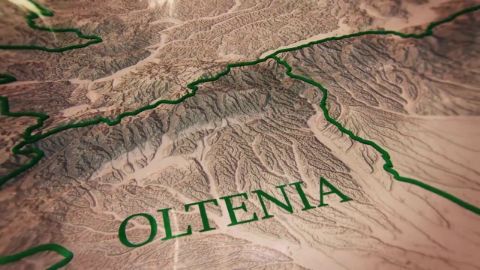
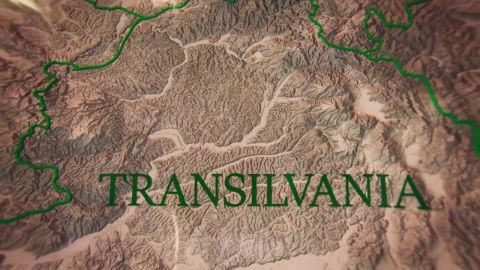
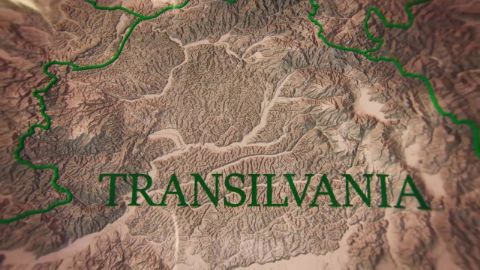
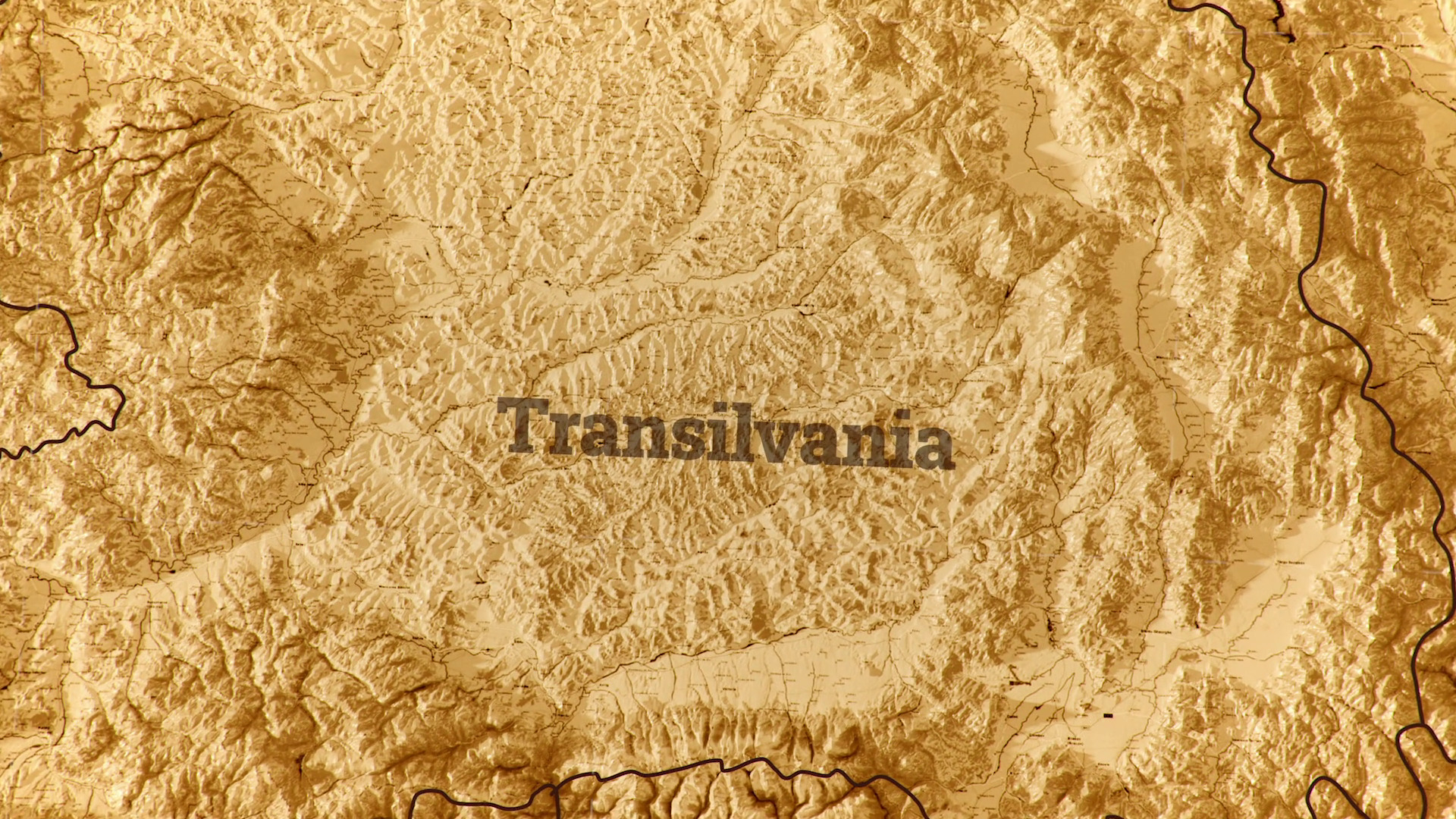
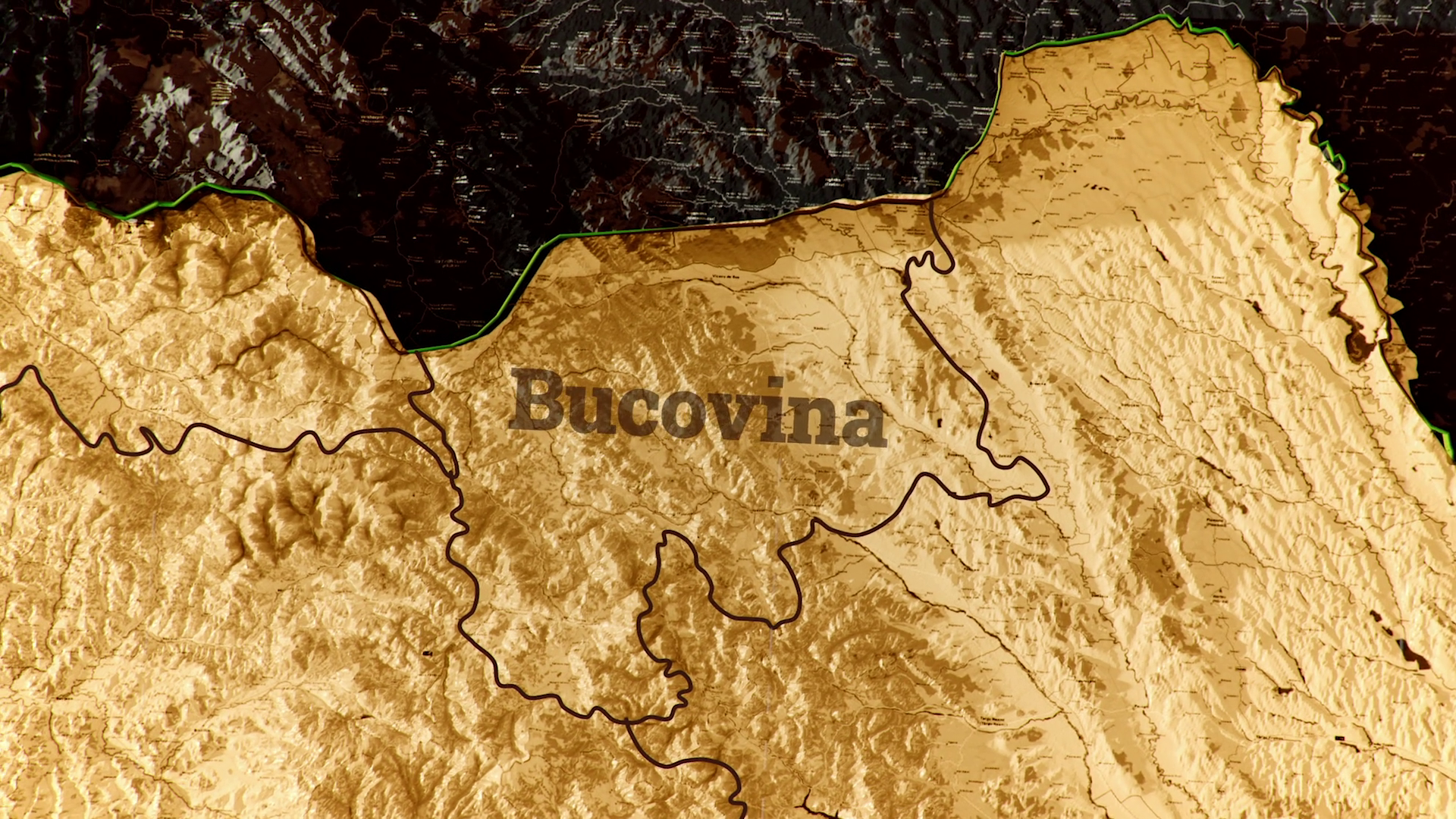
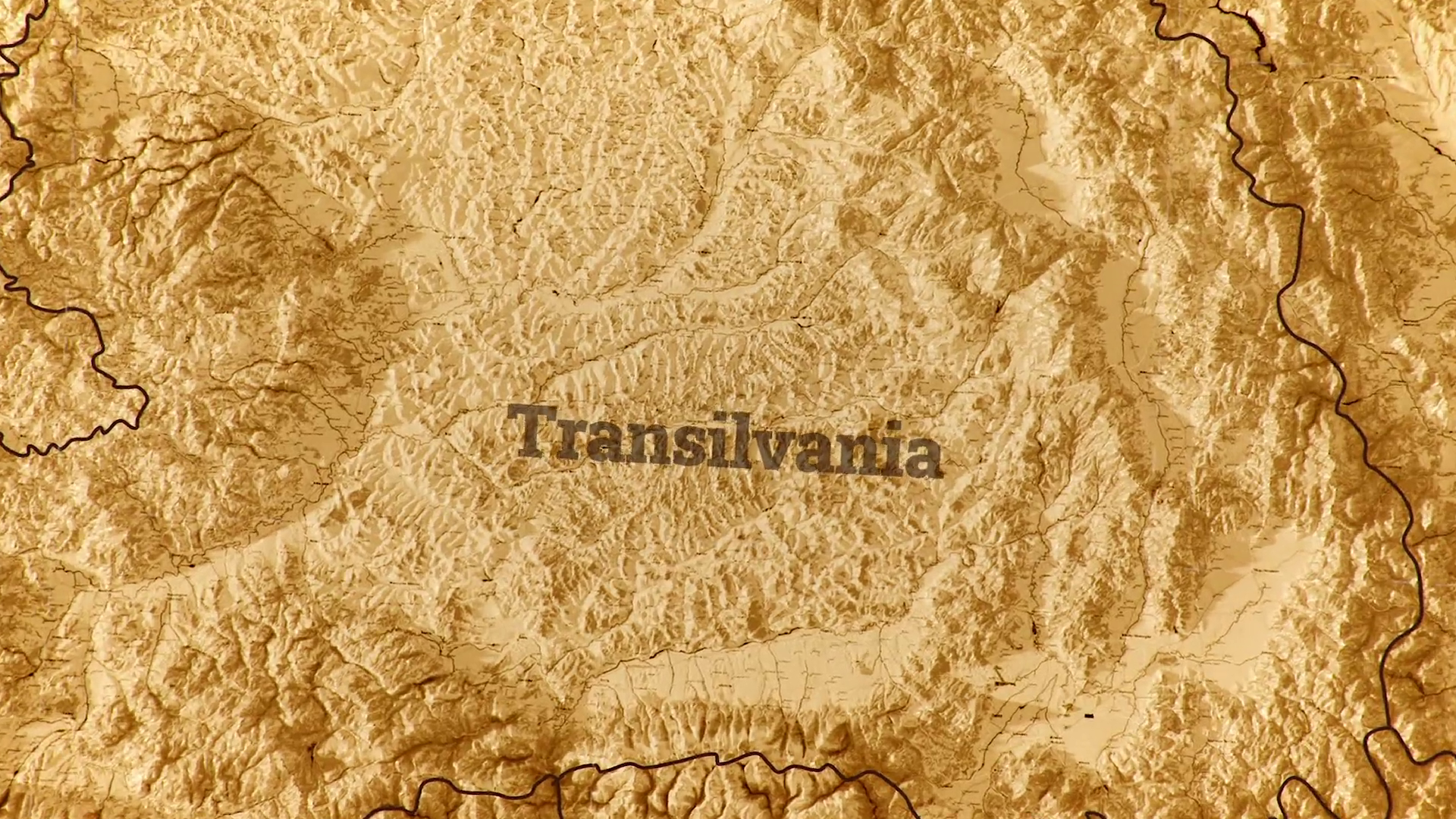
This week we are exploring Romania's largest and most iconic region,mistaken by many Americans and others as a country in its own right. In fact Transylvania is a name that most of the western world still associates with Dracula, werewolves and folk legend. But this land beyond the forest defies all preconceptions and remains one of the most culturally important and beautiful parts of Eastern Europe.
2018 • Travel
The second leg of the journey through Transilvania. We pick up our journey in the fields just outside the scenic village of Crit.
2018 • Travel
The Banat region borders on Serbia and Hungary, so its capital, Timisoara, is a very multi-cultural, cosmopolitan city, and provides the main social and economic hub for western Romania.
2018 • Travel
In Transylvania, Charlie's awed by a restored medieval clock tower, samples artisan cheese and donkey milk, and visits a theme park in a salt mine.
2023 • Travel
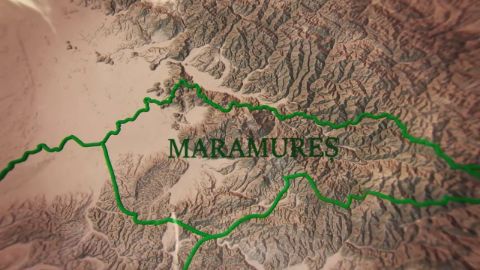
Charlie wraps up his explorations in western Transylvania, where he descends into an ancient Roman gold mine and drinks a locally made palinca.
2023 • Travel
The final leg of Ade's tour of Africa sees him travelling from the beaches of Mozambique, through South Africa, before ending his entire trip in Zimbabwe. He begins on the golden sand beaches of Mozambique's Bazaruto Archipelago, one of Africa's highlights. At Paradise Island, he finds an abandoned hotel, a visual reminder of Mozambique's recent history - this place was once a high-end tourist destination, but 25 years of colonial and then civil war put a stop to development. But the local wildlife has benefited from the fact that so few tourists now come here, and Ade is able to snorkel with one of the world's most elusive sea creatures - a dugong. Since the wars, Mozambique has struggled to develop, and Ade meets someone for whom life is especially hard – a wheelchair user like himself. In a country where disability is viewed with fear and superstition – and believed by many to be contagious – even catching a bus proves impossible for Castigo. The best thing in his life is exactly the same thing that turned Ade's life around - wheelchair basketball - and Ade can't help getting carried away in a game. Along the coast, at one of Mozambique's largest ports, Ade finds out that China is investing a huge amount in Mozambique – and elsewhere across Africa. The money often comes with strings attached, but a poor country like Mozambique needs financial help, which has to come from somewhere. Ade's next stop is South Africa. The country is famous for its wildlife but Ade hears how Chinese influence is having a dramatic impact here – the country's rhino population has been decimated by poachers, driven by a demand for rhino horn in Chinese medicine. Ade follows rangers with a surprising way of tackling the problem - by cutting off the rhino horn themselves, they hope to deter poachers. Ade travels to Johannesburg to see how the country is faring 25 years after apartheid ended. On a tour of the city, he is upset to discover that although the black population now have voting rights, they are living in an economic form of apartheid, with 25% unemployed and many squatting on whatever land they can find. In an emotional scene, Ade visits a squatted piece of land, moments after the police have destroyed people's houses, to hear claims that Mandela's legacy has been forgotten. Land reform is the big political issue here today, with many calling for a redistribution of land from rich white farmers to the black population. The final stop on Ade's African adventure is Zimbabwe – where land reform has already happened, with disastrous results. Ade finds a country still struggling economically. His first stop is the Kariba dam, and a hair-raising boat ride on the vast and stunning Lake Kariba. Ade finds that locals are worried about the stability of the Kariba dam and work has begun to stabilize undermined foundations. The worrying decay of this crucial dam is a sign of how much this country suffered under the rule of Robert Mugabe. As Ade has seen so often on his trip around Africa, Zimbabwe is a country that should be rich. It has huge quantities of gold – enough, in theory, for the entire population to be a millionaire. But there isn't the infrastructure of investment to get at it - in a country dogged by poverty and corruption. But the departure of dictator Robert Mugabe brought a new optimism, and Ade meets gold miners who are willing to risk daily exposure to toxic mercury for every scrap of gold they can get and an entrepreneur who believes the industry can be transformed. Despite the return of violence and repression in Zimbabwe, Ade ends his journey on a high, visiting a remote hut that has been turned into the set of a music video. He joins UK indie musician Shingai Shoniwa as she shoots the video for her forthcoming debut single, Coming Home, in a country that she believes is on the up, and deserves a fresh chance.
S1E4 • Africa with Ade Adepitan • 2019 • Travel
Levison travels through Armenia and Europe's forgotten war zone Nagorno-Karabakh, before heading into Iran towards Tehran, the Caspian Sea and the journey's end.
S1E4 • From Russia to Iran: Crossing the Wild Frontier with Levison Wood • 2017 • Travel
Spain is found at the crossroads between the Mediterranean and the Atlantic, resulting in diverse landscapes, ancient cultures and magnificent wildlife.
2020 • Travel
Norway’s fjords are a little-known wilderness. Billions of herring darken the waters and orcas feast on the banquet. Salmon leap up waterfalls and colourful sea slugs glow in the deep. Diving below the surface, award-winning filmmaker Jan Haft reveals the extraordinary diversity of life hidden within the deep waters. It’s an intimate portrait of a unique landscape - in the dark, icy grip of winter, under the magical glow of the northern lights, and during the long polar nights of the midnight sun.
2018 • Travel
The actress flies over Tokyo in a helicopter. The city was bombed extensively during the Second World War, so almost all of it is a symbol of the post-war economic boom that saw Japan become the world's second largest economy. While in the capital, Joanna heads out to a nightclub to see a Japanese girl band and witnesses the largely male audience perform almost as much as the artists on stage. Later, Joanna travels to the Kiso Valley to walk the Nakasendo Way, an ancient route that once linked Tokyo to Kyoto, a place best known for that most famous of Japanese traditions, the Geisha.
Part 2 • Joanna Lumley's Japan • 2016 • Travel
In his epic journey across Japan from north to south, James leaves bustling Tokyo to travel to the ancient capital of Kyoto. Along the way he indulges his passions for motorbikes, Japanese cars and culture by painting Mount Fuji, tackling the Suzuka F1 circuit and taking a music lesson from a Geisha. It’s then time for a taste of the future as a confused robot shows James around Kyoto.
S1E4 • James May: Our Man in Japan • 2019 • Travel