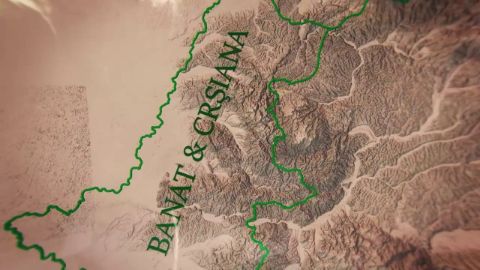
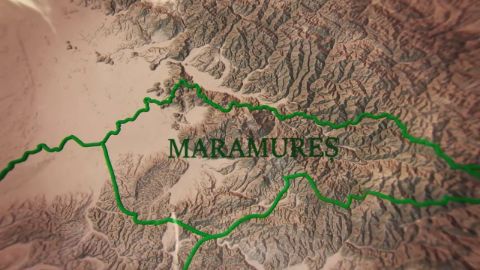
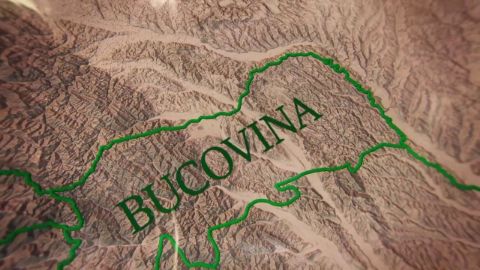
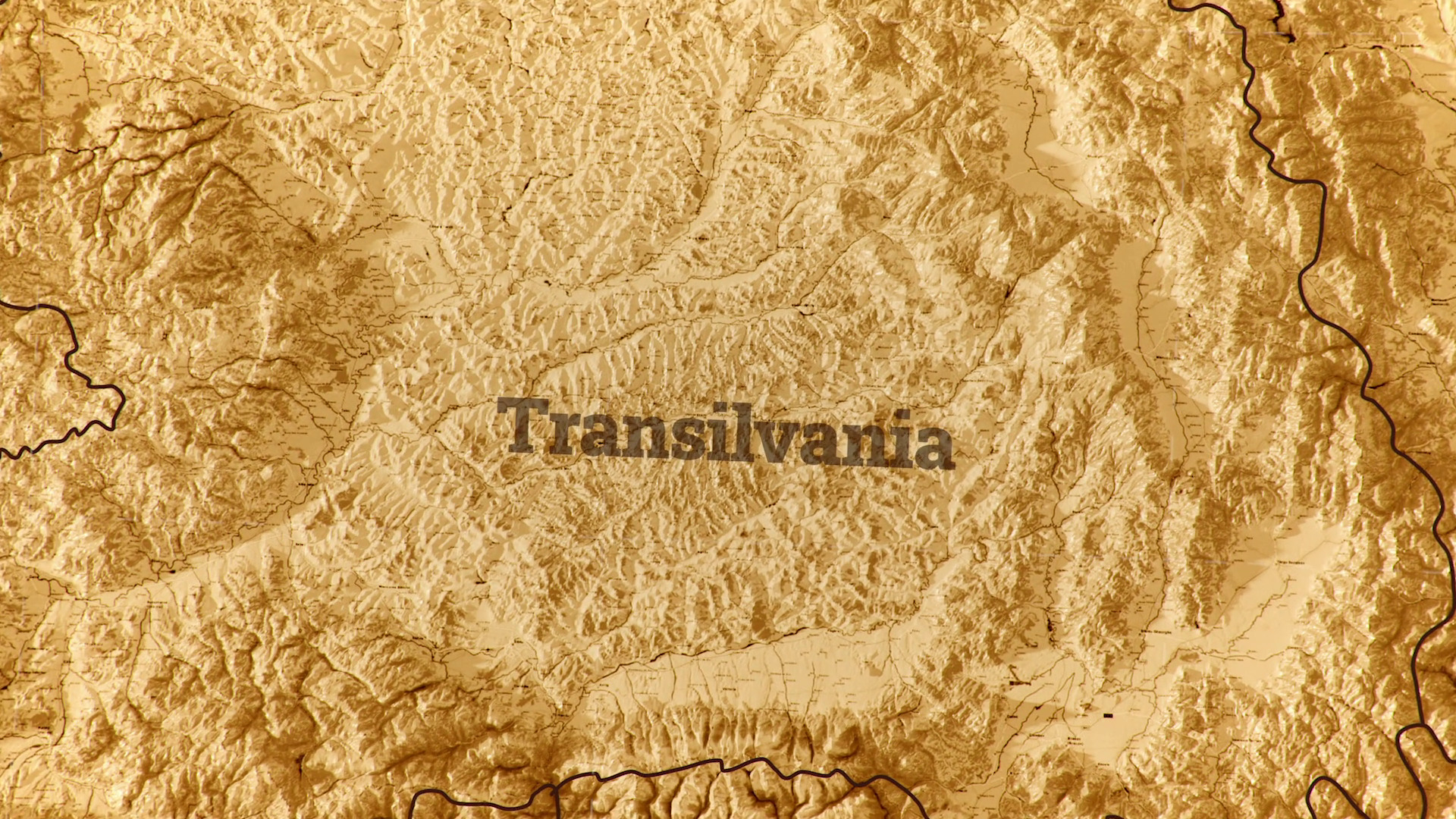
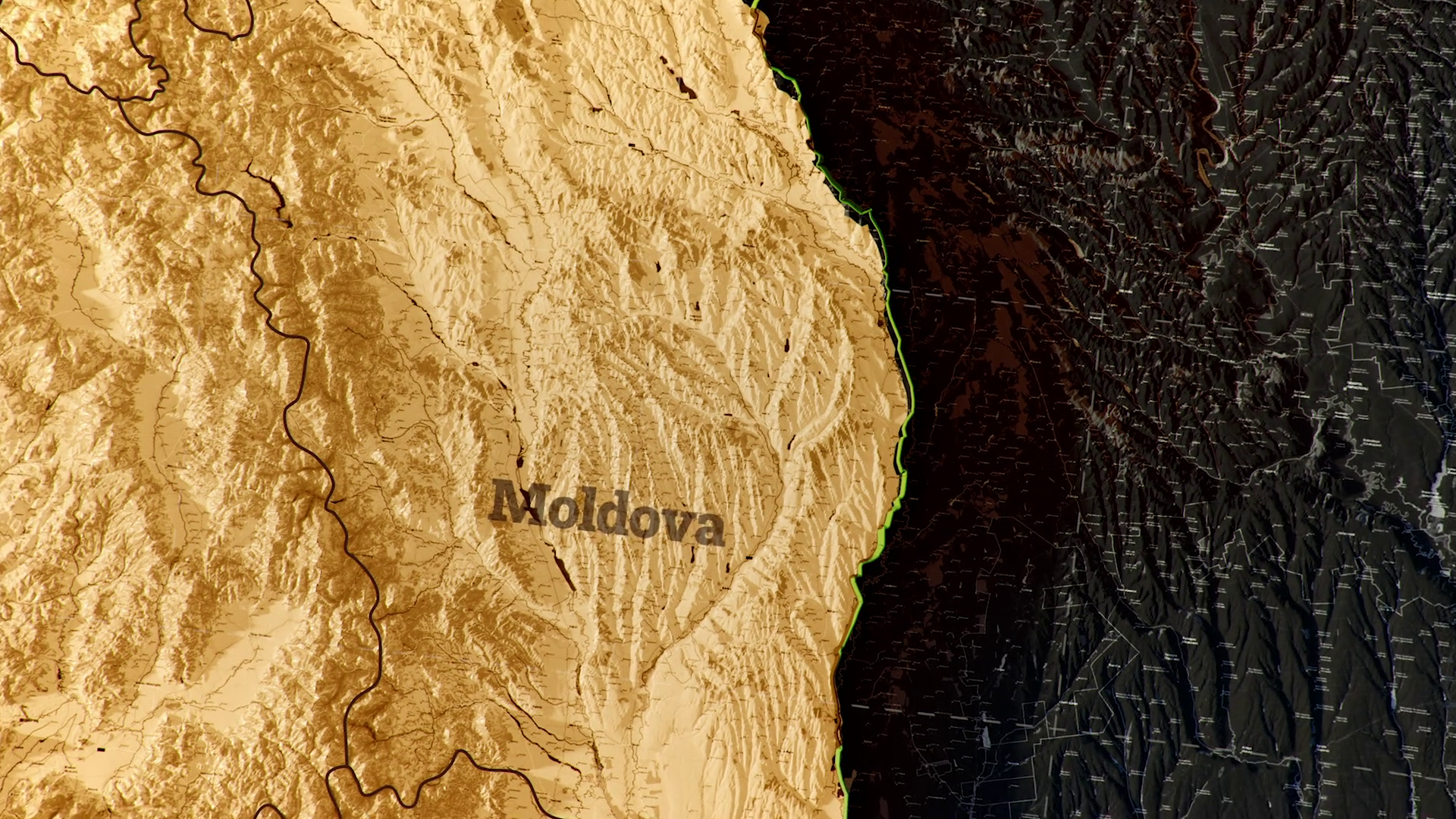
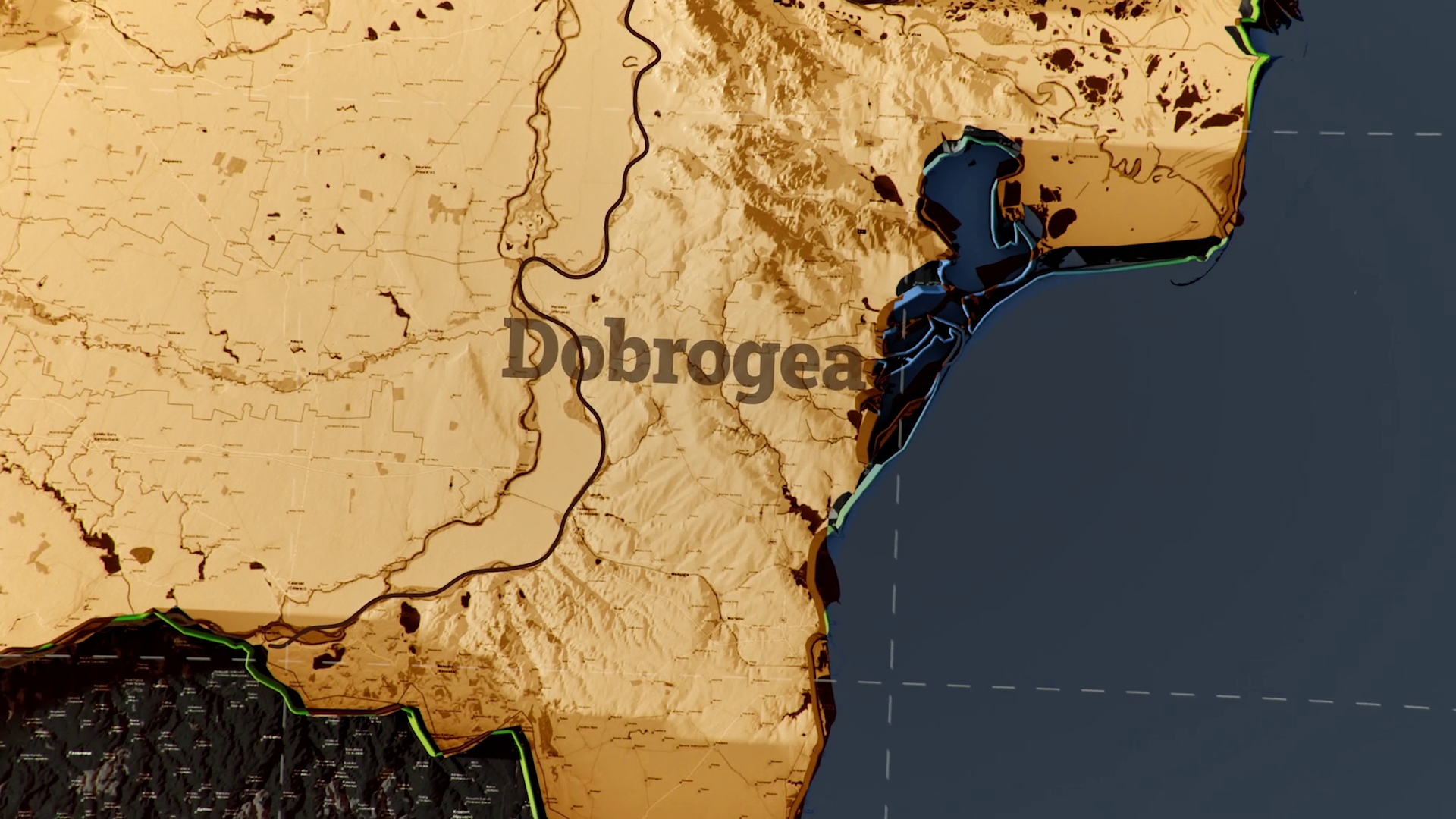
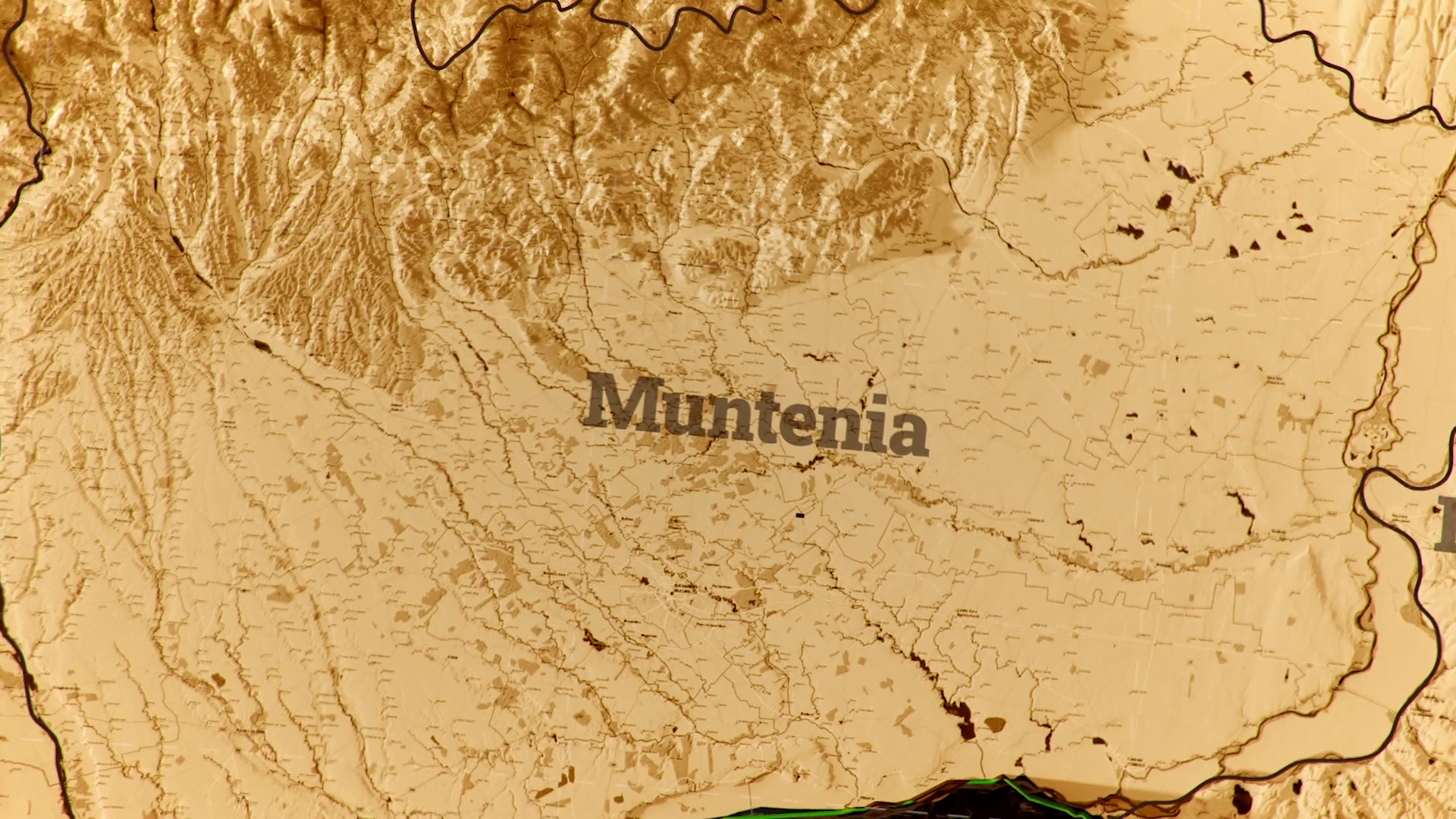
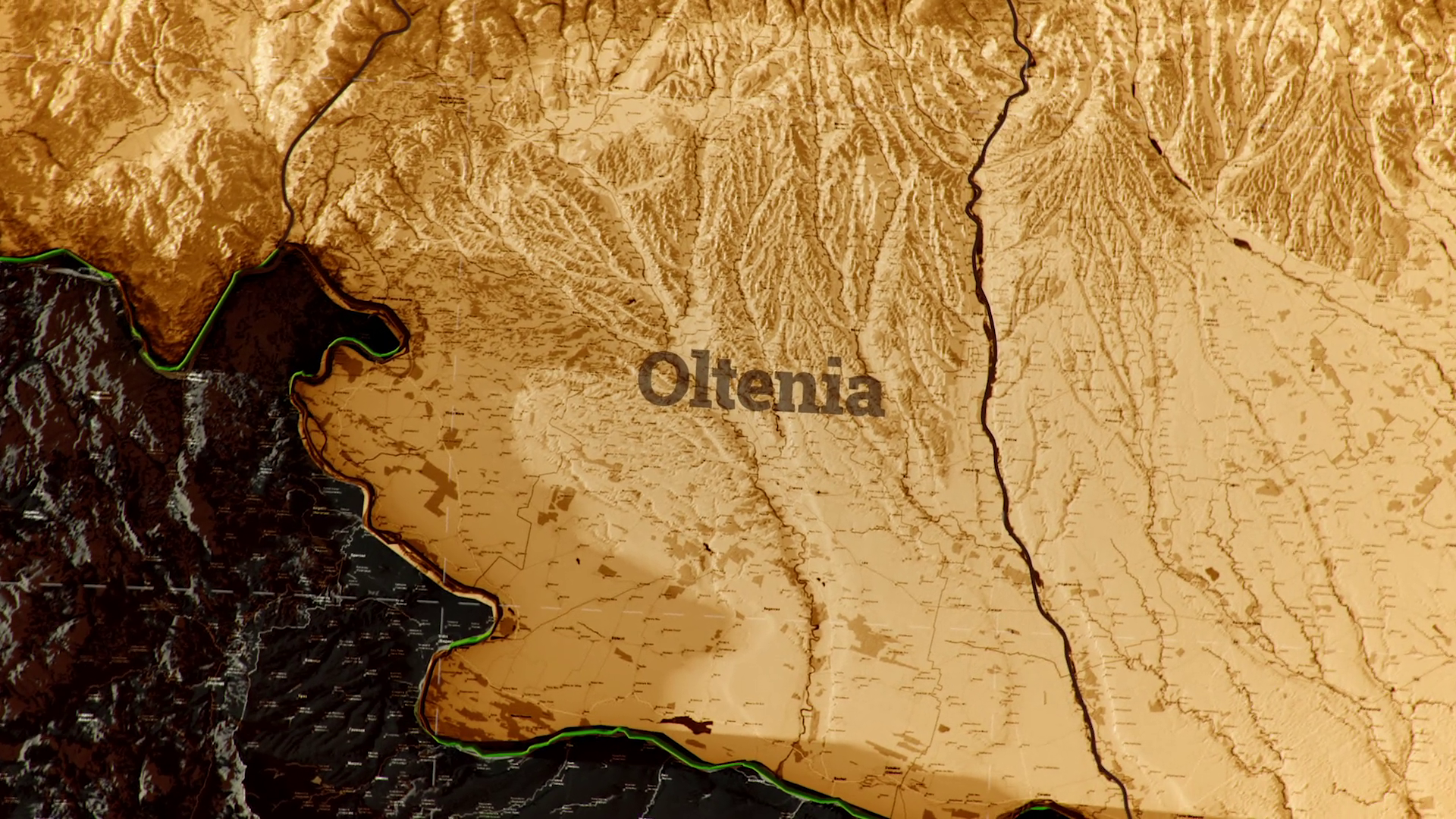
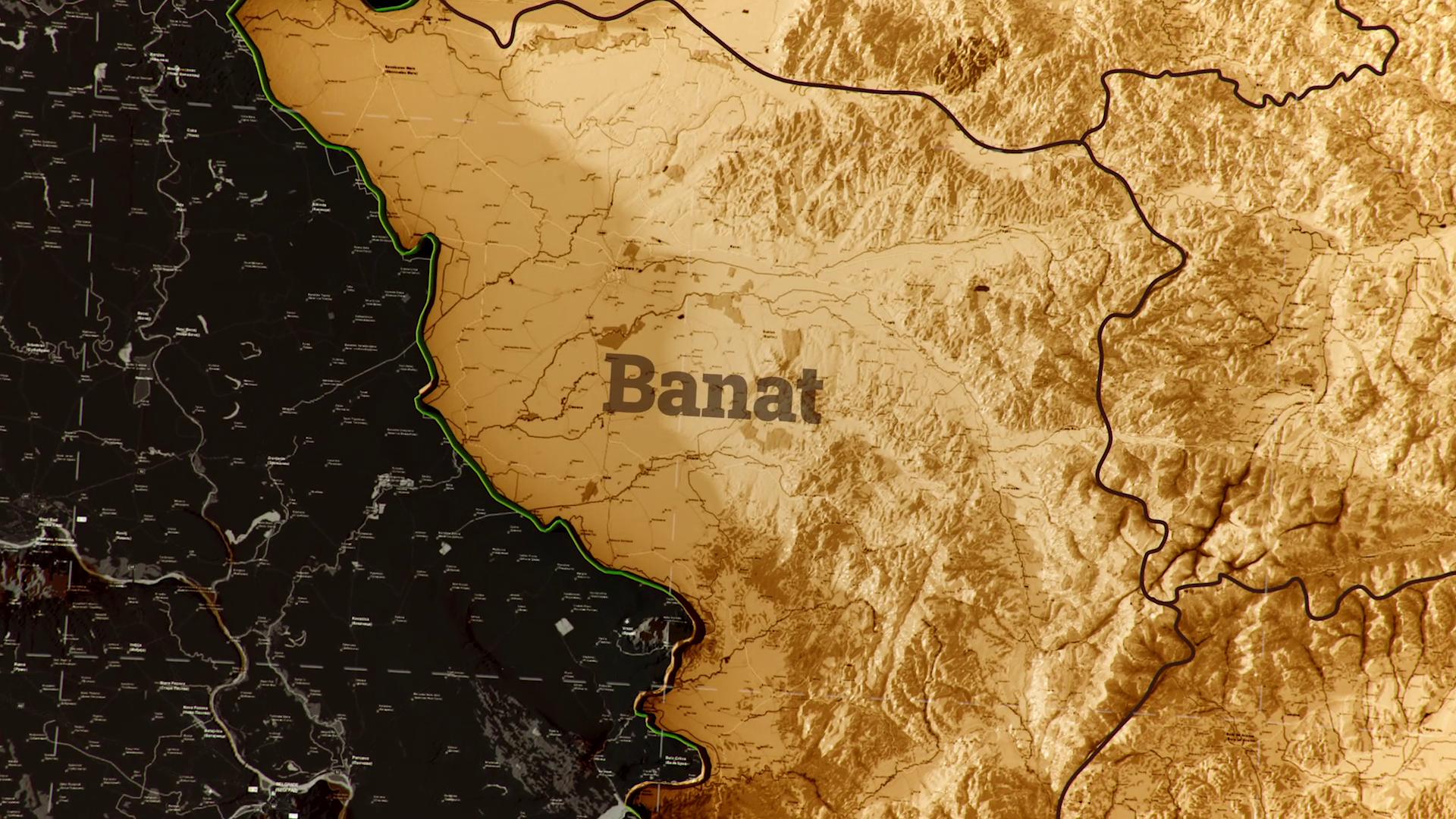
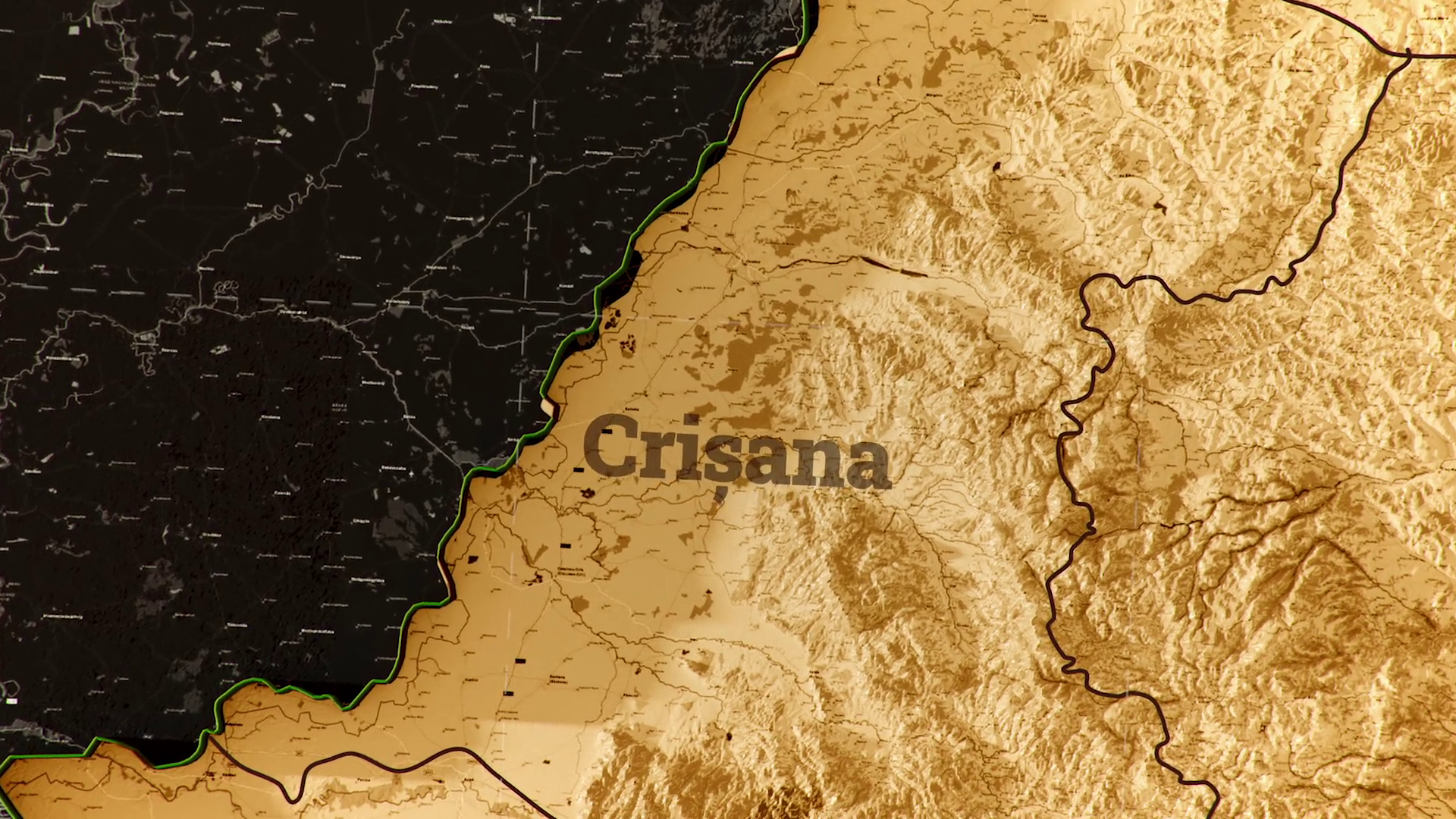
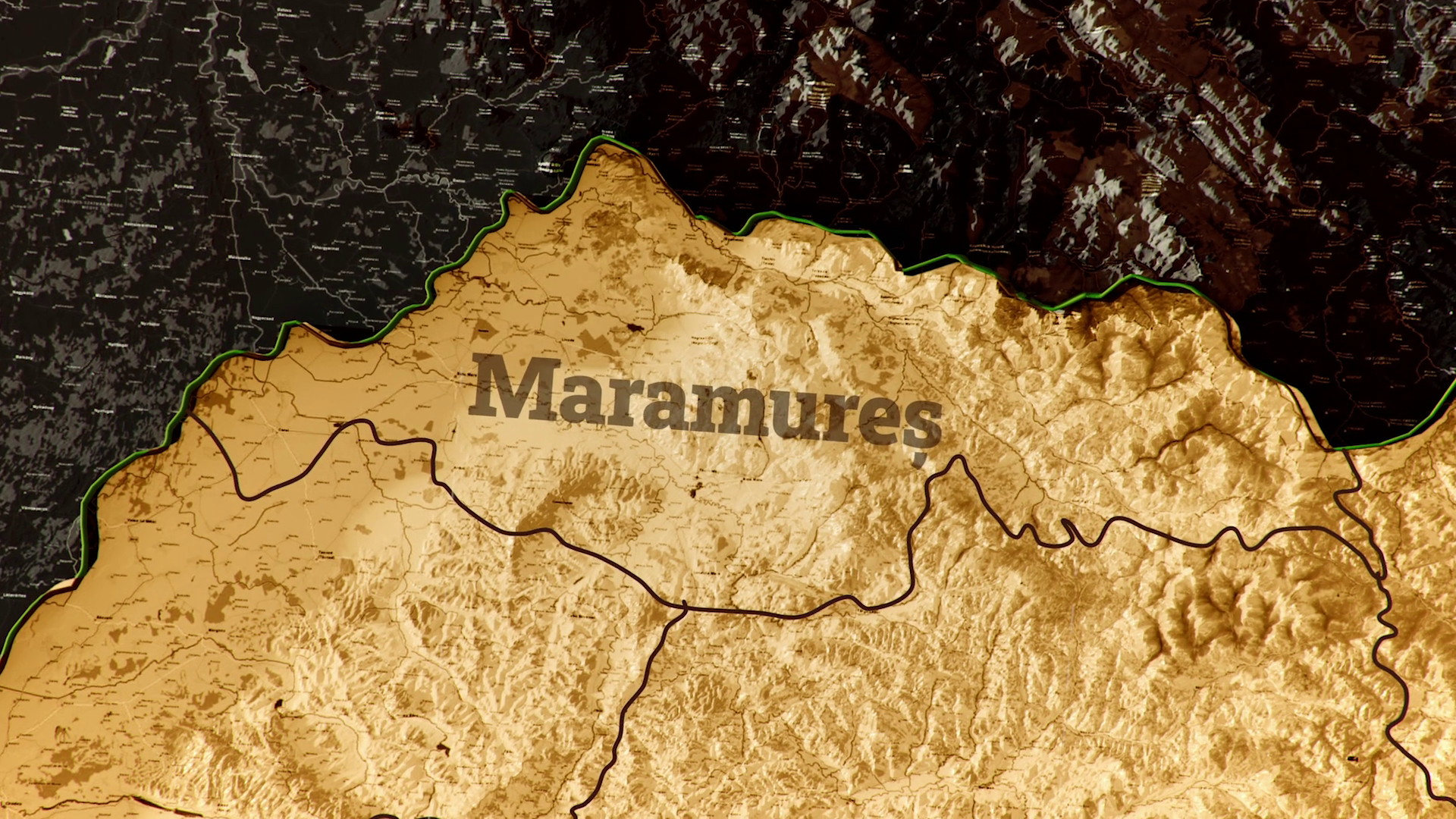
Charlie meets an architect trying to save the decaying spa at the Baile Herculane resort in Banat, then visits Timi?oara, Romania's "Little Vienna."
Hope you're finding these documentaries fascinating and eye-opening. It's just me, working hard behind the scenes to bring you this enriching content.
Running and maintaining a website like this takes time and resources. That's why I'm reaching out to you. If you appreciate what I do and would like to support my efforts, would you consider "buying me a coffee"?
BTC: bc1q8ldskxh4x9qnddhcrgcun8rtvddeldm2a07r2v
ETH: 0x5CCAAA1afc5c5D814129d99277dDb5A979672116
With your donation through , you can show your appreciation and help me keep this project going. Every contribution, no matter how small, makes a significant impact. It goes directly towards covering server costs.
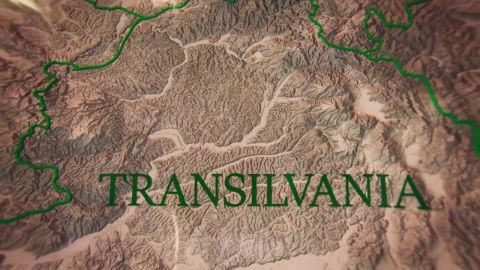
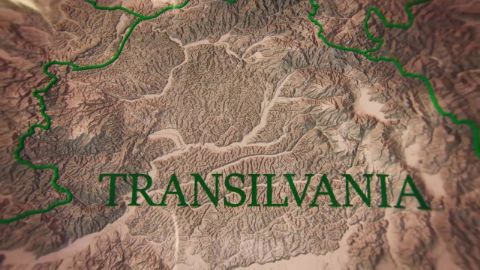
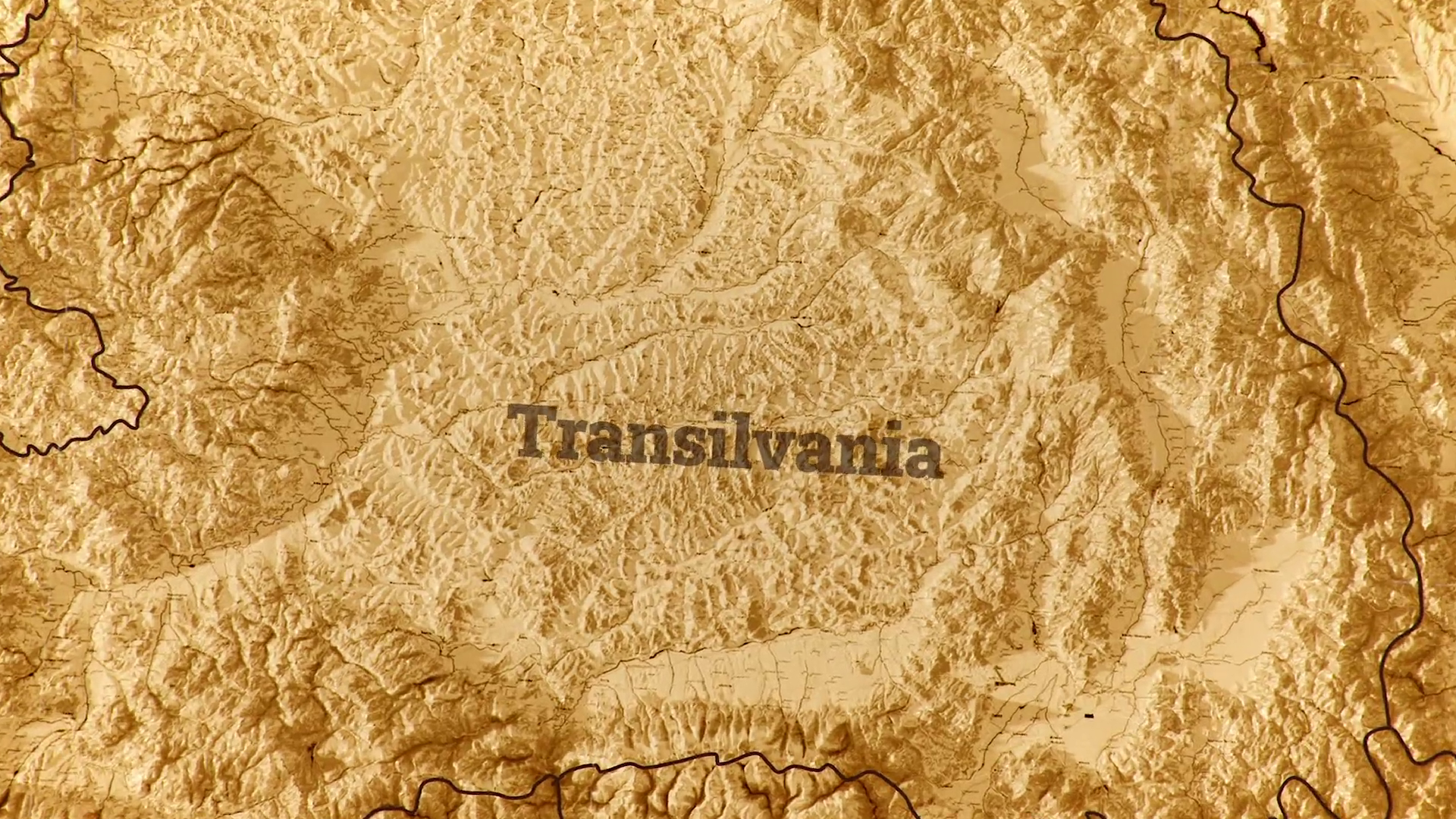
This week we are exploring Romania's largest and most iconic region,mistaken by many Americans and others as a country in its own right. In fact Transylvania is a name that most of the western world still associates with Dracula, werewolves and folk legend. But this land beyond the forest defies all preconceptions and remains one of the most culturally important and beautiful parts of Eastern Europe.
2018 • Travel
The second leg of the journey through Transilvania. We pick up our journey in the fields just outside the scenic village of Crit.
2018 • Travel
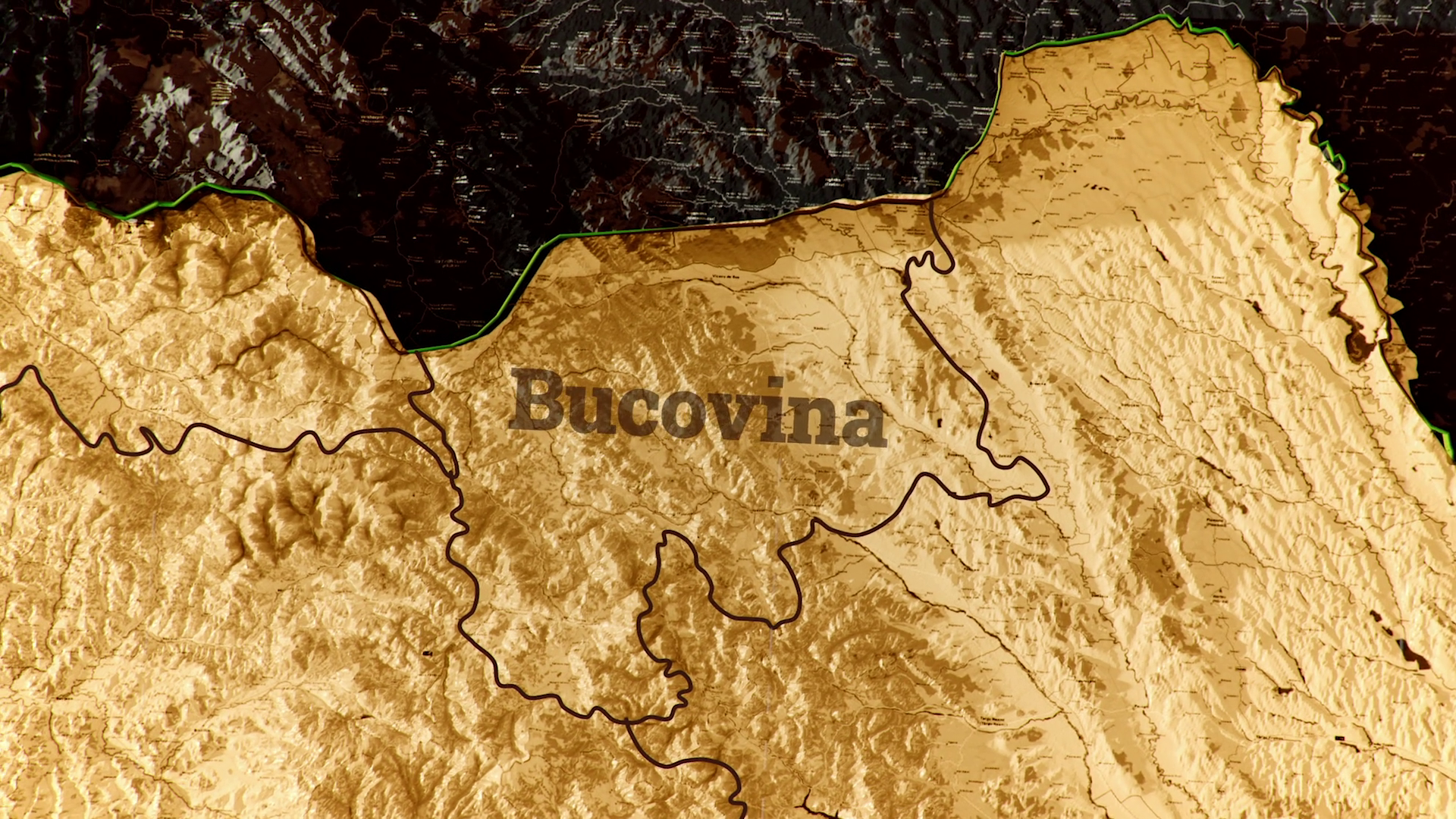
The Banat region borders on Serbia and Hungary, so its capital, Timisoara, is a very multi-cultural, cosmopolitan city, and provides the main social and economic hub for western Romania.
2018 • Travel
In Transylvania, Charlie's awed by a restored medieval clock tower, samples artisan cheese and donkey milk, and visits a theme park in a salt mine.
2023 • Travel
Charlie wraps up his explorations in western Transylvania, where he descends into an ancient Roman gold mine and drinks a locally made palinca.
2023 • Travel
The actress flies over Tokyo in a helicopter. The city was bombed extensively during the Second World War, so almost all of it is a symbol of the post-war economic boom that saw Japan become the world's second largest economy. While in the capital, Joanna heads out to a nightclub to see a Japanese girl band and witnesses the largely male audience perform almost as much as the artists on stage. Later, Joanna travels to the Kiso Valley to walk the Nakasendo Way, an ancient route that once linked Tokyo to Kyoto, a place best known for that most famous of Japanese traditions, the Geisha.
Part 2 • Joanna Lumley's Japan • 2016 • Travel
James May charts the journeys of explorers through experiments and messing about in boats. Chapter 1: Christopher Columbus The host profiles famous explorers, beginning with Christopher Columbus. He may be celebrated as a national hero for 'discovering' the USA - but he never set foot there. James starts by travelling to south-west Spain, from where these world-changing voyages began. May takes the helm of his own sailboat to test the cutting-edge sail technology that allowed ships to travel further than ever - and the rudimentary navigation techniques that Columbus had to rely on. Chapter 2: Sir Walter Raleigh James follows Walter Raleigh's rise from rural Devon to London high-society. He meets top barrister Benet Brandreth KC at The Honourable Society of the Middle Temple to learn the techniques of persuasion that allowed Raleigh to talk his way to the top. James also explores the darker and more complex corners of Raleigh's legacy. Chapter 3: Captain Cook Captain James Cook was the last explorer in the age of sail - and one of the busiest, charting one third of the globe. His voyages brought huge advancements in navigation, biology, and geography, and in Britain he is generally thought of as a hero - but in other parts of the world, that's not the story. James May examines how this studious and serious son of a farmer broke through the class ceiling to become the greatest naval captain of his age.
2025 • Travel
Setting out amongst the active, snow-capped volcanoes of Kamchatka, over 4,000 miles from Moscow, Simon explores one of the remotest regions of the country. The population of Russia's far east has fallen dramatically in recent years, but travelling by chopper and skidoo, Simon finds indigenous reindeer herders who are still eking out a fragile existence. In the port city of Vladivostok, Simon visits a newly built mega casino, designed to attract high rollers and tourists from neighbouring China. Deep in the forest, Simon meets the inspirational conservationist who has created a sanctuary for the country's most iconic predator, the giant Amur tiger. Simon ends his journey on the rim of a giant crater that has emerged in the Siberian landscape - chilling evidence of the impact of global climate change.
S1E1 • Russia with Simon Reeve • 2017 • Travel
Taking a ferry across the Strait of Gibraltar, Simon's first stop is Ceuta, a Spanish exclave surrounded by Morocco. This is one of the few land borders between Africa and the European Union. Simon joins the Spanish border police who check engines and even dashboards for stowaways trying to reach Europe. Migrant and refugees attempting to cross Ceuta's fortress border have quadrupled in the last year. Undaunted by Morocco's failure to issue a filming permit, Simon crosses the border as a tourist, tracking down a group of young migrants hiding out in a forest close to Ceuta. They have travelled thousands of miles, crossing the Sahara to get this far, and now they are just a 20-foot, razor wire fence away from their European dream. Crossing the Med to Spain, one the busiest shipping lanes in the world, Simon discovers huge numbers of dolphins and even giant whales surviving by dodging the ferries, container ships and oil tankers. Travelling along the arid southern Spanish coast, Simon takes to air to witness the sea of plastic that form over a hundred square miles of greenhouses. It is where much of our supermarket fruit and veg are grown, but as Simon discovers it is a massive industry built on the back of a low paid, migrant workforce. Following in the footsteps of four million Brits who make the journey every year, Simon travels to the Costa Blanca and its most famous resort, Benidorm. Derided by many, Simon is surprised to learn that high-rise Benidorm is now being hailed by experts as a model of sustainable tourism. The Mediterranean region attracts a third of world tourism and visitor numbers are predicted to rise to half a billion a year by the end of the next decade. Simon travels to a western corner of Corsica, a nature reserve that must be one of the most heavily protected bits of sea on earth, and one of the few places where tourists are actively discouraged from visiting. Lying on the beach, hiking in the mountains and watersport activities are all banned. The park's manager shows Simon the results, taking him for a dive in the fishiest place in the Med. In a sea where over ninety percent of fish stocks are over exploited, it is a beacon of hope in what is otherwise an uncertain future for the Mediterranean.
S1E4 • Mediterranean with Simon Reeve • 2018 • Travel
Simon travels from Texas to southern Mexico, meeting a woman who risks her life to take supplies to migrants stranded on the Mexican side of the border in Reynosa, one of the country's most violent cities, which is dominated by a powerful criminal organisation. He also ventures into the rainforest to explore the Maya city of Yaxchilan, and meets the modern-day descendants of this civilisation, who are increasingly marginalised and treated as second-class citizens.
S1E4 • The Americas with Simon Reeve • 2019 • Travel
his leg takes Ade to the east of the continent, from Tanzania, through Ethiopia and on to war-torn Somalia. Ade begins in Tanzania, in Selous Game Reserve – a game park the size of Switzerland. He is on the lookout for elephants. But the numbers in this park have fallen by 90 per cent over the last few decades. As well as poaching, one of the big problems is that elephants trample and eat crops – so the locals don't like them. But a new collaring programme is helping numbers to recover. Ade's next stop is Ethiopia's far north. He travels to the hottest place on the planet where he spends a night with some of the toughest people on earth - the Afar. He joins them doing what their ancestors have done for centuries – hacking blocks of salt from a dried-up salt lake and loading them onto camels. But change is finally coming to this place – thanks to another of its resources, the fertilizer potash. It is a sign of Ethiopia's development, which Ade sees more of in the capital, Addis Ababa. Having grown up with images of starving children in the famine-plagued 80s, Addis is nothing like Ade expected. The city is booming. And it is driving Ethiopia's economy - now one of the fastest-growing in the world. Ade gets a guided tour from perhaps the world's greatest-ever long distance runner, Haile Gebrselassie. Haile is now a businessman, with investments in coffee and construction. The real fuel in Ethiopia's boom is manufacturing. Asia is still the workshop of the world, but with wages there on the rise, Chinese companies are increasingly looking to countries like Ethiopia to set up factories – as Ade discovers on a visit to a shoe factory. Leaving Addis, Ade travels on Ethiopia's new high-speed Chinese built train, which whisks him all the way to neighbouring Djibouti, a vital port for Ethiopia's export-led economy. The final stop on this leg of Ade's trip is war-torn Somalia. He joins the African Union troops on a mission out of Mogadishu and discovers a country in ruins, thanks to decades of conflict with Islamist group al-Shabab. Even in areas ruled by the government conservative Islam dominates and women face restriction on their freedom. Back in Mogadishu, Ade shoots some hoops with a group of women defying the odds by playing basketball. His final encounter is with a female doctor who worked for the NHS for 30 years, and has now returned to Somalia to rebuild her country. She is prepared to give her life, if necessary, in her efforts to provide quality maternity care for new mothers.
S1E3 • Africa with Ade Adepitan • 2019 • Travel