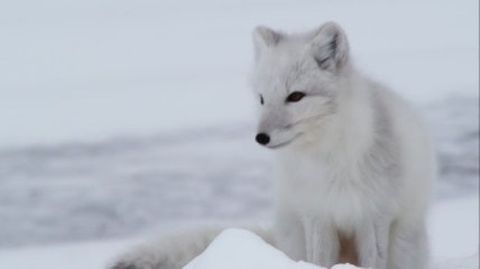
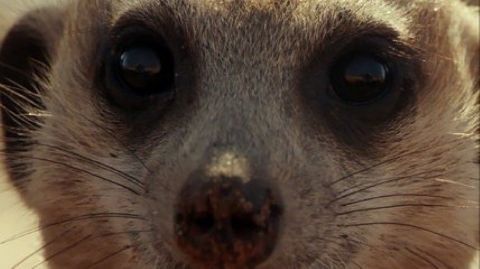
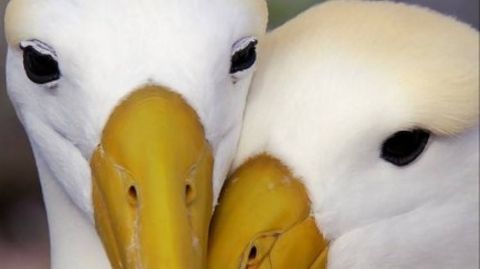
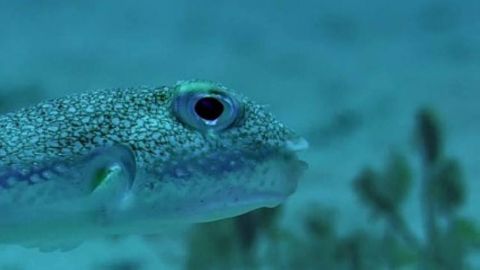
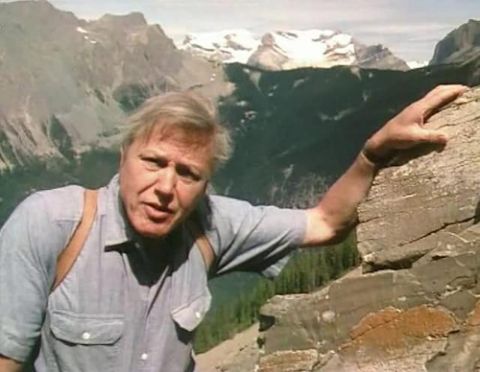
David Attenborough explores the courtship displays of flame bowerbirds and pufferfish.
Hope you're finding these documentaries fascinating and eye-opening. It's just me, working hard behind the scenes to bring you this enriching content.
Running and maintaining a website like this takes time and resources. That's why I'm reaching out to you. If you appreciate what I do and would like to support my efforts, would you consider "buying me a coffee"?
BTC: bc1q8ldskxh4x9qnddhcrgcun8rtvddeldm2a07r2v
ETH: 0x5CCAAA1afc5c5D814129d99277dDb5A979672116
With your donation through , you can show your appreciation and help me keep this project going. Every contribution, no matter how small, makes a significant impact. It goes directly towards covering server costs.
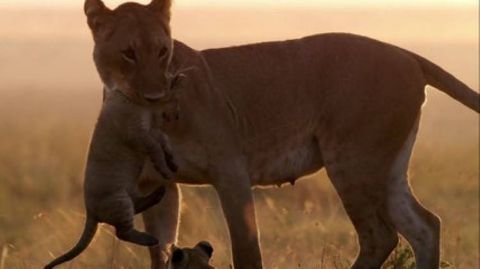
Fur seals and flightless barnacle goose chicks fight to survive the challenges of infancy.
2014 • Nature
The moment when all animals must strike out on their own in search of independence.
2014 • Nature
In this highlights programme compiled from the recent Life Story series, David Attenborough brings us the universal story that unites each of us with every animal on the planet, the story of the greatest of all adventures - the journey through life. For each stage of life we see the most spectacular, beautiful or dramatic stories from the Life Story series.
2014 • Nature
In the final challenge of the game of life, raising offspring is the ultimate prize. Continuing the line through the next generation, is the next best thing to immortality. But itβs far from easy... Some parents must risk their own lives for their offspring.
2014 • Nature
This episode reveals how mammals developed from tiny nocturnal forest dwellers to the dominant form of life on the planet following the death of the dinosaurs. David explains how the meteoric rise of mammals led to an astounding diversity of life and laid the foundations for the ascent of man.
Part 2 • Rise of Animals: Triumph of the Vertebrates • 2013 • Nature
This opening episode reveals the extraordinary strategies used by both predators and prey.
Exploring an unknown world 10,000 m beneath the waves. After capturing a giant squid on film, NHK's deep-sea film crew explores our planet's deepest point The Mariana Trench is nearly 7 miles deep. The water pressure is immense, and it's a world that's long been out of our reach. What creatures could survive such hostile conditions? This is an expedition to explore the earth's deepest frontier. Narrated By David Attenborough.
Part 3 • Deep Ocean • 2018 • Nature
If you have ever wondered what would happen in your own home if you were taken away and everything inside was left to rot, the answer is revealed in this programme which explores the strange and surprising science of decay. For two months, a glass box containing a typical kitchen and garden was left to rot in full public view within Edinburgh Zoo. In this resulting documentary, Dr George McGavin and his team use time-lapse cameras and specialist photography to capture the extraordinary way in which moulds, microbes and insects are able to break down our everyday things and allow new life to emerge from old. Decay is something that many of us are repulsed by, but as the programme shows, it's a process that's vital in nature. And seen in close up, it has an unexpected and sometimes mesmerising beauty.
2011 • Nature
Attenborough describes the course the Amazon, starting high up in the Andes of Peru, whose streams flow into the great river. Young rivers are by nature vigorous and dangerous: they flow fast and form rapids, thick with mud and sediment.
8/12 • The Living Planet • 1984 • Nature
The American Dipper can plunge its head into freezing Arctic water up to 60 times a minute. In the summer, ferocious mosquitoes can draw up to a pint of blood a day from caribou. Take a fascinating look into the Arctic seasons and the impact that rising sea levels have on local wildlife, and, ultimately, our own world.
S1E1 • Arctic Secrets • 2015 • Nature