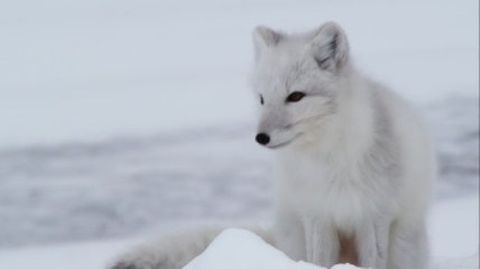
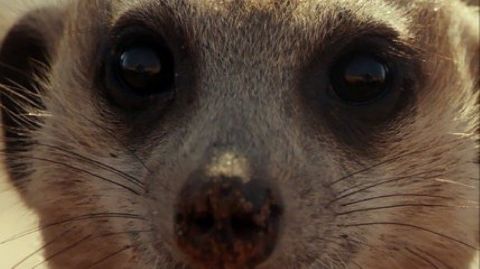
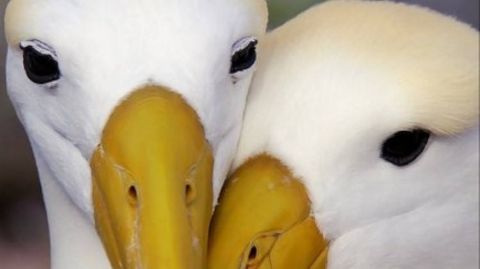
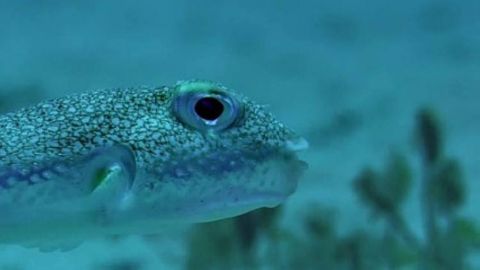
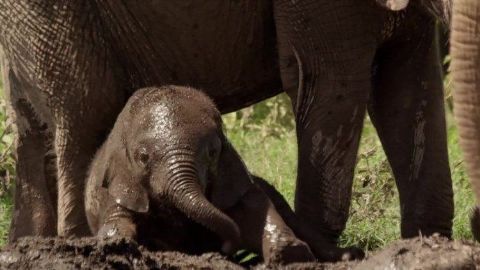
In this highlights programme compiled from the recent Life Story series, David Attenborough brings us the universal story that unites each of us with every animal on the planet, the story of the greatest of all adventures - the journey through life. For each stage of life we see the most spectacular, beautiful or dramatic stories from the Life Story series.
Hope you're finding these documentaries fascinating and eye-opening. It's just me, working hard behind the scenes to bring you this enriching content.
Running and maintaining a website like this takes time and resources. That's why I'm reaching out to you. If you appreciate what I do and would like to support my efforts, would you consider "buying me a coffee"?
BTC: bc1q8ldskxh4x9qnddhcrgcun8rtvddeldm2a07r2v
ETH: 0x5CCAAA1afc5c5D814129d99277dDb5A979672116
With your donation through , you can show your appreciation and help me keep this project going. Every contribution, no matter how small, makes a significant impact. It goes directly towards covering server costs.
Fur seals and flightless barnacle goose chicks fight to survive the challenges of infancy.
2014 • Nature
The moment when all animals must strike out on their own in search of independence.
2014 • Nature
In this highlights programme compiled from the recent Life Story series, David Attenborough brings us the universal story that unites each of us with every animal on the planet, the story of the greatest of all adventures - the journey through life. For each stage of life we see the most spectacular, beautiful or dramatic stories from the Life Story series.
2014 • Nature
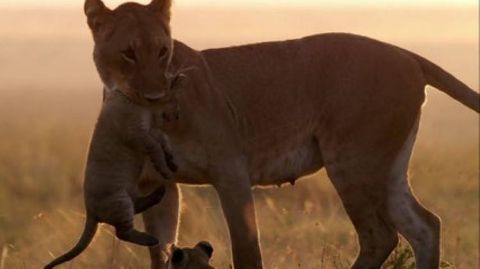
In the final challenge of the game of life, raising offspring is the ultimate prize. Continuing the line through the next generation, is the next best thing to immortality. But it’s far from easy... Some parents must risk their own lives for their offspring.
2014 • Nature
Shortly after humans appear, they become the dominant species on Earth, but face threats from both above and below—including super volcanic eruptions and falling asteroids. Today, scientists around the world use the latest technology to mitigate future catastrophes.
S1E5 • Fateful Planet • 2024 • Nature
David Attenborough takes a breathtaking journey through the vast and diverse continent of Africa as it has never been seen before. (Part 3: Congo) The very heart of Africa is covered in dense tropical rainforest. The animals that live here find the most ingenious ways to carve out their space in a claustrophobic landscape. Danger lurks in every shadow, but some animals thrive here, from honey-stealing chimps to birds with a lineage as old as the dinosaurs, thundering elephants and kick-boxing frogs. Here in the Congo, no matter how tough the competition, you must stand up and fight for yourself and your patch.
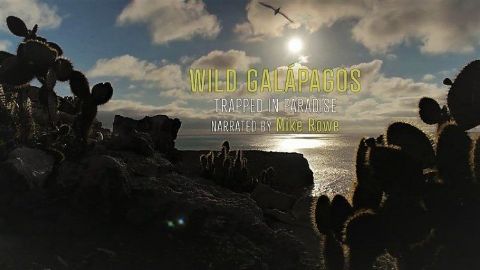
The Galapagos Islands are home to some animals that washed up on the islands millions of years ago and have made adaptations. Penguins, iguanas, tortoises and cormorants have changed so they can survive the harsh climate. But possibly the oddest adaptation is that of the Vampire finch.
S1E2 • Wild Galapagos • 2017 • Nature
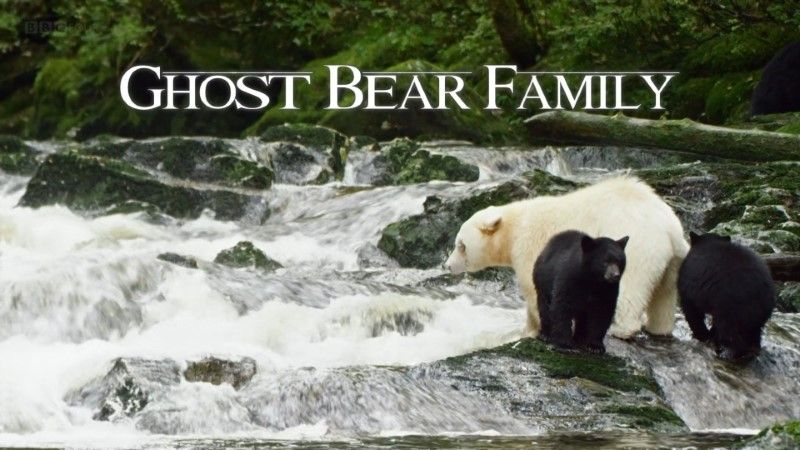
In the vast Canadian wilderness, there lives a very special bear family. Just out of hibernation, two black cubs have a pure white mother. She's not a polar bear or albino - locally she's known as a ghost bear. This far north, winter is never far away, and this unusual family must work hard to find enough food to see them through. They will also need to avoid other large predators, but being so different could bring them unwelcome attention.
2015 • Nature
After the murder of one of its own, the Makulu Pack of wild dogs looks to a new leader for salvation; the Western Pride is exiled to the fringes of the kingdom as it fights to protect its cubs; the marauding hyena clan commits the cruelest of acts.
S3E3 • Savage Kingdom • 2019 • Nature
The penultimate instalment investigates the primates, whose defining characteristics are forward-facing eyes for judging distance, and gripping hands with which to grasp branches, manipulate food and groom one another. The programme begins in Madagascar, home to the lemurs, of which there are some 20 different types. Two examples are the sifaka, which is a specialised jumper, and the indri, which has a well-developed voice. Away from Madagascar, the only lemur relatives to have survived are nocturnal, such as the bushbaby, the potto and the loris. The others were supplanted by the monkeys and a primitive species that still exists is the smallest, the marmoset. However, Attenborough selects the squirrel monkey as being typical of the group. Howler monkeys demonstrate why they are so named their chorus is said to the loudest of any mammal and their prehensile tails illustrate their agility.
12/13 • Life on Earth • 1979 • Nature