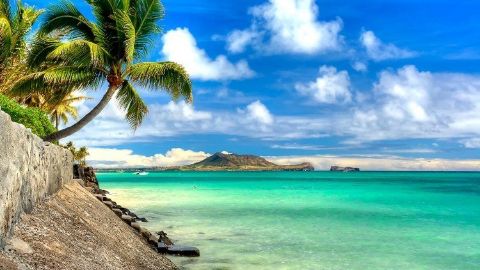
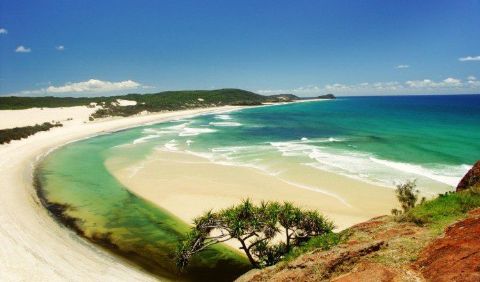
Explore the nature of Fraser Island's Beaches
Hope you're finding these documentaries fascinating and eye-opening. It's just me, working hard behind the scenes to bring you this enriching content.
Running and maintaining a website like this takes time and resources. That's why I'm reaching out to you. If you appreciate what I do and would like to support my efforts, would you consider "buying me a coffee"?
BTC: bc1q8ldskxh4x9qnddhcrgcun8rtvddeldm2a07r2v
ETH: 0x5CCAAA1afc5c5D814129d99277dDb5A979672116
With your donation through , you can show your appreciation and help me keep this project going. Every contribution, no matter how small, makes a significant impact. It goes directly towards covering server costs.
To fly like a bird, Earthflight not only captured remarkable images of wild flocks but also relied on some extraordinary relationships between people and birds. Filmed over four years, in six continents and more than 40 countries, the Earthflight team used many extraordinary techniques. For some of the unique flying shots, members of the team became part of the flock. The birds followed wherever they went - even in a microlight over Edinburgh and London. In Africa, paragliders floated alongside wild vultures, while a model vulture carried a camera inside the flock. In South America, wild-living macaws, that were rescued as babies, still come back to visit their 'foster mother' as he travels along a jungle river. In Africa, a radio-controlled 'drone' silently infiltrates masses of pink flamingos without disturbing a feather, and microlights and helicopters capture the dramatic moment white storks arrive over Istanbul. In Africa a tame vulture carried a camera across the African bush and recreated the behaviour of his wild relatives. Similarly, in the USA, a flock of hand-reared snow geese followed the migration route of wild flocks and took in the sights and sounds of New York - managing to get lost in Brooklyn
S1E6 • Earthflight • 2012 • Nature
Meet Hope, an orphaned baby moose being raised by a goat. Nearby, watch three unruly baby raccoons cause havoc between meal times. These are some of the adorable inhabitants of Park Omega, Quebec--a place where threatened animals get a second chance.
S1E7 • Baby Animals • 2016 • Nature
This episode examines how people can work with nature to make this world thrive.
S1E4 • The Future of Nature • 2025 • Nature
The tropical climate and varied topography of Costa Rica have fostered exceptional biodiversity, with wildlife from both North and South America. From the peaks of volcanoes down to the Pacific and Caribbean shores. Discover the life of 90 of the most remarkable animals in this remarkable country.
2018 • Nature
The Namaqua rock fig is known as the rock splitter. It's not just a testament to its ability to withstand the dry conditions, but a literal tribute to its powerful root system, which extends 200 feet into the Earth in search of water. Besides the army of wildlife who rely on it for survival, the rock splitter has a unique relationship with its own species of miniature wasp that help pollinate its tiny flowers. As temperatures soar each passing year, this ultimate survivor reaches deeper to squeeze every drop of water from the parched land.
Before man ruled the world, Earth was a land of giants. Count down the biggest beasts of their kind to ever roam the planet in this eye-opening special, and uncover the secret lives of these supersized species. Birds with plane-length wingspans, dinosaurs rivalling a Boeing 737; this stunning CGI special goes in search of the truth behind these monsters, counting down the ten largest and most extraordinary finds. From handling the recently unearthed bones of a dinosaur far larger than previously known, to analysing the flight technique of a giant seven-metre bird uncover the unique adaptations that allowed each animal to thrive. Visual stunts and surprising size comparisons bring each beast vividly back to life in ever-increasing sizes. Get ready for a dramatic countdown of the most mind-blowing lost giants.
2015 • Nature