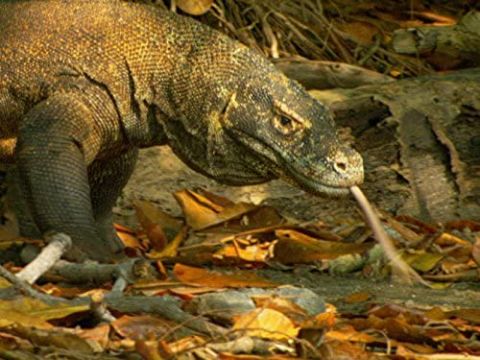
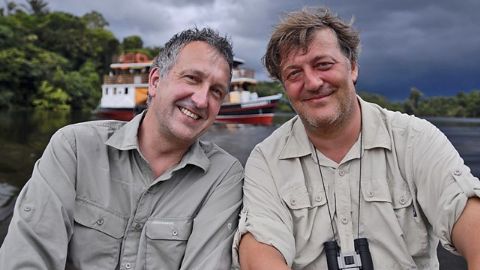
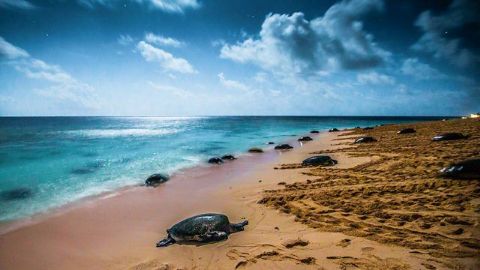
On a journey through Malaysia and Indonesia to track down the deadly Komodo dragon, the travellers help to release turtles into the wild and encounter one of the deadliest snakes on earth.
Hope you're finding these documentaries fascinating and eye-opening. It's just me, working hard behind the scenes to bring you this enriching content.
Running and maintaining a website like this takes time and resources. That's why I'm reaching out to you. If you appreciate what I do and would like to support my efforts, would you consider "buying me a coffee"?
BTC: bc1q8ldskxh4x9qnddhcrgcun8rtvddeldm2a07r2v
ETH: 0x5CCAAA1afc5c5D814129d99277dDb5A979672116
With your donation through , you can show your appreciation and help me keep this project going. Every contribution, no matter how small, makes a significant impact. It goes directly towards covering server costs.
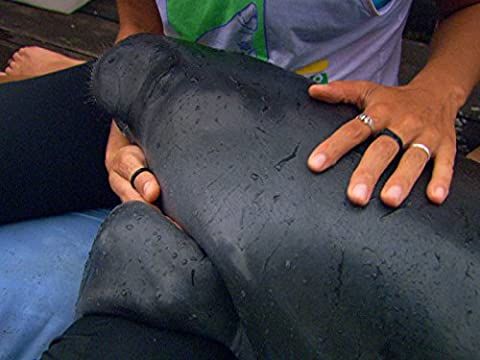
Stephen and Mark set out to discover how the lugubrious Amazonian manatee, a freshwater mammal, has survived the last two decades.
2009 • Nature
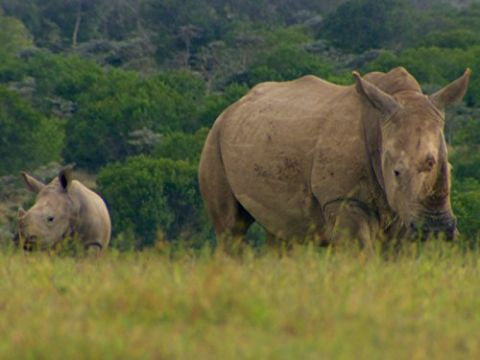
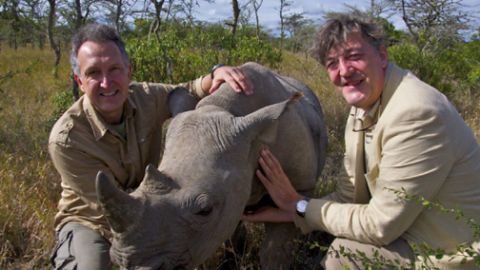
On a journey across Africa towards the war-torn Congo, the travellers encounter chimpanzees, gorillas and elephants, but are there any northern white rhinos still alive in the wild? The news is not good but there is some hope in the remarkable project under way to save the black rhino in Kenya.
2009 • Nature
On a journey through Malaysia and Indonesia to track down the deadly Komodo dragon, the travellers help to release turtles into the wild and encounter one of the deadliest snakes on earth.
2009 • Nature
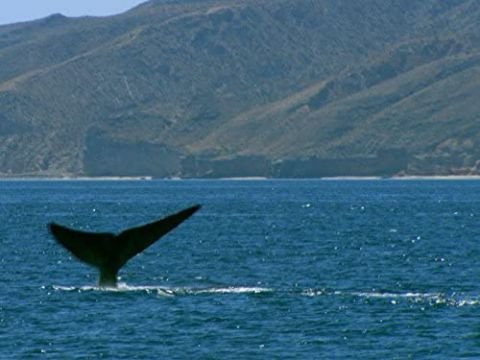
In a dramatic conclusion to the series, the travellers have a close encounter with grey whales and meet the deadly Humboldt squid in a search for the mighty blue whale, the biggest creature that has ever lived.
2009 • Nature
Stephen Fry and the zoologist Mark Carwardine follow attempts to move the world's rarest rhinos from a snowy zoo in the Czech Republic, to the expanses of Kenya in the hope that they will breed in the wild. With only eight of these creatures left on earth, the mission becomes a race against time to save the Northern White Rhino from extinction.
2010 • Nature
Picture the last two hundred years without the publication of Darwin's "On The Origin of Species" -- how might the scientific conversation have developed? What were the influences in Victorian England during Darwin's youth, and how tenuous was his opportunity for sailing on the Beagle's voyage?
S1E13 • Butterfly Effect • 2016 • Nature
Ch1. Oceans In Cape Verde, Gordon starts the adventure with a look at one of the world's largest populations of nesting loggerhead turtles. He then heads to the Bahamas with Caribbean reef sharks, California to see young elephant seals and the British Isles to attach featherweight cameras to a squadron of gannets. Ch2. Australia In New South Wales, Gordon encounters a marsupial facing a complex set of challenges when he meets a population of kangaroos that are being pushed to the very brink by a coastal development boom. How are they surviving on the edge of this urban expansion? Gordon meets the scientists driven to find out more about what the roos are feeding on as they are pushed onto the coastal fringes. As we become immersed in their world, we get a better understanding of kangaroos' social lives and the impact of human encroachment on their diet. In southern Australia, we head to Adelaide, where one of the team's toughest challenges yet is to create the lightest of cameras to find out what the lure of the big city is to a colony of newly arrived fruit bats. Their appearance is a bit of a puzzle. Are they a threat to the local commercial fruit crops or have they found other ways to adapt to city life? For the first time ever, the fruit bats take our cameras up above the cityscape, showing us a unique view of their nocturnal worlds while providing information crucial to their future. In Queensland, we help scientists find out if koalas really deserve their dozy daytime reputation when we join researchers at a reserve to discover some incredible revelations surrounding their night-time manoeuvres. The team's tech allows us to shadow them after sundown, unveiling their remarkable agility and surprising navigational skills. Specially designed with tree-hugging in mind, koalacams offer an insight which could help koalas as we find out what they need to survive - not just here, but elsewhere in the country.
S2E1E2 • Animals with Cameras • 2021 • Nature
South America - the most species rich continent on Earth. From the volcanoes of the Andes to the world’s largest rainforest, the Amazon, animals here must specialise to carve out a niche. In Patagonia, a puma mother draws on a lifetime’s experience to catch prey three times her weight. In the cloud forest, rarely seen Andean bears clamber thirty metres into the canopy to find elusive fruit. Poison dart frogs use ingenious methods to keep their tadpoles safe, whilst anacondas stalk capuchin monkeys. At Igauzu, swifts make death-defying flights through one of the biggest waterfalls on Earth.
S1E3 • Seven Worlds, One Planet • 2019 • Nature
A look at why a herd of wild elephants check into the same hotel every year and what is causing giant bubble rings off the coast of Portland, Maine.
S1E22 • Nature's Strangest Mysteries: Solved • 2019 • Nature
Family relationships are the secret of success for savanna elephants. Emotional bonds and wisdom help them navigate a changing world.
S1E1 • Secrets of the Elephants • 2023 • Nature
We’ve heard that bees are disappearing. But what is making bee colonies so vulnerable? Photographer Anand Varma raised bees in his backyard — in front of a camera — to get an up close view. This project, for National Geographic, gives a lyrical glimpse into a bee hive — and reveals one of the biggest threats to its health, a mite that preys on baby bees in the first 21 days of life.