The Okavango: Lifeblood of the Kalahari • 2017 • episode "S1E2" Waterworld Africa

Category: Nature

For the animals of the Okavango Delta, life itself depends on a fortuitous natural anomaly: a river that cuts through the mighty Kalahari Desert. Embark on a tour of this accidental paradise, where a colorful ecosystem of plants, animals, and birds flourish in the unexpected abundance.

Make a donation

Buy a brother a hot coffee? Or a cold beer?

Hope you're finding these documentaries fascinating and eye-opening. It's just me, working hard behind the scenes to bring you this enriching content.

Running and maintaining a website like this takes time and resources. That's why I'm reaching out to you. If you appreciate what I do and would like to support my efforts, would you consider "buying me a coffee"?

Donation addresses

Buy Me a Coffee at ko-fi.com

patreon.com

BTC: bc1q8ldskxh4x9qnddhcrgcun8rtvddeldm2a07r2v

ETH: 0x5CCAAA1afc5c5D814129d99277dDb5A979672116

With your donation through , you can show your appreciation and help me keep this project going. Every contribution, no matter how small, makes a significant impact. It goes directly towards covering server costs.
Waterworld Africa • 2017 • 8 episodes •

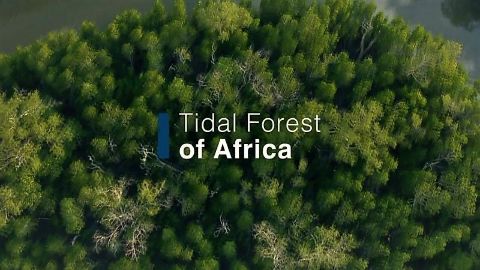
Tidal Forest of Africa

On the eastern coast of Africa lies a subtropical realm of staggering beauty and diversity--a mangrove forest where saltwater meets fresh and a variety of secretive forest dwellers work feverishly to survive. Take a thrilling journey into this rarest of ecosystems, one that few get to witness.

2017 • Nature

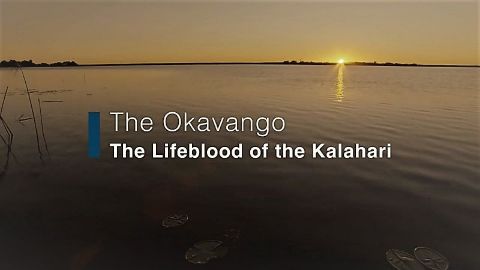
The Okavango: Lifeblood of the Kalahari

For the animals of the Okavango Delta, life itself depends on a fortuitous natural anomaly: a river that cuts through the mighty Kalahari Desert. Embark on a tour of this accidental paradise, where a colorful ecosystem of plants, animals, and birds flourish in the unexpected abundance.

2017 • Nature

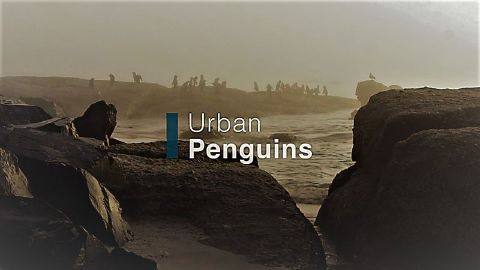
Urban Penguins

African penguins were once the most numerous sea bird on the continent--until their population was decimated by human activity. Visit a rare colony at South Africa's Boulders Beach and see how these master divers and ocean hunters are staging a remarkable revival.

2017 • Nature

Precious Waters

During the dry winter season on the savanna, life is ruled by water. From gargantuan hippos to nimble antelope, explore how the wildlife of South Africa's lowveld adapt to the harsh conditions of their ecosystem.

2017 • Nature

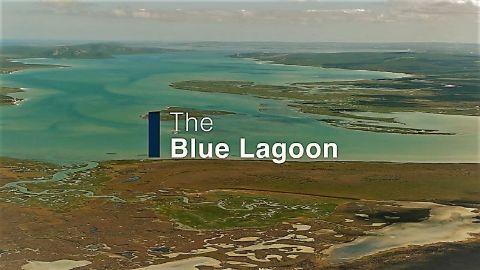
The Blue Lagoon

Unlike the many freshwater lagoons in South Africa, the Langebaan consists of 18.5 square miles of saltwater from the Atlantic Ocean. Of all the creatures that rely on it, two are pivotal for its own rejuvenation and sustenance: the regal flamingos and the nutrient-producing prawns.

2017 • Nature

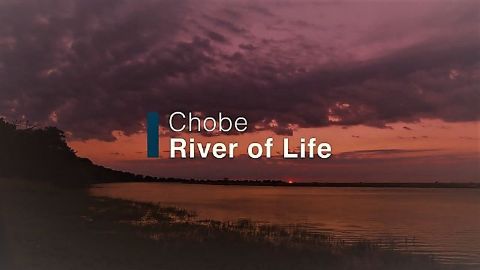
Chobe: River of Life

During the dry season in Northern Botswana, over 45,000 elephants--more than 10% of the world's population--congregate along the banks of the Chobe River. Join local wildlife on a quest to escape the punishing drought.

2017 • Nature

Source to Sea

Many of the great rivers of southern Africa start high up in mountain ranges, power their way eastwards across wild forests and grasslands, and eventually empty out into the Indian Ocean. Ride the currents of these powerful bodies of water as they reshape the lives of the wild animals who rely on them.

2017 • Nature

Wetland Wonder

Lake St. Lucia, Africa's largest estuary lake, is under siege. A series of human missteps have left it cut off from the sea, and the water levels are dangerously low. The wildlife relying on its ecosystem are most affected--from hippos and crocodiles that live on its banks, to exotic birds that migrate from as far as 6,000 miles away. Can they adjust to the new, drier reality imposed on them?

2017 • Nature

You might also like

From the top of the food chain down: Rewilding our world

Our planet was once populated by megafauna, big top-of-the-food-chain predators that played their part in balancing our ecosystems. When those megafauna disappear, the result is a "trophic cascade," where every part of the ecosystem reacts to the loss. How can we stay in balance? George Monbiot suggests rewilding: putting wolves, lions and other predators back on top -- with surprising results.

TED-EdNature

Cast Adrift

Isolated since the time of the dinosaurs, New Zealand's wildlife has been left to its own devices, with surprising consequences. Its ancient forests are still stalked by predators from the Jurassic era. It's also one of the most geologically active countries on earth. From Kiwis with their giant eggs, to forest-dwelling penguins and helicopter-riding sheep dogs, meet the astonishing creatures and resilient people who must rise to the challenges of their beautiful, dramatic and demanding home.

Part 1New Zealand: Earth's Mythical Islands • 2016 • Nature

Monkey Garden

Venture into the lush confines of the Brazilian Pantanal, host to an assortment of unusual creatures with similarly strange habits. Among these, you'll encounter the piraputanga fish that leaps out of the water to pluck fruit off low-hanging branches and the lowland tapir--the largest land mammal in South America--who can eat up to 100 lbs. of vegetation each day.

1Brazil Untamed • 2016 • Nature

The Fruit Hunters: Defenders of Diversity (Part 2 of 2)

Supermarkets are stocked with fruit year round in a global permanent summertime, but despite its accessibility, have we lost the diversity that makes it so special? The second episode of The Fruit Hunters will look at what happens when we abandon the Garden of Eden for an industrialized monoculture. In lush jungles of Borneo, Bala Tingang, an elder of one of the last hunter-gatherer tribes, lives of the wild fruits that are the key to his tribe's survival. And yet, all around the world, natural diversity is being replaced with monocultures, plantations of only one variety, bred for long shelf life and transportability rather than their taste or health properties. Not only is this lost of diversity impoverishing our taste buds, but it has catastrophic implications for our food security. In the vast uniform banana fields of Honduras, Juan Aguilar, a banana scientist, frantically tries to breed a banana resistant to a deadly fungus.

S52E12The Nature of Things • 2013 • Nature

Part 2

From around three months old, the animal babies can all get around on their own, but that means the impact of their environment and the struggle to find food really begin to hit home.

S1E2Animal Babies: First Year on Earth • 2019 • Nature

The Emu

Emus are unique: Native only to Australia, they're the second largest bird in the world and can trace their lineage back to the dinosaurs. When males incubate their eggs, they don't eat, drink, or even go to the bathroom until the job is done. Follow the fascinating life of this flightless bird as it stubbornly defies the odds by doing things its own way.

S1E2Wild Birds of Australia • 2018 • Nature