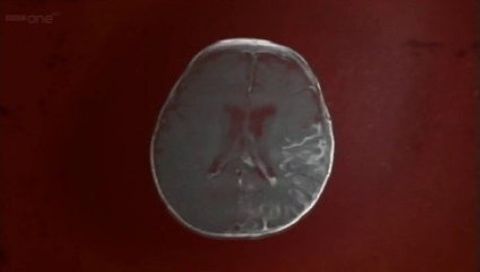
This programme explores the way our experiences shape our minds and bodies as we make the journey from the most helpless to the most sophisticated organism on earth. Dr Chris and Dr Xand van Tullekan uncover how we develop new skills - whether riding a bike or learning to walk.
Hope you're finding these documentaries fascinating and eye-opening. It's just me, working hard behind the scenes to bring you this enriching content.
Running and maintaining a website like this takes time and resources. That's why I'm reaching out to you. If you appreciate what I do and would like to support my efforts, would you consider "buying me a coffee"?
BTC: bc1q8ldskxh4x9qnddhcrgcun8rtvddeldm2a07r2v
ETH: 0x5CCAAA1afc5c5D814129d99277dDb5A979672116
With your donation through , you can show your appreciation and help me keep this project going. Every contribution, no matter how small, makes a significant impact. It goes directly towards covering server costs.
Chris Packham invites us inside his autistic world to try to show what it is really like being him. For most of his life, broadcaster and naturalist Chris didn't tell anyone about the one thing that in many ways has defined his entire existence. Chris is autistic - he has Asperger's Syndrome, which means he struggles in social situations, has difficulty with human relationships and is, by his own admission, 'a little bit weird'. But what if there was a way of taking away these autistic traits? Would Chris ever choose to be 'normal'? Chris's long-term partner Charlotte discusses the problems Asperger's creates in their relationship, and Chris travels to America to witness radical therapies that appear to offer the possibility of entirely eradicating problematic autistic traits.
2017 • Health
Michael Mosley has set himself a truly ambitious goal: he wants to live longer, stay younger and lose weight in the bargain. And he wants to make as few changes to his life as possible along the way. He discovers the powerful new science behind the ancient idea of fasting, and he thinks he's found a way of doing it that still allows him to enjoy his food. Michael tests out the science of fasting on himself - with life-changing results.
Renowned geneticist and author Spencer Wells reveals how changes in our genetic code have fueled major changes in our appearance and capabilities over time, and why scientists believe we're continuing to rapidly evolve today. By understanding these changes, we are better prepared for the future.
2018 • Health
As a woman in New York City leans over a table, about to inhale a line of cocaine, she is unknowingly part of a $30 billion a year industry — an illegal empire governed by fear and violence, bribery and corruption, all spiraling out of control and turning Mexico and the southern border of the United States into one of the deadliest places on earth. In this probing, incisive investigation into the bloodstained path taken by cocaine we travel backwards from the end user in the U.S. all the way to the drug's source high in the South American mountains. We meet the dealers, traffickers, smugglers and farmers who together form its production and distribution chain, as well as the law enforcement agencies and individuals whose mission is to shut the deadly trade down. The cocaine industry is littered with unimaginable sums of cash and more than 35,000 murders in the past five years. Much of this violence occurs on the border between the United States and Mexico. This is just one aspect of the cocaine epidemic which is explored in the feature-length documentary Cocaine: History Between the Lines. This two-hour special goes inside the history of the second most used illicit drug in America. The human appetite for this narcotic goes all the way back to 3000 B.C., when South Americans chewed coca leaves thinking they were a gift from God. But it wasn't until 1855, when cocaine was first extracted from the coca leaf and used in powder form that its use spiked. Initially it was utilized as an anesthesia. Soon, famed psychologist Sigmund Freud touted it as an effective cure for depression and impotence. In 1886, John Pemberton, an Atlanta pharmacist, added it to his new soft drink: Coca Cola or Coke for short. In 1914, the drug was outlawed, but the damage had been done. The 70's ushered in another boost in the drug's use fueled in part by new drug cartels in South America. To combat cocaine's rise, the Reagan administration started the War on Drugs in the 80's. That hasn't stopped the proliferation of the drug in cities across America or with the cartels that continue to feed at the trough of this $30 billion dollar a year business. Cocaine use may have peaked decades ago, but it's never gone away. With the advent of crack cocaine in the 1980s, the trade became deadlier and more toxic than ever before. The high demand for the product has rendered more than 70% of Mexico under the control of the smuggling trade. American law enforcement agencies from Texas to California are fearful that this nefarious element will soon enter their country unchallenged. According to the officers interviewed in the film, border security is lax, and bureaucrats in Washington are doing little to remedy the crisis. For them, the discovery of a dismembered body – whether it be a trafficker, illegal immigrant or innocent bystander - has become a daily occurrence. This harsh reality is lost on most of the users themselves, who run the gamut from the hippest clubbers to the homeless population across America. Each user profiled in the film shares their experiences with the alluring white powder. Whether they use the drug recreationally or habitually, they have all witnessed the hold it can have on a life. From the personal to the political, Cocaine: History Between the Lines is a comprehensive account of a drug that has left much devastation in its wake.
2011 • Health
Some people love the feeling of cracking their knuckles, while others cringe at the sound. But what causes that trademark pop? And is it dangerous? Eleanor Nelsen gives the facts behind joint popping.
Heart disease is the number one cause of deaths worldwide, but there are researchers frantically working to change that. Meet the people inventing the future of cardiac health, from new ways of imaging the body, to the possibility of 3D printing a functioning heart.
Breakthrough • 2019 • Health