In this episode, they unpick the dramatic shift in advice on drinking alcohol. After warnings that there's no longer any safe limit, what's the truth on whether it's still ok to have a drink? And what about all the previous reports that suggest the occasional drink might actually be a good thing? The shocking secrets of how Britain snacks are revealed, but it seems the mid-afternoon energy slump that prompts millions to reach for treats may just be all in the mind. Also, the controversial 5:2 diet is put to the test. With the experts still divided, could regular fast days really be the key to losing weight?
Hope you're finding these documentaries fascinating and eye-opening. It's just me, working hard behind the scenes to bring you this enriching content.
Running and maintaining a website like this takes time and resources. That's why I'm reaching out to you. If you appreciate what I do and would like to support my efforts, would you consider "buying me a coffee"?
BTC: bc1q8ldskxh4x9qnddhcrgcun8rtvddeldm2a07r2v
ETH: 0x5CCAAA1afc5c5D814129d99277dDb5A979672116
With your donation through , you can show your appreciation and help me keep this project going. Every contribution, no matter how small, makes a significant impact. It goes directly towards covering server costs.
Gloria Hunniford and Chris Bavin investigate which of the claims about foods said to help people live longer are true. The effects of booze on the brain are revealed, there are surprises as the team exposes how food affects migraines,
2017 • Health
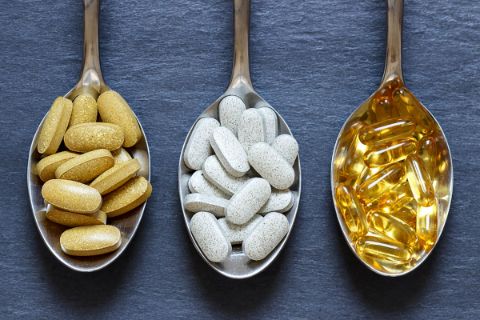
Following reports that taking extra vitamins is pointless and possibly even dangerous, Gloria discovers whether the vitamins she takes each day are really necessary or if she can get all the nutrients she needs from her food? Chris tests out a new meal plan to see what difference changing what you eat makes to how you power through the day, and even how you sleep.
2016 • Health
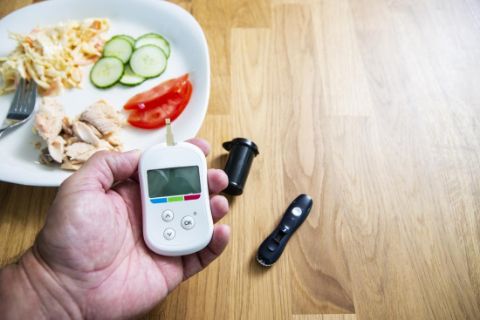
Gloria Hunniford and Chris Bavin make sense of which foods we should and shouldn't be eating. Gloria reveals her own experience of being diagnosed as pre-diabetic. With headlines suggesting millions are at risk of developing diabetes, she exposes how changing your diet can stop the condition in its tracks, and perhaps even reverse it. Chris unpicks which fruit and veg are best to eat. After years of working as a greengrocer, even he's unsure if he's eating enough, and how those five-a-day really stack up.
2016 • Health
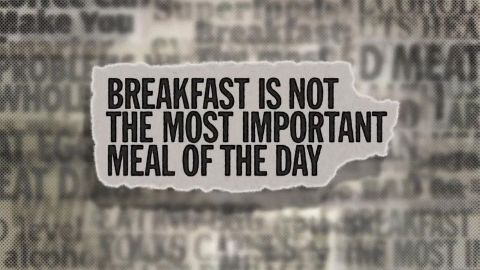
Gloria Hunniford and Chris Bavin unravel the truth behind food stories that have dominated the front pages. In this episode, they discover how it's not just what you eat that can make a difference to how you feel, but when you have it and how you cook it. The truth behind the headlines about the dangers of cooking with olive oil, and barbecues, is revealed. Several long-established beliefs are put to the test, with experiments to see whether three meals a day is the most effective way to fuel your body, and if breakfast really is the most important meal of the day.
2016 • Health
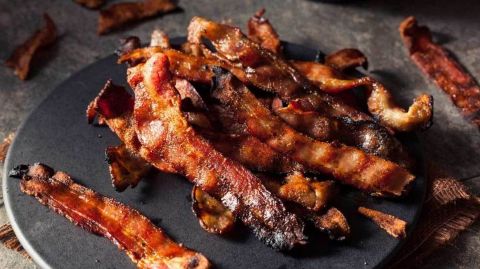
In this episode, they investigate whether we should really be giving up bacon and sausages, after new research suggested they're bad for us. The programme explores why eggs, for years demonised as unhealthy, are now firmly back in fashion and apparently now about as healthy as you can get. Could butter or dripping be next? Plus why white bread isn't necessarily as unhealthy as assumed.
2016 • Astronomy
In this episode, they unpick the dramatic shift in advice on drinking alcohol. After warnings that there's no longer any safe limit, what's the truth on whether it's still ok to have a drink? And what about all the previous reports that suggest the occasional drink might actually be a good thing? The shocking secrets of how Britain snacks are revealed, but it seems the mid-afternoon energy slump that prompts millions to reach for treats may just be all in the mind. Also, the controversial 5:2 diet is put to the test. With the experts still divided, could regular fast days really be the key to losing weight?
2016 • Health
Of all the diseases that plague humankind, malaria has put up one of the longest, toughest fights. More than 200 million people fall ill and 600,000 die of it every year, making it among the world's deadliest diseases. The vast majority of those fatalities are young children - an average of one child every minute. But medical science may now be at an exciting turning point. Filmed with intimate access to key scientists on four continents, this documentary tells the inside story of the development of a new malaria vaccine that could change the very nature of the fight. It's hoped that the vaccine, dubbed R21/Matrix-M and developed by many of the same team behind the Oxford/AstraZeneca Covid-19 vaccine, will be the first to meet the World Health Organization's target of 75 per cent efficacy.
2024 • Health
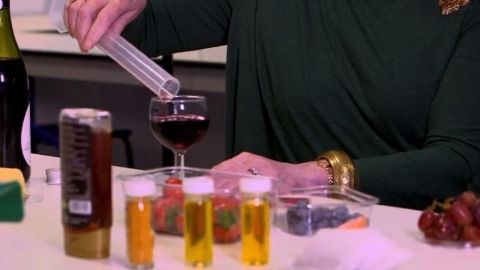
Fiona Phillips teams up with leading scientists to look at how to eat and drink to good health, and she uncovers some surprising truths. She reveals which cheap, everyday foods can give us all the benefits of so-called superfoods at a fraction of the price and why frying can be the healthiest way to cook. Fiona becomes a human guinea pig to test some of the top-selling health drinks and supplements. She investigates whether antioxidant smoothies really give us the healthy boost we think and discovers why multivitamin pills might do us more harm than good. In a unique experiment with scientists from Aston and Liverpool John Moores universities, she sets out to find the healthiest breakfast, and discovers why we'd be better off with bacon and eggs rather than cereal and fruit. To find out whether we can really detoxify our bodies, she puts some popular detox foods and drinks to the test and reveals why we're better off with fresh foods and the odd glass of wine.
2016 • Health
November 22, 1963. The entire world is in shock. President Kennedy has just been assassinated during a trip to Dallas. Even Khrushchev himself seems touched by the tragic news. In a surprising coincidence, South Vietnamese president Diem was assassinated twenty days earlier, in a coup organized by his generals... The players are changing, but the Vietnam war drags on. America's new President Johnson sinks his country further into the quagmire of war. Close to three million young Americans discover Hell - the jungle, the unbearable heat, and the Viet Cong, with its tunnels and traps. For the first time, television plays a special role in the war. In 1968, the images of the terrible "Tet Offensive" revealed to the population the fiasco which took place in Vietnam: the massacres, the abuses of American soldiers and the obvious rout of their army. Soon the United States has no choice but to recall its troops; a victory for the communist world... But the USSR emerges from it ruined. Weakened by its various campaigns around the world, it will not experience the same success in Afghanistan. Soon, the "satellite" republics will resume their rights, overthrowing in turn the regimes imposed by Moscow. In 1989, the Berlin Wall fell and the Soviet Empire collapses... The red flag with the gold star dismounted from the roofs of the Kremlin. This is the end of the cold war. The war of the worlds ends.
S1E6 • Apocalypse: War of Worlds 1945-1991 • 2019 • Health
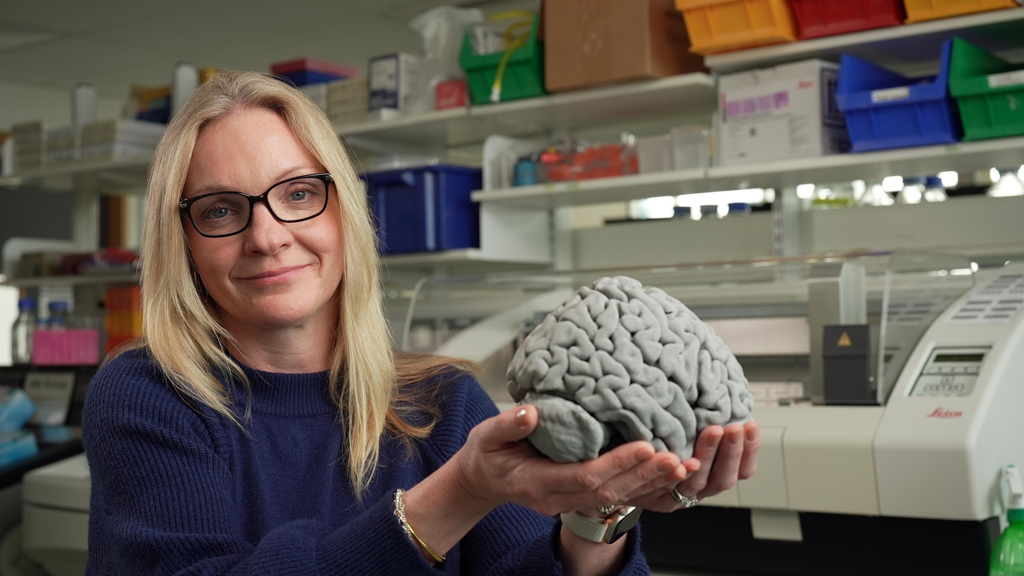
Dr Claire Taylor learns more about the the UK's fastest growing health condition, she meets patients living with dementia, as well as scientists and experts working in the field. The GP puts herself through innovative tests to find out how to spot the earliest signs and learns about different types of the disease. Plus, Claire investigates cutting edge treatments and asks what can be done to prevent dementia developing.
2025 • Health
Nestled in the tissues of your neck is a small, unassuming organ that wields enormous power over your body: the thyroid. Emma Bryce explains how the thyroid, like the operations manager in a company, is tasked with making sure that all the cells in your body are working properly.
In the early days of the space race, agency researchers in Russia and at NASA really weren't sure all what would happen to an astronaut in space. They didn't know if a human mind could handle actually seeing Earth or what would happen to the human body when exposed to long periods of weightlessness. Would their blood forget which way to pump? Would their eyeballs shift or their inner ears wig out? They sent up mice and monkeys and dogs, to see what happened, and in 1961, the Russians strapped a man to a rocket headed for orbit. Yuri Gagarin was the first person in space. The ultimate human guinea pig, he survived, becoming an international hero.