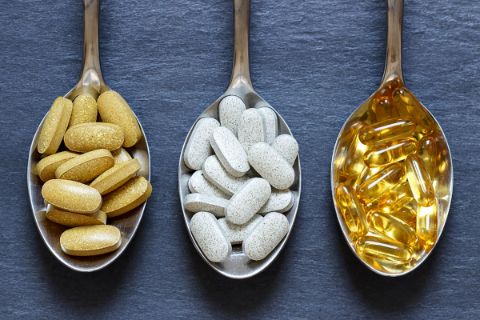
Following reports that taking extra vitamins is pointless and possibly even dangerous, Gloria discovers whether the vitamins she takes each day are really necessary or if she can get all the nutrients she needs from her food? Chris tests out a new meal plan to see what difference changing what you eat makes to how you power through the day, and even how you sleep.
Hope you're finding these documentaries fascinating and eye-opening. It's just me, working hard behind the scenes to bring you this enriching content.
Running and maintaining a website like this takes time and resources. That's why I'm reaching out to you. If you appreciate what I do and would like to support my efforts, would you consider "buying me a coffee"?
BTC: bc1q8ldskxh4x9qnddhcrgcun8rtvddeldm2a07r2v
ETH: 0x5CCAAA1afc5c5D814129d99277dDb5A979672116
With your donation through , you can show your appreciation and help me keep this project going. Every contribution, no matter how small, makes a significant impact. It goes directly towards covering server costs.
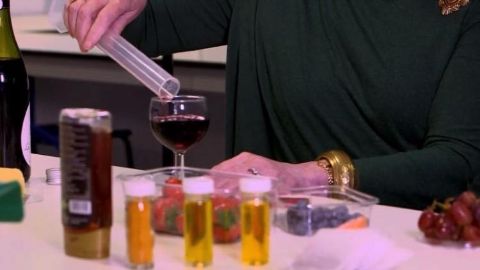
Gloria Hunniford and Chris Bavin investigate which of the claims about foods said to help people live longer are true. The effects of booze on the brain are revealed, there are surprises as the team exposes how food affects migraines,
2017 • Health
Following reports that taking extra vitamins is pointless and possibly even dangerous, Gloria discovers whether the vitamins she takes each day are really necessary or if she can get all the nutrients she needs from her food? Chris tests out a new meal plan to see what difference changing what you eat makes to how you power through the day, and even how you sleep.
2016 • Health
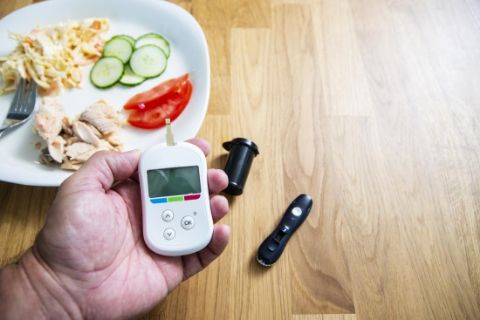
Gloria Hunniford and Chris Bavin make sense of which foods we should and shouldn't be eating. Gloria reveals her own experience of being diagnosed as pre-diabetic. With headlines suggesting millions are at risk of developing diabetes, she exposes how changing your diet can stop the condition in its tracks, and perhaps even reverse it. Chris unpicks which fruit and veg are best to eat. After years of working as a greengrocer, even he's unsure if he's eating enough, and how those five-a-day really stack up.
2016 • Health
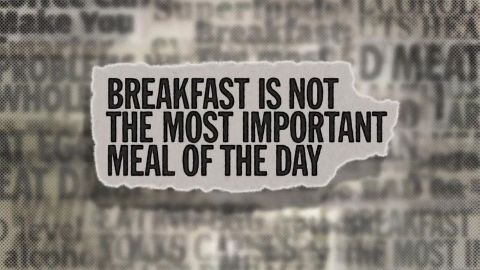
Gloria Hunniford and Chris Bavin unravel the truth behind food stories that have dominated the front pages. In this episode, they discover how it's not just what you eat that can make a difference to how you feel, but when you have it and how you cook it. The truth behind the headlines about the dangers of cooking with olive oil, and barbecues, is revealed. Several long-established beliefs are put to the test, with experiments to see whether three meals a day is the most effective way to fuel your body, and if breakfast really is the most important meal of the day.
2016 • Health
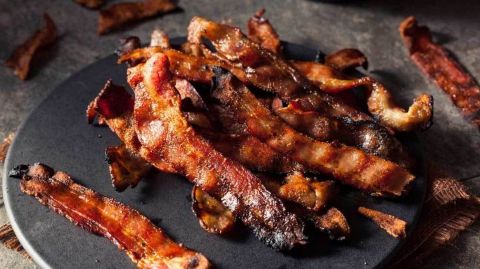
In this episode, they investigate whether we should really be giving up bacon and sausages, after new research suggested they're bad for us. The programme explores why eggs, for years demonised as unhealthy, are now firmly back in fashion and apparently now about as healthy as you can get. Could butter or dripping be next? Plus why white bread isn't necessarily as unhealthy as assumed.
2016 • Astronomy
In this episode, they unpick the dramatic shift in advice on drinking alcohol. After warnings that there's no longer any safe limit, what's the truth on whether it's still ok to have a drink? And what about all the previous reports that suggest the occasional drink might actually be a good thing? The shocking secrets of how Britain snacks are revealed, but it seems the mid-afternoon energy slump that prompts millions to reach for treats may just be all in the mind. Also, the controversial 5:2 diet is put to the test. With the experts still divided, could regular fast days really be the key to losing weight?
2016 • Health
Insomniac Michael Mosley finds out what happens if we don't get enough sleep and looks at surprising solutions to help us get more.
2017 • Health
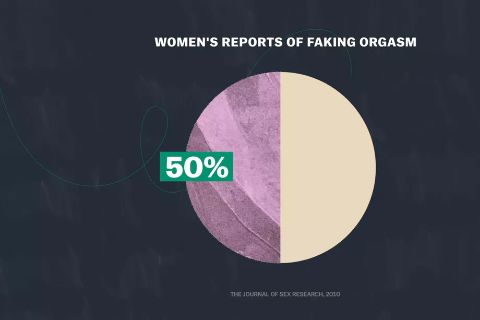
The female orgasm is more elusive when a man is involved. Discover the reasons why -- and how women are embracing hands-on solutions.
The Ebola virus. No-one knows exactly where it comes from but one thing is certain - it's one of the most virulent infections known to science. This special episode of Horizon meets the scientists and doctors from all around the world looking for the cure and hears first-hand accounts of what it's actually like to catch - and survive - this terrible disease.
Horizon investigates a new era of Alzheimer's research, which is bringing hope to millions of sufferers across the world. New scanning and gene technology is allowing scientists to identify the disease at its earliest stages, often 15 years before symptoms appear and the brain cells are destroyed. A series of new drugs trials in Colombia, the USA and Europe are showing startling success in reducing beta amyloid, the protein which is a hallmark of the disease. It is also becoming clear that changes in lifestyle can prevent the development of the disease. A new system inside the brain has been discovered which clears amyloid when we are in deep sleep, but allows it to accumulate if we don't sleep well. The programme reveals that for sufferers in the early stages of the disease, brain connections, or synapses, can be strengthened and even replaced by absorbing enough of the right nutrients. A UK-wide trail helps sufferers in the early stages to concentrate on improving everyday tasks, and in the process not only make their lives easier, but helps to reactivate the planning and organisational parts of the brain. In an ageing world, where the biggest risk of developing Alzheimer's is old age, the scientific breakthroughs in Alzheimer's disease are bringing hope where once there was despair.
COVID-19 is far from the first pandemic to wreak havoc in the world. A long line of infectious diseases have devastated and in some cases destroyed entire societies. Almost all of them started in animals and made the jump to humans. We are terrified of pandemics. And with good reason. Infectious diseases have cost the lives of countless people over the centuries, devastating families, towns, and even societies. The Black Death spread across Europe and Asia in the 14th century leaving millions dead in its wake. Between the 15th and 18th centuries, European colonists brought smallpox to the Americas, the Pacific region and to Australia. In Europe, the 17th century saw a series of major epidemics. And at the end of the First World War, more people died of the Spanish flu than on the battlefield. This documentary examines the causes of these epidemics - whether it be lack of hygiene, interaction with animals, overcrowding, or the growth of cities - and how people travelling helped to spread disease and promote pandemics. It also sheds a light on the impact these infectious diseases have had on politics and societal change. Today, the world is facing COVID-19. Measures such as quarantine and lockdowns are being rolled out in an effort to control the spread of the virus; and, just as our ancestors did before us, some are questioning how effective they are. Over the centuries, scientists managed to develop treatments and medicines to help control or even eradicate infectious diseases. Virologists are facing that task again with the coronavirus, as the world frantically searches for ways to overcome a pandemic which threatens our modern way of life.
2020 • Health