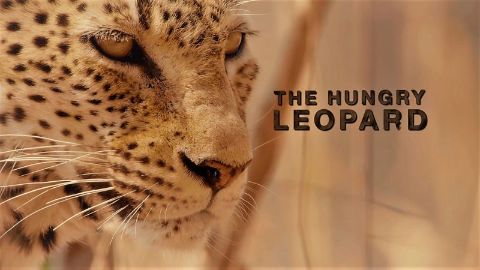
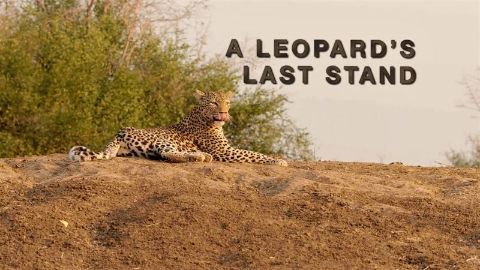
Kamuti the leopard has reigned supreme over her corner of the Luangwa Valley for 10 years. She's defended her territory, hunted antelope for food, and even kept the nearby pride of lions at bay. But a younger leopard is determined to replace her. Can she survive one more challenge, or will this be her last stand?
Hope you're finding these documentaries fascinating and eye-opening. It's just me, working hard behind the scenes to bring you this enriching content.
Running and maintaining a website like this takes time and resources. That's why I'm reaching out to you. If you appreciate what I do and would like to support my efforts, would you consider "buying me a coffee"?
BTC: bc1q8ldskxh4x9qnddhcrgcun8rtvddeldm2a07r2v
ETH: 0x5CCAAA1afc5c5D814129d99277dDb5A979672116
With your donation through , you can show your appreciation and help me keep this project going. Every contribution, no matter how small, makes a significant impact. It goes directly towards covering server costs.
At 13, Kamuti is one of the oldest leopards in the Luangwa region of Zambia. Old age brings many challenges, from hunting antelope to keeping a watchful eye on the lion pride nearby. Using a military-grade thermal camera, we lift the veil on the secret world of this enigmatic nocturnal predator for the first time.
2015 • Nature
Kamuti the leopard has reigned supreme over her corner of the Luangwa Valley for 10 years. She's defended her territory, hunted antelope for food, and even kept the nearby pride of lions at bay. But a younger leopard is determined to replace her. Can she survive one more challenge, or will this be her last stand?
2015 • Nature
At the height of the Zambian dry season, three lionesses in the Nsefu pride are pregnant. Even with protection from fellow lions, the stakes couldn't be higher, from cub-hungry predators like leopards and hyenas to the hunting duties necessary to sustain the group. Can the pride meet the demands of their growing population?
2015 • Nature
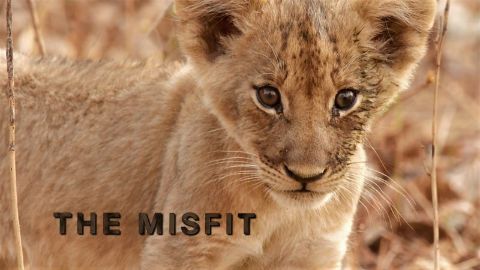
A six-week-old lion cub gets separated from his pride and has to face the nighttime terrors of the African bush. Cub-hungry predators, dehydration, and rival lions instinctively primed to kill are just some of the threats ahead. Can this intrepid little misfit find his way back to safety, or will the harsh rules of the wild prevail?
2015 • Nature
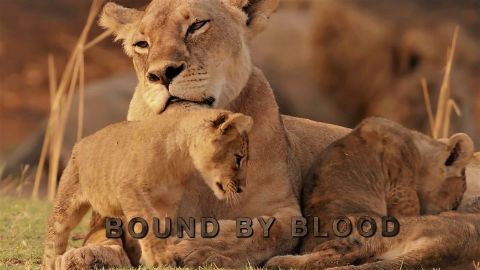
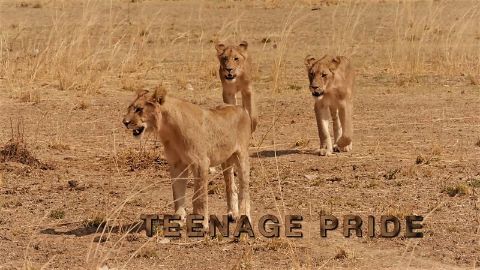
The Nsefu lion pride of Zambia are in an enviable position, with a litter of new cubs, control of the best territory on the Luangwa River, and strong males to protect them. But as the cubs grow older, pressure mounts as they begin to understand their roles and how every misstep can threaten the very existence of their family.
2015 • Nature
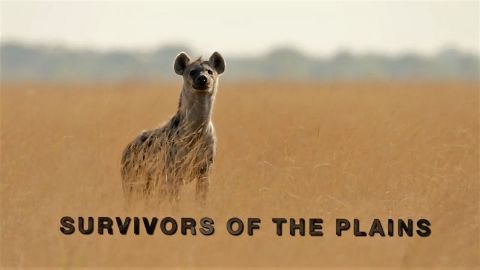
In hyena society, the females call the shots--but they're also charged with making difficult decisions. So when drought pushes a spotted hyena clan to the brink of starvation, the matriarch has a call to make: wait in the Liuwa Plains for rain that will bring wildebeest, or set out in search of a nourishing kill?
2015 • Nature
While dogs are said to share more than 99 per cent of their DNA with grey wolves, recent research has indicated that this link might actually be the key to why dogs have become the perfect family pet. The pack mentality of their lupine ancestors remains in domestic dogs, inspiring what seems to be a fierce loyalty to their human families,
S1E3 • Secret Life of Dogs • 2016 • Nature
The second episode of the documentary series takes a look at bizarre and extraordinary feathered dinosaurs, many of which have only just been discovered. These feathered beasts are revolutionising our understanding of life on Earth as they blur the boundaries between what we know of dinosaurs and birds. China sits at the heart of the feathered dinosaur discoveries and is the home of one of the most unusual discoveries on Earth: the epidexipteryx. Only the size of a pigeon, this predator was the most bird-like of any dinosaur and is the first known case of ornamental feathers. But feathers were not just confined to the small. From caudipteryx to sinosauropteryx and the 8-metre-long gigantoraptor, feathers may have been used for flight, for insulation or even to intimate and attract. These dinosaurs not only hint at how animals might have developed flight, but also suggest that dinosaurs may still live among us today - as birds.
S1E2 • Planet Dinosaur • 2011 • Nature
Left to fend for themselves until they find their footing, baby sea turtles, elephant seal pups, pumas and crabs bravely trek towards adolescence.
S2E3 • Our Planet • 2023 • Nature
From crowned lemurs to Bornean orangutans, the higher we move up the primate family tree, the closer their behavior mimics our own-especially when it comes to family and raising young. Peer into the astonishing adaptations that highlight the lengths primates will go to preserve and build family bonds.
S2E6 • Baby Animals • 2016 • Nature
A seahorse blends perfectly into its coral surroundings, while a male day octopus hides to avoid the female's cannibalistic impulses. Meanwhile, cuttlefish change color to both attract mates and ward off rivals. Explore the Gulf of Oman, a kaleidoscope of color coordination, starring the dazzling masqueraders of the Arabian Sea.
S1E2 • Arabian Seas • 2018 • Nature
Emerging from the dinosaurs' shadows, mammals went from underdogs to global power, with game-changing adaptations that would conquer land, air and sea.
S1E7 • Life on Our Planet • 2023 • Nature