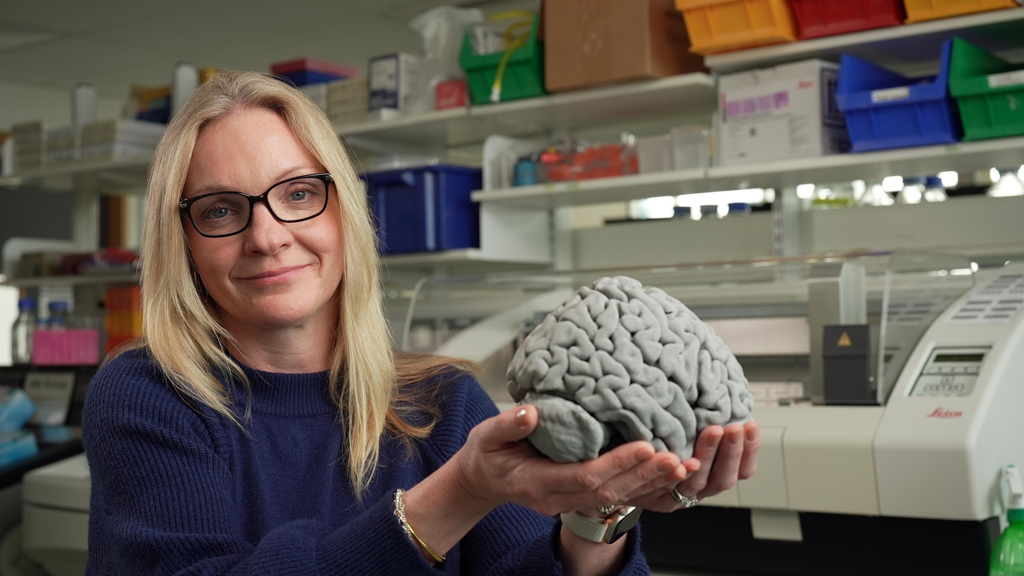
Dr Claire Taylor learns more about the the UK's fastest growing health condition, she meets patients living with dementia, as well as scientists and experts working in the field. The GP puts herself through innovative tests to find out how to spot the earliest signs and learns about different types of the disease. Plus, Claire investigates cutting edge treatments and asks what can be done to prevent dementia developing.
2025 • Health
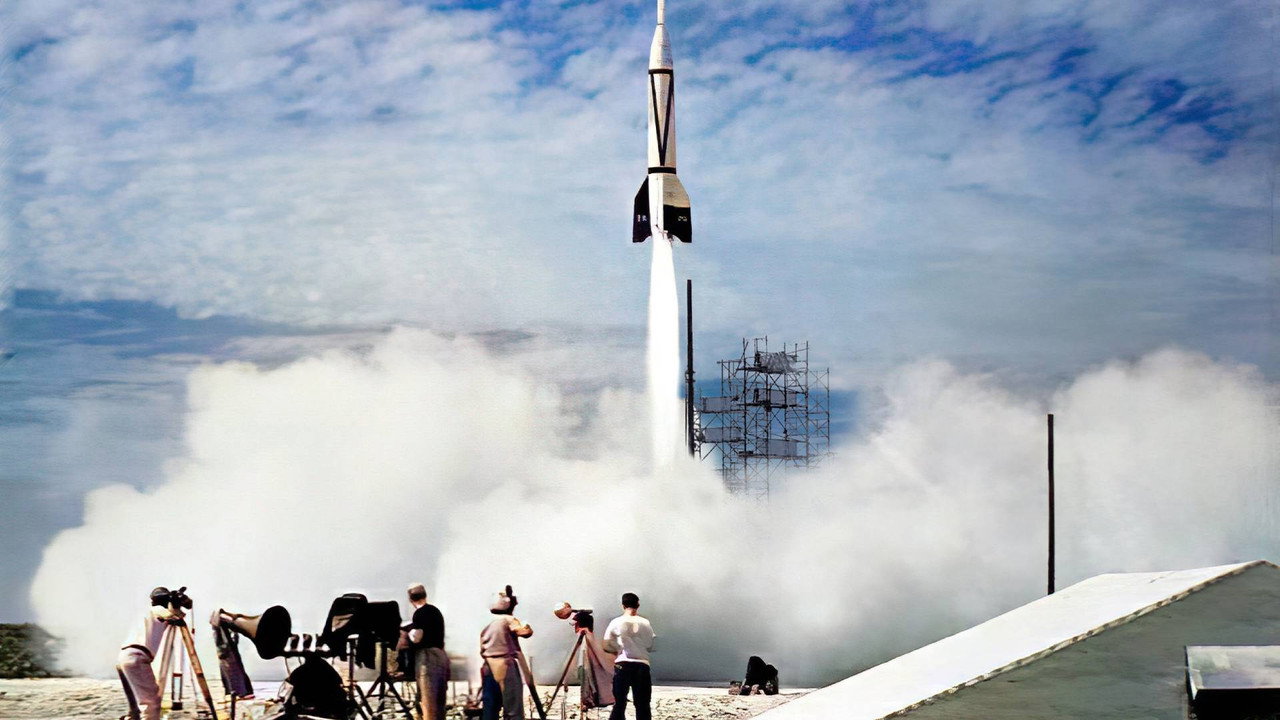
A two-part documentary recounting the Cold War space race between the United States and the Soviet Union. Through newly colorized archival footage and firsthand accounts, it follows the rivalry from early satellites and rocket development to espionage, surveillance, and the Apollo Moon landings.
2026 • Astronomy
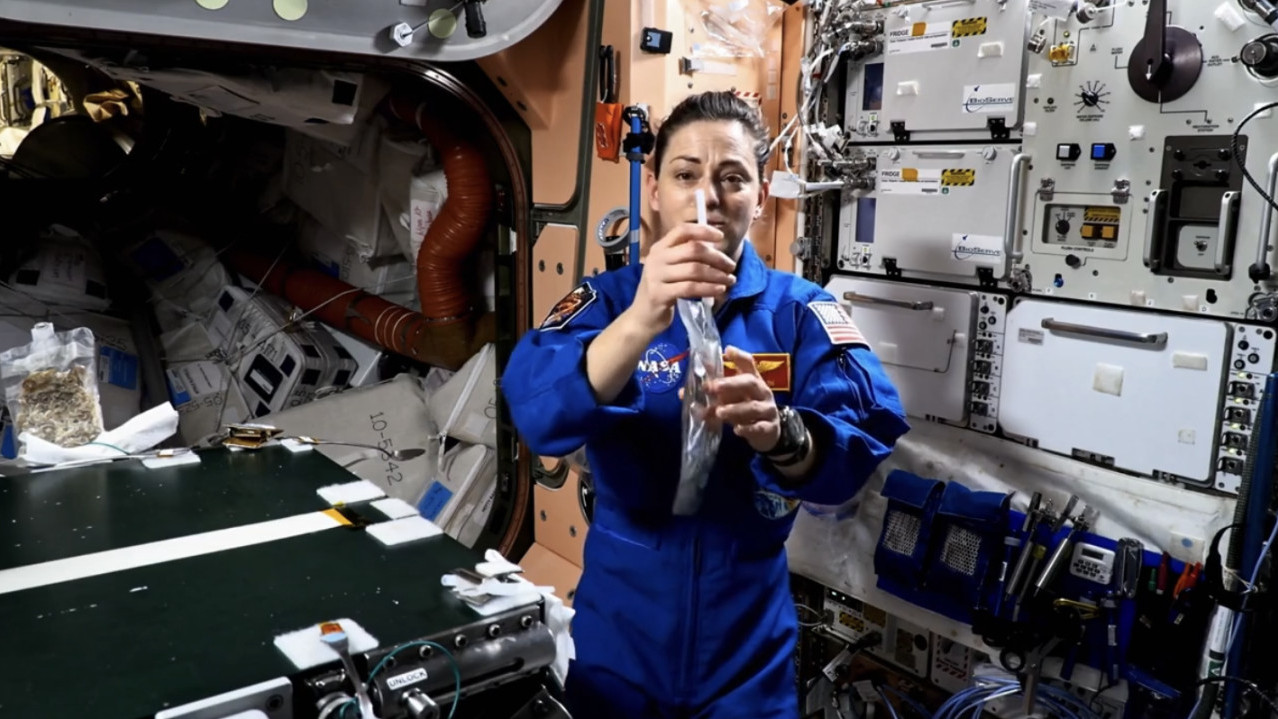
Explores the ever-present dangers faced by astronauts on the ISS, ranging from meteor strikes and docking disasters to the entire station backflipping out of control.
S1E2 • Terror on the Space Station • 2025 • Astronomy
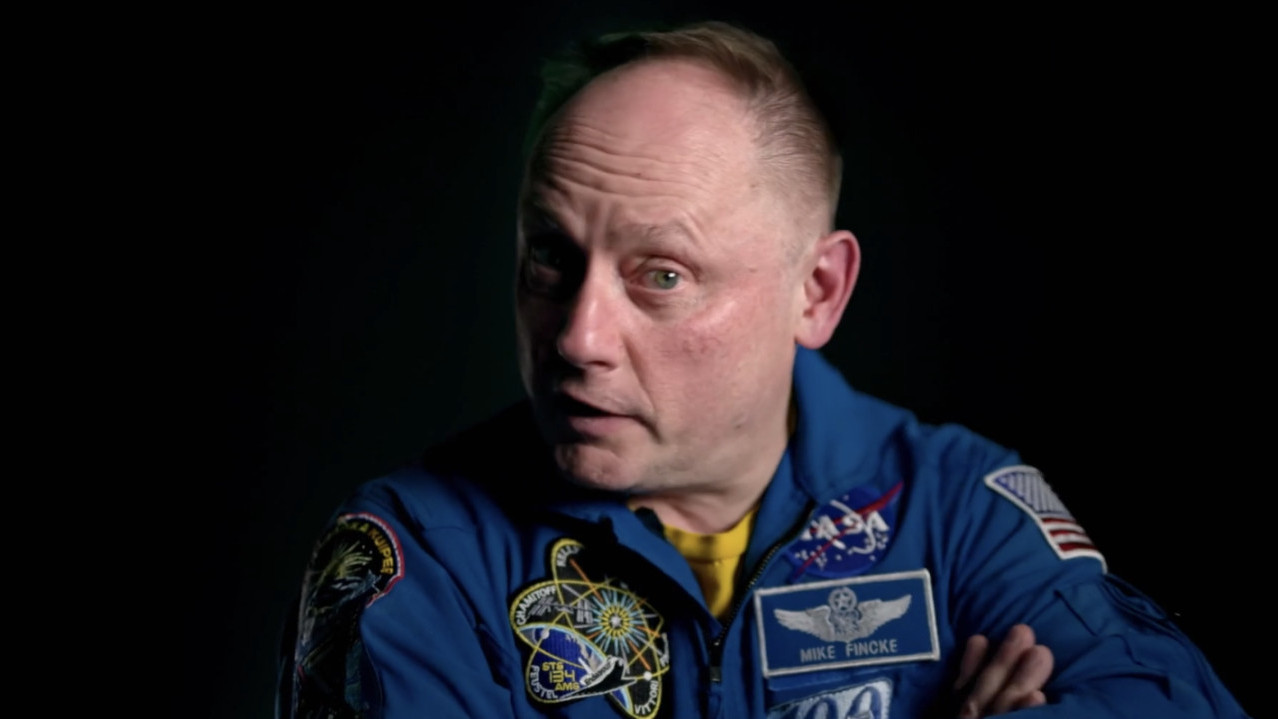
Explores the danger and ambition of building the International Space Station in space, where a single mistake could prove fatal.
S1E1 • Terror on the Space Station • 2025 • Astronomy
How did Stone Age communities build enormous burial mounds, stone circles, temples, and tombs with the limited technology available to them? This episode visits major archaeological sites in Scotland, Brittany, Austria, Malta, Turkey, and Jordan to investigate how massive stones were transported, what these monuments meant, and what they reveal about early social organization and beliefs.
S1E2 • Secrets of the Stone Age • 2017 • History
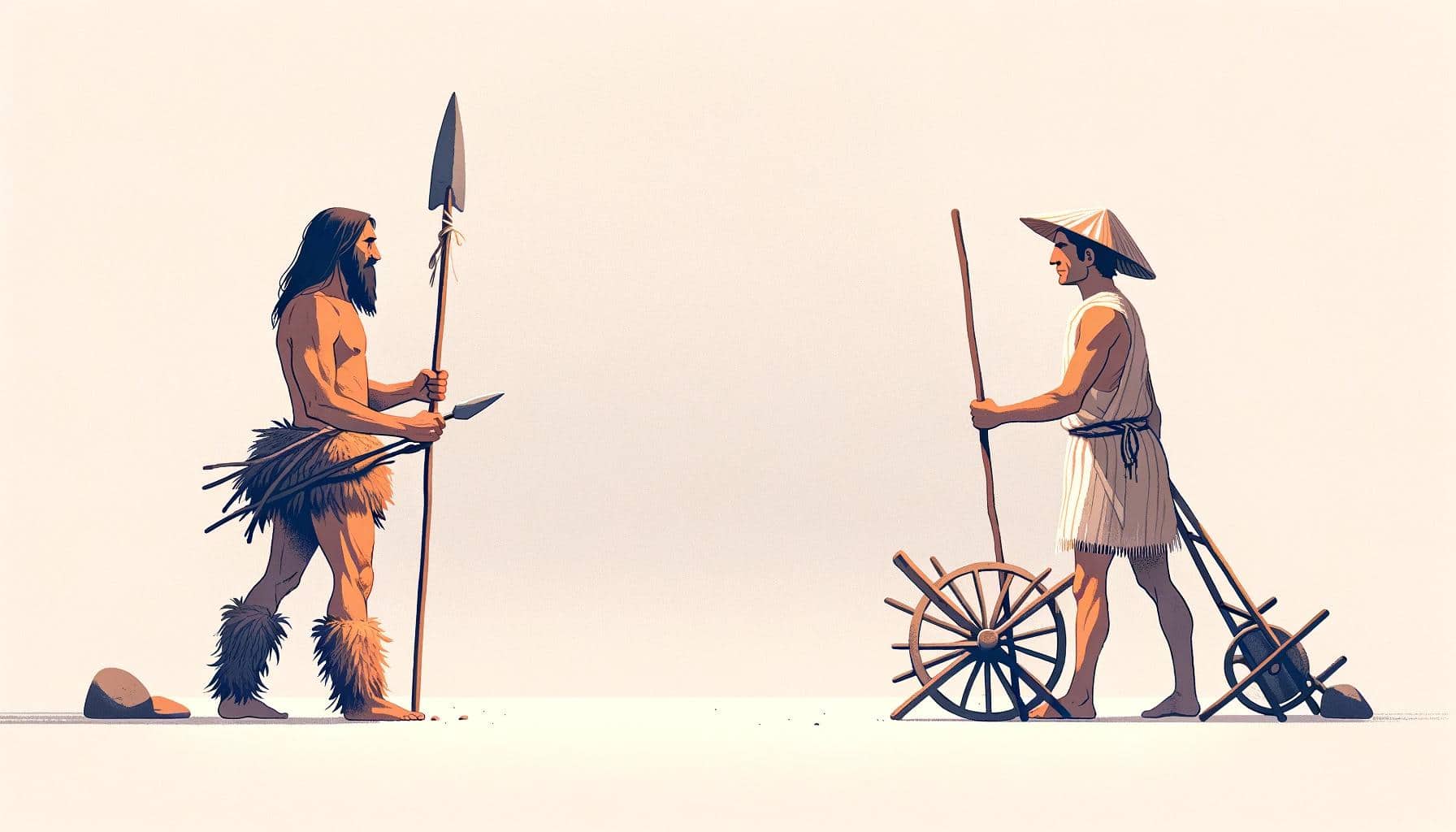
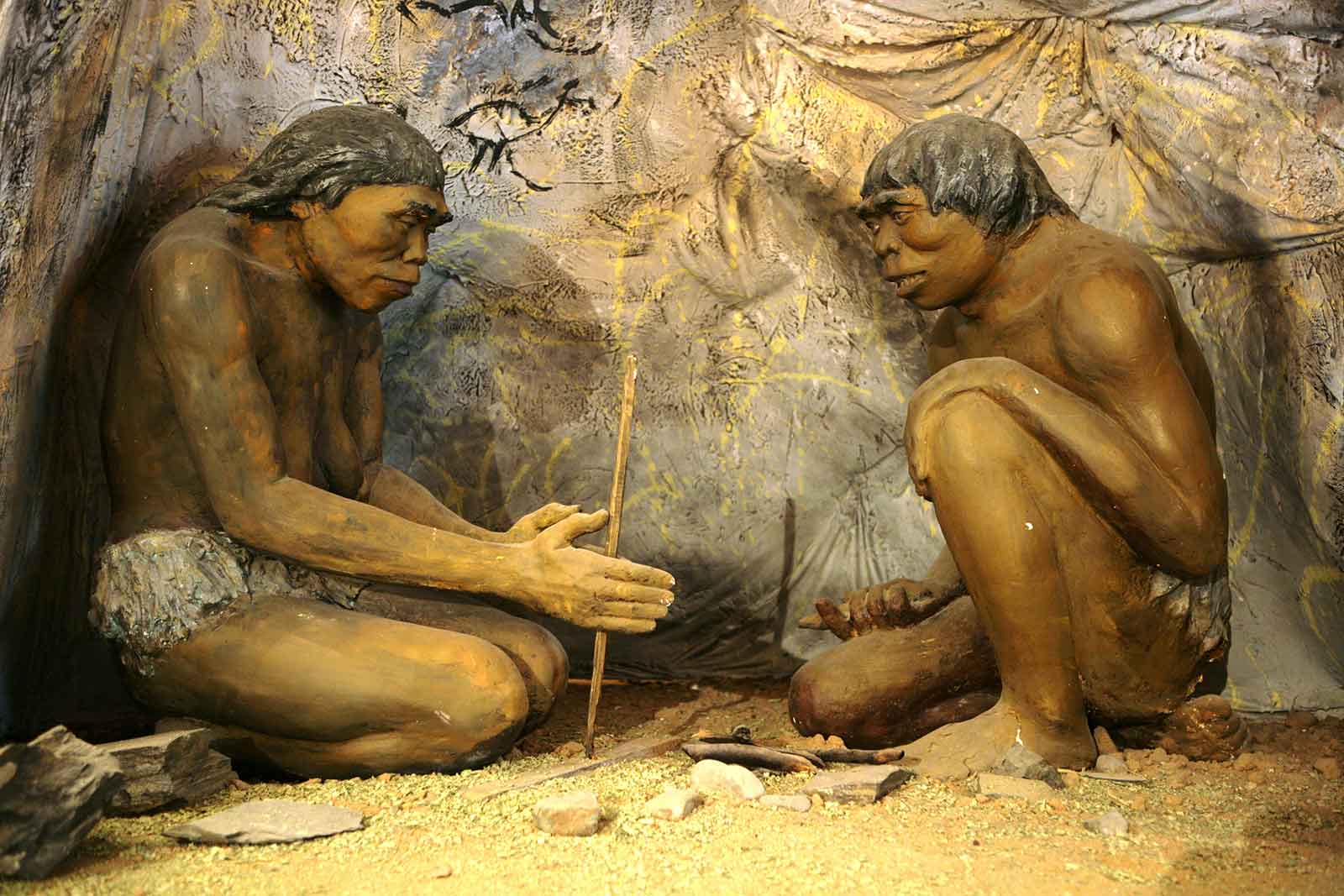
Around 12,000 years ago, humans began abandoning a nomadic existence for settled life. The episode follows the emergence of agriculture and animal husbandry, the growth of settlements, changing diets, and the remarkable discovery of Göbekli Tepe in southern Turkey—where hunter-gatherers erected massive decorated stone columns long before farming became widespread.
S1E1 • Secrets of the Stone Age • 2017 • History
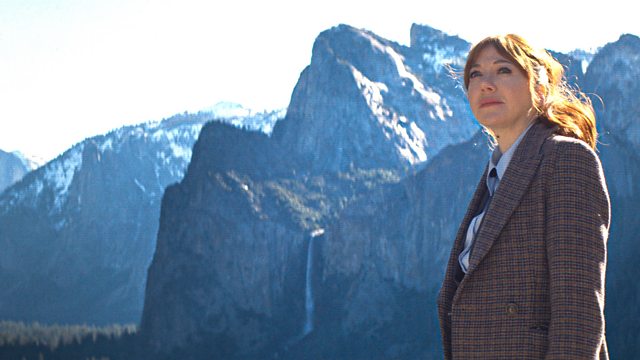
Philomena Cunk returns with her most ambitious quest yet - venturing right up the universe to examine life and existence. Mockumentary from Charlie Brooker starring Diane Morgan.
2024 • Nature
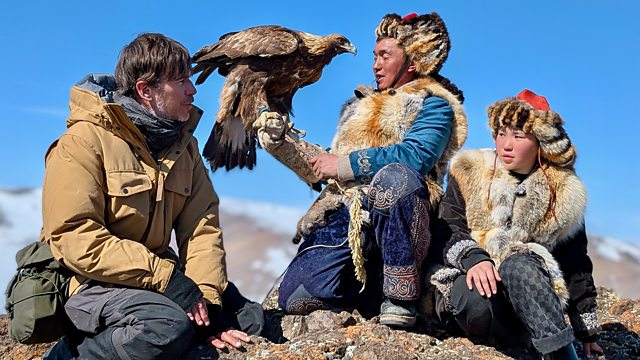
Simon Reeve embarks on a 3,000-mile journey across the deserts, plains and mountains of Mongolia in search of snow leopards and the nomadic people who hunt with golden eagles.
S2E4 • Wilderness with Simon Reeve • 2026 • Nature
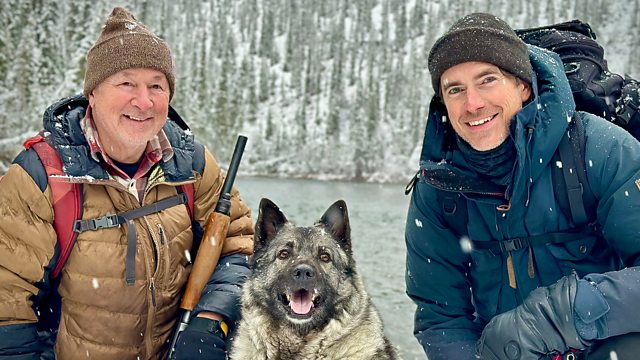
Simon Reeve treks and canoes through Canada’s rugged and frozen Yukon Territory to meet the people who make the wilderness home and to search for grizzly bears, the apex predator.
S2E3 • Wilderness with Simon Reeve • 2026 • Nature
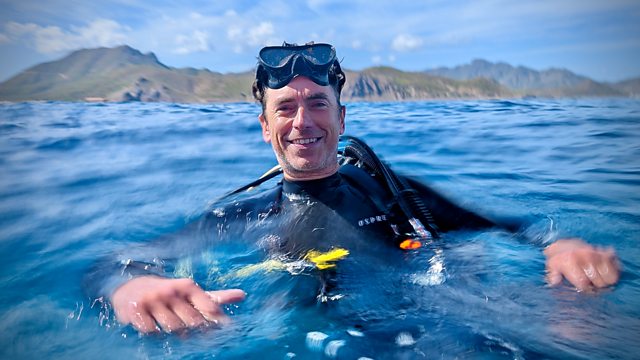
Simon Reeve voyages across Mexico’s beautiful and remote Sea of Cortez, known as the 'aquarium of the world', to dive with rare and dangerous sharks.
S2E2 • Wilderness with Simon Reeve • 2026 • Nature
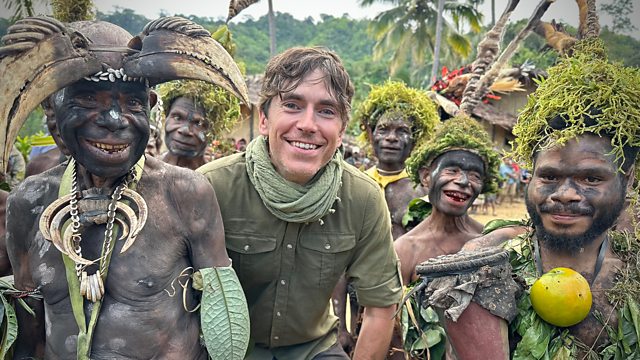
Simon Reeve journeys through the lost world of Papua New Guinea’s tropical rainforest in search of the tenkile tree kangaroo, one of the rarest animals on Earth.
S2E1 • Wilderness with Simon Reeve • 2026 • Nature
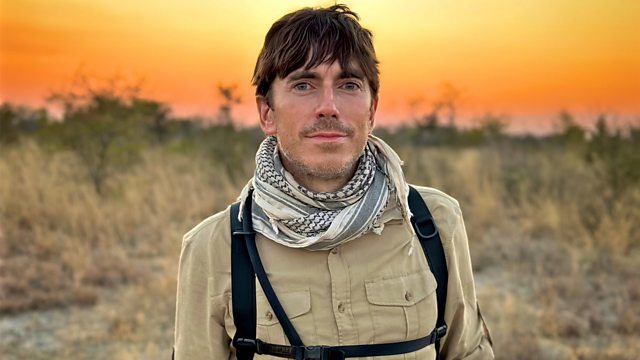
Simon Reeve crosses the parched desert of southern Africa, tracking wildebeest with the famous hunter-gatherers of the Kalahari, before heading to the oasis of the Okavango Delta.
S1E4 • Wilderness with Simon Reeve • 2024 • Nature
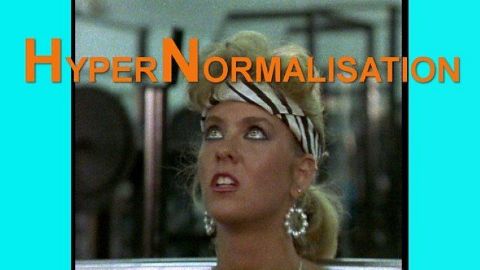
Adam Curtis - HyperNormalisation Our world is strange and often fake and corrupt. But we think it’s normal because we can’t see anything else. HyperNormalisation - the story of how we got here.
2016 • Lifehack
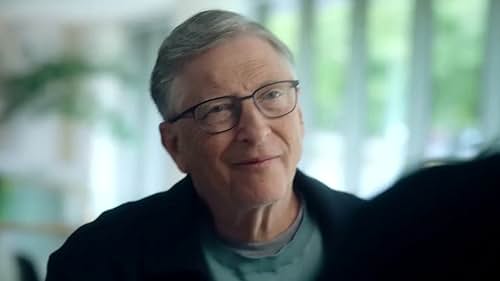
Love or loathe him, Microsoft founder Bill Gates presents an easily digested documentary series on the threats and opportunities facing humanity now and in the future.
S1E1 • What's Next: The Future with Bill Gates • 2024 • Technology
Humans have depended on fire for millennia, but do we fully understand the impact it has had on our diet? When our hunter-gatherer ancestors learned to harness this tool, it ignited a culinary and cerebral revolution believed to be one of the most important factors in our evolution.
S1E1 • The History of Food • 2018 • History
Mary, Queen of Scots is forced to abdicate and flee to England, where Queen Elizabeth has her imprisoned. Refusing to acknowledge her cousin as her legitimate heir, Elizabeth accepts to wed one of Catherine de Medici’s sons. In Flanders, William I requests military assistance from France.
S2E5 • The Real War of Thrones: The True History of Europe • 2018 • History
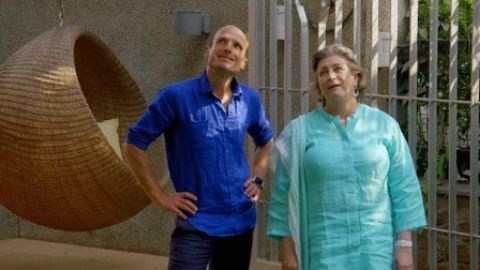
A tour of India includes an airy fortress, a fluid home with origami-like roofs, a new take on a tea plantation house and a lovely "patchwork" property.
S2E6 • The World's Most Extraordinary Homes • 2019 • Design
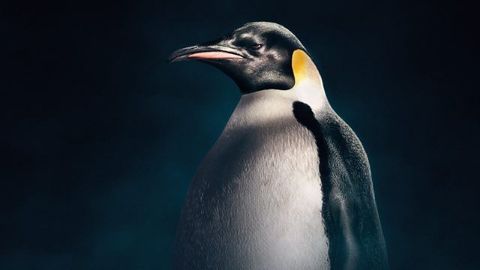
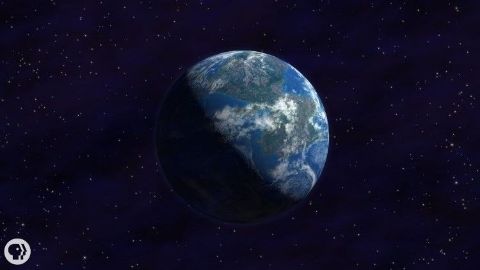
100,000,000 years from now, a team of alien geologists arrive at a mysterious blue-green planet, and decide to investigate. Here's what they'll find…
It's Okay To Be Smart • 2016 • Science
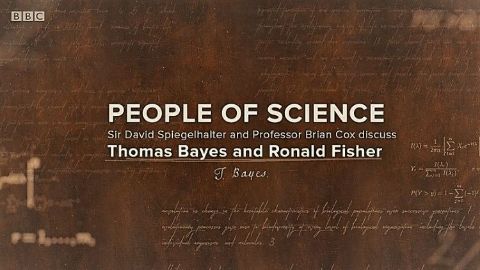
David Spiegelhalter discusses how the work of amateur mathematician Thomas Bayes and statistician Ronald Fisher helped to shape the current thinking of probability.
S1E5 • People of Science with Brian Cox • 2018 • Science
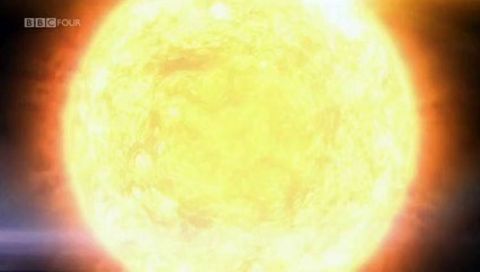
Professor Jim Al-Khalili tells the story of how we used light to reveal the cosmos.
S1E1 • Light and Dark • Science
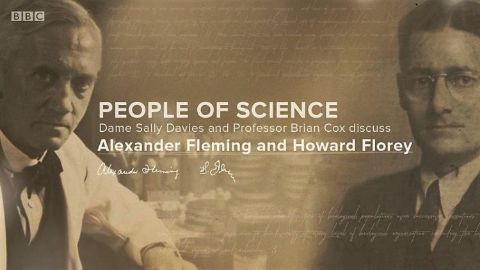
Dame Sally Davies talks to Brian Cox about her interest in antibiotic resistance and admiration of Alexander Fleming and Howard Florey for their development of penicillin.
S1E4 • People of Science with Brian Cox • 2018 • Science
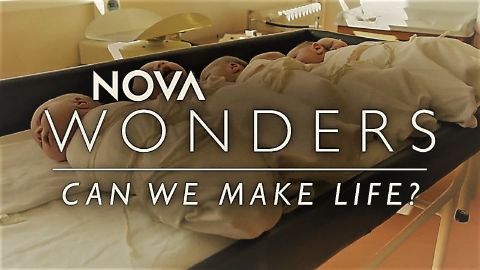
"It's alive!" Since Dr. Frankenstein spoke those famous words, we've been alternately enthralled and terrified by the idea of creating life in the lab. Now, a revolution in genetic engineering and thrilling innovations in synthetic biology are bringing that dream—or nightmare, as the case may be—closer to reality. New tools allow researchers to use cells to create their own DNA and edit it into existing genomes with more ease and less cost than ever before. Along with renewed hopes for treating some genetic diseases, there's serious talk of using the newest technologies to bring long-extinct animals back from the dead – like the team hoping to resurrect the woolly mammoth. Science fiction is quickly becoming science fact. NOVA Wonders explores the benefits and the burden of risk surrounding the controversial new technology
5 • Nova Wonders • 2018 • Science
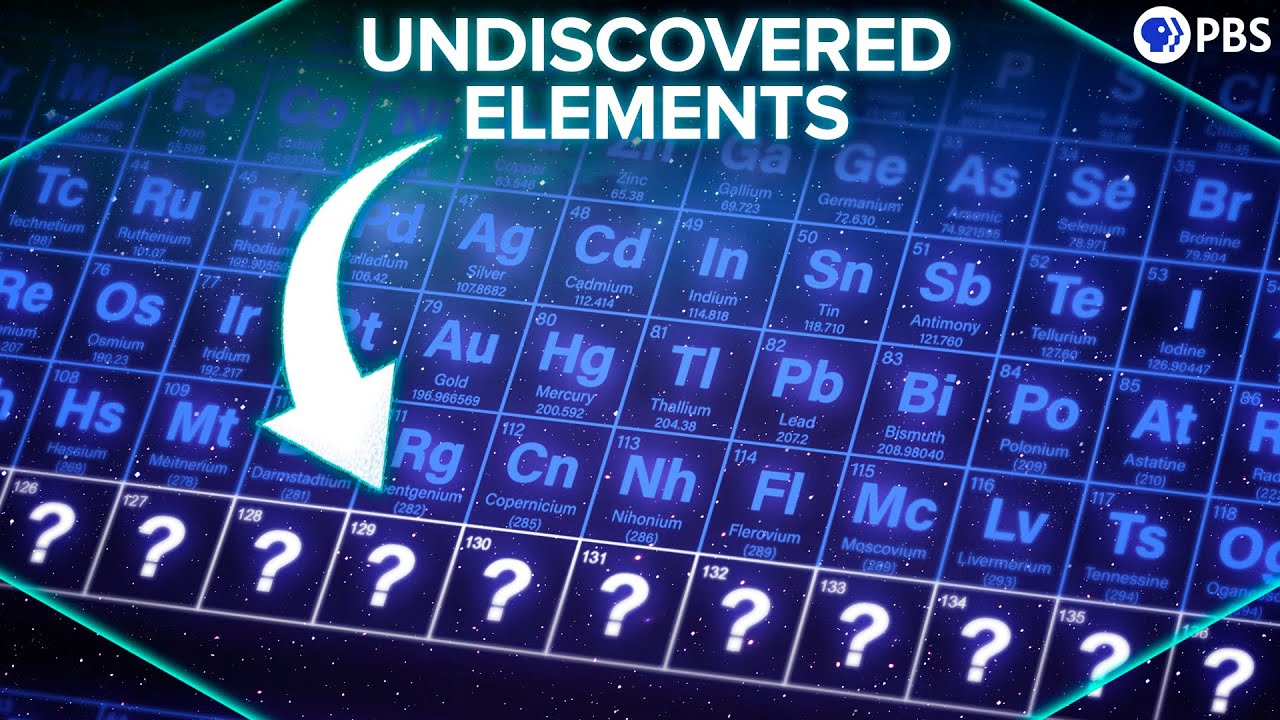
Adamantium, bolognium, dilithium. Element Zero, Kryptonite. Mythril, Netherite, Orichalcum, Unobtanium. We love the idea of fictional elements with miraculous properties that science has yet to discover. But is it really possible that new elements exist beyond the periodic table?
PBS Space Time • 2022 • Science
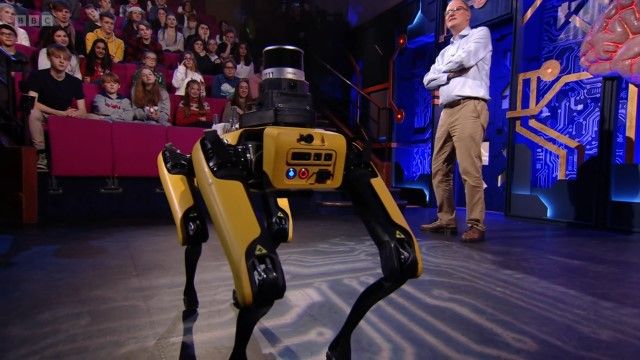
Mike Wooldridge examines real-life neurons in action and explains how artificial neural networks are inspired by neural structures in the brain. To demonstrate how AI learns, we watch drones as they are trained to recognise and fly through structures in the lecture theatre autonomously. AI exploded into the public consciousness in 2022 with the release of ChatGPT and boasts around 100 million monthly users. Mike unravels the mystery of how large language models like ChatGPT work, and he finds out if one day this technology - along with a whole suite of different AI tools - will allow us to understand the animals we share this planet with. The Christmas Lectures are the most prestigious event in the Royal Institution calendar, dating from 1825, when Michael Faraday founded the series. They are the world's longest running science television series and always promise to inspire and amaze each year through explosive demonstrations and interactive experiments with the live theatre audience.
S1E1 • BBC Royal Institution Christmas Lectures: The Truth about AI • 2023 • Technology
This episode will reveal how medicine in 2050 will be perfectly targeted and adapted to the individual as well as accessible to everyone. Just as science fiction already imagined, medicine in 2050 will be reparative and regenerative.
S1E3 • Dream the Future • 2017 • Technology
Twenty-five years after the world wide web was created, it is now caught in the greatest controversy of its existence: surveillance.
Only in the last 200 years have humans learned how to make things cold. Steven Johnson explains how ice entrepreneur Frederic Tudor made ice delivery one of the biggest export business in the U.S. and describes the place where Clarence Birdseye, the father of the frozen food industry, experienced his eureka moment. He also travels to Dubai to see how mastery of cold has led to penguins in the desert. From IVF to food, politics and Hollywood to human migration, the unsung heroes of cold have led the way.
S1E5 • How We Got to Now • 2014 • Technology
From the Stone Age to the Silicon Age, materials have helped drive forward our civilisation. By manipulating materials we have been able to transform our world and our lives - and never more so than in the past century when we have discovered and designed more materials than at any other time in human history. (Part 2: Plastic) Professor Mark Miodownik tells the story of plastics - created in the lab, they have brought luxury to the masses and shaped the modern age. He recounts tales of the mavericks responsible for some of plastic's most outrageous failures and heady successes, from the explosive attempts to make a replacement for ivory billiard balls to the ultimately ubiquitous Bakelite. Investigating at atomic level, Mark discovers the properties that have allowed plastics to dominate our world and reveals how the next generation of plastics will take its inspiration from nature, creating man-made materials which behave as though they are alive and which could help rebuild the human body.
S1E2 • How It Works • 2012 • Technology
Sure, it's smelly, dirty and gross. But excrement is more complex than we think, holding many secrets, many problems and, potentially, many solutions.
S1E2 • Connected - The Hidden Science of Everything • 2020 • Technology
Two air catastrophes within five months of each other, both involving the same plane: the Boeing 737 MAX. How could these brand-new passenger jets, built by one of aviation's most trusted companies, just fall out of the sky? Now, through newly uncovered records, plus interviews with experts who investigated the crashes, we reveal why this seemingly reliable aircraft was headed toward disaster from the very beginning, and list the series of miscalculations, mistakes, and fraudulent maneuvers that sent 346 people to their deaths in 2018 and 2019.
S1E3 • Ten Steps to Disaster • 2021 • Technology
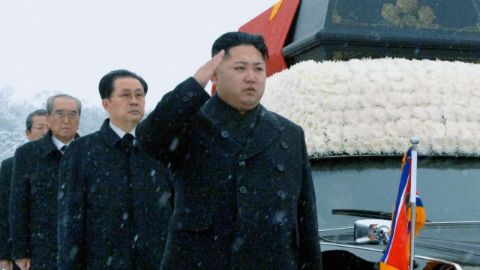
The final episode starts with the death of Kim Jong Il and the rise of the new leader of North Korea — his son, Kim Jong Un, taking power at the age of 28.
S1E4 • Inside North Korea's Dynasty • 2018 • People
Stephen Nolan travels to the USA, the world leader in scientific research, to learn about the inner workings of the brain and the impact that the junk food we eat everyday has on it.
2015 • Health

The team explores one of the greatest discoveries of modern astronomy - that our universe is expanding - and the new questions it raises about how the cosmos works.
The Sky at Night • 2025 • Astronomy
In this episode of Animal Super Senses, we find out more about the animals that live in the shadows and the adaptations they need to survive... Nocturnal animals have taken to this dark world for good reason but to navigate life in the dark, you need some special abilities.
S1E10 • Animal Super Senses • 2020 • Nature
It's called the speed limit of the universe. Einstein blew all of our minds when he worked out the Theory of Relativity, and showed that space and time were malleable substances. He also theorized that we as humans can never travel faster than the speed of light, which leaves the stars and other galaxies almost impossibly out of our reach. But the dreams of Star Wars and Star Trek are not dead. In fact, there could be ways to travel faster than the speed of light - and some of them are already being tested in labs around the world.
S2E08 • Through the Wormhole • Physics